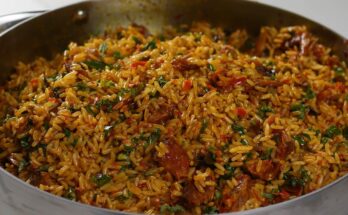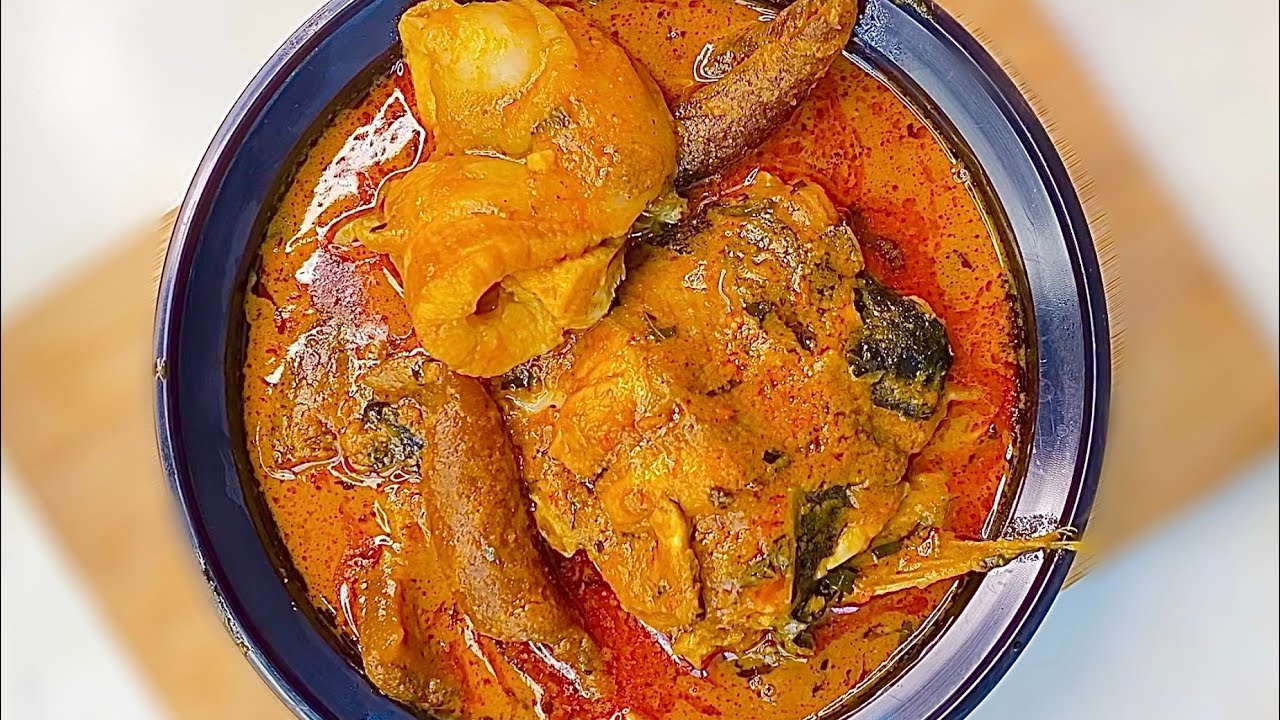
Banga Soup is one of Nigeria’s most distinctive traditional dishes, celebrated for its rich palm fruit flavour, aromatic spices, tender meat, and deeply satisfying taste. Popular particularly among the Urhobo, Isoko, Itsekiri, and other communities in the Niger Delta, this delicious palm nut soup transforms simple ingredients into a hearty meal that pairs perfectly with starch, eba, fufu, pounded yam, or other Nigerian swallows.
When we prepare an authentic Nigerian Banga Soup recipe, the quality of the palm fruit extract and the balance of traditional spices make all the difference. Unlike ordinary palm oil soups, Banga Soup gets its characteristic flavour and texture directly from boiled and extracted palm fruits or concentrated palm nut extract.
In this guide, we explain how to make Banga Soup step by step, the essential ingredients, the best proteins to use, important cooking tips, and how to achieve the thick, aromatic consistency associated with authentic Niger Delta Banga Soup.
What Is Banga Soup?
Banga Soup is a traditional Nigerian soup prepared primarily from palm fruit concentrate, meat or fish, traditional spices, seasoning, and aromatic leaves. The palm fruit base produces a rich reddish-orange soup with a distinctive flavour that is different from soups prepared using ordinary bottled palm oil.
Depending on the region and household, Banga Soup may contain beef, goat meat, assorted meat, fresh fish, dried fish, stockfish, seafood, or a combination of proteins.
The spices are equally important. Traditional Banga spices create the warm, slightly earthy aroma associated with the soup. Ingredients such as Banga spice blend, oburunbebe stick, dried pepper, and beletete leaves may be used depending on availability and regional preference.
We can prepare Banga Soup using fresh palm fruits or packaged palm fruit concentrate. Fresh palm fruits provide a traditional cooking experience, while high-quality palm fruit concentrate significantly reduces preparation time.
Ingredients for Banga Soup
Before cooking, we recommend preparing all ingredients so the cooking process remains simple and organised.
Essential Ingredients
For a flavourful pot of Nigerian Banga Soup, we need:
- 1–1.5 kg fresh palm fruits or about 800 g palm fruit concentrate
- 500–700 g beef, goat meat, or assorted meat
- Fresh fish or smoked fish, as desired
- Stockfish, optional
- 2 tablespoons ground Banga spice
- 1 oburunbebe stick, optional but recommended
- 1–2 tablespoons ground crayfish
- Fresh or dried pepper, according to taste
- 1 medium onion
- Seasoning cubes or powder
- Salt to taste
- Beletete leaves or dried Banga leaves
- Water or meat stock as required
The quantity of pepper and seasoning can be adjusted according to personal taste. However, we should avoid using excessive seasoning because the palm fruit extract and traditional spices should remain the dominant flavours.
Choosing the Best Palm Fruit for Banga Soup
The foundation of a good Banga Soup is the palm fruit extract.
When using fresh palm fruits, we should select ripe fruits with a deep reddish-orange appearance. They should be washed thoroughly before cooking to remove dirt and debris.
If fresh palm fruits are unavailable, canned or packaged palm nut concentrate can be used. This option is convenient and eliminates the long extraction process. We should choose 100% palm fruit concentrate where possible rather than products containing unnecessary additives.
Palm fruit concentrate should not be confused with ordinary palm oil. Although both products come from palm fruits, Banga Soup traditionally uses the thick liquid extracted from cooked palm fruits.
How to Extract Palm Fruit Juice for Banga Soup
When cooking with fresh palm fruits, proper extraction helps create the rich base that defines the soup.
First, we wash the palm fruits thoroughly and place them inside a pot. We add enough water to cover them and boil until the fruits become soft. This usually takes approximately 30–45 minutes, depending on the type and ripeness of the fruit.
Once softened, we drain the water and transfer the palm fruits into a mortar or suitable bowl.
We pound or gently crush the fruits until the flesh separates from the nuts. Warm water is then added, and we squeeze the mixture thoroughly with our hands.
The liquid is passed through a sieve to remove the palm kernels, fibre, and unwanted particles.
The resulting thick orange liquid becomes the Banga Soup base.
We should avoid adding excessive water during extraction because a watery palm fruit mixture will require considerably more cooking time before the soup thickens.
How to Make Banga Soup Step by Step
Once our ingredients and palm fruit extract are ready, we can begin cooking.
Step 1: Cook the Meat
Place the beef, goat meat, or assorted meat inside a clean pot.
Add chopped onion, seasoning, salt, and a small quantity of water.
Cook over medium heat until the meat becomes tender. Tougher meats may require additional cooking time.
We should retain the meat stock because it adds considerable flavour to the Banga Soup.
Step 2: Prepare the Palm Fruit Base
Pour the extracted palm fruit liquid into a large pot.
If using packaged palm nut concentrate, transfer it into the cooking pot and dilute it with a moderate quantity of water or meat stock according to its thickness.
Place the pot over medium-high heat and allow the mixture to boil.
Step 3: Allow the Palm Extract to Reduce
Continue cooking the palm fruit extract uncovered.
As it boils, excess water evaporates and the soup gradually becomes thicker. Small quantities of palm oil may begin appearing naturally on the surface.
This reduction process is important because properly cooked Banga Soup should have a rich consistency rather than a watery texture.
Step 4: Add the Cooked Meat
Transfer the cooked meat and some of its stock into the palm fruit mixture.
Stir gently and allow everything to cook together for several minutes.
At this stage, the meat begins absorbing the flavour of the palm fruit broth.
Step 5: Add Banga Spices
Add the ground Banga spice, crayfish, pepper, and oburunbebe stick.
Stir gently until the spices are distributed throughout the soup.
Allow the soup to simmer so the aroma of the traditional spices infuses the palm fruit base.
The spices should complement the soup rather than overpower it. We recommend starting with moderate quantities and adjusting as the soup develops.
Step 6: Add Fish and Other Proteins
Add smoked fish, dried fish, stockfish, or fresh fish according to preference.
Fresh fish should generally be added later than tougher meats because it cooks quickly and can break apart if stirred excessively.
After adding fish, we stir carefully or gently shake the pot instead of repeatedly using a spoon.
Step 7: Add the Traditional Leaves
Add crushed beletete leaves or the available Banga Soup leaves.
The quantity should be moderate because the leaves are mainly intended to provide aroma and flavour.
Allow the soup to simmer for another few minutes.
Step 8: Check the Seasoning and Consistency
Taste the soup and adjust the salt, pepper, or seasoning if necessary.
Continue simmering until the soup reaches the desired thickness.
Once the palm fruit concentrate has reduced properly, the ingredients are fully cooked, and the distinctive Banga aroma develops, we can remove the pot from the heat.
How to Make Banga Soup Thick
One of the most common challenges when preparing Banga Soup is achieving the right consistency.
We should first remember that the soup thickens naturally as the palm fruit extract reduces. There is usually no need to introduce artificial thickening ingredients.
Cooking the soup uncovered allows excess moisture to evaporate.
If the soup remains watery, we simply continue simmering it over medium heat while checking regularly.
Using too much water when extracting fresh palm fruits or diluting palm concentrate is one of the main causes of watery Banga Soup.
We should therefore introduce water gradually.
The ideal consistency depends partly on preference, but authentic Banga Soup is generally rich enough to coat the accompanying starch or swallow without becoming excessively heavy.
Best Meat and Fish for Nigerian Banga Soup
One advantage of Banga Soup is its versatility.
Different proteins can produce excellent results.
Beef
Beef provides a familiar, rich flavour and works well when combined with smoked fish or dried fish.
Goat Meat
Goat meat adds a stronger savoury taste and pairs beautifully with the aromatic Banga spices.
Assorted Meat
Tripe, cow skin, beef, and other assorted meats can create a more traditional and substantial pot of soup.
Fresh Fish
Fresh fish produces an especially delicious Banga Soup. Catfish is a popular choice because its flavour complements the palm fruit base.
Smoked or Dried Fish
Smoked fish contributes additional depth and aroma. It can be combined with meat or used as the primary protein.
Seafood
Depending on regional preference, prawns, shrimp, periwinkles, and other seafood can also be added.
The best choice ultimately depends on the flavour profile we want to achieve.
Important Tips for Making Authentic Banga Soup
Several small techniques can significantly improve the final dish.
We should allow the palm fruit extract to cook properly before serving. Undercooked palm concentrate can result in a soup that lacks depth.
We should also use Banga spices carefully. Adding excessive quantities may create an overpowering or bitter flavour.
When using fresh fish, minimal stirring helps prevent the pieces from breaking apart.
Another important consideration is salt. Smoked fish, stockfish, seasoning cubes, and meat stock may already contain salt, so we should taste the soup before adding more.
Finally, the soup should be given enough time to reduce. Rushing this stage can leave us with a thin broth instead of the rich Banga consistency we want.
What to Eat With Banga Soup
Banga Soup is traditionally served with several Nigerian staple foods.
One of the most famous combinations is Banga Soup and starch, particularly in Delta State and surrounding areas. The smooth texture of starch pairs exceptionally well with the rich palm fruit soup.
Other excellent accompaniments include:
- Eba
- Pounded yam
- Fufu
- Semo
- Wheat swallow
- Amala
Banga Soup can also be enjoyed with rice in some households, although swallow remains the more traditional accompaniment.
Banga Soup With Starch
For many lovers of Niger Delta cuisine, Banga Soup and starch represent the classic combination.
Starch is prepared from cassava starch and traditionally cooked with water and a small amount of palm oil until it becomes smooth, elastic, and yellow.
A portion of starch is pinched into a manageable size and dipped into the rich Banga Soup before eating.
The mild flavour of the starch allows the aromatic palm fruit soup, meat, fish, crayfish, and traditional spices to remain prominent.
Fresh Palm Fruit vs Canned Palm Nut Concentrate
Both options can produce delicious Banga Soup.
Fresh palm fruits offer an authentic homemade base and allow us to control the extraction process completely. However, preparing them requires additional washing, boiling, pounding, squeezing, and straining.
Palm nut concentrate is faster and more convenient.
When using concentrate, we simply dilute it appropriately and proceed with the remaining recipe.
For busy home cooks who still want traditional flavour, high-quality palm nut concentrate for Banga Soup can be an excellent alternative.
Common Mistakes to Avoid When Cooking Banga Soup
Even a simple Banga Soup recipe can produce disappointing results when certain mistakes are made.
Adding Too Much Water
Excess water makes the soup thin and increases cooking time. We should add liquid gradually.
Using Too Much Banga Spice
Traditional spices are aromatic and concentrated. Too much can overpower the natural palm fruit flavour.
Overcooking Fresh Fish
Fish should usually be introduced during the later stages of cooking and handled gently.
Adding Too Much Salt
Salt should be adjusted only after considering the seasoning, meat stock, dried fish, and stockfish already included.
Not Allowing the Soup to Reduce
Banga Soup develops its characteristic body through simmering. Removing it from the heat too early may leave it watery.
How to Store Leftover Banga Soup
Banga Soup can be prepared in larger quantities and stored for later meals.
Allow the soup to cool before transferring it into a clean airtight container.
For short-term storage, keep it refrigerated and reheat only the amount required.
For longer storage, portions can be frozen in freezer-safe containers. Dividing the soup into smaller portions makes reheating easier and prevents repeatedly thawing the entire batch.
When reheating, place the soup over moderate heat and stir carefully. A small amount of water may be added if it has become excessively thick during storage.
The soup should be heated thoroughly before serving.
How to Get the Best Flavour From Banga Soup
The best Banga Soup is built gradually.
Palm fruit concentrate provides richness, while meat stock adds savoury depth. Crayfish contributes a distinct seafood note, and the traditional spices provide the unmistakable fragrance associated with the dish.
Smoked fish introduces another layer of complexity, while pepper gives the soup warmth.
When these ingredients are properly balanced, no single flavour dominates.
We should also allow the soup to simmer after adding the spices. This gives the aromatics enough time to infuse the palm fruit base instead of simply sitting on top of the finished soup.
Can We Make Banga Soup Without Fresh Palm Fruits?
Yes. We can make excellent Banga Soup with ready-made palm fruit concentrate.
This method significantly reduces preparation time because we do not need to boil, pound, squeeze, and strain fresh palm fruits.
We place the concentrate in a pot, dilute it moderately with water or meat stock, and cook it until it reaches the appropriate consistency.
The remaining cooking process is essentially the same: add meat, traditional spices, crayfish, pepper, fish, seasoning, and leaves before simmering until everything is properly combined.
Why This Traditional Banga Soup Recipe Works
A successful Banga Soup recipe depends on three main elements: quality palm fruit extract, balanced traditional spices, and properly cooked proteins.
We cook tougher meat first so it becomes tender before entering the soup.
We allow the palm fruit concentrate to reduce naturally rather than relying on unnecessary thickeners.
We add the aromatic Banga spices gradually so they enhance rather than overpower the soup.
Finally, delicate ingredients such as fresh fish and traditional leaves are introduced toward the end of cooking to protect their texture and aroma.
These simple techniques produce a thick, deeply flavoured soup that works beautifully with Nigerian starch and other swallows.
FAQs about Banga Soup Recipe
What is Banga Soup?
Banga Soup is a traditional Nigerian soup made primarily from palm fruit extract. It is especially popular among the Urhobo, Itsekiri, and other Niger Delta communities, where it is prepared with aromatic spices, meat, fish, and seafood.
What are the main ingredients in Banga Soup?
The main ingredients include palm fruit concentrate, assorted meat, fresh or dried fish, crayfish, pepper, onions, seasoning, and traditional Banga spices. Ingredients may vary depending on regional preferences.
Can we use canned palm fruit concentrate?
Yes. We can use canned palm fruit concentrate as a convenient alternative to extracting juice from fresh palm fruits. It significantly reduces preparation time.
What is the difference between Banga Soup and palm nut soup?
Both use palm fruit extract, but their seasonings, spices, consistency, and preparation methods may differ. Nigerian Banga Soup typically includes distinctive traditional spices that give it its characteristic aroma.
How long does Banga Soup take to cook?
Depending on the ingredients and preparation method, Banga Soup can usually be prepared in approximately 45 minutes to one hour.
What can we eat with Banga Soup?
Banga Soup pairs well with starch, eba, pounded yam, fufu, semovita, or other Nigerian swallows. It can also be enjoyed with rice in some households.
How can we thicken Banga Soup?
We can allow the soup to simmer uncovered until excess liquid evaporates. Palm fruit extract naturally thickens as it cooks.
Can Banga Soup be stored?
Yes. Once cooled, we can keep Banga Soup in an airtight container in the refrigerator for a few days or freeze it for longer storage.
Conclusion
Preparing an authentic Banga Soup recipe at home becomes straightforward once we understand how to handle the palm fruit base. We begin with fresh palm fruit extract or good-quality palm nut concentrate, cook our preferred meat until tender, and gradually build flavour with Banga spices, crayfish, pepper, fish, seasoning, and traditional leaves.
The most important part of the cooking process is allowing the palm fruit mixture enough time to reduce and develop its characteristic richness. We should avoid excessive water, control the quantity of spices, and handle delicate fish carefully.
Served with starch, eba, pounded yam, fufu, or semo, Banga Soup delivers the bold flavours associated with traditional Niger Delta cooking. With fresh ingredients, a well-balanced spice mixture, and careful simmering, we can prepare a rich and satisfying Nigerian Banga Soup that deserves a permanent place in our home cooking collection.