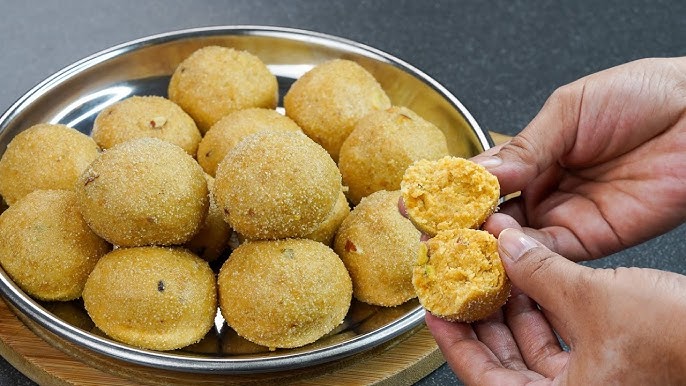
Besan Ladoo Recipe: Besan ladoo is one of the most loved traditional Indian sweets, known for its rich aroma, melt-in-the-mouth texture, and deep roasted gram flour flavor. We prepare this festive treat with a few pantry staples, yet the final result tastes luxurious, comforting, and deeply satisfying. Whether we are making it for celebrations, gifting, family gatherings, or everyday sweet cravings, this classic recipe delivers a perfect balance of nutty besan, golden ghee, and gentle sweetness.
The secret to excellent besan ladoo lies in slow roasting, proper texture, and careful shaping. When done well, each ladoo turns out soft, fragrant, and beautifully rich without tasting greasy or overly sweet. This guide covers everything clearly, from ingredients to roasting technique, shaping tips, storage, and common mistakes to avoid.
Ingredients You’ll Need for Besan Ladoo
To make delicious and authentic besan ladoo, we need simple ingredients that work together to create the classic flavor and texture.
Main Ingredients
- 2 cups besan (gram flour)
- 1/2 to 3/4 cup ghee
- 3/4 to 1 cup powdered sugar
- 1/4 teaspoon cardamom powder
- 2 tablespoons chopped nuts such as almonds, cashews, or pistachios
Optional Ingredients for Better Flavor
- 1 tablespoon semolina for slight texture
- 1 tablespoon milk powder for a richer taste
- A few saffron strands
- 1 tablespoon raisins
- Edible silver leaf for garnish
The quality of ingredients matters. Fresh besan, good-quality ghee, and finely powdered sugar create the best results. Coarse sugar can affect texture, while stale besan can make the ladoos taste flat.
How to Choose the Best Besan for Ladoo
For the most flavorful ladoos, we should use fresh, aromatic gram flour. Fine besan gives a smoother finish, while slightly coarse besan creates a more traditional texture. Many home cooks prefer adding a little semolina or using a coarser variety for extra body.
The flour should smell neutral and nutty, not sour or stale. Since besan is the main ingredient, its freshness directly affects the final taste. Good besan gives the ladoo a deep roasted fragrance and a soft, rich bite.
Preparing the Ingredients Before Cooking
Before we start roasting, it helps to measure and prepare everything in advance. This keeps the process smooth and prevents overcooking.
- Sift the besan to remove lumps.
- Powder the sugar if it is not already fine.
- Chop the nuts into small pieces.
- Keep the ghee ready at room temperature.
- Set aside the cardamom powder.
This small preparation step makes mixing easier and helps us achieve a smoother ladoo mixture without lumps.
Step-by-Step Guide to Make Besan Ladoo
Step 1 – Heat the Pan Properly
Place a heavy-bottomed pan or kadai on low heat. A thick pan is best because it prevents the besan from burning and allows even roasting.
Avoid high heat at this stage. Besan needs patient roasting, and rushing the process can lead to a raw taste or uneven color.
Step 2 – Add Ghee and Besan
Add the ghee to the warm pan. Once it melts, add the besan and begin mixing immediately. Stir well so the flour is coated evenly with the ghee.
At first, the mixture may look thick and slightly lumpy. This is normal. As we continue roasting, the texture will loosen and become smoother.
Step 3 – Roast the Besan Slowly
This is the most important step in the recipe. Roast the besan on low heat while stirring continuously. Keep scraping the sides and bottom of the pan so nothing sticks or browns too quickly.
After several minutes, the mixture will begin to change:
- It will become lighter and smoother
- The color will turn deeper golden
- A nutty roasted aroma will develop
- The ghee may begin to separate slightly
This process usually takes 15 to 25 minutes, depending on the pan, heat level, and quantity. Properly roasted besan is what gives ladoos their signature taste. Under-roasted besan tastes raw and heavy, while over-roasted besan can become bitter.
Step 4 – Add Semolina or Milk Powder if Using
If we are using semolina for texture or milk powder for richness, add it once the besan is well roasted. Stir for another 2 to 3 minutes on low heat.
This helps blend the added ingredients into the mixture without leaving a grainy taste.
Step 5 – Add Nuts for Crunch
Add the chopped almonds, cashews, or pistachios and stir them into the roasted besan. We can also add raisins at this stage if desired.
The nuts add contrast to the soft texture of the ladoos and make them feel more festive and premium.
Step 6 – Cool the Mixture Slightly
Turn off the heat and transfer the mixture to a wide bowl or leave it in the pan to cool slightly. It should be warm, not hot, before adding the sugar.
This step matters because adding sugar to a very hot mixture can cause it to melt completely, which may make the ladoo mixture too loose or sticky.
Step 7 – Mix in Powdered Sugar and Cardamom
Once the roasted besan mixture is warm, add the powdered sugar and cardamom powder. Mix thoroughly until the sugar is evenly distributed.
At this stage, taste the mixture and adjust sweetness if needed. Some prefer besan ladoo mildly sweet, while others enjoy a richer sweet finish.
The mixture should now look soft, aromatic, and easy to gather together.
Step 8 – Shape the Ladoos
Take a small portion of the warm mixture in your palm and press it gently. Then roll it between your palms to form a round ladoo.
If the mixture feels too dry and does not hold shape, add 1 to 2 teaspoons of warm ghee and mix again. If it feels too soft, let it rest for a few more minutes before shaping.
Repeat until all the ladoos are formed. Garnish each one with chopped pistachios, almond slivers, or saffron if desired.
Tips for Perfect Besan Ladoo Every Time
Making outstanding besan ladoo is simple when we focus on a few key details.
Roast on Low Heat
Never rush the roasting process. Slow roasting develops the proper flavor and removes the raw taste from the gram flour.
Use Enough Ghee
Too little ghee can make the ladoos dry and hard. Too much can make them greasy. The right amount gives the mixture a soft, rich consistency that holds shape easily.
Add Sugar at the Right Time
Always add powdered sugar after the mixture cools slightly. This helps maintain the proper texture and prevents the sugar from dissolving too much.
Shape While Warm
The mixture should be warm enough to hold together but not too hot to handle. Warm mixture forms smoother, rounder ladoos.
Sift the Besan
Sifting helps remove lumps and improves texture. Smooth besan creates softer, better-shaped ladoos.
Common Mistakes to Avoid When Making Besan Ladoo
Even a simple sweet recipe can go wrong if a few steps are missed. Avoid these common mistakes for better results.
Using High Heat
High heat can burn the besan on the outside while leaving it raw inside. This ruins both taste and aroma.
Not Roasting Long Enough
If the besan is not roasted properly, the ladoos will taste raw and powdery instead of rich and nutty.
Adding Sugar to Hot Mixture
This can make the mixture runny and difficult to shape properly.
Using Coarse Sugar
Powdered sugar blends better and gives the ladoos a smoother texture.
Skipping the Resting Time
If the mixture is too loose, a short rest helps it firm up. Shaping too early can make the ladoos fall apart.
How to Make Besan Ladoo Soft and Melt in the Mouth
For ladoos that feel soft and luxurious, we should focus on three things: fine besan, balanced ghee, and proper roasting. The besan must roast until fragrant and smooth, the ghee should coat every particle well, and the sugar must be mixed evenly for a silky finish.
A small amount of milk powder can also make the ladoos richer. However, the traditional version remains excellent with just besan, ghee, sugar, and cardamom.
Serving Ideas for Besan Ladoo
Besan ladoo can be served in many ways, depending on the occasion.
- Serve with tea or coffee
- Include in festive sweet platters
- Pack in decorative boxes for gifting
- Offer as a homemade dessert after meals
- Pair with other Indian sweets for celebrations
Their rich flavor and long shelf life make them perfect for festivals, family visits, and special occasions.
How to Store Besan Ladoo
Once shaped and fully cooled, store the ladoos in an airtight container. They keep well at room temperature for about 1 to 2 weeks, depending on weather and ingredient freshness.
For longer storage, refrigerate them and bring them to room temperature before serving. Make sure the container stays dry, as moisture can affect both texture and shelf life.
Variations of Besan Ladoo to Try
We can easily customize this classic recipe while keeping the traditional character intact.
Dry Fruit Besan Ladoo
Add extra chopped almonds, pistachios, and cashews for a richer festive version.
Saffron Besan Ladoo
Mix in a few saffron strands soaked in warm milk for a delicate aroma and luxurious finish.
Coconut Besan Ladoo
Add a little desiccated coconut for extra flavor and texture.
Jaggery Besan Ladoo
Replace sugar with powdered jaggery for a deeper, more earthy sweetness. The mixture should cool more before adding jaggery.
Besan Ladoo with Gond
Add edible gum crystals fried in ghee and crushed for a traditional, rich variation.
Why This Besan Ladoo Recipe Works So Well
This recipe succeeds because it follows the essential principles of traditional Indian sweet-making: slow roasting, simple ingredients, and balanced richness. The besan develops a deep roasted flavor, the ghee creates a luxurious mouthfeel, and the sugar brings everything together into a smooth, sweet bite.
The result is a ladoo that looks beautiful, holds shape well, and tastes authentic. It is easy enough for beginners, yet satisfying enough for experienced home cooks who want reliable results.
FAQs about Besan Ladoo Recipe
1. What is besan ladoo?
Besan ladoo is a traditional Indian sweet made from gram flour (besan), ghee, and sugar. It is known for its rich taste, soft texture, and delicious aroma.
2. What ingredients are used in besan ladoo recipe?
A basic besan ladoo recipe includes besan, ghee, powdered sugar, and cardamom powder. Some versions also add chopped nuts like almonds or cashews for extra flavor and texture.
3. Why is roasting besan important?
Roasting besan properly is very important because it removes the raw taste and gives the ladoos their deep, nutty flavor. Slow roasting also improves the aroma and texture.
4. How do I know when the besan is roasted enough?
The besan is ready when it turns slightly darker, smells fragrant, and the mixture becomes smooth and aromatic. Be careful not to burn it.
5. Can I make besan ladoo without ghee?
Ghee is a key ingredient because it gives the ladoos their traditional richness and helps bind the mixture. Replacing it may change the taste and texture.
6. Why are my besan ladoos not holding shape?
This usually happens when the mixture is too dry or has not cooled enough before shaping. Adding a little more warm ghee can help bind it better.
7. How should I store besan ladoo?
Store besan ladoo in an airtight container at room temperature for about 1 to 2 weeks. In cooler conditions, they stay fresh for even longer.
Final Thoughts
A good besan ladoo recipe does not depend on complicated ingredients or difficult techniques. It depends on patience, balance, and attention to texture. When we roast the besan properly, use fresh ghee, add sugar at the right stage, and shape the mixture while warm, we get ladoos that are aromatic, soft, and deeply flavorful.
This timeless sweet remains a favorite because it is simple, elegant, and full of comfort. Whether we prepare it for Diwali, a family event, festive gifting, or a homemade dessert plate, this step-by-step besan ladoo recipe gives consistently rich and delicious results every time.