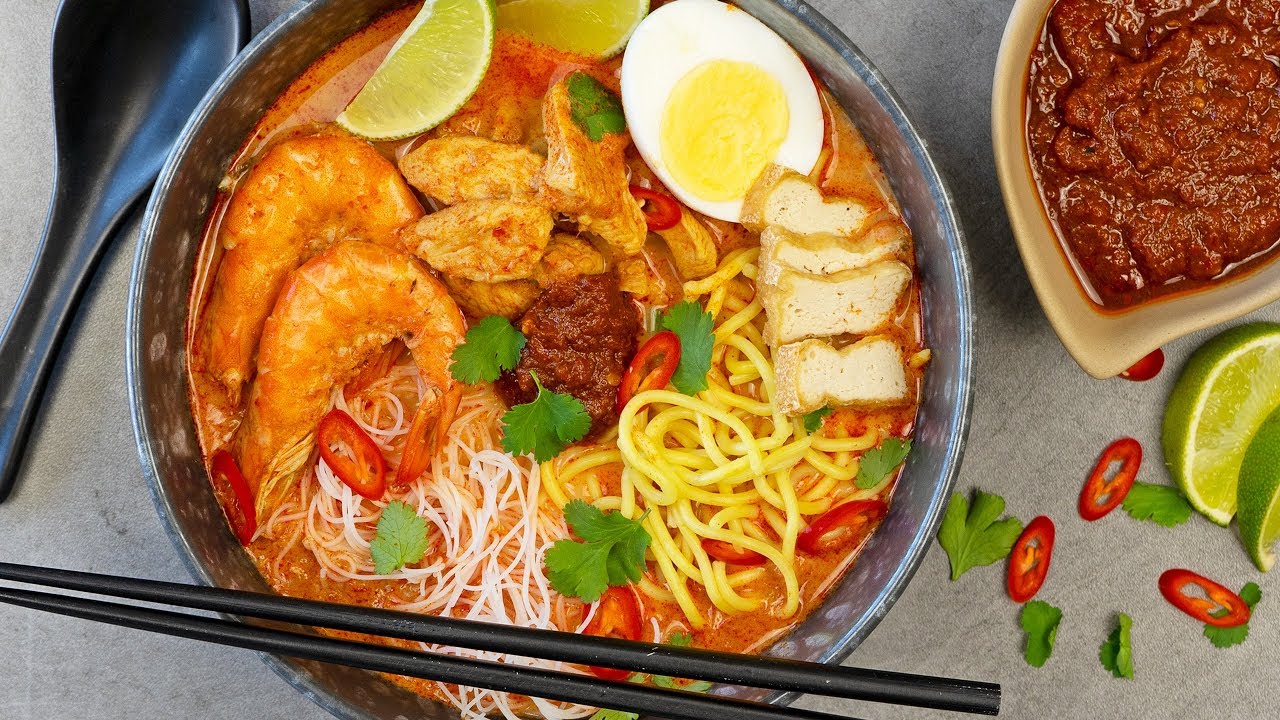
Laksa Noodle Soup Recipe: Laksa noodle soup is one of the most satisfying, aromatic, and deeply flavored noodle dishes we can prepare at home. With its rich coconut-based broth, fragrant spice paste, tender noodles, and bold toppings, this dish delivers comfort and complexity in every spoonful. A well-made laksa noodle soup recipe combines creamy, spicy, savory, and slightly tangy notes into one balanced bowl. It is hearty enough for dinner, impressive enough for guests, and versatile enough to adapt to different protein and vegetable choices.
This guide walks through everything needed to prepare a flavorful homemade laksa from scratch, including the ingredients, broth base, toppings, and detailed cooking method. By following the steps carefully, we create a bowl of laksa that tastes layered, vibrant, and restaurant-quality.
What Is Laksa Noodle Soup?
Laksa is a popular Southeast Asian noodle soup known for its powerful broth and signature spice profile. While there are several regional versions, one of the most loved is the curry laksa, made with a spicy coconut milk broth and served with noodles, proteins such as chicken, shrimp, or tofu, and fresh garnishes.
What makes laksa stand out is the bold depth of its soup base. The broth is not plain or thin. It is infused with aromatics, spices, curry paste, and creamy coconut milk, giving it a luxurious texture and a rich orange-red color. The noodles absorb that flavor beautifully, while toppings such as boiled eggs, bean sprouts, herbs, and lime add freshness and contrast.
A great laksa noodle soup recipe is all about balance. The broth should be creamy but not heavy, spicy but not harsh, and deeply seasoned without becoming salty. When all the components come together, the result is an unforgettable noodle soup with intense flavor and satisfying texture.
Ingredients You’ll Need
To make a delicious homemade laksa, we need ingredients for the laksa paste, the broth, the noodles, and the toppings.
For the Laksa Paste
- 4 shallots, peeled and roughly chopped
- 4 garlic cloves
- 1-inch fresh ginger
- 1-inch galangal if available
- 2 stalks lemongrass, tender white part only, sliced
- 6 dried red chilies, soaked in warm water until soft
- 2 fresh red chilies
- 1 tablespoon curry powder
- 1 teaspoon turmeric powder
- 1 teaspoon ground coriander
- 1 tablespoon vegetable oil for blending if needed
For the Laksa Broth
- 2 tablespoons vegetable oil
- 4 cups chicken stock or seafood stock
- 2 cups coconut milk
- 1 tablespoon soy sauce
- 1 tablespoon fish sauce
- 1 teaspoon sugar
- Salt, to taste
- Optional lime juice, for brightness
For the Noodles and Protein
- 250–300 grams rice noodles or egg noodles
- 2 cups cooked shredded chicken, or
- 250 grams shrimp, peeled and deveined, or
- Firm tofu, pan-fried and sliced
For Toppings
- 2 boiled eggs, halved
- 1 cup bean sprouts
- Fresh cilantro or coriander leaves
- Spring onions, sliced
- Lime wedges
- Red chili slices
- Fried onions, optional
Best Noodles for Laksa
The noodles play an important role in the final bowl. Traditionally, laksa is often served with rice noodles, which are soft, slippery, and excellent at carrying the broth. Thin rice vermicelli works well, but slightly thicker rice noodles also produce a satisfying texture.
Egg noodles can also be used if a richer, chewier bite is preferred. In some bowls, both rice vermicelli and egg noodles are combined for a more substantial serving. The key is to cook the noodles until just tender, then drain them well so they hold their texture in the hot soup.
How to Make Laksa Paste from Scratch
The heart of a strong laksa noodle soup recipe is the aromatic spice paste. This paste is what gives the broth its body, color, and complexity.
Place the shallots, garlic, ginger, galangal, lemongrass, soaked dried chilies, fresh red chilies, curry powder, turmeric, and coriander into a blender or food processor. Blend until a smooth or slightly textured paste forms. Add a small amount of oil if the mixture needs help coming together.
The paste should smell intensely fragrant, spicy, and fresh. That raw aroma transforms beautifully once cooked in oil, becoming deeper and sweeter as it fries.
Step-by-Step Guide for Laksa Noodle Soup
Step 1: Prepare the Laksa Paste
Blend all the laksa paste ingredients into a smooth mixture. Take time to break down the lemongrass well, since it can be fibrous. A finer paste creates a more even broth and stronger flavor throughout the soup.
Step 2: Fry the Paste Until Fragrant
Heat 2 tablespoons of vegetable oil in a large pot over medium heat. Add the blended laksa paste and cook for 8 to 10 minutes, stirring frequently.
This step is essential. The paste should darken slightly, smell fragrant, and release its oils. Cooking it properly removes the raw sharpness of the aromatics and builds the flavor foundation of the soup.
Step 3: Add the Stock
Pour in the chicken stock or seafood stock slowly while stirring. This helps loosen the fried paste and distribute it evenly through the pot.
Bring the mixture to a gentle simmer. At this stage, the broth will already begin to take on its distinctive color and aroma.
Step 4: Stir in the Coconut Milk
Add the coconut milk and stir thoroughly. Reduce the heat to medium-low and allow the broth to simmer gently for 10 to 15 minutes.
Do not boil too aggressively once the coconut milk is added. A gentle simmer keeps the broth smooth and creamy while allowing the flavors to blend properly.
Step 5: Season the Broth
Add the soy sauce, fish sauce, sugar, and a small amount of salt. Taste the broth carefully and adjust as needed. The flavor should be rich, slightly spicy, savory, and rounded.
For extra brightness, add a small squeeze of lime juice at the end. This lifts the coconut-based broth and sharpens the overall flavor profile.
Step 6: Cook the Protein
If using shrimp, add them directly to the simmering broth and cook for 2 to 3 minutes until pink and tender. If using cooked shredded chicken, warm it gently in the broth for a few minutes before serving. If using tofu, pan-fry it separately until golden, then add it to the bowl during assembly.
Each protein brings a slightly different character to the dish. Shrimp adds sweetness, chicken makes it hearty, and tofu gives it a satisfying vegetarian-friendly option.
Step 7: Cook the Noodles
Bring a separate pot of water to a boil and cook the rice noodles or egg noodles according to package instructions. Drain them immediately and rinse lightly if needed to prevent sticking.
Avoid overcooking the noodles. They should remain tender but not mushy, since they will continue to soften slightly once the hot broth is poured over them.
Step 8: Prepare the Toppings
While the broth simmers and the noodles cook, prepare the toppings. Halve the boiled eggs, rinse the bean sprouts, slice the spring onions, chop the cilantro, and cut the lime wedges.
Fresh toppings are what give laksa its contrast. The hot, rich soup needs crisp and bright elements to keep every bite lively.
Step 9: Assemble the Laksa Bowls
Divide the cooked noodles among serving bowls. Add the chicken, shrimp, or tofu. Ladle the hot laksa broth generously over the noodles.
Top each bowl with boiled egg, bean sprouts, cilantro, spring onions, chili slices, and fried onions if using. Serve immediately with lime wedges on the side.
How the Final Bowl Should Taste
A properly made bowl of laksa noodle soup should taste bold and rounded from the first spoonful. The broth should be creamy from the coconut milk, layered with spice from the chilies and curry, and full of savory depth from the stock and seasonings. The noodles should be soft but structured, while the toppings bring freshness and texture.
No single element should overpower the others. Instead, every ingredient should contribute to a complete, balanced bowl.
Tips for the Best Laksa Noodle Soup Recipe
Using fresh aromatics makes a major difference in the paste. Fresh lemongrass, ginger, garlic, and shallots create a more vibrant broth than relying only on dry seasonings.
Frying the paste thoroughly is one of the most important parts of the method. A rushed paste produces a flat broth, while a properly cooked paste delivers depth and richness.
Choose a good-quality coconut milk with a creamy consistency. Thin coconut milk can make the broth watery and less satisfying.
Prepare all toppings before assembly. Laksa is best served hot and fresh, so having everything ready allows for quick and clean plating.
Taste the broth before serving. A small adjustment in salt, sugar, fish sauce, or lime can transform the final result.
Easy Variations
This laksa noodle soup recipe can be adapted in several ways while still keeping its core identity.
For a seafood version, use shrimp and fish balls with seafood stock for extra sweetness and body.
For a chicken version, use shredded poached chicken and chicken stock for a classic and hearty bowl.
For a vegetarian version, replace fish sauce with soy sauce, use vegetable stock, and top with tofu, mushrooms, and greens.
For a spicier bowl, increase the number of dried chilies or add chili oil before serving.
What to Serve with Laksa
Laksa is a complete meal on its own, but it pairs well with light side dishes that do not compete with the soup’s intensity. Simple cucumber salad, sautéed greens, or a fresh herb platter work especially well. A cool drink can also complement the heat and richness of the broth.
How to Store and Reheat
Store the broth separately from the noodles for the best texture. Keep the broth in an airtight container in the refrigerator for up to 3 days. Reheat gently on the stove over medium heat until hot.
Cooked noodles can be refrigerated separately and refreshed briefly in hot water before serving. Fresh toppings should be added only when ready to eat.
Why This Laksa Recipe Works
This recipe works because it builds flavor in layers. The aromatic paste creates the base, the stock deepens the soup, the coconut milk adds body, and the toppings brighten the final dish. Every step contributes to a bowl that tastes intentional, rich, and complete.
A homemade laksa noodle soup recipe does not need to be complicated to be excellent. With the right ingredients and a careful cooking method, we can prepare a comforting, fragrant, and deeply flavorful bowl that rivals restaurant versions.
FAQs about Laksa Noodle Soup Recipe
1. What is laksa noodle soup?
Laksa noodle soup is a popular Southeast Asian dish made with noodles, a rich spiced broth, and toppings such as chicken, shrimp, tofu, or eggs. It is known for its bold, creamy, and fragrant flavor.
2. What ingredients are used in laksa noodle soup recipe?
A typical recipe includes rice noodles or egg noodles, coconut milk, laksa paste, broth, and proteins like chicken, shrimp, or tofu. Common toppings include bean sprouts, boiled eggs, fresh herbs, and lime.
3. Is laksa noodle soup spicy?
Yes, laksa is usually mild to quite spicy, depending on the amount of chili in the paste. You can easily adjust the heat level to suit your taste.
4. What type of noodles are best for laksa?
Rice noodles are commonly used, but some versions also use egg noodles or a mix of both. The choice depends on the style of laksa you want to make.
5. Can I make laksa noodle soup without seafood?
Yes, you can make laksa with chicken, tofu, or just vegetables. It is a flexible dish that can be adapted to different preferences.
6. What makes laksa broth creamy?
The creamy texture usually comes from coconut milk, which balances the spices and gives the soup its rich taste.
7. Can I prepare laksa noodle soup ahead of time?
Yes, you can make the broth in advance and store it in the refrigerator. It is best to cook the noodles separately and add them just before serving to keep them from getting too soft.
Conclusion
This laksa noodle soup recipe delivers everything expected from a memorable bowl of laksa: rich coconut broth, bold spices, tender noodles, and fresh toppings that balance every bite. It is comforting, flavorful, and highly adaptable for different tastes and ingredients. Once the broth is built properly and the toppings are prepared with care, the dish comes together beautifully.
For anyone looking to make an authentic-feeling, deeply satisfying noodle soup at home, this step-by-step laksa guide provides a dependable and flavorful method that can be used again and again.