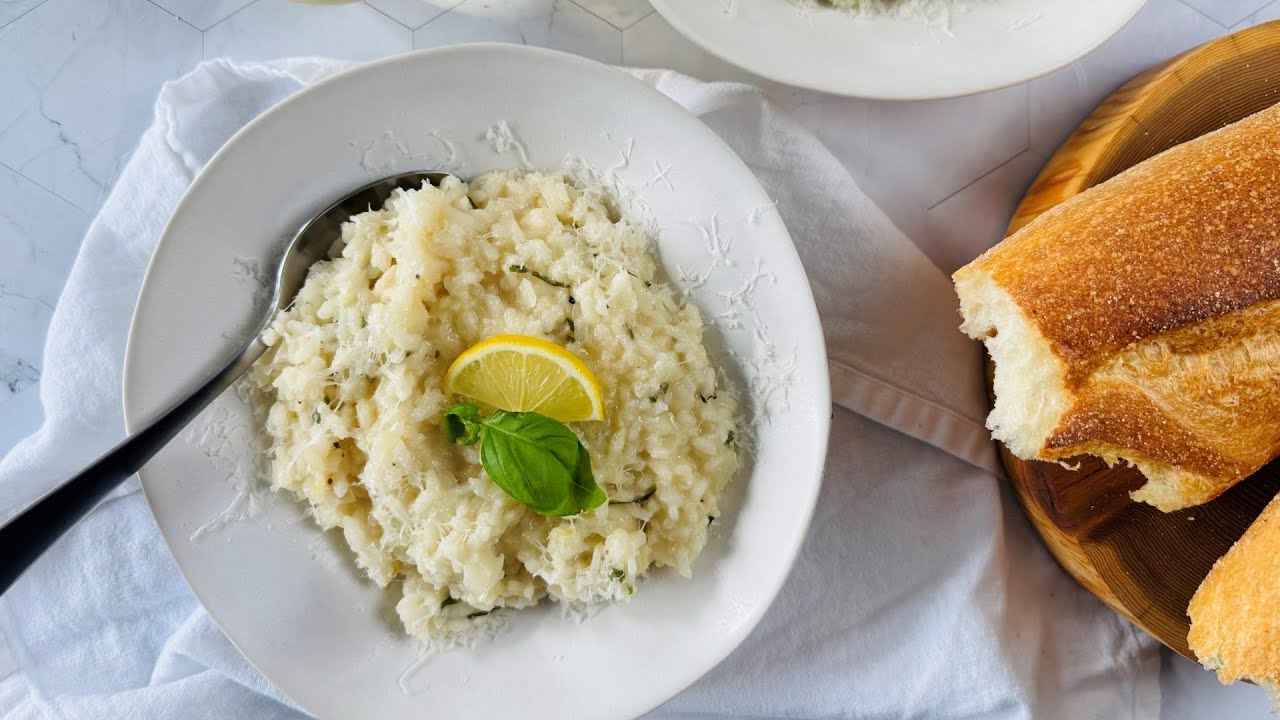
Lemon Risotto Recipe: Lemon risotto is one of the most elegant rice dishes we can make with simple pantry ingredients. It is rich, silky, bright, and deeply satisfying, with a balance of creamy arborio rice, fresh lemon zest, lemon juice, butter, Parmesan cheese, and warm stock. When prepared properly, this dish delivers a luxurious texture without feeling heavy. The citrus lifts every spoonful, making it ideal for lunch, dinner, or a refined side dish for fish, chicken, or roasted vegetables.
Unlike rushed rice dishes, a great lemon risotto recipe depends on steady cooking, proper stirring, and careful liquid absorption. The reward is a glossy, restaurant-style result with tender grains that still hold a slight bite. This guide covers everything needed to make the dish successfully from start to finish.
Why Lemon Risotto Stands Out
A well-made lemon risotto brings together comfort and freshness in one bowl. Traditional risotto is already known for its creamy texture, but lemon adds an extra layer of brightness that transforms the dish. The acidity cuts through the richness of the butter and cheese, while the zest adds fragrant citrus oils that deepen the flavor.
This is not a bland rice dish and not a heavy cream-based meal. The creaminess comes naturally from the starch in the rice. That is what gives risotto its signature body. When we combine that natural creaminess with fresh lemon, the result is clean, rich, and balanced.
Another reason this dish stands out is versatility. We can serve it as a main course, pair it with grilled shrimp, top it with seared salmon, or finish it with peas, spinach, or asparagus. It adapts easily while still keeping its elegant core flavor.
Ingredients You’ll Need
To make a flavorful and creamy lemon risotto recipe, we need quality ingredients. Every component matters because risotto relies on a short ingredient list and careful technique.
- 1 1/2 cups arborio rice
- 4 to 5 cups chicken stock or vegetable stock
- 2 tablespoons olive oil
- 2 tablespoons butter
- 1 small onion, finely chopped
- 2 to 3 garlic cloves, minced
- 1/2 cup dry white wine
- 1 large lemon, zested
- 2 to 3 tablespoons fresh lemon juice
- 3/4 cup freshly grated Parmesan cheese
- Salt, to taste
- Black pepper, to taste
- Extra butter, for finishing if desired
- Fresh parsley or basil, for garnish
Choosing the Best Rice for Lemon Risotto
The foundation of every good risotto is the rice. Arborio rice is the most common choice because it contains enough starch to create a creamy texture while staying tender. We can also use Carnaroli or Vialone Nano if available. These are excellent risotto varieties known for producing even more refined results.
Long-grain rice is not suitable for this dish. It does not release enough starch and will not create the signature creamy consistency. The right rice makes the difference between a proper risotto and an ordinary rice pot.
How to Prepare the Stock Properly
Before we begin cooking the rice, the stock should be heated in a separate pot. Warm stock blends into the rice more smoothly and keeps the cooking temperature steady. Cold stock slows everything down and can affect the final texture.
Whether we use vegetable stock or chicken stock, it should be flavorful but not too salty. Since Parmesan and butter are added at the end, the overall seasoning becomes richer as the dish develops. A balanced stock gives us better control.
Preparing the Aromatics
Start by placing a large skillet or heavy-bottomed pan over medium heat. Add the olive oil and 1 tablespoon of butter. Once warm, add the finely chopped onion and cook gently until soft and translucent. This usually takes about 4 to 5 minutes.
The onion should soften without browning. That mild sweetness creates the flavor base for the risotto. Add the minced garlic and stir for about 30 seconds, just until fragrant. Garlic should not burn, because burnt garlic can overpower the delicate lemon flavor.
Toasting the Rice for Better Flavor
Add the arborio rice to the pan and stir for 1 to 2 minutes. This step is important. Toasting the rice lightly coats the grains in oil and butter and helps them hold their shape during cooking.
The grains should look slightly glossy, and the edges may become lightly translucent. That is the sign the rice is ready for the next step. This quick toasting stage builds flavor and improves the final texture of the dish.
Adding the Wine
Pour in the dry white wine and stir continuously. The wine should sizzle as it hits the pan. Let it cook until it is mostly absorbed by the rice.
This stage adds depth and a light acidity that complements the lemon later. A dry white wine works best because it adds complexity without sweetness. The wine should support the dish, not dominate it.
Step-by-Step Guide to Cooking Lemon Risotto
Step 1: Add the Warm Stock Gradually
Once the wine has mostly absorbed, add one ladle of warm stock to the rice. Stir gently and consistently until the liquid is nearly absorbed. Then add another ladle.
Continue this process, one ladle at a time. This gradual addition is what encourages the rice to release starch slowly and form a creamy sauce around the grains. It also allows us to control the texture at every stage.
Step 2: Stir with Purpose
Risotto does not need frantic stirring, but it does need regular attention. Gentle stirring helps the starch release and prevents sticking. We should stir enough to keep the rice moving and creamy without crushing the grains.
After about 18 to 22 minutes, the rice should be tender with a slight firmness in the center. The consistency should be loose and creamy, not dry or stiff.
Step 3: Add Lemon Zest and Lemon Juice
When the rice is almost done, stir in the fresh lemon zest and lemon juice. Add the zest first, then the juice gradually so the flavor stays balanced.
The zest provides concentrated citrus aroma, while the juice adds freshness and brightness. Together they define the dish. The goal is a lively lemon flavor that enhances the risotto without making it sour.
Step 4: Finish with Butter and Parmesan
Turn off the heat and stir in the remaining butter and the grated Parmesan cheese. This finishing step is essential. It gives the risotto a glossy, velvety texture and deep savory flavor.
Taste and adjust with salt and black pepper. If the risotto becomes too thick, loosen it with a small splash of warm stock before serving. Proper risotto should spread gently on the plate, not sit in a stiff mound.
What the Perfect Lemon Risotto Texture Should Be
The best lemon risotto recipe is creamy, fluid, and rich without becoming heavy. Each grain of rice should remain distinct, yet surrounded by a silky sauce created from starch, butter, cheese, and stock.
If the risotto looks dry, it needs more warm stock. If it becomes too loose, it may need another minute or two over low heat. Timing matters, but texture matters more. The final dish should feel luxurious and light at the same time.
Common Mistakes to Avoid
One of the biggest mistakes is adding too much liquid at once. That turns the process into simple boiling and reduces the creamy finish that makes risotto special.
Another mistake is overcooking the rice. Risotto should not be mushy. It needs a slight bite in the center for the right balance.
Using bottled lemon juice instead of fresh lemon juice can also weaken the dish. Fresh lemon delivers brighter, cleaner flavor. The zest is equally important, so skipping it removes much of the citrus depth.
Too much cheese can also overwhelm the lemon. Parmesan should enrich the dish, not bury the freshness. Balance is the key to an excellent risotto.
Best Add-Ins for Lemon Risotto
While classic lemon risotto is beautiful on its own, several ingredients pair especially well with it.
Asparagus adds freshness and texture. Peas bring sweetness and color. Spinach folds in easily and adds a soft earthy note. Shrimp works well when we want a more refined seafood dish. Seared scallops or grilled salmon also pair beautifully with the lemon and Parmesan base.
For more herb flavor, parsley, chives, or basil can be added just before serving. These additions should complement the lemon, not compete with it.
Serving Suggestions for Lemon Risotto
This dish is best served immediately after cooking. Risotto continues to thicken as it sits, so it should go from pan to plate while still creamy and glossy.
As a main course, it pairs well with a simple green salad, roasted vegetables, or sautéed mushrooms. As a side dish, it complements roasted chicken, baked fish, grilled prawns, or pan-seared white fish.
For a more elegant finish, garnish with extra Parmesan cheese, a little more lemon zest, cracked black pepper, and chopped fresh parsley. A final drizzle of olive oil can also add sheen and depth.
How to Store and Reheat Lemon Risotto
If leftovers remain, store them in an airtight container in the refrigerator for up to 2 days. The texture will thicken as it cools, which is normal.
To reheat, place the risotto in a pan over low heat with a splash of stock or water. Stir gently until warmed through and creamy again. Avoid overheating, as that can make the rice too soft.
Leftover lemon risotto can also be shaped into small patties, coated lightly, and pan-fried into crisp rice cakes. That creates a completely different texture while keeping the lemon-Parmesan flavor intact.
Why This Lemon Risotto Recipe Works
This lemon risotto recipe succeeds because it respects the essentials. The rice is toasted properly, the stock is added gradually, the lemon is added at the right stage, and the butter and Parmesan are used to finish the dish with richness and shine.
The flavor is layered, not flat. The onion and garlic build the base. The wine adds depth. The stock carries savory warmth. The lemon lifts the dish. The cheese and butter bring everything together.
The result is a dish that feels polished and comforting at the same time. It is simple in ingredients yet sophisticated in texture and flavor.
FAQs about Lemon Risotto Recipe
1. What is lemon risotto?
Lemon risotto is a creamy Italian-style rice dish made with Arborio rice, broth, and fresh lemon. It has a rich texture with a bright, refreshing citrus flavor.
2. What ingredients are used in a lemon risotto recipe?
A typical recipe includes Arborio rice, onion or shallots, butter, olive oil, broth, parmesan cheese, lemon juice, and lemon zest. Some recipes also add garlic or fresh herbs.
3. Why is Arborio rice used for risotto?
Arborio rice is ideal because it releases starch as it cooks, which gives risotto its signature creamy texture.
4. Can I use bottled lemon juice?
Fresh lemon juice is best because it gives the risotto a brighter and more natural flavor. Fresh zest also adds extra lemon aroma.
5. Do I need to stir risotto constantly?
You should stir it often, but not every second. Regular stirring helps release the rice’s starch and creates a creamy consistency.
6. What can I serve with lemon risotto?
It pairs well with grilled chicken, shrimp, salmon, scallops, or roasted vegetables. It can be served as a main dish or a side.
7. How do I store leftover lemon risotto?
Store leftovers in an airtight container in the refrigerator for up to 3 days. Reheat gently with a little broth or water to bring back its creamy texture.
Final Thoughts
A truly memorable lemon risotto does not depend on complicated techniques or rare ingredients. It depends on attention, balance, and timing. When we use quality rice, warm stock, fresh lemon, and patient stirring, we create a dish that is creamy, vibrant, and deeply satisfying.
This is the kind of recipe worth repeating because it fits so many occasions. It is elegant enough for guests, easy enough for a calm evening meal, and flexible enough to pair with vegetables, seafood, or poultry. With the right method, every spoonful delivers the bright freshness of lemon and the smooth comfort of perfectly cooked risotto.
That combination is what makes lemon risotto timeless, refined, and always worth serving.