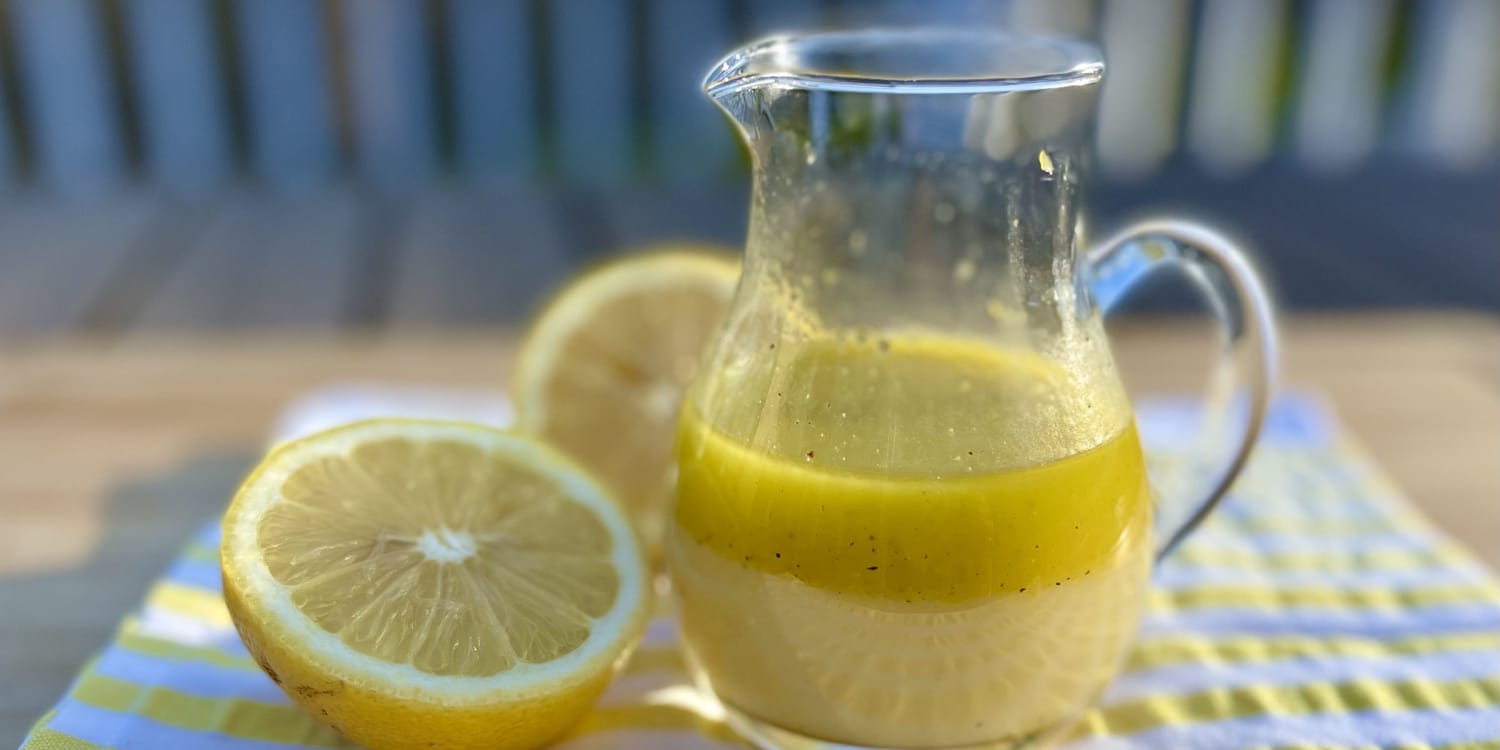
A lemon vinaigrette recipe is one of the most useful staples we can keep in our kitchen. It is light, fresh, tangy, and versatile, making it perfect for salads, roasted vegetables, grain bowls, grilled chicken, seafood, and even marinades. When made properly, lemon vinaigrette delivers a clean citrus flavor balanced with richness from olive oil and depth from carefully selected seasonings.
The beauty of a homemade lemon vinaigrette lies in its simplicity. With only a handful of ingredients, we can create a dressing that tastes far better than most bottled options. It is fresher, more vibrant, and easier to customize to match the exact flavor we want. Whether we prefer it slightly sweet, boldly acidic, or creamy and smooth, this dressing can be adjusted in minutes.
This guide covers everything needed to make a balanced, flavorful, and reliable homemade lemon vinaigrette recipe from scratch. From choosing the right lemons and olive oil to whisking the dressing into a silky emulsion, every step matters. Once mastered, this recipe becomes a go-to condiment that elevates everyday meals with almost no effort.
Ingredients You’ll Need for Lemon Vinaigrette
To make a classic and flavorful lemon vinaigrette dressing, we need a few fresh pantry staples. Each ingredient plays a specific role in building the right balance of acidity, richness, and seasoning.
Core Ingredients
- 1/4 cup fresh lemon juice
- 1/2 cup extra virgin olive oil
- 1 teaspoon Dijon mustard
- 1 teaspoon honey or maple syrup
- 1 small garlic clove, finely minced or grated
- 1/2 teaspoon salt
- 1/4 teaspoon black pepper
Optional Flavor Boosters
- 1/2 teaspoon lemon zest
- 1 teaspoon finely chopped shallot
- 1 tablespoon grated Parmesan
- 1/2 teaspoon dried oregano
- 1 tablespoon fresh chopped parsley
- A pinch of red pepper flakes
These simple ingredients come together to create a dressing that is zesty, smooth, balanced, and deeply refreshing.
How to Choose the Best Ingredients for Lemon Vinaigrette
A great lemon vinaigrette recipe starts with ingredient quality. Because the dressing contains very few components, each one must contribute clean, bright flavor.
Fresh Lemon Juice
Freshly squeezed lemon juice is essential. Bottled lemon juice often tastes flat or overly sharp. Fresh lemons provide a more vibrant citrus flavor with subtle sweetness that gives the vinaigrette its signature brightness.
Extra Virgin Olive Oil
A good extra virgin olive oil gives the dressing body and richness. It softens the acidity of the lemon and helps create that smooth, silky mouthfeel. Choose an oil with a clean, fruity profile rather than one that is too bitter.
Dijon Mustard
Dijon mustard adds a slight tang and helps emulsify the dressing. This means it helps the lemon juice and oil stay blended longer instead of separating quickly.
Honey or Maple Syrup
A small amount of sweetness rounds out the acidity. It does not make the dressing sweet. It simply creates balance and helps the lemon flavor taste more complete.
Garlic
Fresh garlic gives the vinaigrette a savory edge. Use it sparingly so it enhances rather than overwhelms the citrus.
Step-by-Step Guide to Making Lemon Vinaigrette
Step 1 – Juice the Lemons
Roll the lemons on the counter before cutting them. This helps release more juice. Slice them in half and squeeze until we have 1/4 cup fresh lemon juice. Remove the seeds for a smooth dressing.
For extra citrus flavor, grate a little lemon zest before juicing. The zest contains fragrant oils that intensify the vinaigrette beautifully.
Step 2 – Prepare the Flavor Base
In a small bowl or jar, add the fresh lemon juice, Dijon mustard, honey, minced garlic, salt, and black pepper. Whisk these ingredients together until fully combined.
This base creates the flavor foundation of the dressing. Mixing it first ensures the seasonings dissolve evenly before the oil is added.
Step 3 – Slowly Add the Olive Oil
While whisking continuously, slowly drizzle in the extra virgin olive oil. This gradual process helps create an emulsion, which gives the vinaigrette a smoother, slightly thickened texture.
If using a jar, add the oil, secure the lid tightly, and shake vigorously for 20 to 30 seconds until the dressing looks creamy and well blended.
Step 4 – Taste and Adjust
Taste the vinaigrette immediately. If it feels too sharp, add a little more olive oil or a few drops of honey. If it tastes too mild, add a bit more lemon juice or a small pinch of salt.
This final tasting step is what transforms a basic dressing into an excellent one. The best lemon vinaigrette dressing recipe should taste balanced, lively, and clean.
Step 5 – Rest Before Serving
Let the vinaigrette sit for about 5 to 10 minutes before serving. This brief resting time allows the garlic, mustard, lemon, and oil to meld together into a more cohesive dressing.
Why This Lemon Vinaigrette Recipe Works So Well
This lemon vinaigrette recipe works because it follows the classic balance of acid, fat, seasoning, and sweetness. The lemon juice provides brightness, the olive oil adds richness, the mustard supports texture, and the honey softens the sharp edges.
The result is a dressing that tastes fresh without being harsh, savory without being heavy, and simple without feeling plain. It pairs easily with many dishes because it enhances ingredients rather than masking them.
Another reason it works so well is flexibility. Once the base is right, we can build on it with herbs, cheese, spices, or aromatics depending on the meal.
Best Ways to Use Lemon Vinaigrette
A great homemade lemon vinaigrette is far more than a salad dressing. It is a multipurpose kitchen staple that instantly adds brightness to meals.
On Green Salads
Toss it with romaine, arugula, spinach, mixed greens, kale, or butter lettuce. It pairs especially well with salads that include avocado, cucumbers, tomatoes, nuts, or crumbled cheese.
On Roasted Vegetables
Drizzle it over roasted broccoli, asparagus, Brussels sprouts, carrots, cauliflower, or zucchini. The acidity cuts through the sweetness and richness of roasted vegetables.
On Grain Bowls
Use it to finish quinoa bowls, couscous salads, rice bowls, or farro dishes. Lemon vinaigrette adds freshness and keeps grain-based dishes from tasting heavy.
As a Marinade
This dressing can also work as a light marinade for chicken, shrimp, salmon, or tofu. The lemon and oil combination helps tenderize and flavor proteins beautifully.
Over Pasta Salad
A chilled pasta salad becomes more vibrant with a bright lemon vinaigrette dressing instead of a heavier creamy dressing.
Easy Variations of Lemon Vinaigrette
One of the best things about this recipe is how easy it is to adapt.
Creamy Lemon Vinaigrette
Add 1 tablespoon Greek yogurt or a spoonful of mayonnaise for a creamier texture that still feels light and fresh.
Herb Lemon Vinaigrette
Mix in fresh parsley, dill, basil, thyme, or chives to create a more aromatic dressing for spring and summer dishes.
Garlic Lemon Vinaigrette
Increase the garlic slightly for a bolder flavor that pairs well with roasted potatoes, grilled chicken, or hearty greens.
Sweet Lemon Vinaigrette
Use a little more honey when serving the dressing with bitter greens like kale or arugula.
Mediterranean Lemon Vinaigrette
Add oregano, shallot, and a touch of Parmesan or crumbled feta for a more savory Mediterranean-style version.
Common Mistakes to Avoid When Making Lemon Vinaigrette
Even a simple dressing can go wrong if the balance is off. Avoid these mistakes for the best results.
Using Bottled Lemon Juice
Fresh lemon juice tastes brighter and cleaner. Bottled juice can make the dressing taste dull or artificial.
Adding the Oil Too Fast
If the olive oil is poured in all at once, the vinaigrette may separate quickly. A slow drizzle while whisking creates a better texture.
Skipping the Mustard
Dijon mustard does more than add flavor. It helps the dressing emulsify, making it smoother and more cohesive.
Underseasoning
Salt is essential in a vinaigrette. Without enough salt, even fresh lemon juice and olive oil can taste flat.
Overpowering the Dressing with Garlic
Too much raw garlic can dominate the dressing. Start with a small amount and adjust carefully.
How to Store Homemade Lemon Vinaigrette
Store the vinaigrette in a tightly sealed jar or container in the refrigerator. It usually keeps well for up to 5 to 7 days. Because olive oil can firm up when chilled, let the dressing sit at room temperature for a few minutes before serving. Then shake or whisk it again until smooth.
This makes it an ideal make-ahead dressing for meal prep. We can prepare it once and use it throughout the week for salads, vegetables, and quick lunches.
What to Serve with Lemon Vinaigrette
This bright and citrusy dressing pairs beautifully with many meals. It works especially well with:
- Mixed green salads
- Grilled chicken
- Baked salmon
- Shrimp bowls
- Roasted asparagus
- Quinoa salads
- Chickpea salads
- Cucumber and tomato salads
- Avocado toast salads
- Mediterranean platters
Its clean flavor makes it especially effective when a dish needs freshness without extra heaviness.
Tips for the Best Lemon Vinaigrette Every Time
For consistently delicious results, keep these simple techniques in mind:
Use fresh lemons every time. Taste before serving. Adjust the salt carefully. Whisk or shake thoroughly for a smooth texture. Let the dressing rest briefly so the flavors settle. Keep the ratio balanced so neither the acid nor the oil dominates.
A reliable lemon vinaigrette recipe should taste bright but not aggressive, rich but not greasy, and simple but not bland.
FAQs about Lemon Vinaigrette Recipe
1. What is lemon vinaigrette?
Lemon vinaigrette is a light, fresh salad dressing made with lemon juice, oil, and simple seasonings. It has a bright, tangy flavor that works well with salads, vegetables, and grilled dishes.
2. What ingredients are used in a lemon vinaigrette recipe?
A basic recipe usually includes fresh lemon juice, olive oil, salt, and black pepper. Many versions also add garlic, Dijon mustard, honey, or herbs for extra flavor.
3. What is the best oil for lemon vinaigrette?
Olive oil is the most common choice because it adds a rich, smooth taste. You can also use other mild oils if you want a lighter flavor.
4. How do I keep lemon vinaigrette from separating?
Whisk the ingredients well or shake them in a jar. Adding Dijon mustard or a little honey can help emulsify the dressing and keep it blended longer.
5. Can I use bottled lemon juice?
Fresh lemon juice is best because it gives the vinaigrette a brighter and cleaner flavor. Bottled juice can work, but it may taste less fresh.
6. What can I use lemon vinaigrette on?
You can use it on green salads, grain bowls, roasted vegetables, pasta salads, or as a light marinade for chicken or fish.
7. How long does homemade lemon vinaigrette last?
Homemade lemon vinaigrette can usually be stored in an airtight container in the refrigerator for about 5 to 7 days. Shake or stir before using.
Final Thoughts
This lemon vinaigrette recipe is a kitchen essential because it is quick, fresh, elegant, and incredibly versatile. It takes only minutes to prepare, yet it adds restaurant-quality flavor to everyday meals. With its bright lemon juice, smooth olive oil, subtle sweetness, and gentle seasoning, it delivers a crisp finish that complements everything from salads to proteins to roasted vegetables.
Once we begin making homemade lemon vinaigrette, it becomes difficult to return to bottled dressing. The freshness is better, the texture is better, and the flavor is far more adaptable. Whether we want a simple salad dressing or a vibrant finishing touch for a complete meal, this recipe delivers dependable results every time.
A well-made lemon vinaigrette dressing proves that the simplest recipes are often the most valuable. Fresh ingredients, proper balance, and a few easy steps are all it takes to create a dressing that brings brightness and flavor to the table.