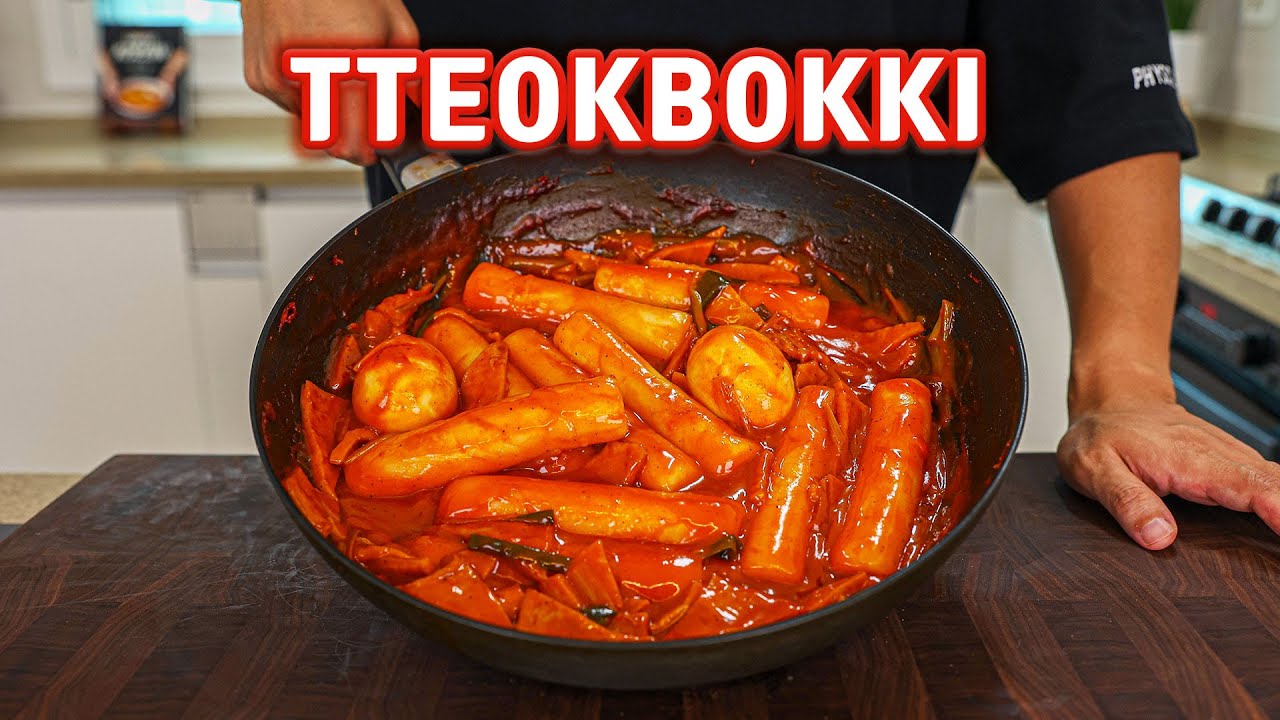
Tteokbokki Sauce Recipe: Tteokbokki sauce is the bold, spicy, slightly sweet, deeply savory Korean sauce that gives classic Korean rice cakes their unforgettable flavor. It is rich, glossy, comforting, and perfectly balanced with heat, sweetness, umami, and a smooth chili depth. When prepared properly, this sauce coats every piece of chewy rice cake beautifully, creating the famous street-food-style Korean tteokbokki that is loved across the world.
This tteokbokki sauce recipe is designed to help us make a flavorful, restaurant-quality sauce at home using simple Korean pantry ingredients. The sauce can be used for traditional tteokbokki, cheese tteokbokki, ramen tteokbokki, seafood tteokbokki, rose tteokbokki, or even as a spicy Korean dipping sauce for fried snacks, dumplings, fish cakes, noodles, and vegetables.
The secret to a perfect sauce is balance. Gochujang brings fermented chili richness, gochugaru adds clean pepper heat and color, soy sauce deepens the savory flavor, sugar softens the spice, garlic gives aroma, and anchovy or kelp broth creates the authentic Korean street-food taste. When simmered together, these ingredients form a thick, bright red sauce that tastes spicy, sweet, salty, and satisfying.
Ingredients You’ll Need for Tteokbokki Sauce
To make a rich and flavorful homemade tteokbokki sauce, we need the right combination of Korean condiments, aromatics, and seasonings.
Main Sauce Ingredients
- 3 tablespoons gochujang
- 1 tablespoon gochugaru
- 1 tablespoon soy sauce
- 1 tablespoon sugar
- 1 tablespoon corn syrup or honey
- 2 teaspoons minced garlic
- 1 teaspoon sesame oil
- 1½ cups anchovy broth, kelp broth, or water
- ½ teaspoon black pepper
- 1 teaspoon rice vinegar, optional
- 1 teaspoon fish sauce, optional
- 1 teaspoon sesame seeds, for garnish
- 1 chopped green onion, for garnish
Optional Ingredients for Deeper Flavor
- ½ teaspoon Korean beef stock powder for a richer taste
- 1 teaspoon oyster sauce for extra umami
- ½ teaspoon doenjang for deeper fermented flavor
- 1 tablespoon ketchup for a milder, sweeter street-food-style sauce
- ¼ cup heavy cream or milk for rose tteokbokki sauce
- ½ cup shredded mozzarella cheese for cheese tteokbokki
Best Gochujang for Tteokbokki Sauce
The most important ingredient in any tteokbokki sauce recipe is gochujang, a Korean fermented red chili paste made from chili powder, glutinous rice, fermented soybean powder, and salt. It gives the sauce its signature red color, thick texture, mild sweetness, and deep savory flavor.
For the best result, we should use a smooth, medium-spicy gochujang. Very spicy gochujang can overpower the sauce, while mild gochujang may need extra gochugaru for stronger heat. A good gochujang should taste slightly sweet, salty, spicy, and fermented without being too sharp.
Why Gochugaru Matters in Tteokbokki Sauce
Gochugaru is Korean red pepper flakes or powder. It gives tteokbokki sauce a brighter red color and a cleaner chili flavor than gochujang alone. While gochujang provides body and fermented depth, gochugaru adds direct heat and pepper aroma.
For a smooth sauce, we can use fine gochugaru. For a more rustic street-food texture, medium flakes work well. The amount can be adjusted depending on spice preference. One tablespoon gives a balanced heat, while two tablespoons make the sauce noticeably spicier.
How to Make Tteokbokki Sauce Step by Step
Step 1: Prepare the Broth Base
Start by preparing 1½ cups of anchovy broth, kelp broth, or water. For the most authentic flavor, anchovy-kelp broth is the best choice. It creates a savory base that makes the sauce taste deeper and more traditional.
To make a simple broth, simmer dried anchovies and dried kelp in water for about 10 minutes, then remove them before adding the sauce ingredients. We can also use plain water when we want a faster version, but broth gives the sauce a stronger Korean street-food taste.
Step 2: Mix the Chili Paste and Seasonings
In a small bowl, combine gochujang, gochugaru, soy sauce, sugar, corn syrup or honey, minced garlic, black pepper, and optional fish sauce. Stir everything together until it becomes a thick red paste.
Mixing the sauce first helps the ingredients dissolve evenly once they enter the hot broth. It also prevents clumps of gochujang from sitting at the bottom of the pan.
Step 3: Heat the Broth
Pour the broth into a wide pan or shallow pot and bring it to a gentle simmer over medium heat. The pan should be wide enough to allow the sauce to reduce slightly and coat the rice cakes evenly.
Once the broth begins to simmer, lower the heat slightly so the sauce does not burn after the chili paste is added.
Step 4: Add the Tteokbokki Sauce Paste
Add the prepared sauce paste into the simmering broth. Stir slowly until the paste fully dissolves. The liquid will turn deep red and begin to smell spicy, garlicky, and savory.
At this stage, taste the sauce carefully. If it needs more sweetness, add a little more sugar or corn syrup. If it needs more saltiness, add a small amount of soy sauce. If it needs more heat, add extra gochugaru.
Step 5: Simmer Until Glossy
Let the sauce simmer for 5 to 8 minutes until it becomes slightly thicker and glossy. Stir often so it does not stick to the pan. The sauce should look smooth, rich, and bright red.
The longer it simmers, the stronger and thicker it becomes. For rice cakes, we want the sauce thick enough to coat but not so thick that it becomes dry.
Step 6: Finish with Sesame Oil
Turn the heat to low and add 1 teaspoon sesame oil. Stir it in at the end so the nutty aroma stays fresh. Sesame oil gives the sauce a warm, rounded finish and makes it taste more complete.
Finish with chopped green onions and sesame seeds when serving.
How to Use Tteokbokki Sauce with Rice Cakes
To make classic tteokbokki, add Korean rice cakes directly into the simmering sauce. Fresh rice cakes can go in immediately, while refrigerated or frozen rice cakes should be soaked in warm water first until softened.
Simmer the rice cakes in the sauce for 8 to 12 minutes, stirring frequently. As the rice cakes cook, they release starch, which naturally thickens the sauce. The result is a chewy, spicy, glossy dish with sauce clinging to every piece.
For a fuller meal, add Korean fish cakes, boiled eggs, cabbage, green onions, ramen noodles, dumplings, or cheese.
How to Make Mild Tteokbokki Sauce
For a milder version, reduce the gochugaru to ½ tablespoon and use a mild gochujang. Add one extra teaspoon of sugar or honey to soften the spice. A small splash of milk or cream can also make the sauce smoother and less spicy.
Mild tteokbokki sauce is perfect when serving children, spice-sensitive guests, or anyone who prefers a sweet and savory sauce with gentle heat.
How to Make Spicy Tteokbokki Sauce
For a hotter version, increase the gochugaru to 2 tablespoons and add a pinch of cayenne pepper or extra hot Korean chili powder. We can also reduce the sugar slightly if we want a sharper chili taste.
Spicy tteokbokki sauce should still remain balanced. Too much chili without enough sweetness or umami can make the sauce taste flat, so we should keep enough gochujang, soy sauce, garlic, and broth in the recipe.
How to Make Rose Tteokbokki Sauce
Rose tteokbokki sauce is a creamy version of the classic spicy sauce. To make it, prepare the original sauce, then add ¼ to ½ cup heavy cream, milk, or evaporated milk after the sauce begins to simmer.
The cream softens the heat and creates a rich, silky texture. Rose tteokbokki is especially delicious with bacon, sausage, mushrooms, ramen noodles, and mozzarella cheese.
How to Make Cheese Tteokbokki Sauce
For cheese tteokbokki, prepare the sauce as usual and simmer it with the rice cakes until thick. Then add shredded mozzarella cheese over the top, cover the pan, and let the cheese melt.
The spicy-sweet sauce pairs beautifully with stretchy melted cheese. This version is richer, creamier, and very popular for Korean comfort food.
Tteokbokki Sauce Without Gochujang
Although gochujang gives tteokbokki its authentic taste, we can make a substitute sauce when it is not available. Mix red chili powder, miso paste, soy sauce, sugar, garlic, and a little tomato paste to create a similar spicy-sweet base.
The flavor will not be exactly the same, but it can still make a tasty Korean-inspired sauce. For the closest result, use a fermented soybean paste or miso to recreate the savory depth of gochujang.
Tteokbokki Sauce Without Anchovy Broth
Anchovy broth gives traditional tteokbokki sauce a strong umami flavor, but it is not required. We can use plain water, vegetable broth, chicken broth, kelp broth, or mushroom broth.
For a vegetarian version, kelp and dried shiitake mushroom broth works very well. It gives the sauce a clean savory base without seafood.
How to Thicken Tteokbokki Sauce
Tteokbokki sauce thickens naturally as it simmers, especially when rice cakes are added. The starch from the rice cakes helps the sauce become glossy and sticky.
To thicken the sauce faster, simmer it uncovered for a few extra minutes. Avoid adding too much cornstarch because it can make the sauce too heavy or cloudy. A good tteokbokki sauce should be thick, smooth, and pourable, not gluey.
How to Fix Tteokbokki Sauce That Is Too Spicy
If the sauce is too spicy, add more sugar, honey, corn syrup, cream, cheese, or broth. Sweetness and dairy help reduce the sharpness of the chili. Adding more rice cakes, noodles, boiled eggs, or vegetables can also spread the spice across more ingredients.
A small splash of sesame oil can also round out the heat and make the sauce taste smoother.
How to Fix Tteokbokki Sauce That Is Too Sweet
If the sauce is too sweet, add more soy sauce, gochugaru, garlic, or broth. A small amount of rice vinegar can also balance excess sweetness with gentle acidity.
Avoid adding too much salt at once. Add seasonings little by little and taste as the sauce simmers.
How to Store Tteokbokki Sauce
Homemade tteokbokki sauce can be stored in an airtight container in the refrigerator for up to 5 days. Let the sauce cool completely before storing it.
For longer storage, freeze the sauce in small portions for up to 2 months. When ready to use, thaw it in the refrigerator and reheat it gently in a pan. Add a splash of water or broth if the sauce becomes too thick.
Can We Make Tteokbokki Sauce Ahead of Time?
Yes, tteokbokki sauce is excellent for meal prep. We can prepare the sauce ahead and store it separately from the rice cakes. This keeps the rice cakes from becoming too soft or swollen.
When ready to cook, simply heat the sauce in a pan, add rice cakes, and simmer until everything is hot, chewy, and well coated.
Best Foods to Serve with Tteokbokki Sauce
Tteokbokki sauce is versatile and can be served with many ingredients beyond rice cakes. It works beautifully with ramen noodles, udon noodles, fish cakes, boiled eggs, dumplings, fried chicken, fried seaweed rolls, vegetables, sausages, tofu, and cheese.
It can also be used as a dipping sauce for Korean street snacks or as a spicy glaze for stir-fried dishes.
Expert Tips for the Best Tteokbokki Sauce
Use good-quality gochujang because it controls the main flavor of the sauce. Always balance spice with sweetness so the sauce tastes rich instead of harsh. Simmer the sauce long enough for the garlic and chili flavors to blend properly. Add sesame oil at the end, not at the beginning, to preserve its aroma.
For the most authentic flavor, use anchovy-kelp broth. For a vegetarian version, use kelp and mushroom broth. For a creamy version, add milk or cream after the sauce has already developed its spicy base.
Common Mistakes to Avoid
Do not cook the sauce on very high heat because gochujang can burn and turn bitter. Do not add too much gochugaru at once unless a very spicy sauce is desired. Do not skip sweetness completely, because sugar or syrup is important for balancing the fermented chili paste.
Avoid using too much water if we want a thick street-food-style sauce. The sauce should reduce slowly until it becomes glossy and coats the rice cakes well.
Tteokbokki Sauce Recipe Card
Ingredients
- 3 tablespoons gochujang
- 1 tablespoon gochugaru
- 1 tablespoon soy sauce
- 1 tablespoon sugar
- 1 tablespoon corn syrup or honey
- 2 teaspoons minced garlic
- 1 teaspoon sesame oil
- 1½ cups anchovy broth, kelp broth, or water
- ½ teaspoon black pepper
- 1 teaspoon fish sauce, optional
- Green onions and sesame seeds, for garnish
Instructions
- Add gochujang, gochugaru, soy sauce, sugar, corn syrup, garlic, black pepper, and optional fish sauce to a bowl.
- Mix until a smooth red paste forms.
- Heat anchovy broth, kelp broth, or water in a wide pan.
- Add the sauce paste and stir until fully dissolved.
- Simmer for 5 to 8 minutes until the sauce becomes glossy.
- Add sesame oil and stir gently.
- Use immediately with rice cakes, noodles, fish cakes, eggs, or vegetables.
- Garnish with green onions and sesame seeds before serving.
FAQs about Tteokbokki Sauce Recipe
1. What is tteokbokki sauce made of?
Tteokbokki sauce is usually made with gochujang, gochugaru, soy sauce, sugar, garlic, and broth or water. These ingredients create a spicy, slightly sweet, savory sauce that coats the rice cakes beautifully.
2. Can we make tteokbokki sauce without gochujang?
Yes, but the flavor will not be fully traditional. If we do not have gochujang, we can mix chili powder, soy sauce, sugar, garlic, and a little ketchup or miso paste to create a similar spicy-sweet taste.
3. How do we make tteokbokki sauce thicker?
To thicken tteokbokki sauce, we should simmer it for a few minutes until the liquid reduces. The starch from the rice cakes also helps the sauce become thicker and glossy as it cooks.
4. Is tteokbokki sauce very spicy?
Tteokbokki sauce is usually medium to spicy, depending on the amount of gochujang and gochugaru used. For a milder version, we can reduce the chili ingredients and add more sugar or broth.
5. Can tteokbokki sauce be stored?
Yes. We can store tteokbokki sauce in an airtight container in the refrigerator for up to 3–5 days. When ready to use, we should reheat it gently and add a little water or broth if it becomes too thick.
Conclusion
A perfect tteokbokki sauce recipe should be spicy, sweet, savory, glossy, and deeply satisfying. With gochujang, gochugaru, soy sauce, garlic, broth, and a touch of sweetness, we can create an authentic Korean-style sauce that works beautifully with rice cakes, noodles, fish cakes, eggs, cheese, and vegetables. Whether we prefer classic spicy tteokbokki, creamy rose tteokbokki, or cheesy tteokbokki, this homemade sauce gives us a rich and reliable base every time.