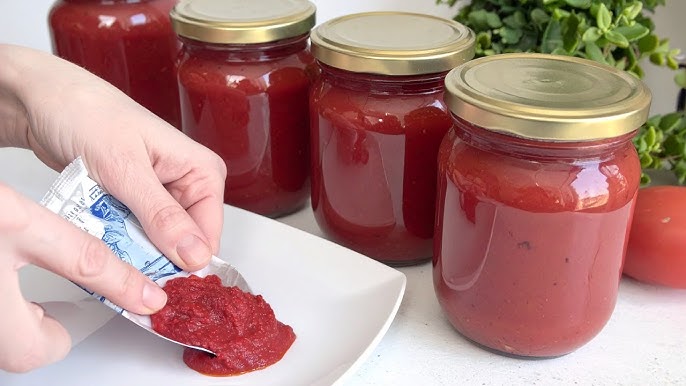
Tomato Concentrate Recipe: Tomato concentrate is one of the most useful kitchen staples we can prepare at home. It is rich, thick, deeply flavorful, and perfect for soups, stews, sauces, jollof rice, pasta dishes, marinades, gravies, and everyday cooking. Instead of relying only on store-bought tomato paste, we can make a fresh and natural version using ripe tomatoes, simple seasonings, and a slow cooking process that brings out the bold taste of tomatoes.
When we prepare homemade tomato concentrate, we control the flavor, texture, salt level, and freshness. The result is a thick tomato base with a stronger taste than regular blended tomatoes. It saves cooking time, reduces waste, and helps us preserve tomatoes when they are in season or available in large quantity.
This step-by-step tomato concentrate recipe shows us how to turn fresh tomatoes into a smooth, thick, and richly colored concentrate that can be stored and used whenever we need intense tomato flavor.
Ingredients You’ll Need for Tomato Concentrate
To make a rich and flavorful tomato concentrate recipe, we need fresh, ripe tomatoes and a few optional ingredients to improve taste and preservation.
Main Ingredients
- 3 kg fresh ripe tomatoes
- 1 teaspoon salt, or to taste
- 2 tablespoons olive oil or vegetable oil
- 1 teaspoon sugar, optional, to balance acidity
- 1 small onion, optional
- 2 cloves garlic, optional
- 1 small red bell pepper, optional, for deeper color and sweetness
- 1 teaspoon lemon juice or vinegar, optional, for preservation
Best Tomatoes to Use
For the best homemade tomato concentrate, we should use fleshy tomatoes with low water content. Roma tomatoes, plum tomatoes, or any firm red tomatoes work very well because they contain more pulp and less liquid. Very watery tomatoes can still be used, but they will take longer to reduce into a thick paste.
We should choose tomatoes that are fully ripe, bright red, and free from mold or rotten spots. Overripe tomatoes can be used if they are still fresh and not spoiled. The deeper the natural tomato color, the richer the final concentrate will look.
How to Prepare Tomatoes for Concentrate
Before cooking, we need to wash the tomatoes properly. Place the tomatoes in a large bowl of clean water and rinse them well to remove dirt, dust, and impurities. Remove the stems and cut away any bad parts.
Next, cut the tomatoes into halves or quarters. This makes blending easier and helps them cook faster. If we want a smoother concentrate, we can remove the seeds before blending, but this step is optional. The seeds do not spoil the recipe, especially when everything is blended and strained.
If we are using onion, garlic, or red bell pepper, we should wash and chop them as well. These ingredients add extra flavor, but the recipe can still be made with tomatoes alone.
Step-by-Step Guide to Making Tomato Concentrate
Step 1: Wash and Cut the Tomatoes
We begin by washing the tomatoes thoroughly under clean running water. After washing, we cut them into smaller pieces. This helps the tomatoes blend smoothly and reduces the strain on the blender.
If the tomatoes are very large, we cut them into quarters. If they are small plum tomatoes, cutting them in half is enough. We should remove any green stems or damaged parts before blending.
Step 2: Blend the Tomatoes Smoothly
Place the chopped tomatoes into a blender. Add the onion, garlic, and red bell pepper if using. Blend until smooth. We should avoid adding too much water because tomatoes already contain natural juice. Adding too much water will increase the cooking time.
If the blender needs liquid to move properly, we can add a very small amount of water. The goal is to create a thick tomato puree, not a watery mixture.
For a very smooth tomato concentrate, we can strain the blended tomatoes through a fine sieve to remove seeds and skin. This step gives the final paste a cleaner, silkier texture. However, if we prefer a rustic homemade texture, we can cook it directly after blending.
Step 3: Pour the Tomato Puree into a Pot
After blending, pour the tomato puree into a large heavy-bottomed pot. A wide pot is better because it allows water to evaporate faster. The wider the surface area, the quicker the tomatoes reduce.
We should use a pot that is deep enough to prevent splashing. Tomato puree can bubble as it thickens, so a deep pot helps keep the cooking area clean and safe.
Step 4: Cook the Tomato Puree on Medium Heat
Place the pot on medium heat and allow the tomato puree to begin boiling. Stir occasionally to prevent it from sticking to the bottom. At this stage, the mixture will look loose and watery because fresh tomatoes contain a lot of liquid.
As the puree cooks, steam will rise and the water content will begin to reduce. We should continue cooking patiently until the mixture starts to thicken.
Step 5: Reduce the Heat and Stir Regularly
Once the tomato puree has boiled for some time, reduce the heat to low or medium-low. This helps prevent burning and allows the tomato flavor to deepen slowly.
Stir the mixture every few minutes, especially when it begins to thicken. The thicker the tomato becomes, the easier it is for it to stick to the pot. We should scrape the bottom and sides of the pot while stirring so the concentrate cooks evenly.
This stage is very important because tomato concentrate gets its rich taste from slow reduction. The water evaporates, the natural sweetness becomes stronger, and the tomato flavor becomes more intense.
Step 6: Add Salt, Oil, and Optional Sugar
When the tomato puree has reduced by about half, add salt and oil. The oil gives the concentrate a glossy texture and helps improve its shelf life. It also helps reduce the sharp raw tomato taste.
If the tomatoes taste too acidic, we can add a small amount of sugar. Sugar is optional, but it helps balance the sourness of some tomato varieties. We should not add too much because tomato concentrate should remain savory.
At this point, we can also add lemon juice or vinegar if we plan to store the concentrate for a longer period. This adds mild acidity and helps preservation.
Step 7: Continue Cooking Until Thick
Keep cooking the tomato mixture until it becomes very thick. The final texture should be similar to tomato paste. It should not be watery, and when we stir it, it should hold its shape for a few seconds before settling.
The cooking time depends on the type of tomatoes used and the amount of water they contain. Fleshy tomatoes may take less time, while watery tomatoes may take longer. We should focus on the texture rather than the time.
The concentrate is ready when the color becomes deep red, the flavor tastes bold, and most of the liquid has evaporated.
Step 8: Cool the Tomato Concentrate
Once the tomato concentrate is thick enough, remove the pot from the heat and allow it to cool completely. Cooling is important before storing because hot tomato paste can create steam inside a container, which may lead to moisture buildup.
We should let it sit uncovered or lightly covered until it reaches room temperature. Stir once or twice while cooling to release trapped heat.
Step 9: Store in Clean Jars or Containers
Transfer the cooled tomato concentrate into clean, dry jars or airtight containers. For best results, sterilize the jars before use. We can do this by washing them well and rinsing with hot water, then allowing them to dry completely.
After filling the jar, we can pour a thin layer of oil on top of the tomato concentrate. This helps protect the surface from air and keeps it fresh for longer.
Store the jar in the refrigerator if using within a short time. For longer storage, divide the concentrate into small portions and freeze.
How to Store Tomato Concentrate Properly
Proper storage keeps homemade tomato concentrate fresh, safe, and flavorful.
Refrigerator Storage
If stored in a clean airtight jar with a thin layer of oil on top, tomato concentrate can stay fresh in the refrigerator for about 1 to 2 weeks. Always use a clean spoon when scooping it out to avoid contamination.
Freezer Storage
For longer storage, spoon the concentrate into ice cube trays, small containers, or freezer bags. Freeze until solid, then transfer the cubes into a freezer-safe bag. This method makes it easy to use small portions when cooking.
Frozen tomato concentrate can last for several months when stored properly.
How to Use Tomato Concentrate in Cooking
Tomato concentrate is very versatile and can be used in many recipes. Because it is thick and strongly flavored, a small amount can improve the taste and color of many dishes.
We can use it for:
- Tomato stew
- Jollof rice
- Pasta sauce
- Pizza sauce
- Soups
- Gravy
- Meat marinade
- Chicken sauce
- Vegetable sauce
- Beans sauce
- Rice dishes
- Homemade ketchup base
When using tomato concentrate, we should remember that it is stronger than fresh tomato puree. We can start with a small quantity and add more if needed.
Tips for the Best Homemade Tomato Concentrate
For a richer result, use very ripe tomatoes. The redder the tomatoes, the better the color of the concentrate. Avoid pale or underripe tomatoes because they may produce a weak flavor.
Cook the tomatoes slowly after the first boil. High heat may burn the paste and give it a bitter taste. Low heat allows the concentrate to thicken properly without scorching.
Use a heavy-bottomed pot if possible. Thin pots burn easily and may cause the tomato paste to stick.
Do not add too much water while blending. Extra water increases cooking time and delays thickening.
Stir more often as the mixture becomes thick. Tomato concentrate needs attention during the final stage because it can burn quickly.
Add oil only after some water has evaporated. This helps the oil blend better into the tomato paste.
Common Mistakes to Avoid When Making Tomato Concentrate
One common mistake is cooking the tomatoes on very high heat from beginning to end. This may reduce the mixture quickly, but it can also burn the bottom and spoil the flavor.
Another mistake is storing the concentrate while it is still hot. This creates moisture inside the container and can shorten its shelf life.
Using dirty or wet containers can also cause spoilage. The storage jar must be clean and completely dry before adding the tomato concentrate.
Adding too much salt is another issue. Since tomato concentrate is used as a base in other dishes, too much salt can affect the final meal. It is better to add a moderate amount and adjust seasoning during cooking.
Tomato Concentrate Recipe Variations
We can keep this recipe simple with only tomatoes and salt, or we can build more flavor with extra ingredients.
For a sweeter concentrate, add red bell pepper. For a deeper savory flavor, add onion and garlic. For a slightly spicy version, add a small fresh chili pepper before blending.
For a very smooth restaurant-style tomato concentrate, strain the blended tomatoes before cooking. For a thicker rustic version, cook the puree without straining.
We can also roast the tomatoes before blending. Roasting gives the concentrate a smoky, caramelized flavor. To do this, cut the tomatoes, place them on a tray, drizzle lightly with oil, and roast until soft before blending and reducing.
FAQs about Tomato Concentrate Recipe
1. What is tomato concentrate?
Tomato concentrate is a thick, rich tomato paste made by cooking fresh tomatoes until most of the water evaporates. It has a deep tomato flavor and is commonly used in stews, soups, sauces, jollof rice, and pasta dishes.
2. What ingredients do we need for tomato concentrate?
We only need fresh ripe tomatoes. However, we may also add a little salt or oil if we want to preserve it for a longer time. The best tomatoes for concentrate are firm, red, and naturally sweet.
3. How long does it take to make tomato concentrate?
Tomato concentrate usually takes about 1 to 2 hours, depending on the quantity of tomatoes and the heat level. The goal is to cook it slowly until it becomes thick and most of the liquid dries out.
4. Can tomato concentrate be stored?
Yes. We can store tomato concentrate in a clean airtight container in the refrigerator for up to 1 week. For longer storage, we can freeze it in small portions and use it whenever needed.
5. How do we use tomato concentrate in cooking?
We can use tomato concentrate to add color, thickness, and rich flavor to meals. It works well in tomato stew, fried rice sauce, soups, pasta sauce, beans, and Nigerian jollof rice.
Final Thoughts
This tomato concentrate recipe gives us a rich, thick, and flavorful tomato base that can improve many homemade meals. With fresh tomatoes, slow cooking, and proper storage, we can prepare a natural concentrate without unnecessary additives. It is simple, practical, and useful for everyday cooking.
By making tomato concentrate at home, we save time in the kitchen and always have a powerful tomato base ready for stews, sauces, rice dishes, soups, and more. The process is easy, the ingredients are simple, and the result is a deep red, tasty, and versatile concentrate that belongs in every kitchen.