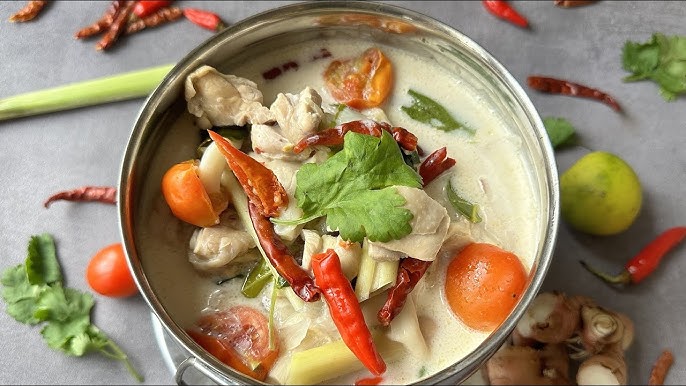
Thai coconut soup recipe is one of the most comforting, aromatic, and flavor-packed dishes we can prepare at home when we want something creamy, warm, fresh, and deeply satisfying. This classic Thai-inspired soup is known for its rich coconut milk base, bright citrus notes, tender protein, fragrant herbs, and gentle heat. Every spoonful delivers a balanced combination of creamy, savory, tangy, spicy, and slightly sweet flavors.
This Thai coconut soup is often inspired by Tom Kha, a beloved Thai soup traditionally made with coconut milk, galangal, lemongrass, kaffir lime leaves, mushrooms, chili, lime juice, and fish sauce. In this step-by-step guide, we prepare a practical homemade version using accessible ingredients while still keeping the soup bold, aromatic, and restaurant-quality.
Whether we are making it with chicken, shrimp, tofu, or vegetables, this recipe gives us a smooth, fragrant coconut broth that tastes fresh, comforting, and beautifully layered.
Ingredients You’ll Need for Thai Coconut Soup
To make a flavorful Thai coconut soup recipe, we need ingredients that create depth, creaminess, freshness, and aroma. Each ingredient plays an important role in building the final flavor.
Main Ingredients
- 2 tablespoons coconut oil or vegetable oil
- 1 medium onion, thinly sliced
- 3 cloves garlic, minced
- 1 tablespoon fresh ginger, grated
- 2 stalks lemongrass, bruised and cut into large pieces
- 2 cups chicken broth or vegetable broth
- 2 cans full-fat coconut milk
- 2 cups sliced mushrooms
- 1 pound boneless chicken breast or thighs, thinly sliced
- 1–2 tablespoons Thai red curry paste
- 2 tablespoons fish sauce
- 1 tablespoon soy sauce
- 1 tablespoon brown sugar or palm sugar
- 2–3 tablespoons fresh lime juice
- 1–2 Thai chilies or red chili flakes
- Fresh cilantro, chopped
- Fresh basil, optional
- Green onions, sliced
- Lime wedges for serving
Optional Add-Ins
- Shrimp instead of chicken
- Tofu for a vegetarian version
- Baby corn
- Carrots
- Spinach
- Bell peppers
- Rice noodles
- Kaffir lime leaves
- Galangal
- Bean sprouts
Choosing the Best Coconut Milk for Thai Coconut Soup
For the richest and creamiest result, we should use full-fat coconut milk. Light coconut milk can be used, but it will produce a thinner soup with less body. A good Thai coconut soup needs a silky broth that coats the spoon while still feeling fresh and balanced.
Canned coconut milk works best because it has the right consistency for cooking. Before adding it to the pot, we should shake the cans well so the cream and liquid combine smoothly. If the coconut cream has separated, we can stir it directly into the soup until it melts into the broth.
Best Protein for Thai Coconut Soup
Chicken is one of the most popular choices for this recipe because it cooks quickly and absorbs the coconut broth beautifully. Thinly sliced chicken breast gives a leaner result, while chicken thighs create a juicier and more tender soup.
Shrimp is another excellent option. If using shrimp, we should add it near the end of cooking because shrimp cooks very quickly. Tofu also works well for a vegetarian Thai coconut soup. Firm tofu holds its shape best and absorbs the broth nicely.
Step-by-Step Guide to Make Thai Coconut Soup
Step 1: Prepare the Aromatic Ingredients
We begin by preparing the ingredients that give the soup its signature Thai aroma. Slice the onion, mince the garlic, grate the ginger, and bruise the lemongrass with the back of a knife. Bruising the lemongrass helps release its citrusy fragrance into the broth.
If using kaffir lime leaves or galangal, we can add them at this stage. These ingredients bring a more traditional Thai flavor and make the soup taste more authentic.
Step 2: Sauté the Onion, Garlic, and Ginger
Place a large soup pot over medium heat and add the coconut oil. Once the oil is warm, add the sliced onion and cook until softened. Stir in the garlic and ginger, then cook for about one minute until fragrant.
This step builds the base of the soup. We do not need to brown the ingredients deeply. The goal is to soften them and release their aroma without burning the garlic.
Step 3: Add the Thai Red Curry Paste
Add the Thai red curry paste to the pot and stir it into the onion, garlic, and ginger mixture. Cook for one to two minutes. This helps wake up the spices in the curry paste and gives the soup a deeper flavor.
For a mild soup, use one tablespoon of curry paste. For a stronger, spicier flavor, use two tablespoons or more. We can always adjust later, so it is better to start with less and increase as needed.
Step 4: Pour in the Broth
Add the chicken broth or vegetable broth and stir well to dissolve the curry paste into the liquid. Add the bruised lemongrass pieces at this point. Bring the broth to a gentle simmer.
The broth gives the soup structure, while the lemongrass infuses it with a fresh citrus aroma. Letting the broth simmer for a few minutes before adding the coconut milk helps extract more flavor from the aromatics.
Step 5: Add the Coconut Milk
Pour in the full-fat coconut milk and stir until the broth becomes smooth and creamy. Keep the heat at medium-low and avoid boiling the soup aggressively. Coconut milk can separate if cooked at very high heat for too long.
A gentle simmer is enough to combine the flavors and cook the ingredients properly. The soup should look creamy, lightly golden, and fragrant.
Step 6: Add the Chicken and Mushrooms
Add the sliced chicken and mushrooms to the pot. Stir gently and allow the soup to simmer until the chicken is fully cooked. Thin slices of chicken usually cook in about 8 to 10 minutes.
The mushrooms add earthy flavor and a tender texture that pairs beautifully with coconut milk. Common white mushrooms, cremini mushrooms, oyster mushrooms, or shiitake mushrooms all work well.
Step 7: Season the Soup
Once the chicken is cooked, add fish sauce, soy sauce, brown sugar, and lime juice. These ingredients create the classic Thai balance of salty, savory, sweet, and sour.
Fish sauce gives the soup a deep umami flavor. Soy sauce adds extra savoriness. Brown sugar softens the heat and acidity. Lime juice brightens the entire soup and keeps it from tasting too heavy.
Taste the soup carefully and adjust as needed. Add more lime juice for brightness, more fish sauce for saltiness, more sugar for balance, or more chili for heat.
Step 8: Add Fresh Herbs and Chilies
Add sliced Thai chilies, green onions, cilantro, and basil if using. Stir gently and turn off the heat. Fresh herbs should be added near the end so they keep their bright color and flavor.
This final step gives the soup freshness and makes it taste vibrant instead of flat. The herbs lift the creamy coconut broth and make each bowl more aromatic.
Step 9: Remove the Lemongrass Before Serving
Before serving, remove the large lemongrass pieces from the pot. Lemongrass is used mainly for flavoring the broth and is usually not eaten because it can be tough and fibrous.
If kaffir lime leaves or galangal slices were used, they can also be removed before serving.
Step 10: Serve Hot with Fresh Garnishes
Ladle the hot Thai coconut soup into bowls and garnish with more cilantro, green onions, chili slices, and fresh lime wedges. Serve immediately while the broth is warm, creamy, and fragrant.
This soup can be enjoyed on its own or served with jasmine rice, rice noodles, or a light Thai salad.
How to Make Thai Coconut Soup Taste Restaurant-Quality
For a better flavor, we should let the aromatics simmer properly before adding the final lime juice and herbs. The soup needs time to absorb the lemongrass, ginger, garlic, curry paste, and coconut milk.
Fresh lime juice should be added near the end, not at the beginning. This keeps the citrus flavor sharp and fresh. We should also taste the soup before serving because coconut milk can soften the seasoning. A little extra fish sauce or lime juice can make the flavors pop.
Using full-fat coconut milk, fresh herbs, and good-quality curry paste makes a major difference. A strong curry paste brings chili, garlic, shallot, lemongrass, and spice notes into the soup without requiring too many extra ingredients.
Vegetarian Thai Coconut Soup Variation
To make a vegetarian version, replace chicken broth with vegetable broth and use tofu instead of chicken. Fish sauce can be replaced with soy sauce or tamari. Mushrooms become especially important in the vegetarian version because they add savory depth.
We can also include carrots, bell peppers, baby corn, spinach, zucchini, or bok choy. These vegetables add color, texture, and nutrition while keeping the soup light and satisfying.
Thai Coconut Soup with Shrimp
For a shrimp version, prepare the soup base the same way, but do not add shrimp too early. Add peeled and deveined shrimp during the final few minutes of cooking. Shrimp is ready when it turns pink and opaque.
Overcooking shrimp can make it rubbery, so we should keep the heat gentle and remove the soup from the stove as soon as the shrimp is cooked.
How to Store Thai Coconut Soup
Thai coconut soup can be stored in an airtight container in the refrigerator for up to 3 days. The flavor often becomes deeper after resting because the aromatics continue to infuse the broth.
When reheating, warm it gently over low to medium heat. Avoid boiling it hard because coconut milk can separate. If the soup thickens in the refrigerator, add a small splash of broth or water while reheating.
Can We Freeze Thai Coconut Soup?
Thai coconut soup can be frozen, but the texture may change slightly because coconut milk can separate after thawing. For best results, freeze the soup without fresh herbs or lime juice, then add them after reheating.
Allow the soup to cool completely before freezing. Store it in freezer-safe containers for up to 2 months. Thaw overnight in the refrigerator and reheat gently.
What to Serve with Thai Coconut Soup
This soup pairs beautifully with steamed jasmine rice, coconut rice, rice noodles, spring rolls, cucumber salad, or Thai basil chicken. For a lighter meal, we can serve it with fresh vegetables or a crisp Asian-style slaw.
If we want a fuller dinner, we can serve the soup as a starter before a Thai curry, stir-fried noodles, or grilled chicken skewers.
Common Mistakes to Avoid
One common mistake is boiling the coconut milk too aggressively. A gentle simmer keeps the broth smooth and creamy. Another mistake is adding lime juice too early, which can dull the flavor. Lime juice should be added near the end for the freshest taste.
We should also avoid under-seasoning the soup. Coconut milk is rich and needs enough salt, acidity, and spice to stay balanced. Tasting and adjusting before serving is essential.
FAQs about Thai Coconut Soup Recipe
1. What is Thai Coconut Soup made of?
Thai Coconut Soup, also called Tom Kha Gai, is usually made with coconut milk, chicken, mushrooms, lemongrass, galangal, kaffir lime leaves, lime juice, fish sauce, and Thai chilies. These ingredients create a creamy, tangy, spicy, and aromatic soup.
2. Can I make Thai Coconut Soup without chicken?
Yes. You can make a vegetarian version by replacing chicken with tofu, mushrooms, or mixed vegetables. Use vegetable broth instead of chicken broth and replace fish sauce with soy sauce or tamari.
3. Is Thai Coconut Soup spicy?
Thai Coconut Soup can be mild or spicy depending on how many Thai chilies you use. For a mild version, use fewer chilies or remove them completely. For extra heat, add more fresh chilies or chili paste.
4. Can I use regular ginger instead of galangal?
Yes, but the flavor will be slightly different. Galangal has a sharper, citrusy taste, while ginger is warmer and spicier. If galangal is unavailable, fresh ginger is a good substitute.
5. How long does Thai Coconut Soup last?
Thai Coconut Soup can last 3 to 4 days in the refrigerator when stored in an airtight container. Reheat it gently over low heat to prevent the coconut milk from separating.
Final Thoughts
This Thai coconut soup recipe gives us a creamy, aromatic, and deeply flavorful dish that is simple enough for weeknight cooking and impressive enough for guests. With coconut milk, lemongrass, ginger, garlic, mushrooms, tender chicken, lime juice, and fresh herbs, every bowl delivers warmth, comfort, and bold Thai-inspired flavor.
By following this step-by-step guide, we can prepare a homemade Thai coconut soup that tastes fresh, balanced, and satisfying. Serve it hot, garnish it generously, and enjoy a comforting bowl filled with creamy coconut broth, fragrant herbs, tender protein, and bright citrus flavor.