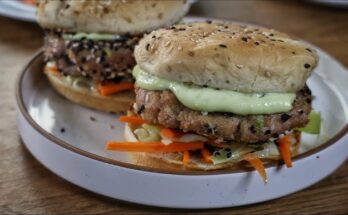
A Tangzhong recipe is one of the most reliable methods we can use when we want bread that stays soft, fluffy, tender, and fresh for longer. Tangzhong is a simple cooked flour-and-liquid paste commonly used in Asian-style breads, especially Japanese milk bread, soft dinner rolls, sandwich bread, burger buns, and sweet bread recipes. By cooking a small portion of flour with water or milk before adding it to the dough, we create a gel-like mixture that helps the bread retain moisture beautifully.
This method gives bread a soft, cloud-like crumb, a delicate structure, and a pleasant chew without making the loaf heavy. When we use Tangzhong correctly, the dough becomes easier to handle, the finished bread rises well, and the final texture feels rich and bakery-quality. The best part is that Tangzhong requires only a few ingredients and a short cooking time, yet it can completely improve homemade bread.
What Is Tangzhong?
Tangzhong is a cooked mixture made by heating flour and liquid together until it thickens into a smooth paste. The liquid may be water, milk, or a combination of both. This paste is then cooled and added to bread dough. The process allows the flour to absorb more liquid than it normally would in a regular dough.
When flour is heated with liquid, the starches begin to gelatinize. This means the flour traps moisture and holds it inside the dough. As a result, bread made with Tangzhong usually comes out softer, lighter, and more moist than bread made without it.
Tangzhong is especially popular for making soft milk bread, but it can also be used in many other yeast bread recipes. It is a small technique that produces a big difference in texture.
Ingredients You’ll Need
To make a basic Tangzhong recipe, we only need two main ingredients:
For the Tangzhong Paste
- 3 tablespoons bread flour or all-purpose flour
- ½ cup water, milk, or a mixture of both
For Using Tangzhong in Bread Dough
The Tangzhong paste can be added to many bread recipes, but a typical soft bread dough may include:
- Bread flour
- Instant yeast or active dry yeast
- Sugar
- Salt
- Milk
- Egg
- Butter
- Prepared Tangzhong paste
Bread flour is usually preferred because it gives the dough better structure and elasticity. However, all-purpose flour can still work for softer rolls and lighter loaves. Milk gives the bread a richer flavor, while water creates a lighter and cleaner taste. Butter adds softness and aroma, while sugar helps with browning and a slightly sweet flavor.
Best Flour-to-Liquid Ratio for Tangzhong
The most common Tangzhong ratio is 1 part flour to 5 parts liquid by weight. This means that for every 20 grams of flour, we use about 100 grams of liquid. This ratio creates a smooth paste that is thick enough to hold moisture but not too stiff for the dough.
For home baking without a scale, we can use:
- 3 tablespoons flour
- ½ cup liquid
This gives us enough Tangzhong for one standard loaf of bread or a batch of soft rolls. For more accurate results, using a kitchen scale is helpful, but measuring spoons and cups can still give excellent results when measured carefully.
Step-by-Step Guide to Making Tangzhong
Step 1: Measure the Flour and Liquid
We begin by measuring the flour and liquid accurately. Bread flour or all-purpose flour both work, but bread flour gives a slightly stronger texture. The liquid can be water, milk, or half water and half milk.
For a richer bread, milk is a great choice. For a neutral and simple bread, water works well. A mixture of milk and water gives a balanced result.
Add the flour and liquid to a small saucepan before turning on the heat. Mixing them while cold helps prevent lumps.
Step 2: Whisk Until Smooth
Before heating the mixture, we whisk the flour and liquid together until no dry flour remains. The mixture should look smooth and thin at this point. A small whisk is ideal, but a spoon or spatula can also work.
This step is important because lumps can become harder to remove once the mixture begins to thicken. A smooth Tangzhong paste blends better into bread dough and gives a more even texture.
Step 3: Cook Over Low to Medium Heat
Place the saucepan over low to medium heat. Stir continuously as the mixture warms. Within a few minutes, it will begin to thicken. The texture should change from a thin liquid to a smooth, pudding-like paste.
We should not rush this process with high heat because Tangzhong can thicken too quickly and become uneven. Gentle heat gives us better control and helps the starches gelatinize properly.
The paste is ready when it becomes thick enough that the whisk or spatula leaves lines at the bottom of the pan. It should look glossy, smooth, and soft.
Step 4: Remove from Heat Immediately
Once the Tangzhong reaches the right consistency, remove it from the heat. Overcooking can make the paste too thick or dry. The goal is a soft paste, not a stiff dough.
Transfer the Tangzhong to a small bowl or plate. Spreading it slightly helps it cool faster. The paste should not be added to yeast dough while it is hot because too much heat can affect the yeast.
Step 5: Cool the Tangzhong
Allow the Tangzhong to cool until it is lukewarm or at room temperature. It should feel slightly warm or neutral to the touch, not hot.
If we want to prepare it ahead of time, we can cover it and store it in the refrigerator. When chilled, Tangzhong becomes thicker, but it can still be used. Let it sit at room temperature for a short while before adding it to the dough.
Step 6: Add Tangzhong to Bread Dough
Once cooled, the Tangzhong can be added directly to the bread dough ingredients. It is usually mixed with the wet ingredients before combining with the dry ingredients.
When kneading the dough, we may notice that it feels soft, elastic, and slightly tacky. This is normal. Tangzhong dough often holds more moisture, so it may feel softer than regular bread dough. Avoid adding too much extra flour, because this can reduce the softness of the finished bread.
How to Use Tangzhong in Any Bread Recipe
To use Tangzhong in a regular bread recipe, we take a small portion of the flour and liquid from the original recipe and cook them together. We do not add extra flour and liquid without adjusting the main recipe, because that can change the dough balance.
A simple method is to use about 5% to 10% of the total flour in the recipe for Tangzhong. For example, if a bread recipe uses 500 grams of flour, we can use about 25 grams of that flour to make Tangzhong with 125 grams of liquid.
This paste is then added back into the dough. The remaining flour and liquid are adjusted accordingly. This keeps the dough balanced while improving softness and moisture.
Tangzhong with Milk vs. Water
Tangzhong can be made with either milk or water, and both options work well. The choice depends on the type of bread we want to make.
Milk Tangzhong creates a richer flavor, softer crumb, and slightly creamier texture. It is excellent for Japanese milk bread, sweet rolls, and soft sandwich bread.
Water Tangzhong creates a lighter texture and more neutral flavor. It is useful when we want the bread to taste simple or when we are making dairy-free bread.
A milk-and-water Tangzhong gives a balanced result. It provides softness and moisture without making the bread too rich.
Tips for the Best Tangzhong Recipe
For the best result, we should cook Tangzhong gently and stir constantly. A smooth paste is the goal. If the mixture becomes lumpy, it may not blend well into the dough.
We should also avoid adding hot Tangzhong directly to yeast. Yeast is sensitive to heat, so the paste should cool first. Room temperature Tangzhong is ideal.
When making bread with Tangzhong, the dough may feel softer than usual. It is better to knead patiently than to add too much flour. Extra flour can make the bread dry and dense.
For a soft and stretchy dough, knead until the dough becomes smooth and elastic. If using butter, add it after the dough begins to come together. This helps the gluten develop properly.
How to Store Tangzhong
Tangzhong can be used immediately after cooling, or it can be stored for later use. To store it, place it in an airtight container and keep it in the refrigerator for up to 2 days.
Before using refrigerated Tangzhong, let it come closer to room temperature. If the paste smells sour, looks discolored, or develops an unusual texture, discard it and make a fresh batch.
Fresh Tangzhong gives the best result, but preparing it ahead can make bread baking easier and faster.
Common Mistakes to Avoid
One common mistake is cooking Tangzhong over high heat. This can make the paste thicken too fast and form lumps. Low to medium heat is better for a smooth texture.
Another mistake is overcooking the paste until it becomes too stiff. Tangzhong should be thick and glossy, not dry or rubbery.
Adding too much flour to the final dough is also a common problem. Tangzhong dough is naturally soft and slightly sticky, so we should avoid making it too dry.
Using hot Tangzhong in dough can also cause problems. Always cool the paste before combining it with yeast.
Best Bread Recipes to Make with Tangzhong
Tangzhong works beautifully in many soft bread recipes. It is especially useful for:
- Japanese milk bread
- Soft sandwich bread
- Dinner rolls
- Burger buns
- Cinnamon rolls
- Sweet bread
- Hot dog buns
- Fluffy breakfast rolls
Any bread that should be soft, moist, and tender can benefit from this method. It is also useful when we want bread to stay fresh longer without becoming dry too quickly.
Tangzhong Recipe Card
Ingredients
- 3 tablespoons bread flour or all-purpose flour
- ½ cup water, milk, or a mixture of both
Instructions
- Add the flour and liquid to a small saucepan.
- Whisk until smooth and lump-free.
- Place over low to medium heat.
- Stir constantly as the mixture thickens.
- Cook until it becomes a smooth, glossy paste.
- Remove from heat immediately.
- Transfer to a bowl and allow it to cool.
- Add the cooled Tangzhong to your bread dough.
- Knead the dough until smooth and elastic.
- Continue with the bread recipe as directed.
FAQs about Tangzhong Recipe
1. What is tangzhong?
Tangzhong is a simple cooked mixture of flour and liquid, usually water or milk, used in bread making. It helps bread stay soft, fluffy, and moist for a longer time.
2. How do we make tangzhong?
To make tangzhong, we combine flour and liquid in a small pan, then cook over low heat while stirring until it becomes thick and smooth. It should look like a light paste before being cooled and added to the dough.
3. Why is tangzhong used in bread recipes?
Tangzhong helps the flour absorb more moisture, which gives bread a soft, tender texture. It is commonly used in recipes like Japanese milk bread, dinner rolls, and soft sandwich bread.
4. Can we make tangzhong ahead of time?
Yes, we can prepare tangzhong ahead of time. Once it cools, we can cover it and store it in the refrigerator for up to 1–2 days. Before using, it should be brought back to room temperature.
5. Can tangzhong be made with milk instead of water?
Yes, tangzhong can be made with milk, water, or a mixture of both. Milk gives the bread a richer flavor, while water keeps it lighter. Both options work well depending on the recipe.
Final Thoughts
A homemade Tangzhong recipe is simple, quick, and powerful enough to transform ordinary bread into soft, fluffy, bakery-style bread. With only flour and liquid, we can create a moisture-rich paste that improves texture, freshness, and tenderness. Whether we are making Japanese milk bread, sandwich loaves, dinner rolls, or sweet buns, Tangzhong helps us achieve a soft crumb and beautiful rise.
By cooking the paste gently, cooling it properly, and adding it carefully to the dough, we can enjoy bread that stays moist and delicious for longer. This step-by-step Tangzhong method is one of the easiest ways to upgrade homemade bread and create a consistently soft, professional-quality result.