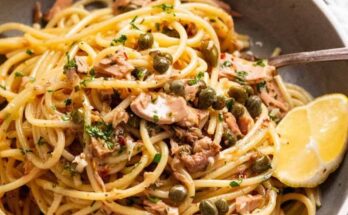
A well-prepared tagliatelle recipe delivers everything we love about classic Italian cooking: simple ingredients, deep flavor, silky pasta, and a sauce that clings beautifully to every ribbon. Tagliatelle is a long, flat pasta traditionally served with hearty sauces because its wide shape holds creamy, meaty, and buttery coatings better than thinner pasta varieties. With the right method, we can prepare a restaurant-quality tagliatelle dish at home using fresh ingredients, balanced seasoning, and a careful cooking process.
This step-by-step guide shows us how to make a delicious homemade tagliatelle pasta recipe with a rich, savory sauce that works perfectly for lunch, dinner, family meals, or special occasions. The process is simple, but the result tastes elegant, comforting, and deeply satisfying.
Ingredients You’ll Need for Tagliatelle Recipe
To prepare a flavorful tagliatelle dish, we need quality ingredients that bring texture, aroma, and richness to the plate.
For the Tagliatelle Pasta
- 400g tagliatelle pasta, fresh or dried
- 1 tablespoon salt, for boiling water
- Water, enough to cook the pasta
For the Sauce
- 2 tablespoons olive oil
- 2 tablespoons unsalted butter
- 1 small onion, finely chopped
- 3 cloves garlic, minced
- 300g minced beef, chicken, mushrooms, or pancetta
- 1 cup tomato passata or crushed tomatoes
- ½ cup heavy cream, optional for a creamy version
- ½ cup pasta water, reserved after boiling
- ½ teaspoon black pepper
- ½ teaspoon dried oregano
- ½ teaspoon thyme
- ½ teaspoon paprika
- Salt to taste
- ¼ cup grated Parmesan cheese
- Fresh parsley or basil, chopped for garnish
Optional Add-Ins
- Mushrooms, sliced
- Spinach, lightly chopped
- Cherry tomatoes, halved
- Chili flakes, for mild heat
- White wine, for extra depth
- Lemon zest, for freshness
Step-by-Step Guide to Make Tagliatelle
Step 1: Prepare the Ingredients
Before cooking, we start by preparing all ingredients. Chop the onion finely, mince the garlic, grate the Parmesan cheese, and measure the sauce ingredients. Tagliatelle cooks quickly, especially when fresh, so having everything ready helps the cooking process stay smooth.
For a richer sauce, we can use minced beef, pancetta, chicken, or mushrooms. Beef gives the dish a hearty flavor, pancetta adds a salty smoky taste, chicken makes it lighter, and mushrooms create a satisfying vegetarian version.
Step 2: Boil the Tagliatelle Pasta
Fill a large pot with water and bring it to a strong boil. Add salt generously to season the pasta from the inside as it cooks. Once the water is boiling, add the tagliatelle and stir gently to prevent the ribbons from sticking together.
Fresh tagliatelle usually cooks in 2 to 4 minutes, while dried tagliatelle may take 7 to 10 minutes, depending on the brand. We should cook it until it is al dente, meaning tender but still slightly firm when bitten.
Before draining, reserve about ½ cup of pasta water. This starchy water helps loosen the sauce and makes it cling better to the tagliatelle.
Step 3: Sauté the Onion and Garlic
Place a large pan over medium heat. Add olive oil and butter, allowing the butter to melt gently without burning. Add the chopped onion and cook for about 3 to 4 minutes until soft and slightly translucent.
Next, add the minced garlic and stir for about 30 seconds. Garlic burns quickly, so we only cook it until fragrant. This creates a flavorful base for the sauce.
Step 4: Cook the Protein or Vegetables
Add minced beef, chicken, pancetta, or mushrooms to the pan. Stir well and cook until browned or softened. If using minced beef, break it apart with a spoon so it cooks evenly. If using mushrooms, allow them to release their moisture and become golden.
Season with black pepper, oregano, thyme, paprika, and a little salt. These spices deepen the sauce and create a balanced flavor. Avoid adding too much salt at this stage because Parmesan cheese and pasta water will also add saltiness later.
Step 5: Add the Tomato Base
Pour in the tomato passata or crushed tomatoes and stir everything together. Let the sauce simmer for 8 to 12 minutes so the flavors can develop. The sauce should become slightly thicker, rich, and aromatic.
For a deeper taste, we can add a splash of white wine before the tomatoes and let it reduce for a few minutes. This gives the sauce a more refined flavor, especially when making tagliatelle for a special dinner.
Step 6: Make It Creamy
For a creamy tagliatelle recipe, add heavy cream after the tomato sauce has simmered. Stir gently until the sauce becomes smooth and slightly lighter in color. The cream balances the acidity of the tomatoes and gives the dish a silky texture.
For a lighter version, we can skip the cream and use only pasta water with Parmesan cheese. This still creates a smooth sauce without making the dish too heavy.
Step 7: Add the Cooked Tagliatelle
Add the drained tagliatelle directly into the pan with the sauce. Toss gently using tongs so every ribbon is coated. Add a little reserved pasta water, one splash at a time, until the sauce becomes glossy and smooth.
This step is important because tagliatelle should not simply sit under the sauce; it should absorb and carry the sauce evenly. Tossing the pasta in the pan helps the flavors come together properly.
Step 8: Add Parmesan Cheese
Sprinkle in grated Parmesan cheese and toss again. The cheese melts into the sauce, adding a salty, nutty flavor and helping the sauce cling to the pasta. Taste and adjust seasoning with more salt, pepper, or herbs if needed.
For extra richness, add a small knob of butter at the end and stir until melted. This gives the tagliatelle a smooth, glossy finish.
Step 9: Garnish and Serve
Serve the tagliatelle immediately while hot. Garnish with fresh parsley or basil, extra Parmesan cheese, and a light sprinkle of black pepper. For a brighter taste, add a little lemon zest on top.
Tagliatelle is best served fresh because the sauce is at its smoothest and the pasta has the best texture right after cooking.
Best Sauce Ideas for Tagliatelle
Tagliatelle works beautifully with many sauces because of its wide ribbon shape. A classic choice is Bolognese sauce, which is rich, slow-cooked, and meaty. Creamy mushroom sauce is another excellent option, especially for a vegetarian meal. We can also prepare tagliatelle with Alfredo sauce, tomato basil sauce, seafood cream sauce, or garlic butter sauce.
For a simple weeknight dinner, a quick tomato cream sauce works perfectly. For a more traditional Italian-style meal, a slow-cooked meat sauce brings deeper flavor and a more comforting finish.
Tips for the Best Tagliatelle Recipe
Use enough water when boiling pasta so the tagliatelle has space to move freely. Stir the pasta during the first minute of cooking to prevent sticking. Always salt the water before adding the pasta because this improves the final taste.
Do not overcook tagliatelle. Since the pasta will continue cooking slightly when tossed with the sauce, removing it at the al dente stage gives the best texture. Also, never rinse cooked pasta unless making a cold pasta salad. Rinsing removes the starch that helps the sauce stick.
The reserved pasta water is one of the most important ingredients. It helps create a smooth, restaurant-style sauce without needing too much cream or oil.
How to Store Leftover Tagliatelle
Leftover tagliatelle can be stored in an airtight container in the refrigerator for up to 3 days. To reheat, place it in a pan with a splash of water, milk, cream, or broth. Warm gently over low heat while stirring until the sauce becomes smooth again.
Avoid overheating because the pasta can become too soft and the sauce may dry out. For best results, store extra sauce separately from the pasta when possible.
What to Serve with Tagliatelle
Tagliatelle pairs well with garlic bread, Caesar salad, roasted vegetables, grilled chicken, meatballs, or a simple tomato salad. For a lighter meal, serve it with steamed vegetables or a fresh green salad. For a fuller dinner, pair it with crusty bread and a protein-based side dish.
A well-balanced tagliatelle meal should feel rich but not too heavy. Fresh herbs, vegetables, and light sides help balance the creamy or tomato-based sauce.
FAQs about Tagliatelle Recipe
1. What is tagliatelle?
Tagliatelle is a traditional Italian pasta known for its long, flat ribbon shape. It is usually made with eggs and flour, giving it a rich taste and smooth texture. It pairs well with creamy, meaty, or tomato-based sauces.
2. What sauce goes best with tagliatelle?
Tagliatelle works best with thick sauces that can cling to the pasta. Popular options include Bolognese sauce, creamy mushroom sauce, Alfredo sauce, tomato sauce, and beef ragu.
3. How long should tagliatelle be cooked?
Fresh tagliatelle usually cooks in 2–4 minutes, while dried tagliatelle may take 7–10 minutes. Always check the package instructions and cook until the pasta is firm but tender, also known as al dente.
4. Can I make tagliatelle without a pasta machine?
Yes, tagliatelle can be made by hand. Roll the dough thinly with a rolling pin, fold it lightly, then cut it into long strips using a sharp knife. Dust with flour to stop the pasta from sticking.
5. How do I stop tagliatelle from sticking together?
Use enough boiling salted water and stir the pasta immediately after adding it to the pot. After draining, mix it quickly with sauce or a little olive oil to keep the strands separate.
Final Thoughts
This tagliatelle recipe gives us a simple but flavorful pasta dish with tender ribbons, a rich sauce, and a comforting homemade taste. By cooking the pasta al dente, building a flavorful sauce base, using reserved pasta water, and finishing with Parmesan cheese, we create a dish that feels elegant and satisfying without being complicated.
Whether we prepare it with beef, chicken, mushrooms, pancetta, tomato sauce, or cream, tagliatelle remains one of the most enjoyable pasta recipes for a warm, hearty, and delicious meal.