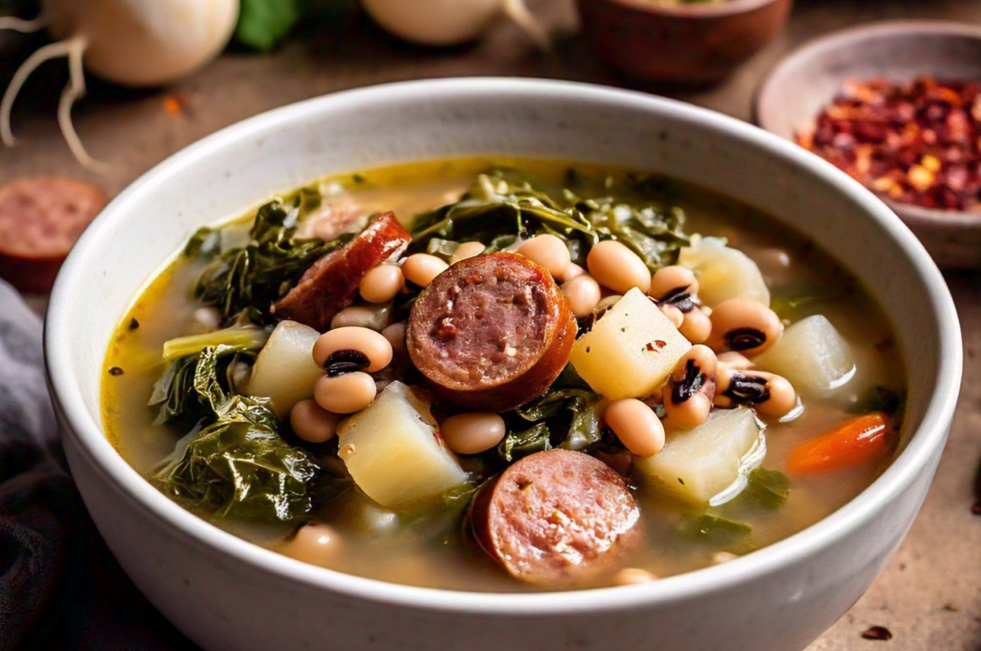
Swamp Soup Recipe: If you’ve never heard of Swamp Soup, you’re in for a savory surprise. This rich, hearty, green-tinted dish is loaded with flavor and packed with healthy greens, beans, and a few secret ingredients that’ll make your taste buds dance. It’s comforting, filling, and comes together easily with pantry staples. Whether you’re cooking for a cold evening or just want something nutrient-packed and satisfying, Swamp Soup is the answer.
What is Swamp Soup?
Swamp Soup is not your average green soup. The name might sound strange or even a little unappetizing, but trust us—one spoonful and you’ll be hooked. It’s a rustic, Southern-inspired dish that brings together leafy greens, flavorful broth, and hearty add-ins like beans or sausage. The “swamp” reference simply comes from the soup’s appearance—green from spinach or collard greens, dark and thick like the swamps of the bayou.
It’s often made vegetarian, but can easily be bulked up with meats like smoked sausage, ham hocks, or even shredded chicken. The beauty of this dish is in its versatility. It’s budget-friendly, easy to prepare, and adaptable for many dietary preferences. Plus, it tastes even better the next day!
The Origin and Cultural Background
Swamp Soup has deep roots in Southern U.S. cuisine, particularly in areas with Cajun or Creole influence. Think Louisiana, Mississippi, and Alabama—regions where flavorful, soulful, slow-cooked meals reign supreme. It’s often associated with comfort food served in family gatherings, community events, or local diners that know how to feed your soul.
The dish is believed to have originated as a resourceful way to use up leftover greens and meats, turning scraps into something truly delicious. Over time, it’s evolved into a go-to recipe that’s celebrated for both its taste and its nutritional value. Many variations now exist across the U.S., especially in communities that value hearty, home-cooked meals with a healthy twist.
Ingredients for Swamp Soup
Must-Have Core Ingredients
To make the classic version of Swamp Soup, here are the core ingredients you’ll need:
- Leafy Greens: Spinach is the most common choice, but collard greens, kale, or mustard greens work just as well.
- White Beans: Great Northern beans or cannellini beans add heartiness and protein.
- Onion & Garlic: These give the soup a deep, savory base.
- Vegetable or Chicken Broth: This is your flavorful liquid gold.
- Olive Oil or Butter: For sautéing and richness.
- Salt & Pepper: Basic but essential seasonings.
These core ingredients create a creamy, thick, and comforting soup. They blend beautifully together to give a satisfying texture and taste that makes you want another bowl (or three).
Optional Add-ons and Substitutes
Here’s where things get fun! Swamp Soup is all about customization:
- Protein Boosts: Add sliced smoked sausage, shredded chicken, or diced ham for a meaty version.
- Spice it Up: A dash of cayenne, crushed red pepper, or hot sauce can elevate the heat.
- Add Some Acid: A splash of vinegar or a squeeze of lemon brightens up the greens.
- Creamy Option: Stir in a bit of heavy cream or coconut milk for a creamier texture.
- Thickening Tricks: Use a potato, pureed beans, or even a scoop of cooked rice to thicken the broth.
Vegetarians can skip the meat and use a rich vegetable broth. Vegans can also enjoy it by swapping butter for plant-based oils and ensuring the broth is vegan-friendly.
Kitchen Tools You’ll Need
Basic Cooking Equipment
You don’t need a fancy kitchen to whip up Swamp Soup. Here’s a list of the essentials:
- Large Pot or Dutch Oven: This is where all the magic happens. It needs to be big enough to hold several cups of liquid plus all the ingredients.
- Cutting Board & Knife: For chopping all those delicious veggies.
- Wooden Spoon or Spatula: To stir the soup while it simmers.
- Measuring Cups and Spoons: To ensure your seasonings are just right.
Most home kitchens already have these tools on hand. If you’re missing one, don’t worry—Swamp Soup is forgiving and flexible.
Handy Extras for Efficiency
Want to make prep faster or cleaner? These tools can help:
- Immersion Blender (Optional): To make the soup smoother if you like it less chunky.
- Soup Ladle: For easy serving.
- Strainer or Colander: To rinse canned beans and greens.
- Storage Containers: Because leftovers are a must with this soup!
These extras can elevate your soup-making game, especially if you plan to make big batches or meal prep.
Preparing the Ingredients
Washing and Chopping Vegetables
Preparation is everything. Start by thoroughly washing your greens to remove dirt and grit—especially if you’re using kale or collards from a farmer’s market. Dry them with a clean kitchen towel or salad spinner to prevent excess water from diluting your soup.
Next, chop your greens into bite-sized pieces. You want them to be easy to spoon up. Dice your onions finely and mince the garlic. These aromatic base flavors will give your soup that rich, savory taste from the very beginning.
If you’re adding carrots, celery, or other optional veggies, peel and chop them now too. Keeping your ingredients uniform in size helps everything cook evenly.
Prepping Proteins and Seasonings
If using meat, now’s the time to prep it. Slice your sausage into rounds or dice your ham into cubes. If using chicken, you can shred pre-cooked rotisserie meat or cook raw chicken pieces with the onions.
Rinse your canned beans under cold water to remove excess sodium and that canned “slime.” If using dried beans, make sure they’re soaked and cooked beforehand.
Gather your spices—salt, pepper, bay leaves, smoked paprika, and anything else you like. Having everything ready to go will make the cooking process smoother and more enjoyable.
Step-by-Step Cooking Instructions
Step 1: Sautéing the Base
Start by heating a couple of tablespoons of olive oil or butter in your large pot or Dutch oven over medium heat. Once the oil is hot, toss in your chopped onions and sauté them until they turn translucent—this usually takes about 5-7 minutes. Don’t rush this step; it lays the groundwork for all the flavors in the soup.
Next, add in your minced garlic. Stir it around for about 30 seconds until fragrant. If you’re including carrots, celery, or bell peppers, add them now and sauté until they begin to soften. This forms a traditional “mirepoix” base—a flavorful blend of aromatics that gives depth and body to soups and stews.
If you’re adding meat like sausage or ham, now’s the time to throw it in. Let it brown slightly to render the fat and build even more flavor into your base. The goal here is to caramelize and layer flavor, not just dump everything in at once.
Deglaze the pot with a splash of broth or water, scraping up any browned bits stuck to the bottom. These are flavor gold and should not be wasted.
Step 2: Adding Broth and Greens
Once your base is sizzling and aromatic, it’s time to pour in the broth. Add about 4 to 6 cups of vegetable or chicken broth, depending on how thick you want the final soup to be. Give everything a good stir and bring it to a gentle simmer.
Now add your leafy greens. If you’re using spinach, it will wilt quickly—within a few minutes. Kale, collards, or mustard greens take a little longer, but they add a heartier texture. Stir them in gradually so they don’t overflow the pot.
Add in your rinsed beans at this point too. They’ll start soaking up the flavorful broth and add creaminess to the soup.
Season with salt, black pepper, and other spices like smoked paprika or crushed red pepper flakes if you want some heat. Add a bay leaf or two for added depth. Taste as you go and adjust your seasoning little by little.
Let the mixture return to a gentle boil, then lower the heat so it stays at a steady simmer.
Step 3: Simmering for Flavor
This is where the magic happens. Cover your pot partially with a lid and let the soup simmer for 25–30 minutes. This slow cooking process allows the greens to soften, the beans to soak up flavor, and the broth to deepen in taste.
If you’re using tougher greens like collards or kale, you might want to simmer for up to 45 minutes to really tenderize them. Keep an eye on the liquid level—if the soup gets too thick, add a splash more broth or water.
Some cooks like to take this time to mash a few of the beans with the back of a spoon against the side of the pot. This thickens the soup naturally and gives it a silky, hearty texture without needing cream or flour.
Stir occasionally to prevent sticking and taste test midway through to adjust seasonings. You may want to add a splash of vinegar, lemon juice, or even hot sauce for a touch of acidity—it lifts all the flavors beautifully.
Step 4: Final Touches and Serving Tips
As the soup finishes cooking, it should be rich, flavorful, and slightly thickened. Now it’s time to finish it off like a pro.
If you like creamy soup, stir in a splash of heavy cream, half-and-half, or coconut milk. It mellows the flavor and gives it a luxurious feel. You can also throw in some cooked rice or quinoa for extra bulk.
Turn off the heat and let the soup sit for 5–10 minutes to allow the flavors to meld. Give it one final taste and adjust any last-minute seasoning.
Ladle the soup into bowls and garnish with a drizzle of olive oil, a sprinkle of grated Parmesan, chopped herbs, or even crushed red pepper flakes. Serve it with warm crusty bread, cornbread, or a simple side salad.
Swamp Soup is excellent for meal prep. It stores well in the fridge for up to 5 days and actually tastes better the next day. You can also freeze it for up to 2 months—just thaw and reheat on the stove for a quick, healthy meal anytime.
Health Benefits of Swamp Soup
Packed with Nutrients
Swamp Soup isn’t just about flavor—it’s a powerhouse of nutrition. Thanks to the leafy greens, beans, and aromatic veggies, every bowl is loaded with vitamins, minerals, and antioxidants. Spinach, kale, and collard greens provide a generous dose of Vitamin K, iron, and fiber, all of which contribute to better bone health, improved digestion, and reduced inflammation.
White beans or cannellini beans add protein, fiber, and complex carbs, keeping you fuller for longer. They also support heart health, regulate blood sugar, and provide a steady energy boost throughout the day. Garlic and onions are not just flavor enhancers—they’re rich in immune-boosting compounds that help your body fight infections.
If you’re using a homemade bone broth or rich vegetable broth, you’re also introducing gut-healing nutrients like collagen, amino acids, and electrolytes into your meal. This soup is a win for anyone looking to eat healthier without sacrificing comfort.
Perfect for Special Diets
Another great thing about Swamp Soup is how adaptable it is for different dietary needs:
- Gluten-Free? Skip any added thickening agents or double-check your broth label.
- Vegan or Vegetarian? Stick to plant-based ingredients and use veggie broth.
- Low-Carb or Keto? Omit the beans and add low-carb veggies like zucchini or mushrooms instead.
- Dairy-Free? Use olive oil and skip the cream or substitute with coconut milk.
Swamp Soup is one of those dishes that lets you eat healthy, feel full, and still enjoy every spoonful. No more sacrificing flavor for nutrition—it’s all here in one bowl.
Tips to Customize Swamp Soup
Make it Your Own
Swamp Soup is more of a cooking canvas than a strict recipe. You can change up almost everything based on what’s in your fridge or pantry. Got leftover rotisserie chicken? Toss it in. Found a forgotten zucchini in your crisper? Dice it and throw it in. Want to experiment with herbs? Go for it.
Here are a few ideas:
- Add Grains: Stir in cooked brown rice, quinoa, or orzo pasta for a more filling version.
- Make it Spicy: A few dashes of hot sauce or sliced jalapeños can give your soup a real kick.
- Cheesy Finish: Add grated cheddar, mozzarella, or Parmesan for a savory twist.
- Use What You Have: Swap spinach for arugula, kale for Swiss chard—Swamp Soup doesn’t judge.
It’s the perfect recipe for using up ingredients and avoiding food waste. No two pots have to be the same!
Flavor Boosters
If you want your Swamp Soup to really shine, consider layering in these flavor enhancers:
- A spoonful of tomato paste: Adds umami and body.
- Liquid smoke or smoked paprika: For a deep, smoky background.
- Fresh herbs like thyme or rosemary: Toss them in during simmering.
- Acidic pop at the end: Lemon juice, apple cider vinegar, or a splash of pickle juice.
Once you get the base down, you’ll start to come up with your own personal twists—just like a Southern grandma would.
Common Mistakes to Avoid
Avoid Overcooking Greens
While simmering is essential for flavor development, it’s easy to overdo it with the greens. Especially if you’re using tender ones like spinach, add them towards the end. Overcooked greens can become mushy and lose their vibrant color and nutrients.
Not Seasoning in Layers
A lot of cooks throw all the seasoning in at the end, but Swamp Soup benefits from seasoning as you go. Each layer—from sautéing the onions to adding the broth—needs its own touch of salt, pepper, and herbs. Taste as you build!
Skipping the Acid
That final splash of vinegar or lemon juice might seem small, but it can make a huge difference. It brightens the entire dish and cuts through the richness, especially if you’ve added sausage or cream.
Using Bland Broth
If your broth is bland, your soup will be too. Use a high-quality store-bought broth or make your own. A good broth is the backbone of this recipe.
Overcrowding with Ingredients
It’s tempting to toss in every veggie in your fridge, but too many additions can muddle the flavors. Stick to a few core ingredients and build flavor around them. Less really is more.
Serving Suggestions
Perfect Pairings
Swamp Soup is a full meal on its own, but pairing it with the right sides can elevate the experience. Try these ideas:
- Cornbread: Sweet, crumbly cornbread balances the savory soup perfectly.
- Garlic Bread or Baguette: Something crusty to dip in the broth.
- Grilled Cheese Sandwich: A gooey, cheesy companion.
- Side Salad: Light and crisp greens with vinaigrette offset the warmth of the soup.
You can also serve Swamp Soup as a starter for a bigger meal. It pairs wonderfully with grilled meats or a Southern-style spread.
Storage and Reheating Tips
How to Store
Swamp Soup stores beautifully. Let it cool completely before transferring to an airtight container. It will stay fresh in the refrigerator for up to 5 days. Make sure to label the container with the date so you know when to use it.
If you’re making a large batch, divide it into individual portions. This makes it easier to grab and reheat for a quick lunch or dinner.
Freezing Swamp Soup
Swamp Soup is freezer-friendly, especially if you skip the cream or dairy. Pour cooled soup into freezer-safe containers or resealable bags. Lay them flat in the freezer for easy stacking. It can be stored frozen for up to 2 months.
To reheat, thaw overnight in the fridge or warm directly on the stovetop over medium heat. Add a splash of broth or water to loosen it up as it heats.
Avoid microwaving from frozen—it can cause uneven heating and mess up the texture. Always thaw first for the best results.
FAQs about Swamp Soup Recipe
1. Can I make Swamp Soup in a slow cooker?
Absolutely! Just sauté the onions and garlic first for flavor, then throw everything into the slow cooker. Cook on low for 6–8 hours or high for 3–4 hours. Add tender greens like spinach during the last 30 minutes.
2. What are the best greens to use in Swamp Soup?
Spinach is the most common and cooks quickly, but you can use collard greens, kale, mustard greens, or even a mix. Just keep in mind that tougher greens need longer to simmer.
3. How can I make this soup thicker?
Mash some of the beans with a spoon or use a stick blender to puree part of the soup. You can also add a diced potato or a scoop of rice to naturally thicken the texture.
4. Is Swamp Soup freezer-friendly?
Yes! Just skip any dairy (add cream after reheating, if desired). Cool the soup completely before freezing in airtight containers or zip bags. Thaw overnight before reheating for best results.
5. Can I make Swamp Soup spicy?
Definitely. Add red pepper flakes, cayenne, or chopped jalapeños while sautéing. A few dashes of hot sauce at the end also work wonders. Spice it up to your taste!
Conclusion
Swamp Soup might sound like a quirky dish, but it’s truly a hidden gem in the world of comfort food. It’s everything you want in a cozy bowl—flavorful, nutritious, adaptable, and soul-satisfying. Whether you’re cooking it as a weeknight dinner, prepping meals for the week, or feeding a crowd, this recipe delivers.
With its vibrant greens, hearty beans, rich broth, and customizable flair, Swamp Soup invites you to get creative in the kitchen. Don’t be afraid to try your own version—toss in your favorite ingredients, crank up the spice, or add some creamy richness. This soup will welcome it all.
So next time you’re staring into your fridge wondering what to cook, think Swamp Soup. It’s simple, satisfying, and endlessly comforting—like a warm hug in a bowl.