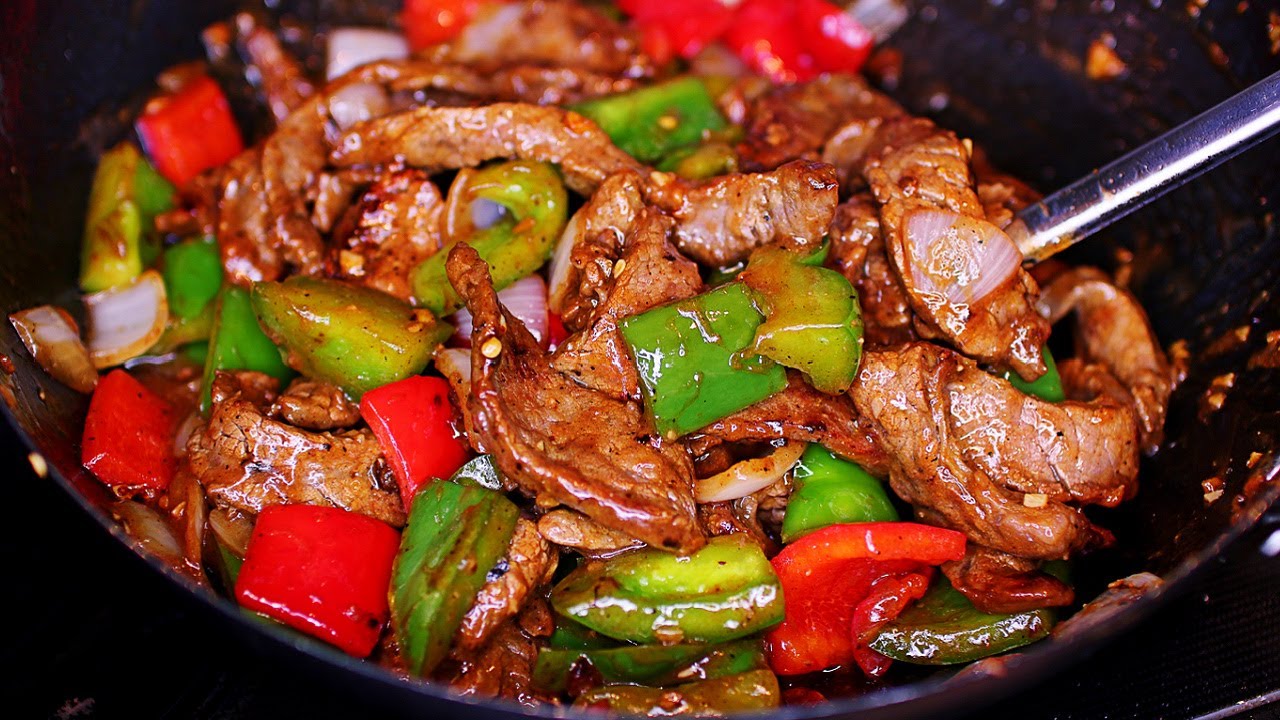
A steak stir fry recipe is one of the best meals we can prepare when we want something fast, colorful, rich in flavor, and satisfying without spending hours in the kitchen. With tender strips of beef, crisp vegetables, and a glossy savory sauce, this dish brings together everything we love about a complete homemade meal. It is quick enough for busy weeknights, impressive enough for guests, and flexible enough to use whatever vegetables we already have at home.
The secret to a perfect steak stir fry is balance. We need thinly sliced beef that cooks quickly, vegetables that stay slightly crisp, and a sauce that coats every bite without making the dish watery. When prepared properly, the steak remains juicy, the vegetables keep their fresh color, and the sauce becomes rich, glossy, and deeply flavorful.
This guide gives us a complete step-by-step steak stir fry recipe, including the ingredients we need, how to slice the steak, how to make the sauce, how to cook everything in the correct order, and how to serve it for the best result.
Ingredients You’ll Need
To make a delicious homemade steak stir fry recipe, we need fresh ingredients, a good cut of beef, and a simple sauce that brings everything together.
For the Steak Stir Fry
- 1 pound steak, thinly sliced against the grain
- 2 tablespoons vegetable oil or sesame oil
- 1 red bell pepper, sliced into thin strips
- 1 green bell pepper, sliced into thin strips
- 1 medium onion, sliced
- 1 cup broccoli florets
- 1 carrot, thinly sliced
- 1 cup snap peas or green beans
- 3 cloves garlic, minced
- 1 tablespoon fresh ginger, minced
- Salt and black pepper, to taste
- Cooked white rice, brown rice, or noodles, for serving
For the Stir Fry Sauce
- ¼ cup soy sauce
- 2 tablespoons oyster sauce
- 1 tablespoon hoisin sauce
- 1 tablespoon brown sugar or honey
- 1 tablespoon rice vinegar
- 1 teaspoon sesame oil
- ½ cup beef broth or water
- 1 tablespoon cornstarch
- ¼ teaspoon red pepper flakes, optional
- 1 tablespoon water, for mixing with cornstarch if needed
Best Steak for Stir Fry
The best steak for stir fry is a cut that becomes tender when sliced thinly and cooked quickly over high heat. We can use flank steak, sirloin steak, ribeye, skirt steak, or New York strip steak. Flank steak is one of the most popular choices because it has strong beef flavor and cooks beautifully when sliced against the grain.
For a softer texture, we should avoid thick chunks of beef. Stir fry works best when the steak is cut into thin strips. Thin slices cook fast, absorb sauce better, and remain tender when exposed to high heat for only a short time.
How to Slice Steak for Stir Fry
Before cooking, we should place the steak on a cutting board and look closely at the direction of the muscle fibers. These fibers are called the grain. For the most tender result, we slice against the grain, not along it. Cutting against the grain shortens the muscle fibers and makes the beef easier to chew.
For clean, thin slices, we can place the steak in the freezer for about 15 to 20 minutes before slicing. This makes the meat slightly firm and easier to cut. The slices should be thin, even, and similar in size so they cook at the same speed.
How to Make the Steak Stir Fry Sauce
The sauce is what gives this steak stir fry recipe its bold, restaurant-style flavor. In a small bowl, we combine soy sauce, oyster sauce, hoisin sauce, brown sugar, rice vinegar, sesame oil, beef broth, cornstarch, and red pepper flakes if we want mild heat.
We whisk everything until the cornstarch dissolves completely. Cornstarch is important because it thickens the sauce as it heats, giving the stir fry that smooth, glossy coating. If the sauce is not mixed well before cooking, the cornstarch may settle at the bottom, so we should stir it again before pouring it into the pan.
Step-by-Step Guide to Making Steak Stir Fry
Step 1: Prepare the Steak
We start by patting the steak dry with paper towels. Removing excess moisture helps the beef sear instead of steam. After drying, we slice the steak thinly against the grain and place it in a bowl.
We season the steak lightly with salt and black pepper. Since the sauce already contains soy sauce and oyster sauce, we should not add too much salt at this stage. For extra tenderness, we can add one teaspoon of cornstarch to the sliced steak and toss it well. This simple coating helps protect the beef during high-heat cooking.
Step 2: Prepare the Vegetables
Next, we wash and slice the vegetables. The vegetables should be cut into similar sizes so they cook evenly. Bell peppers and onions should be sliced into strips, carrots should be thinly sliced, and broccoli should be cut into small florets.
For stir fry, vegetables should remain bright and slightly crisp. If they are cut too large, they may stay raw in the center. If they are cut too small, they may become soft too quickly. Keeping the pieces medium-sized gives us the best texture.
Step 3: Mix the Sauce
In a separate bowl, we whisk together the soy sauce, oyster sauce, hoisin sauce, brown sugar, rice vinegar, sesame oil, beef broth, and cornstarch. The sauce should look smooth and slightly brown. We set it aside while we cook the steak and vegetables.
The sauce should be ready before the cooking begins because stir frying moves quickly. Once the pan is hot, there is no time to stop and measure ingredients.
Step 4: Heat the Pan
We place a large skillet, wok, or heavy pan over medium-high to high heat. A wok is excellent for stir fry because its shape spreads heat quickly, but a large skillet also works well.
Once the pan is hot, we add one tablespoon of oil. The oil should shimmer but not smoke heavily. A hot pan helps the steak brown quickly and keeps it juicy inside.
Step 5: Sear the Steak
We add the sliced steak to the hot pan in a single layer. If the pan is small, we cook the steak in batches. Crowding the pan causes the beef to steam instead of sear, which can make it tough and watery.
We cook the steak for about 1 to 2 minutes per side, just until browned. The beef does not need to cook completely at this stage because it will return to the pan later with the sauce. Once browned, we transfer the steak to a plate and set it aside.
Step 6: Cook the Vegetables
In the same pan, we add another tablespoon of oil if needed. Then we add the onions, carrots, broccoli, bell peppers, and snap peas. We stir frequently and cook for about 3 to 5 minutes, depending on how crisp we want the vegetables.
The goal is to soften the vegetables slightly while keeping their color and crunch. Stir fry vegetables should not become mushy. They should still have a fresh bite when the dish is served.
Step 7: Add Garlic and Ginger
Once the vegetables are nearly tender, we add the minced garlic and fresh ginger. We stir for about 30 seconds until fragrant. Garlic and ginger cook quickly, so they should not be added too early. If they burn, they can make the entire dish taste bitter.
This step adds a deep aroma and gives the steak stir fry its warm, savory flavor.
Step 8: Return the Steak to the Pan
We add the cooked steak back into the pan with the vegetables. We stir everything together so the beef and vegetables are evenly distributed. At this point, the pan should still be hot, and the steak should begin warming through immediately.
Step 9: Pour in the Stir Fry Sauce
We give the sauce one final stir, then pour it into the pan. As the sauce heats, it will begin to bubble and thicken. We stir continuously so the sauce coats the steak and vegetables evenly.
After about 1 to 2 minutes, the sauce should become glossy and rich. If it becomes too thick, we can add a small splash of water or beef broth. If it is too thin, we can let it simmer for another minute until it reaches the right consistency.
Step 10: Serve Immediately
Steak stir fry tastes best when served hot and fresh. We spoon it over steamed white rice, brown rice, jasmine rice, fried rice, or noodles. For extra flavor, we can garnish it with sesame seeds, sliced green onions, or a light drizzle of sesame oil.
The final dish should have tender beef, crisp vegetables, and a savory sauce that clings beautifully to every bite.
Tips for the Best Steak Stir Fry Recipe
For the best result, we should always cook stir fry over high heat. High heat creates quick browning, keeps the steak juicy, and helps the vegetables stay crisp. Low heat can make the ingredients release too much moisture, resulting in a watery stir fry.
We should also prepare everything before cooking. Stir fry is a fast cooking method, so all ingredients should be sliced, measured, and ready before the pan gets hot.
Another important tip is to avoid overcooking the steak. Thin slices of beef cook quickly. Once the steak is browned, it should be removed from the pan and added back later. This prevents it from becoming dry or chewy.
Steak Stir Fry Variations
This steak stir fry recipe is easy to customize. We can add mushrooms, zucchini, baby corn, cabbage, bok choy, asparagus, or spinach. For a spicier version, we can add chili garlic sauce, sriracha, or extra red pepper flakes.
For a sweeter sauce, we can increase the honey or brown sugar slightly. For a deeper savory flavor, we can add more oyster sauce or a splash of dark soy sauce. If we prefer a lighter version, we can use low-sodium soy sauce and reduce the amount of sugar.
We can also turn this into a noodle stir fry by tossing the cooked steak, vegetables, and sauce with cooked lo mein, rice noodles, or spaghetti. The sauce clings well to noodles and makes the dish even more filling.
What to Serve with Steak Stir Fry
Steak stir fry is already a complete meal, but it pairs well with simple sides. We can serve it with steamed rice, garlic noodles, egg fried rice, spring rolls, cucumber salad, or steamed dumplings. For a lighter option, we can serve it with cauliflower rice or a fresh green salad.
The rich sauce and tender beef make this dish satisfying, while the vegetables add freshness and color. This balance makes steak stir fry suitable for lunch, dinner, meal prep, or family-style serving.
How to Store and Reheat Steak Stir Fry
Leftover steak stir fry can be stored in an airtight container in the refrigerator for up to 3 days. For best results, we should allow it to cool before storing. When reheating, we can warm it in a skillet over medium heat with a splash of water or broth to loosen the sauce.
We can also reheat it in the microwave, but the steak may become slightly firmer if heated too long. Short heating intervals work best. Stir between each interval until the dish is hot.
Freezing is possible, but fresh stir fry has the best texture. Some vegetables may soften after freezing and thawing, so refrigeration is better for leftovers.
FAQs about Steak Stir Fry Recipe
Can We Use Frozen Vegetables for Steak Stir Fry?
Yes, frozen vegetables can be used, but they should be cooked directly from frozen over high heat. We should avoid thawing them first because thawed frozen vegetables release more water and can make the stir fry soggy.
How Do We Keep Steak Tender in Stir Fry?
To keep steak tender, we slice it thinly against the grain, cook it quickly over high heat, and avoid overcooking. A light coating of cornstarch can also help create a softer texture.
Can We Make Steak Stir Fry Ahead of Time?
Yes, we can slice the steak, chop the vegetables, and mix the sauce ahead of time. For the best texture, we should cook everything fresh when ready to serve.
What Oil Is Best for Steak Stir Fry?
Vegetable oil, canola oil, avocado oil, peanut oil, or light sesame oil works well. We need an oil that can handle high heat without burning.
Can We Make This Recipe Gluten-Free?
Yes, we can make it gluten-free by using gluten-free soy sauce or tamari and making sure the oyster sauce and hoisin sauce are labeled gluten-free.
Final Thoughts
A homemade steak stir fry recipe is simple, flavorful, and reliable when we follow the right steps. By slicing the steak correctly, cooking over high heat, preparing the sauce in advance, and keeping the vegetables crisp, we create a dish that tastes fresh, balanced, and satisfying. This recipe is perfect for busy evenings, family dinners, and quick meal prep because it delivers bold flavor with simple ingredients and a short cooking time.