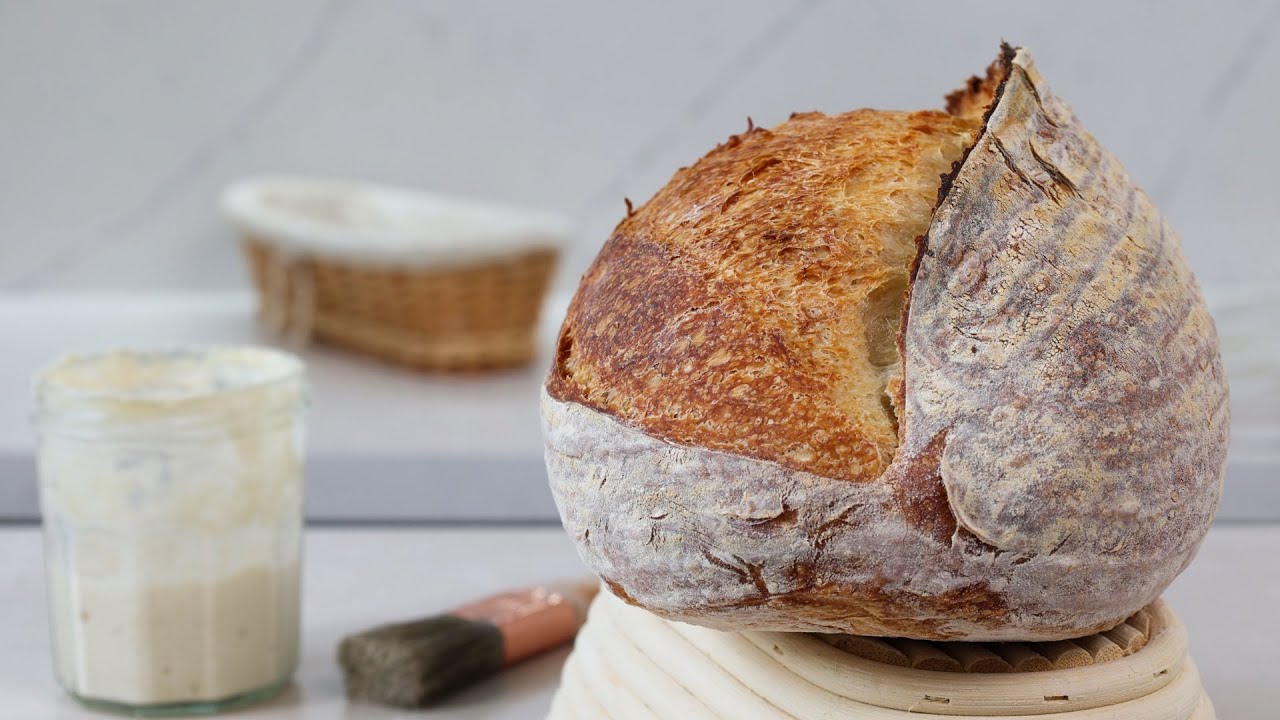
Sourdough Starter Bread Recipe: Few homemade breads compare to the flavor, texture, and aroma of a perfectly baked sourdough starter bread. With its crispy golden crust, airy crumb, and signature tangy flavor, sourdough bread remains one of the most satisfying artisan loaves we can bake at home. Using a natural sourdough starter instead of commercial yeast creates a loaf that is rich in flavor, easier to digest, and beautifully rustic.
This complete guide walks through every detail needed to create a bakery-style sourdough loaf from scratch using a mature sourdough starter.
Why Sourdough Starter Bread Is So Popular
Traditional sourdough bread relies on natural fermentation rather than instant yeast. The fermentation process develops deeper flavors and improves texture while creating the chewy interior and crunchy crust sourdough is known for.
A well-made sourdough loaf offers:
- Crispy artisan crust
- Soft and airy crumb
- Tangy complex flavor
- Long-lasting freshness
- Natural fermentation benefits
- Simple pantry ingredients
Whether baked in a Dutch oven or on a baking stone, sourdough bread transforms basic flour and water into something extraordinary.
Ingredients You’ll Need
To make the perfect homemade Sourdough Starter Bread, gather the following ingredients:
For the Sourdough Bread Dough
- 500g bread flour
- 350g warm water
- 100g active sourdough starter
- 10g sea salt
Optional additions:
- Whole wheat flour
- Rye flour
- Sesame seeds
- Sunflower seeds
- Herbs
- Garlic
- Olive oil
Essential Equipment for Sourdough Bread
Using the right tools helps produce professional-quality sourdough bread.
Recommended Baking Tools
- Large mixing bowl
- Kitchen scale
- Dough scraper
- Banneton basket
- Dutch oven
- Sharp bread lame or razor
- Clean kitchen towel
- Cooling rack
A Dutch oven is especially important because it traps steam during baking, helping develop the iconic crust.
How to Prepare an Active Sourdough Starter
Before baking, the sourdough starter must be active and bubbly.
Feeding the Starter
Feed the starter about 4–6 hours before mixing the dough.
Simple Starter Feeding Ratio
- 50g sourdough starter
- 50g flour
- 50g water
The starter is ready when:
- It doubles in size
- Bubbles appear throughout
- It smells slightly tangy and pleasant
- A spoonful floats in water
An active starter creates better rise and flavor.
Step-by-Step Guide to Sourdough Starter Bread
1. Prepare the Starter
Use an active sourdough starter that has been fed and is bubbly. A strong starter helps the bread rise properly and gives it a rich, tangy flavor.
2. Mix the Dough
In a bowl, combine bread flour, water, sourdough starter, and salt. Mix until a rough dough forms, then let it rest for about 30 minutes.
3. Stretch and Fold
Stretch one side of the dough and fold it over itself. Repeat this several times over 2–3 hours. This builds strength and helps create a soft, chewy texture.
4. Shape and Proof
Shape the dough into a round or loaf. Place it in a floured basket or bowl and let it proof until slightly puffy. For deeper flavor, refrigerate overnight.
5. Bake the Bread
Bake in a hot Dutch oven or covered pot until the crust is golden brown. Let the bread cool before slicing so the inside sets properly.
Tips for Perfect Sourdough Starter Bread
Use Bread Flour
Bread flour contains higher protein, producing stronger gluten and better structure.
Maintain Proper Hydration
Higher hydration dough creates an open crumb but becomes stickier to handle.
Beginners may prefer starting with lower hydration levels.
Monitor Temperature Carefully
Warmer kitchens accelerate fermentation, while cooler temperatures slow it down.
Ideal fermentation temperature:
- 24–27°C (75–80°F)
Avoid Overproofing
Overproofed dough may:
- Collapse
- Spread flat
- Lose oven spring
- Taste overly sour
Use visual cues instead of relying only on time.
Common Sourdough Bread Problems and Solutions
Dense Bread
Possible causes:
- Weak starter
- Underproofing
- Insufficient gluten development
Flat Loaf
Possible causes:
- Overproofing
- Weak shaping
- Too much hydration
Gummy Interior
Possible causes:
- Underbaking
- Cutting too soon
- Excess moisture
Tough Crust
Possible causes:
- Overbaking
- Low steam
- Thick flour coating
Best Ways to Store Sourdough Bread
Proper storage keeps sourdough fresh longer.
Room Temperature Storage
Store in:
- Bread bags
- Linen bags
- Bread boxes
Avoid refrigerating because it dries out the loaf faster.
Freezing Sourdough Bread
Sourdough freezes extremely well.
Freezing Tips
- Slice before freezing
- Wrap tightly
- Freeze for up to 3 months
Toast directly from frozen for convenience.
Creative Ways to Use Sourdough Bread
Sourdough bread works beautifully in many dishes.
Popular Serving Ideas
- Toast with butter
- Avocado toast
- Grilled cheese sandwiches
- French toast
- Bread bowls
- Bruschetta
- Garlic bread
- Croutons
The bold flavor enhances both savory and sweet recipes.
Health Benefits of Sourdough Starter Bread
Natural fermentation provides several advantages.
Potential Benefits
- Easier digestion
- Lower glycemic impact
- Better nutrient absorption
- Longer freshness without preservatives
- Naturally fermented ingredients
Sourdough bread also contains fewer additives compared to many store-bought breads.
FAQs about Sourdough Starter Bread Recipe
1. What is a sourdough starter?
A sourdough starter is a natural mixture of flour and water that captures wild yeast and beneficial bacteria from the environment. It acts as the leavening agent in sourdough bread instead of commercial yeast, giving the bread its signature tangy flavor and chewy texture.
2. How long does it take to make a sourdough starter?
Most sourdough starters take about 5–7 days to become active enough for baking. Daily feeding with fresh flour and water helps strengthen the natural yeast culture until it becomes bubbly and doubles in size consistently.
3. Why is my sourdough bread dense?
Dense sourdough bread is often caused by under-proofing, weak starter activity, or insufficient gluten development. Ensuring your starter is active and allowing the dough enough time to rise can help create a lighter loaf with better texture.
4. Can we store sourdough starter in the refrigerator?
Yes, we can store sourdough starter in the refrigerator if we do not bake daily. Feed the starter before refrigerating it, then refresh it once a week to keep it healthy and active for future baking.
5. What flour works best for sourdough bread?
Bread flour is commonly used because of its high protein content, which creates strong gluten structure. However, whole wheat flour and rye flour can also improve flavor, fermentation, and texture when blended into the dough.
Final Thoughts
Mastering sourdough starter bread takes patience, but the results are incredibly rewarding. Every loaf develops unique flavor, texture, and character through natural fermentation. Once we understand fermentation, shaping, proofing, and baking techniques, homemade artisan sourdough becomes a reliable and deeply satisfying kitchen staple.
With a bubbly starter, quality flour, and careful fermentation, we can create bakery-quality sourdough bread with a crisp crust, chewy crumb, and unforgettable flavor right from our own kitchen.