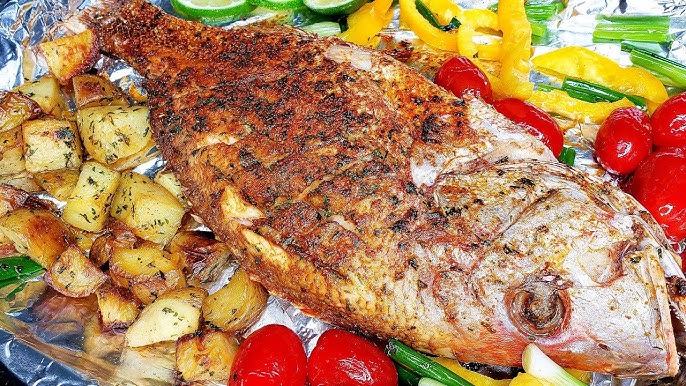
Snapper Recipe: Snapper is a popular saltwater fish recognized for its firm texture and mildly sweet flavor. Known for its bright red hue (especially the Red Snapper variety), this fish is a versatile choice in many culinary traditions, from Caribbean to Mediterranean. It’s loved not only for its taste but also for its adaptability—you can bake it, grill it, sear it, or even steam it with great results.
Snapper comes in different varieties, but Red Snapper is the most common and widely used in recipes. Its firm flesh holds up well to various cooking techniques, and it absorbs marinades and spices beautifully. Whether you’re a seasoned cook or a beginner in the kitchen, snapper offers a forgiving canvas for building flavor-packed meals.
Why Choose Snapper for Your Meal?
If you’re searching for a fish that’s delicious, nutritious, and easy to cook, snapper checks all the boxes. Not only is it rich in lean protein and omega-3 fatty acids, but it also offers essential vitamins like B12 and D. Snapper is also lower in mercury compared to other fish, making it a safer option for regular consumption.
Another great reason to choose snapper is its flavor profile. It’s not overly “fishy,” which appeals to even those who aren’t big seafood fans. Its subtle sweetness pairs perfectly with citrus, herbs, and spicy rubs, letting you play around with both bold and delicate seasonings.
Ingredients You’ll Need
Fresh Snapper Selection Tips
When it comes to any fish recipe, freshness is key. For the best flavor and texture, select whole snapper or fillets that are firm, shiny, and have a clean ocean smell. The eyes should be clear (not cloudy), and the gills should be bright red. If you’re buying fillets, make sure the flesh isn’t slimy or dull in appearance.
Always buy from a trusted fishmonger or seafood section. If you have the option to choose between wild-caught and farm-raised, go for wild-caught snapper for a cleaner taste and fewer additives.
Essential Herbs, Spices, and Add-ins
To cook a mouthwatering snapper, here are the essential ingredients you’ll need:
Main Protein:
- 1 whole snapper (about 1.5 to 2 lbs), cleaned and scaled OR 2 snapper fillets
Marinade & Seasonings:
- 2 tablespoons olive oil
- Juice of 1 lemon
- 1 teaspoon garlic powder
- 1 teaspoon paprika
- 1 teaspoon dried thyme or rosemary
- 1/2 teaspoon chili flakes (optional for a kick)
- Salt and black pepper to taste
Optional Add-ins:
- Lemon slices for garnishing
- Fresh parsley or cilantro for a burst of freshness
- Cherry tomatoes or bell peppers if baking with vegetables
These simple yet flavorful ingredients will bring out the best in your snapper without overpowering its natural taste.
Preparation Before Cooking
Cleaning and Gutting the Fish
Properly preparing your snapper is crucial for achieving a restaurant-quality dish at home. If you’re working with a whole fish, make sure it’s thoroughly cleaned and gutted. If your fishmonger hasn’t done this, here’s how to do it yourself:
- Scale the Fish: Use a fish scaler or the back of a knife to remove the scales. Start from the tail and work toward the head. Rinse under cold water to wash off loosened scales.
- Gut the Fish: Make a shallow slit along the belly, from the anus to just below the gills. Use a spoon or your fingers to remove the internal organs, then rinse the cavity well.
- Remove the Fins: Use kitchen shears to snip off the dorsal and pectoral fins.
- Pat Dry: Once cleaned, use paper towels to pat the fish dry inside and out. This helps the skin crisp up beautifully during cooking.
If you’re using fillets, ensure they are boneless and dry. Moisture on the surface can interfere with searing or browning, leading to a soggy finish.
Marination Tips for Maximum Flavor
Marinating your snapper is an easy way to infuse it with layers of flavor. Whether you’re baking, grilling, or pan-frying, a good marinade enhances the taste without overpowering the fish’s natural sweetness.
How to Marinate Snapper:
- Combine olive oil, lemon juice, garlic powder, paprika, thyme, salt, pepper, and chili flakes in a bowl.
- Rub the marinade thoroughly on the outside and inside cavity of the fish (for whole fish), or evenly over fillets.
- Let it rest for at least 20–30 minutes in the fridge. For deeper flavor, you can marinate it for up to 2 hours, but avoid going too long as acidic ingredients like lemon can start to “cook” the fish.
You can also stuff the cavity of a whole snapper with lemon slices, garlic cloves, and fresh herbs to add extra aroma and complexity during baking or grilling.
Cooking Methods for Snapper
Snapper is incredibly versatile and can be cooked in several delicious ways. Here are the top three methods that deliver great results every time:
Oven-Baked Snapper
Baking is ideal for those who love a hands-off, low-mess cooking process. It’s great for whole fish or fillets and preserves moisture beautifully.
Steps:
- Preheat Oven: Set to 400°F (200°C).
- Prepare a Baking Dish: Line with foil or parchment paper, then drizzle a bit of olive oil.
- Place the Fish: Lay the marinated fish or fillets in the dish. Optionally add sliced onions, tomatoes, or bell peppers around the fish.
- Bake: For a whole snapper, bake for 25–30 minutes. For fillets, 15–18 minutes should suffice.
- Check for Doneness: The fish should flake easily with a fork, and internal temperature should be at least 145°F (63°C).
Serve with a drizzle of lemon juice and fresh herbs on top.
Pan-Seared Snapper
This method gives you crispy skin and tender flesh—perfect for a quick weeknight dinner.
Steps:
- Heat a Skillet: Use a nonstick or cast-iron skillet over medium-high heat.
- Add Oil: Heat 2 tablespoons of olive oil until shimmering.
- Place the Fillets: Skin-side down first. Press gently with a spatula to avoid curling.
- Cook: 3–4 minutes on the skin side, then flip and cook another 2–3 minutes until fully cooked.
- Serve Hot: With a wedge of lime or lemon for brightness.
This method delivers flavor-packed snapper in under 10 minutes!
Grilled Snapper Perfection
Grilling snapper adds a smoky, charred flavor that’s irresistible—perfect for outdoor cooking or BBQs.
Steps:
- Preheat Grill: High heat with the grates well-oiled.
- Use a Fish Basket: Especially for whole fish to prevent sticking.
- Grill the Fish: 5–7 minutes per side for a whole snapper; 3–4 minutes for fillets.
- Look for Charring: A little blackening enhances flavor and texture.
Grilled snapper is amazing with mango salsa, grilled vegetables, or a light avocado salad.
Side Dishes to Pair with Snapper
Snapper is incredibly versatile, and the right side dishes can elevate your meal from good to unforgettable. Whether you’re going for a light and refreshing vibe or something hearty and filling, there’s a perfect pairing for every palate.
1. Citrus Rice or Herb-Infused Rice
Snapper pairs beautifully with flavored rice. Lemon rice or cilantro-lime rice adds a zingy balance to the fish’s mild sweetness. You can cook basmati or jasmine rice and finish it with lemon zest, lime juice, and freshly chopped parsley or cilantro.
2. Grilled or Roasted Vegetables
Try zucchini, bell peppers, carrots, or asparagus. A quick toss in olive oil, salt, pepper, and garlic, followed by a roast in the oven or a quick grill, brings out their natural sweetness—complementing the savory snapper perfectly.
3. Garlic Mashed Potatoes
If you want something hearty, buttery mashed potatoes with a touch of garlic create a comforting and satisfying contrast to the fish.
4. Crisp Garden Salad
Sometimes, simple is best. A green salad with arugula, spinach, cucumber, red onions, and a lemon vinaigrette keeps things light and lets the fish shine.
5. Tropical Salsa or Chutney
Mango salsa or pineapple chutney adds a fruity, tangy pop that brightens every bite of grilled or baked snapper.
Pairing is about balance—mix textures and flavors that support but don’t overpower the main event. Think bright, herby, crunchy, and a little tangy.
Storing and Reheating Leftovers
Snapper is best enjoyed fresh, but if you have leftovers, here’s how to store and reheat them properly to preserve flavor and texture.
Storing Snapper:
- Let the fish cool completely before storing.
- Use an airtight container to avoid any fishy odors spreading in your fridge.
- Keep in the refrigerator for up to 2 days.
- For longer storage, wrap tightly in foil or freezer paper, place in a freezer bag, and freeze for up to 1 month.
Reheating Tips:
Oven Reheating (Best for Baked Snapper):
- Preheat oven to 275°F (135°C).
- Wrap the fish in foil with a splash of water or lemon juice to keep it moist.
- Heat for 10–12 minutes or until warm throughout.
Pan Reheating (Best for Pan-Seared Snapper):
- Heat a non-stick pan on low heat.
- Add a drizzle of olive oil and reheat gently for 3–5 minutes.
Avoid the Microwave:
- Microwaving often dries out the fish and leaves an unpleasant smell and rubbery texture.
Always check for any off smells or sliminess before consuming leftover fish to ensure it’s still safe to eat.
Common Mistakes to Avoid
Even experienced cooks can run into issues when cooking fish. Here are the top mistakes to avoid when preparing snapper:
1. Overcooking the Fish
Snapper doesn’t need long to cook. Whether baked, grilled, or seared, overcooking dries out the flesh and ruins its delicate flavor. Always check doneness with a fork—the fish should flake easily but not fall apart.
2. Skipping the Pat Dry Step
Moisture on the fish surface prevents it from browning properly. Always pat your fish dry with paper towels before seasoning or cooking.
3. Not Seasoning Enough
Snapper has a mild flavor, so don’t be shy with the seasoning. A generous rub of herbs, spices, and citrus can elevate your dish.
4. Cooking Straight from the Fridge
Letting the fish sit at room temperature for about 15–20 minutes before cooking ensures it cooks more evenly and prevents the outside from overcooking while the inside is still cold.
5. Using the Wrong Pan or Grill
Avoid using cold or thin pans. For searing, use a heavy-bottomed skillet, and for grilling, ensure the grates are preheated and well-oiled to avoid sticking.
Avoiding these simple pitfalls can dramatically improve your snapper-cooking experience.
Health Benefits of Eating Snapper
Snapper isn’t just delicious—it’s also a powerhouse of nutrition. Whether you’re trying to eat healthier, build lean muscle, or improve heart health, adding snapper to your meal plan is a smart choice.
1. High in Lean Protein
Snapper is rich in high-quality protein, making it perfect for muscle growth and repair. A 3-ounce cooked portion offers around 22 grams of protein, with minimal fat. That’s ideal for anyone watching their fat intake but still wanting a satisfying and nourishing meal.
2. Packed with Omega-3 Fatty Acids
Omega-3s are essential for heart health, brain function, and reducing inflammation. Snapper contains a good dose of these beneficial fats, helping to lower bad cholesterol levels and improve cardiovascular health.
3. Low in Calories, High in Nutrients
Snapper is relatively low in calories—about 110 per 3-ounce serving—but high in vitamins and minerals like:
- Vitamin D: Supports bone health and immunity
- Vitamin B12: Vital for nerve function and energy
- Selenium: An antioxidant that helps protect your cells
- Potassium and Magnesium: Support muscle function and regulate blood pressure
4. Low in Mercury
Unlike some other seafood options, snapper is considered to be on the lower end of the mercury scale, especially when compared to fish like swordfish or king mackerel. This makes it safer for regular consumption, including for pregnant women when eaten in moderation.
5. Supports Brain and Eye Health
Thanks to omega-3s and B vitamins, regular consumption of snapper may help enhance cognitive function and protect against age-related eye diseases.
Choosing snapper isn’t just good for your tastebuds—it’s a solid step toward better health.
FAQs about Snapper Recipe
1. What’s the best way to know when snapper is cooked?
Look for opaque flesh that flakes easily with a fork. The internal temperature should be 145°F (63°C).
2. Can I cook snapper with the skin on?
Yes! Cooking with the skin on, especially when pan-searing or grilling, helps lock in moisture and adds texture. Just make sure to score it slightly to prevent curling.
3. How long should I marinate snapper?
Marinate for 20–30 minutes for best flavor. Avoid marinating for more than 2 hours if the marinade has citrus or vinegar, as it can break down the fish.
4. Can I use frozen snapper for this recipe?
Absolutely. Just ensure it’s fully thawed and patted dry before marinating or cooking to avoid excess moisture.
5. What other fish can I substitute for snapper?
Try tilapia, grouper, sea bass, or cod—all of them have similar textures and work well with the same seasonings and methods.
Conclusion
If you’re looking for a flavorful, healthy, and versatile fish to add to your dinner rotation, snapper is a top-tier choice. Its tender, flaky texture and subtle sweetness make it easy to pair with a wide range of seasonings and side dishes. Whether you’re baking, grilling, or pan-searing, you can’t go wrong with this culinary gem.
By following the steps in this guide—from selecting the freshest fish to marinating it just right and choosing the best cooking method—you’ll be serving up a five-star meal in no time. Add a crisp salad, some seasoned rice, and a squeeze of lemon, and you’ve got yourself a dish that’s both elegant and comforting.
Snapper is not just food—it’s an experience. So go ahead, try this recipe, and turn a simple dinner into something truly special.