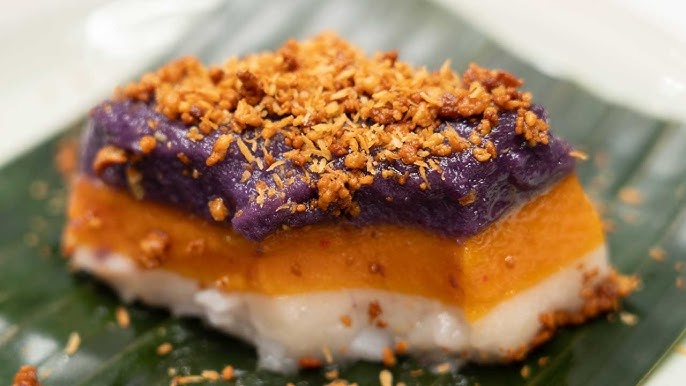
Sapin-Sapin Recipe: Sapin-Sapin is one of the most colorful and beloved traditional Filipino desserts. Known for its vibrant layers, rich coconut flavor, and soft chewy texture, this delicacy is commonly served during celebrations, holidays, birthdays, and family gatherings. The name “Sapin-Sapin” means “layers” in Filipino, perfectly describing the dessert’s striking appearance.
Made primarily from glutinous rice flour, coconut milk, sugar, and flavorings, Sapin-Sapin combines beauty and flavor into one unforgettable treat. Each layer often has a unique taste and color, creating an eye-catching dessert that is both delicious and visually impressive.
This complete guide walks through everything needed to prepare authentic homemade Sapin-Sapin successfully.
Ingredients You’ll Need
Let’s start with what you’ll need in your kitchen. Good news: you probably have most of these already!
For the Main Batter
- 2 cups glutinous rice flour
- 1½ cups granulated sugar
- 4 cups coconut milk
- 1 can condensed milk
- 1 teaspoon vanilla extract
- 1 tablespoon cooking oil or melted butter
For the Colored Layers
Purple Layer
- Ube flavoring or ube halaya
- Purple food coloring
Yellow Layer
- Jackfruit strips (langka)
- Yellow food coloring
White Layer
- Plain coconut mixture
For Topping
- 1 cup toasted coconut curds (latik)
Kitchen Tools Required
Preparing Sapin-Sapin becomes easier with the right tools:
- Steamer
- Mixing bowls
- Whisk
- Measuring cups and spoons
- Round or square baking pan
- Spatula
- Toothpick for testing
- Fine strainer
How to Make Sapin-sapin Step by Step
Step 1: Prepare the Ingredients
We begin by gathering all ingredients needed for this colorful Filipino layered dessert. Prepare glutinous rice flour, coconut milk, sugar, condensed milk, food coloring, and flavorings such as ube or jackfruit extract. Grease a steaming pan lightly with oil or butter to prevent sticking.
Step 2: Make the Batter
In a large bowl, combine glutinous rice flour, coconut milk, condensed milk, and sugar. Mix thoroughly until smooth and lump-free. Divide the batter evenly into three bowls. Add different food colors and flavors to each bowl to create the traditional layered appearance.
Step 3: Steam the First Layer
Pour the first colored mixture into the prepared pan. Place it in a steamer over medium heat and steam for about 10–15 minutes until partially firm. This creates a stable base for the next layers.
Step 4: Add the Remaining Layers
Carefully pour the second layer over the first steamed layer. Steam again for another 10 minutes. Repeat the same process with the final layer. Make sure each layer is slightly firm before adding the next to keep the colors separate and beautiful.
Step 5: Cool and Serve
Once all layers are fully cooked, remove the Sapin-Sapin from the steamer and allow it to cool completely. Top with toasted coconut flakes or latik for extra flavor. Slice into squares or diamonds and serve as a delicious traditional dessert.
Expert Tips for the Best Sapin-Sapin
Use Full-Fat Coconut Milk
Rich coconut milk creates a creamier and softer texture.
Avoid watered-down coconut milk because it affects consistency.
Strain the Batter
A smooth batter ensures:
- Even steaming
- Better texture
- Cleaner layers
Never skip this step.
Steam Using Medium Heat
Extremely high heat can create bubbles and uneven cooking.
Moderate steaming gives smooth, professional-looking layers.
Cover the Steamer Lid With Cloth
Wrapping the lid with a clean cloth prevents water droplets from falling onto the dessert.
This keeps the surface smooth and attractive.
Traditional Sapin-Sapin Variations
Ube Sapin-Sapin
Made with stronger ube flavor and deeper purple layers.
Popular for its sweet nutty flavor.
Langka Sapin-Sapin
Features ripe jackfruit strips for fruity aroma and sweetness.
A classic Filipino favorite.
Chocolate Sapin-Sapin
Uses cocoa powder or chocolate flavoring for a modern twist.
Perfect for chocolate lovers.
Pandan Sapin-Sapin
Includes pandan extract for a fragrant green layer.
Known for its floral coconut aroma.
Serving Suggestions
Sapin-Sapin is best served:
- Slightly chilled
- At room temperature
- During celebrations
- Alongside coffee or tea
It pairs beautifully with:
- Hot chocolate
- Coconut beverages
- Traditional Filipino snacks
How to Store Sapin-Sapin
Refrigeration
Store in an airtight container inside the refrigerator for up to 5 days.
Freezing
Wrap individual slices tightly before freezing.
Can last for approximately 1 month.
Thaw before serving.
Common Mistakes to Avoid
Overcooking the Layers
Excess steaming can make the dessert rubbery and dry.
Always follow recommended steaming times.
Adding Layers Too Quickly
Each layer must partially set before adding another.
Otherwise, colors may blend together.
Using Regular Rice Flour
Only glutinous rice flour provides the signature chewy texture.
Regular rice flour creates a different consistency.
Nutritional Information
Approximate values per serving:
- Calories: 280
- Carbohydrates: 42g
- Fat: 11g
- Protein: 3g
- Sugar: 24g
Values vary depending on ingredients and serving size.
Why Homemade Sapin-Sapin Tastes Better
Fresh homemade Sapin-Sapin offers:
- Better texture
- Richer coconut flavor
- Fresher ingredients
- Customizable sweetness
- More vibrant layers
Making it at home also allows complete control over flavor combinations and presentation.
FAQs about Sapin-Sapin Recipe
1. What is Sapin-Sapin made of?
Sapin-Sapin is a colorful Filipino layered dessert made from glutinous rice flour, coconut milk, sugar, and flavorings. Different food colors and flavors are used to create its beautiful layers, while toppings like toasted coconut flakes or latik add extra texture and flavor.
2. Why is Sapin-Sapin called Sapin-Sapin?
The name “Sapin-Sapin” means “layers” in Filipino. The dessert is famous for its vibrant stacked layers, each with a unique flavor and color, making it both visually appealing and delicious.
3. Can we make Sapin-Sapin without food coloring?
Yes, we can make Sapin-Sapin naturally colorful by using ingredients such as ube, pandan, cocoa powder, or squash puree. These natural ingredients provide flavor and color without artificial dyes.
4. How do we store leftover Sapin-Sapin?
Leftover Sapin-Sapin should be stored in an airtight container in the refrigerator. It usually stays fresh for up to 3 days. Before serving, we can lightly steam or warm it for a softer texture.
5. Is Sapin-Sapin difficult to prepare?
Sapin-Sapin is not difficult, but it requires patience because each layer must be steamed separately. With proper preparation and careful layering, we can create a smooth, colorful, and delicious traditional dessert at home.
Conclusion
Sapin-Sapin remains one of the most iconic Filipino desserts because of its beautiful appearance, rich coconut flavor, and delightfully chewy texture. With carefully steamed colorful layers and crispy latik topping, this dessert transforms simple ingredients into a truly festive delicacy.
By following this complete step-by-step guide, we can create authentic homemade Sapin-Sapin that looks stunning and tastes incredibly delicious. Whether served during celebrations or enjoyed as an everyday sweet treat, this layered rice cake always delivers unforgettable flavor and visual appeal.