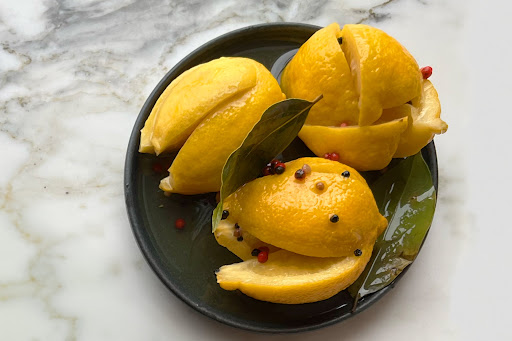
Preserved Lemon Recipe: Preserved lemons are one of the most flavorful and versatile ingredients we can prepare in our kitchen. Their intensely citrusy aroma, tender texture, and deep salty tang create a bold ingredient that transforms ordinary dishes into restaurant-quality meals. Commonly used in Moroccan and Mediterranean cuisine, preserved lemons add brightness and complexity to tagines, roasted vegetables, grilled meats, seafood, pasta, salads, sauces, and dressings.
This traditional preserved lemon recipe is simple, requires minimal ingredients, and develops richer flavor as it ages. With the right method, we can create perfectly soft, flavorful lemons that last for months and become even better over time.
What Are Preserved Lemons?
Preserved lemons are fresh lemons cured in salt and their own juices over several weeks. During the preservation process, the lemon peel softens while developing a concentrated citrus flavor with a savory depth that fresh lemons cannot provide.
Unlike ordinary lemons, preserved lemons have:
- Less bitterness
- More concentrated citrus flavor
- A mildly fermented tang
- Soft edible peels
- Deep umami richness
The peel becomes the star ingredient because it carries most of the flavor after curing.
Why This Preserved Lemon Recipe Works Perfectly
This homemade preserved lemon recipe creates:
- Soft and tender lemon rinds
- Balanced salty citrus flavor
- Long shelf life
- Natural preservation without additives
- Authentic Moroccan-style preserved lemons
The process requires patience, but the reward is an intensely flavorful ingredient that elevates countless recipes.
Ingredients You’ll Need
Main Ingredients
- 6 organic lemons
- 1/2 cup coarse sea salt or kosher salt
- Fresh lemon juice as needed
- 1 sterilized glass jar with lid
Optional Flavor Enhancers
For extra depth, we may add:
- 2 bay leaves
- 1 cinnamon stick
- 1 teaspoon black peppercorns
- 1 teaspoon coriander seeds
- 2 cloves garlic
- Fresh rosemary sprigs
These optional additions create more aromatic preserved lemons suitable for gourmet cooking.
Best Lemons for Preserving
Choosing the right lemons is essential for the best preserved lemon recipe.
Recommended Lemon Types
- Meyer lemons
- Eureka lemons
- Lisbon lemons
Organic lemons are strongly recommended because the peel is the primary edible part.
Look for lemons that are:
- Bright yellow
- Thin-skinned
- Firm
- Heavy for their size
- Free from blemishes
Essential Equipment
To prepare homemade preserved lemons successfully, we need:
- Sharp knife
- Cutting board
- Sterilized glass jar
- Wooden spoon
- Citrus juicer
A clean sterilized jar helps prevent contamination and ensures long-term preservation.
How to Sterilize the Jar Properly
Before starting, sterilize the jar thoroughly.
Simple Sterilization Method
- Wash the jar and lid with hot soapy water.
- Rinse thoroughly.
- Place the jar in boiling water for 10 minutes.
- Allow it to dry completely.
This step keeps the preserved lemons safe and fresh during storage.
Step-by-Step Guide to Making Preserved Lemons
Step 1: Select and Wash the Lemons
Choose fresh, firm, organic lemons with thin skins for the best flavor. Wash them thoroughly under running water to remove dirt and any residue.
Step 2: Cut the Lemons Properly
Slice each lemon lengthwise into quarters, but do not cut all the way through—leave the base intact so the lemon stays connected. This helps hold the seasoning inside.
Step 3: Add Salt Generously
Open each lemon slightly and pack the inside with coarse salt. Be generous—salt is essential for preservation and flavor development.
Step 4: Pack into a Jar
Place the salted lemons tightly into a clean, sterilized glass jar. Press them down firmly to release their juice. Add extra lemon juice if needed to fully cover the lemons. Optionally, include spices like bay leaves, peppercorns, or cinnamon sticks for added aroma.
Step 5: Seal and Ferment
Close the jar tightly and leave it at room temperature for 2–3 days, then transfer it to the refrigerator. Let the lemons ferment for at least 3–4 weeks before use. The longer they sit, the deeper the flavor becomes.
Final Tip: Once ready, rinse lightly before using to reduce saltiness. Preserved lemons are perfect for stews, salads, and marinades, adding a bold, tangy depth.
How Long Do Preserved Lemons Take?
Preserved lemons typically require:
- 3 to 4 weeks minimum for full flavor
- 2 months for deeper complexity
- Several months for ultra-soft peels
The longer they age, the richer and smoother the flavor becomes.
How to Tell When Preserved Lemons Are Ready
Properly cured preserved lemons should have:
- Soft peels
- Deep yellow color
- Strong citrus aroma
- Slightly translucent skin
- Tender texture
The peel should be easy to slice and pleasant to eat.
How to Use Preserved Lemons
Preserved lemons are incredibly versatile in cooking.
Popular Uses
Moroccan Tagines
Add chopped preserved lemon peel to chicken or lamb tagines for authentic flavor.
Salad Dressings
Finely mince preserved lemon peel into vinaigrettes.
Roasted Vegetables
Mix with roasted potatoes, carrots, or cauliflower.
Seafood Dishes
Perfect with salmon, shrimp, cod, and grilled fish.
Rice and Couscous
Stir small pieces into warm grains.
Pasta Recipes
Adds brightness to creamy pasta sauces.
Chicken Marinades
Blend preserved lemon with garlic, herbs, and olive oil.
How to Prepare Preserved Lemons Before Cooking
Before using preserved lemons:
- Remove from the jar.
- Rinse lightly to reduce excess salt.
- Separate peel from pulp if desired.
Most recipes primarily use the peel because it carries the strongest flavor.
Storage Tips for Preserved Lemons
Proper storage keeps preserved lemons fresh for months.
Best Storage Practices
- Keep refrigerated
- Ensure lemons remain submerged in brine
- Use clean utensils when removing lemons
- Seal tightly after each use
How Long Do Preserved Lemons Last?
Homemade preserved lemons can last:
- 6 months to 1 year in the refrigerator
Their flavor often improves with time.
Common Mistakes to Avoid
Using Fine Table Salt
Fine salt dissolves too quickly and may create overly salty lemons.
Use coarse kosher or sea salt instead.
Not Enough Juice
Lemons must stay submerged completely.
Add extra fresh lemon juice whenever needed.
Using Waxed Lemons
Wax-coated lemons affect texture and flavor.
Organic unwaxed lemons work best.
Opening the Jar Too Often
Frequent opening may introduce bacteria.
Keep the jar sealed except when necessary.
Flavor Variations for Preserved Lemons
Spicy Preserved Lemons
Add:
- Chili flakes
- Fresh jalapeños
- Black peppercorns
Herb-Infused Preserved Lemons
Enhance flavor with:
- Rosemary
- Thyme
- Oregano
- Bay leaves
Sweet Citrus Blend
Combine lemons with:
- Oranges
- Meyer lemons
- Grapefruit
This creates a sweeter citrus preserve.
Health Benefits of Preserved Lemons
Preserved lemons contain beneficial compounds including:
- Vitamin C
- Antioxidants
- Natural probiotics from fermentation
- Digestive-supporting citrus oils
They also provide intense flavor without requiring heavy sauces or excess fat.
Traditional Moroccan Preserved Lemon Recipe Tips
Authentic Moroccan preserved lemons rely on simplicity.
Key secrets include:
- Using generous salt
- Packing tightly
- Allowing enough curing time
- Maintaining full submersion
Patience creates the best texture and flavor.
Best Dishes to Pair With Preserved Lemons
Preserved lemons pair beautifully with:
- Chicken
- Lamb
- Fish
- Olives
- Couscous
- Lentils
- Chickpeas
- Yogurt sauces
- Grilled vegetables
Their bright acidity balances rich savory dishes exceptionally well.
FAQs about Preserved Lemon Recipe
1. What are preserved lemons?
Preserved lemons are fresh lemons cured in salt and their own juice until the peel becomes soft, tangy, and deeply flavorful. They are commonly used in Mediterranean, Moroccan, and Middle Eastern dishes.
2. How long does it take to preserve lemons?
Preserved lemons usually take 3 to 4 weeks to develop their best flavor. During this time, the salt softens the lemon peel and creates a bold, salty-citrus taste.
3. What ingredients do we need to make preserved lemons?
We mainly need fresh lemons, coarse salt, and fresh lemon juice. Optional additions include bay leaves, cinnamon sticks, peppercorns, cloves, or chili flakes for extra aroma and flavor.
4. How do we use preserved lemons in cooking?
We can chop the softened peel and add it to tagines, stews, roasted chicken, salads, rice, couscous, sauces, marinades, and dressings. Usually, the peel is the most used part, while the pulp can be added carefully because it is very salty.
5. How should preserved lemons be stored?
Preserved lemons should be kept in a clean, airtight jar and stored in the refrigerator after curing. Always use a clean spoon or fork when removing lemons to keep the jar fresh and safe.
Final Thoughts
A homemade preserved lemon recipe is one of the easiest ways to create a powerful gourmet ingredient using simple pantry staples. With only lemons, salt, and time, we can produce deeply flavorful preserved citrus that enhances countless dishes with bold Mediterranean character.
Once we start cooking with preserved lemons, they quickly become an essential ingredient for elevating everyday meals into vibrant, aromatic dishes packed with rich citrus depth and savory complexity.