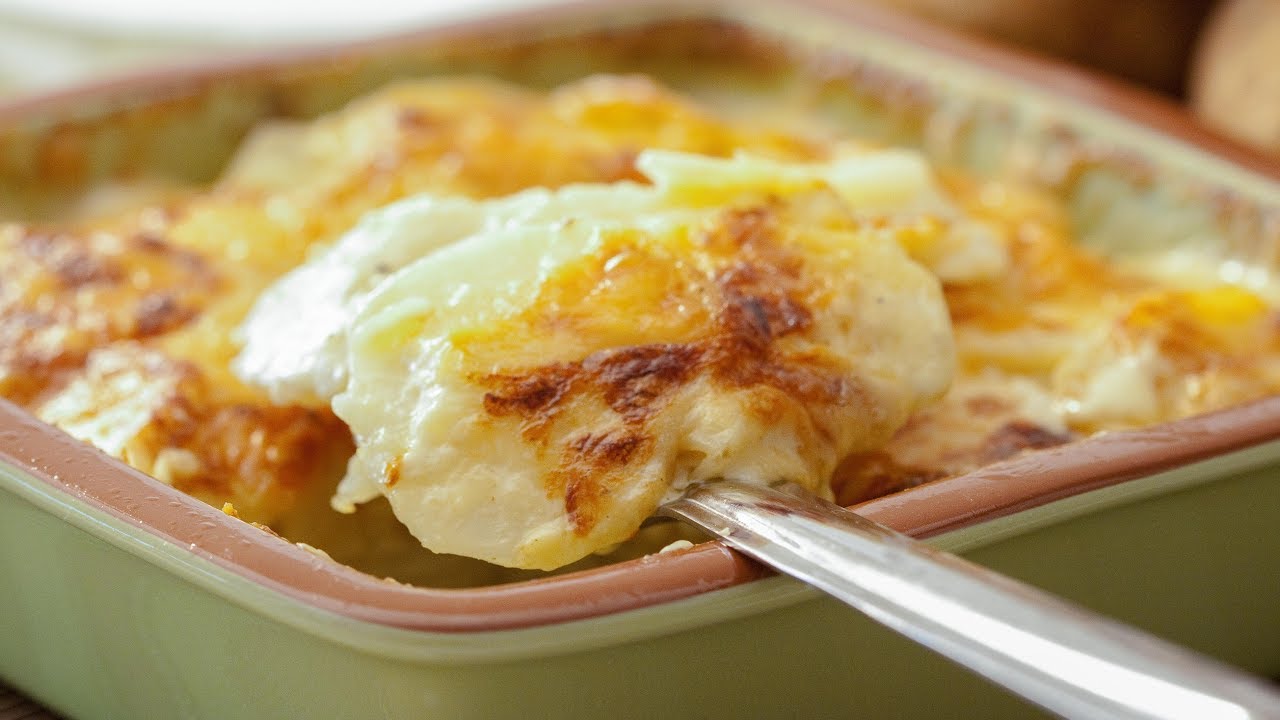
Potatoes Dauphinoise Recipe: Potatoes Dauphinoise is a rich, creamy, and elegant French-style potato dish made with thinly sliced potatoes, cream, garlic, butter, and seasoning. It is baked slowly until the potatoes become tender, the cream thickens beautifully, and the top turns golden, bubbling, and irresistible.
This classic recipe is perfect for Sunday dinners, Christmas meals, Easter lunch, Thanksgiving sides, family gatherings, steak dinners, roasted chicken, lamb, turkey, and special occasions.
Unlike ordinary scalloped potatoes, Potatoes Dauphinoise is known for its smooth, luxurious texture and deep creamy flavor. The secret is in slicing the potatoes very thinly, seasoning the cream properly, and baking the dish slowly so every layer becomes soft, flavorful, and beautifully infused with garlic and butter.
Ingredients You’ll Need for Potatoes Dauphinoise
To make a delicious homemade Potatoes Dauphinoise recipe, we need simple ingredients that work together to create a rich and comforting side dish.
Main Ingredients
- 1.5kg potatoes, preferably waxy or all-purpose potatoes
- 500ml heavy cream or double cream
- 250ml whole milk
- 3 garlic cloves, finely minced or crushed
- 2 tablespoons unsalted butter, softened
- 1 teaspoon salt, or to taste
- ½ teaspoon black pepper, freshly ground
- ¼ teaspoon nutmeg, freshly grated if possible
- 1 teaspoon fresh thyme leaves, optional
- 100g Gruyère cheese, grated, optional but delicious
- Extra butter, for greasing the baking dish
Best Potatoes to Use
For the best Potatoes Dauphinoise, we should use potatoes that hold their shape while becoming tender and creamy. Yukon Gold, Maris Piper, Charlotte, King Edward, or Desiree potatoes work very well. These potatoes absorb the cream beautifully and give the dish a soft but structured finish.
Avoid using potatoes that are too watery because they can make the sauce thin. Very floury potatoes may break apart too much, while waxy potatoes help the layers stay neat and attractive.
Step-by-Step Guide to Make Potatoes Dauphinoise
Step 1: Prepare the Baking Dish
We begin by preparing a medium to large oven-safe baking dish. Rub the inside of the dish generously with softened butter. This prevents sticking and adds a rich buttery flavor to the edges of the potatoes.
For extra flavor, cut one garlic clove in half and rub the cut side around the inside of the dish before buttering it. This gives the dish a gentle garlic aroma from the very beginning.
Step 2: Peel and Slice the Potatoes Thinly
Peel the potatoes and rinse them briefly. Slice them into very thin rounds, about 2–3mm thick. The thinner the slices, the creamier and softer the final dish will be.
A mandoline slicer is the best tool for even slices, but a sharp knife also works if we slice carefully. Even slices are important because they cook at the same speed and create clean, beautiful layers.
After slicing, do not soak the potatoes in water. The natural starch on the potato slices helps thicken the cream as the dish bakes. This starch is one of the keys to a smooth and creamy Dauphinoise potatoes recipe.
Step 3: Make the Garlic Cream Mixture
In a saucepan, combine the heavy cream, whole milk, minced garlic, salt, black pepper, nutmeg, and thyme. Place the pan over low to medium heat and warm the mixture gently.
We do not need to boil it aggressively. A gentle simmer is enough to infuse the cream with garlic and seasoning. Stir occasionally so the cream does not catch at the bottom of the pan.
The nutmeg adds warmth and depth without overpowering the dish. It is a traditional flavor that works beautifully with cream and potatoes.
Step 4: Add the Potatoes to the Cream
Add the sliced potatoes into the warm cream mixture and stir gently so every slice is coated. Let the potatoes simmer lightly for about 5–7 minutes. This helps begin the cooking process and allows the starch from the potatoes to slightly thicken the cream.
Be careful not to break the potato slices. Use a spatula or wooden spoon and turn them gently. This step makes the final baked dish creamier and helps the potatoes cook evenly in the oven.
Step 5: Layer the Potatoes in the Baking Dish
Using a spoon or tongs, transfer the creamy potato slices into the prepared baking dish. Arrange them in even layers. Pour the remaining garlic cream mixture over the potatoes, making sure the liquid spreads evenly across the dish.
Press the potatoes down gently so they sit in the cream. The cream should come close to the top of the potatoes but should not completely drown them.
For a more luxurious version, sprinkle a little grated Gruyère cheese between some of the layers. Traditional Potatoes Dauphinoise often does not require cheese, but Gruyère adds a rich, nutty flavor and helps create a golden top.
Step 6: Add Butter and Cheese on Top
Dot the top of the potatoes with small pieces of butter. If using cheese, sprinkle the grated Gruyère evenly over the top. This creates a beautifully golden, slightly crisp surface while the inside remains soft and creamy.
Do not add too much cheese if we want a more classic French-style result. The main flavor should still come from the potatoes, cream, garlic, and butter.
Step 7: Bake Until Golden and Tender
Preheat the oven to 160°C to 170°C. Place the baking dish in the oven and bake for 60–75 minutes, depending on the depth of the dish and thickness of the potato slices.
The Potatoes Dauphinoise is ready when the top is golden brown and bubbling, and a knife slides easily through the center. If the top browns too quickly, cover the dish loosely with foil and continue baking until the potatoes are tender.
For the best texture, bake slowly rather than rushing the dish at high heat. Slow baking allows the cream to reduce gently and the potatoes to become tender without curdling the sauce.
Step 8: Rest Before Serving
Once baked, remove the dish from the oven and let it rest for 10–15 minutes before serving. This resting time allows the cream to settle and thicken slightly, making it easier to serve neat portions.
The top should be golden and slightly crisp, while the inside should be creamy, soft, and full of garlic flavor.
Tips for the Best Potatoes Dauphinoise
For a perfect Potatoes Dauphinoise recipe, slice the potatoes evenly and thinly. Thick slices may take too long to cook and can make the dish uneven.
Use full-fat cream and whole milk for the richest result. Low-fat milk can make the sauce watery and less satisfying. The beauty of this dish comes from its creamy, indulgent texture.
Season each part properly. Potatoes need enough salt because they absorb seasoning as they bake. The cream should taste slightly well-seasoned before it goes into the oven.
Avoid rinsing the potato slices after cutting. The starch is important for thickening the cream naturally.
Use fresh garlic for the best flavor. Garlic powder can work in a hurry, but fresh garlic gives a deeper and more authentic taste.
Let the dish rest before serving. This small step improves the texture and helps the layers hold together.
How to Serve Potatoes Dauphinoise
Potatoes Dauphinoise is a perfect side dish for roasted meats, grilled proteins, and elegant dinners. It pairs beautifully with roast beef, lamb, chicken, turkey, pork, steak, duck, and baked fish.
For a complete meal, serve it with roasted vegetables, green beans, asparagus, glazed carrots, sautéed spinach, or a crisp green salad. The freshness of vegetables balances the richness of the creamy potatoes.
This dish is also excellent for festive meals. It works well on a holiday table because it feels elegant, comforting, and satisfying.
Make-Ahead Potatoes Dauphinoise
We can prepare Potatoes Dauphinoise ahead of time, making it convenient for entertaining. Assemble the dish, cover it tightly, and refrigerate it for up to 24 hours before baking.
When ready to bake, remove it from the fridge about 30 minutes before placing it in the oven. This helps the dish bake evenly. Add a few extra minutes to the baking time if it is still cold.
We can also bake it fully, cool it, cover it, and refrigerate it. To reheat, cover with foil and warm in the oven at 160°C until heated through. Remove the foil for the final few minutes to refresh the golden top.
How to Store Leftovers
Store leftover Potatoes Dauphinoise in an airtight container in the refrigerator for up to 3 days. Reheat in the oven for the best texture. The microwave can be used for convenience, but the oven keeps the top better and prevents the potatoes from becoming too soft.
Freezing is possible, but not ideal because cream-based sauces can separate after thawing. For the best quality, enjoy the dish fresh or refrigerated for a few days.
Common Mistakes to Avoid
One common mistake is slicing the potatoes too thick. Thin slices are essential for tender layers and a creamy texture.
Another mistake is using too much liquid. The potatoes should be coated and surrounded by cream, but the dish should not be swimming in sauce.
Baking at too high a temperature can cause the cream to split. A moderate oven temperature gives the best smooth and creamy result.
Under-seasoning is also a problem. Potatoes need generous seasoning to taste rich and balanced.
Skipping the resting time can make the dish loose when served. Allowing it to rest gives a better final presentation.
Potatoes Dauphinoise Recipe Variations
For a richer version, add more Gruyère cheese or a little Parmesan on top. For a herbier flavor, add rosemary, thyme, or bay leaf to the cream while warming it.
For a stronger garlic flavor, use four or five garlic cloves. For a milder flavor, rub the dish with garlic instead of adding minced garlic directly to the cream.
For a lighter version, use more milk and less cream, but keep some cream for the classic texture. The result will be less rich but still delicious.
For a special dinner version, add caramelized onions between the layers. This gives the dish a sweet, savory depth that works beautifully with roasted meats.
FAQs about Potatoes Dauphinoise Recipe
1. What is Potatoes Dauphinoise?
Potatoes Dauphinoise is a classic French potato dish made with thinly sliced potatoes baked slowly in cream, milk, garlic, and seasoning until tender, rich, and golden on top. It is known for its creamy texture and elegant flavor.
2. What type of potatoes are best for Potatoes Dauphinoise?
The best potatoes for Potatoes Dauphinoise are starchy or all-purpose potatoes such as Maris Piper, Yukon Gold, Russet, or King Edward. These potatoes soften beautifully while baking and help create a creamy, well-set dish.
3. Can we make Potatoes Dauphinoise ahead of time?
Yes, we can prepare Potatoes Dauphinoise ahead of time. We may assemble the dish, cover it, and refrigerate it before baking. Alternatively, we can bake it fully, cool it, refrigerate it, and reheat it gently before serving.
4. Why is my Potatoes Dauphinoise watery?
Potatoes Dauphinoise may become watery if the potatoes are not starchy enough, if too much liquid is used, or if the dish is not baked long enough. For best results, we should use the right potatoes and allow the cream mixture to thicken properly.
5. Can we add cheese to Potatoes Dauphinoise?
Traditional Potatoes Dauphinoise is usually made without cheese, but we can add Gruyère, Parmesan, or cheddar for extra richness. Cheese gives the dish a golden, savory crust while keeping the inside creamy and flavorful.
Final Thoughts
Potatoes Dauphinoise is one of the most comforting and elegant potato side dishes we can prepare at home. With thinly sliced potatoes, warm garlic cream, butter, gentle seasoning, and slow baking, we create a dish that is creamy inside, golden on top, and full of rich flavor.
This recipe is simple enough for family dinners yet impressive enough for holidays and celebrations. When prepared carefully, every spoonful delivers soft potato layers, silky cream, gentle garlic, and a deeply satisfying finish.