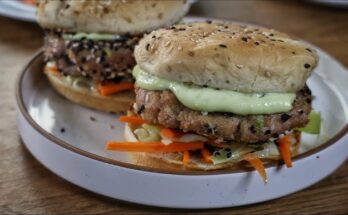
Potato Rolls Recipe: Potato rolls are soft, fluffy, slightly sweet dinner rolls made with mashed potatoes, flour, yeast, butter, milk, and eggs. They are loved for their tender texture, golden crust, and rich homemade flavor. Unlike ordinary bread rolls, potato rolls stay moist for longer because the starch in the potatoes helps hold moisture inside the dough. This makes them perfect for family dinners, holiday meals, breakfast sandwiches, sliders, and everyday homemade bread.
When we prepare homemade potato rolls, we create a bread that is light, pillowy, and flavorful without being complicated. The mashed potatoes blend into the dough, giving the rolls a smooth crumb and a soft bite. Whether we serve them with butter, soup, roasted meat, stew, eggs, or jam, these rolls always feel warm, comforting, and satisfying.
Ingredients You’ll Need for Potato Rolls
To make soft and fluffy potato rolls, we need simple pantry ingredients. Each ingredient plays an important role in building flavor, structure, softness, and rise.
Main Ingredients
- 1 cup mashed potatoes, plain and smooth
- 3 ½ to 4 cups all-purpose flour, plus extra for kneading
- 2 ¼ teaspoons active dry yeast, equal to 1 standard packet
- ½ cup warm milk, not hot
- ¼ cup warm water
- ¼ cup granulated sugar
- ¼ cup unsalted butter, melted
- 1 large egg, room temperature
- 1 ½ teaspoons salt
For Brushing the Rolls
- 2 tablespoons melted butter, for brushing after baking
- Optional: 1 tablespoon milk or egg wash, for a shinier crust before baking
Best Potatoes to Use for Potato Rolls
For the best potato rolls recipe, we should use starchy potatoes such as Russet potatoes or Yukon Gold potatoes. Russet potatoes create a light, airy texture because they mash smoothly and absorb moisture well. Yukon Gold potatoes add a slightly buttery flavor and a rich golden color.
The mashed potatoes should be plain, without added garlic, cheese, pepper, gravy, or strong seasonings. A small amount of butter or milk in the mashed potatoes is acceptable, but heavily seasoned mashed potatoes can change the flavor of the rolls.
If we are using leftover mashed potatoes, we should make sure they are not too watery. Thick, smooth mashed potatoes work best because they blend evenly into the dough and help create soft, tender rolls.
How to Make Mashed Potatoes for Rolls
To prepare fresh mashed potatoes, peel and cut one medium potato into small cubes. Boil the potato in salted water until tender, then drain well. Mash until smooth and allow it to cool slightly before adding it to the dough.
The mashed potatoes should be warm or room temperature, not hot. Hot potatoes can affect the yeast and prevent the dough from rising properly. If the potatoes are cold from the refrigerator, we can let them sit at room temperature before using them.
Step-by-Step Guide to Making Potato Rolls
Step 1: Activate the Yeast
In a small bowl, combine warm water, warm milk, and sugar. Sprinkle the yeast over the liquid and let it sit for about 5 to 10 minutes until foamy.
The liquid should feel warm to the touch, not hot. If the liquid is too hot, it can weaken or kill the yeast. If the yeast mixture becomes foamy, it means the yeast is active and ready to use.
Step 2: Mix the Wet Ingredients
In a large mixing bowl, add the mashed potatoes, melted butter, and egg. Mix until smooth and evenly combined. The mashed potatoes should break down into the mixture without leaving large lumps.
This step gives the dough its soft texture. The butter adds richness, the egg adds structure, and the potatoes provide moisture.
Step 3: Combine the Yeast Mixture with the Potato Mixture
Pour the foamy yeast mixture into the bowl with the mashed potatoes. Stir gently until everything is well blended.
At this stage, the mixture may look slightly thick and creamy. This is normal because the potatoes create body in the dough.
Step 4: Add Flour and Salt
Add 3 ½ cups of flour and salt to the wet mixture. Stir with a wooden spoon or dough hook until a soft dough begins to form.
If the dough feels too sticky, add more flour gradually, one tablespoon at a time. We should avoid adding too much flour because excess flour can make the rolls dense instead of soft.
The dough should be soft, slightly tacky, and easy to handle.
Step 5: Knead the Dough
Transfer the dough to a lightly floured surface. Knead for about 8 to 10 minutes by hand until the dough becomes smooth and elastic.
If using a stand mixer, knead with a dough hook on medium-low speed for about 5 to 7 minutes.
A properly kneaded dough should feel soft, stretchy, and slightly springy. When pressed gently, it should slowly bounce back. This kneading process helps develop gluten, which gives the rolls their shape and fluffy texture.
Step 6: First Rise
Place the dough in a lightly greased bowl. Turn it once so the surface is lightly coated with oil or butter. Cover the bowl with a clean kitchen towel or plastic wrap.
Let the dough rise in a warm place for about 1 to 1 ½ hours, or until it doubles in size.
The rising time may vary depending on room temperature. In a warm kitchen, the dough rises faster. In a cooler room, it may need more time.
Step 7: Punch Down the Dough
Once the dough has doubled, gently punch it down to release excess air. Transfer it to a lightly floured surface.
This step helps redistribute the yeast and creates an even texture in the finished rolls.
Step 8: Shape the Potato Rolls
Divide the dough into 12 equal pieces for large rolls or 15 smaller pieces for dinner rolls.
Shape each piece into a smooth ball by tucking the edges underneath and rolling gently with your palm. Place the shaped rolls into a greased baking dish or lined baking sheet.
For soft pull-apart rolls, place them close together in a baking pan. For rolls with more crust around the edges, space them apart on a baking sheet.
Step 9: Second Rise
Cover the shaped rolls and let them rise again for about 30 to 45 minutes, or until puffy.
This second rise is important because it gives the rolls their final light and airy texture. The rolls should look noticeably larger before baking.
Step 10: Bake the Potato Rolls
Preheat the oven to 375°F (190°C).
Brush the tops lightly with milk or egg wash if we want a glossy golden finish. Bake for 18 to 22 minutes, or until the rolls are golden brown on top and cooked through.
The rolls should sound slightly hollow when tapped and should have a soft but firm structure.
Step 11: Brush with Butter
As soon as the potato rolls come out of the oven, brush the tops with melted butter. This gives them a soft, rich crust and adds beautiful flavor.
Let the rolls cool for at least 10 minutes before serving. They are best enjoyed warm, but they also taste excellent at room temperature.
Tips for Soft and Fluffy Potato Rolls
For the softest potato rolls, we should avoid using too much flour. A slightly tacky dough produces lighter rolls than a dry, stiff dough.
The mashed potatoes should be smooth and lump-free. Large potato lumps can create uneven texture in the rolls.
We should also allow enough time for both rises. If the dough does not rise properly, the rolls may turn out heavy. Yeast dough needs warmth, moisture, and patience.
Brushing the rolls with butter after baking keeps the tops tender and adds a rich homemade taste.
How to Serve Potato Rolls
Potato rolls are extremely versatile. We can serve them as dinner rolls with butter, honey, jam, or gravy. They also make excellent sandwich rolls because they are soft but sturdy enough to hold fillings.
They pair beautifully with roasted chicken, turkey, beef stew, vegetable soup, creamy pasta, baked beans, scrambled eggs, and grilled meat. For breakfast, we can slice them open and serve with eggs, cheese, sausage, or a little butter and jam.
For parties, potato rolls can be used as slider buns. Their soft texture works well with pulled chicken, mini burgers, egg salad, ham, cheese, or roasted vegetables.
How to Store Homemade Potato Rolls
Once the rolls have cooled completely, store them in an airtight container or sealed bag at room temperature for up to 3 days.
To keep them soft, we should avoid leaving them uncovered. Bread dries out quickly when exposed to air.
For longer storage, potato rolls can be frozen. Place the cooled rolls in a freezer-safe bag, remove excess air, and freeze for up to 2 months. To serve, thaw at room temperature and warm in the oven for a few minutes.
How to Reheat Potato Rolls
To reheat potato rolls, place them in a warm oven at 300°F (150°C) for about 8 to 10 minutes. We can also wrap them in foil to keep them extra soft.
For a quick option, microwave one roll for about 10 to 15 seconds. However, microwaving too long can make bread chewy, so short heating is best.
Common Mistakes to Avoid
One common mistake is using hot liquid when activating the yeast. The liquid should be warm, not boiling. Another mistake is adding too much flour during kneading. A soft dough may feel slightly sticky, but that is what helps the rolls stay tender.
We should also avoid skipping the second rise. The second rise gives the rolls their final fluffy texture and helps them bake evenly.
Using watery mashed potatoes can also affect the dough. If the potatoes are too loose, the dough may require too much extra flour, which can change the texture.
Potato Rolls Recipe Variations
For a sweeter version, we can increase the sugar slightly and serve the rolls with honey butter. For a savory version, we can add chopped herbs such as parsley, rosemary, thyme, or chives.
For cheese potato rolls, we can fold in shredded cheddar or parmesan during shaping. For garlic butter potato rolls, brush the baked rolls with melted butter mixed with garlic powder and parsley.
Whole wheat flour can also be used, but it is best to replace only part of the all-purpose flour so the rolls remain soft.
Why This Potato Rolls Recipe Works
This potato rolls recipe works because it balances starch, fat, moisture, and yeast. The mashed potatoes make the rolls tender, the butter adds richness, the egg improves structure, and the yeast creates a beautiful rise.
The result is a batch of golden, soft, homemade rolls with a delicate crumb and comforting flavor. These rolls are simple enough for everyday baking but special enough for holidays, family gatherings, and Sunday dinners.
FAQs about Potato Rolls Recipe
1. What are potato rolls made of?
Potato rolls are usually made with mashed potatoes or potato flour, all-purpose flour, yeast, milk, butter, sugar, eggs, and salt. The potato adds extra moisture, giving the rolls a soft, fluffy, and slightly chewy texture.
2. Why are potato rolls so soft?
Potato rolls are soft because potatoes help hold moisture in the dough. The starch in the potatoes keeps the bread tender and prevents it from drying out quickly, making potato rolls ideal for dinner rolls, sliders, and sandwiches.
3. Can we use leftover mashed potatoes for potato rolls?
Yes, we can use leftover mashed potatoes as long as they are not too heavily seasoned. Plain mashed potatoes work best. If the potatoes already contain butter or milk, we may need to adjust the liquid and fat in the recipe slightly.
4. How long should potato roll dough rise?
Potato roll dough usually needs to rise for 1 to 2 hours for the first rise, or until doubled in size. After shaping, the rolls should rise again for about 30 to 45 minutes before baking.
5. How do we store potato rolls?
We can store potato rolls in an airtight container at room temperature for 2 to 3 days. For longer storage, freeze them in a sealed freezer bag. To serve, warm them in the oven or microwave until soft again.
Final Thoughts
Homemade potato rolls are one of the best ways to turn simple ingredients into warm, bakery-style bread. With mashed potatoes, flour, yeast, butter, milk, and a little patience, we can create rolls that are soft, fluffy, flavorful, and perfect for almost any meal.
This recipe gives us tender dinner rolls with a golden top, a moist center, and a rich homemade taste. Whether we serve them fresh from the oven, use them for sandwiches, or freeze them for later, potato rolls remain a dependable and delicious bread recipe worth making again and again.