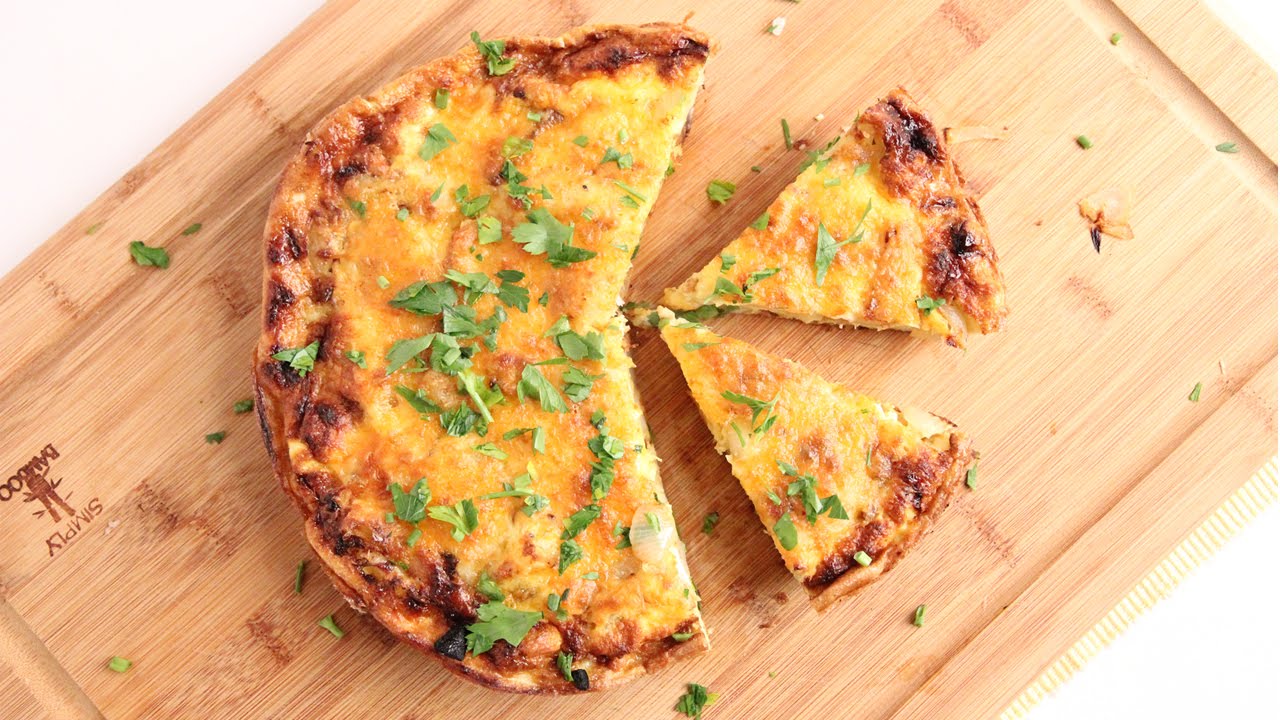
A potato frittata recipe is one of the most satisfying dishes we can prepare when we want something hearty, simple, and full of comforting flavor. Made with tender potatoes, eggs, onions, seasoning, and optional vegetables or cheese, this dish is perfect for breakfast, brunch, lunch, or a light dinner. It is filling without being complicated, rustic without being plain, and elegant enough to serve to guests.
The beauty of a homemade potato frittata is its versatility. We can keep it simple with only potatoes and eggs, or we can enrich it with bell peppers, spinach, herbs, cheese, mushrooms, tomatoes, or cooked meat. The result is a golden, firm, and flavorful egg dish with soft potatoes inside and a lightly browned top.
This step-by-step potato frittata guide shows how we can make a delicious frittata with the right texture, balanced seasoning, and a beautiful finish.
Ingredients You’ll Need for Potato Frittata
To make a rich and flavorful potato frittata, we need simple kitchen ingredients that work beautifully together.
Main Ingredients
- 4 medium potatoes, peeled and thinly sliced or diced
- 6 large eggs
- 1 medium onion, finely chopped or thinly sliced
- 2 tablespoons olive oil or vegetable oil
- 2 tablespoons milk or cream
- ½ teaspoon salt, or to taste
- ½ teaspoon black pepper
- ½ teaspoon garlic powder or 2 fresh garlic cloves, minced
- ½ teaspoon paprika
- ½ cup grated cheese, such as cheddar, mozzarella, parmesan, or a blend
- 2 tablespoons chopped parsley, spring onions, or chives
Optional Add-Ins
- ½ cup bell peppers, diced
- 1 cup fresh spinach, chopped
- ½ cup mushrooms, sliced
- ½ cup cooked sausage, ham, chicken, or bacon, chopped
- 1 small tomato, diced and drained
- A pinch of chili flakes for mild heat
- Fresh thyme, basil, or oregano for extra aroma
Best Potatoes for Potato Frittata
For a good potato frittata recipe, we should use potatoes that become tender without turning watery. Yukon Gold potatoes are excellent because they are creamy and hold their shape well. Red potatoes also work nicely because they stay firm after cooking. Regular white potatoes can be used too, especially when sliced thinly or cut into small cubes.
The key is to cook the potatoes before adding the eggs. Raw potatoes will not cook properly inside the frittata unless they are sliced very thin and given enough time in the pan. For a soft, well-balanced texture, we should lightly fry or boil the potatoes first.
How to Prepare the Potatoes
We begin by peeling the potatoes, though the skin can be left on if we prefer a rustic frittata. After washing them properly, we cut them into thin slices or small cubes. Thin slices give the frittata a layered texture, while cubes create a heartier bite.
If slicing, we should aim for even thickness so the potatoes cook at the same speed. If dicing, the pieces should be small enough to soften quickly. Uneven potato pieces may leave some parts overcooked and others too firm.
For best results, we can rinse the cut potatoes briefly under cold water to remove excess starch. Then we pat them dry with a clean towel. Dry potatoes brown better and prevent excess moisture from weakening the egg mixture.
Step-by-Step Guide to Make Potato Frittata
Step 1: Cook the Potatoes Until Tender
Heat 2 tablespoons of olive oil in a large non-stick oven-safe skillet over medium heat. Add the sliced or diced potatoes and season lightly with salt and black pepper. Cook for about 10 to 12 minutes, stirring occasionally, until the potatoes become tender and lightly golden.
If the potatoes begin to brown too quickly before softening, reduce the heat and cover the pan for a few minutes. This allows them to steam gently while still developing flavor. The potatoes should be soft enough to pierce with a fork but not falling apart.
Step 2: Add Onion and Aromatics
Add the chopped onion to the pan with the potatoes. Cook for another 3 to 5 minutes until the onion becomes soft and fragrant. Add minced garlic or garlic powder, paprika, and any preferred herbs.
This stage builds the flavor base of the frittata. The onion adds sweetness, the garlic adds depth, and paprika gives warmth and color. We should avoid burning the garlic because it can turn bitter quickly.
Step 3: Add Optional Vegetables or Meat
If using bell peppers, mushrooms, spinach, cooked sausage, ham, chicken, or bacon, add them now. Cook vegetables until they soften and release excess moisture. Spinach should wilt, mushrooms should shrink, and tomatoes should be drained before adding.
This step is important because too much liquid can make the frittata soggy. Any ingredient with high moisture should be cooked briefly before the eggs go in.
Step 4: Whisk the Eggs
In a medium bowl, crack 6 large eggs. Add milk or cream, salt, black pepper, and a small amount of grated cheese. Whisk until the eggs are fully combined, but do not overbeat them.
Milk or cream helps create a softer texture, while cheese gives richness and flavor. The egg mixture should look smooth and evenly seasoned.
Step 5: Pour the Egg Mixture Over the Potatoes
Spread the cooked potatoes evenly in the pan. Pour the egg mixture over the potatoes and tilt the skillet slightly so the eggs settle into every space. Sprinkle the remaining cheese on top.
Reduce the heat to low and cook for about 5 to 7 minutes, or until the edges begin to set. The center should still look slightly loose at this stage. We should not stir after adding the eggs, because the frittata needs to set into one firm piece.
Step 6: Finish the Frittata in the Oven
Preheat the oven broiler or set the oven to 180°C / 350°F. Place the skillet in the oven and bake for 8 to 12 minutes, or until the center is fully set. If using the broiler, cook for only 2 to 4 minutes, watching closely so the top does not burn.
The frittata is done when the top is lightly golden and the center no longer jiggles. A knife inserted into the center should come out clean.
Step 7: Rest Before Slicing
Remove the skillet from the oven and let the frittata rest for 5 minutes before slicing. Resting helps the eggs firm up and makes it easier to cut neat portions.
Garnish with chopped parsley, spring onions, chives, or extra cheese before serving.
How to Make Potato Frittata Without an Oven
If we do not have an oven-safe skillet or oven, we can make this potato frittata on the stovetop. After pouring the egg mixture into the pan, cover the skillet with a lid and cook on low heat for 10 to 15 minutes.
To brown the top, carefully flip the frittata using a large plate. Slide it back into the pan and cook the other side for another 2 to 3 minutes. This method gives a firm frittata with a golden surface on both sides.
The most important rule is to keep the heat low. High heat can burn the bottom while leaving the center undercooked.
Tips for the Best Potato Frittata
For a perfect homemade potato frittata, we should always cook the potatoes before adding eggs. This prevents a raw or uneven texture. We should also avoid using too much milk, cream, or watery vegetables because excess liquid can make the frittata loose.
A non-stick skillet makes removal easier, while an oven-safe skillet gives the best finish. Cheese should be used moderately so it enhances the dish without making it too oily. Fresh herbs should be added at the end for brightness and color.
For a lighter frittata, we can reduce the cheese and use more vegetables. For a richer version, we can add cream, parmesan, bacon, sausage, or caramelized onions.
Serving Suggestions for Potato Frittata
A potato frittata can be served warm, at room temperature, or even chilled. It pairs beautifully with fresh salad, toasted bread, roasted vegetables, avocado, baked beans, or fruit.
For breakfast, we can serve it with tea, coffee, or fresh juice. For lunch, we can pair it with a green salad and crusty bread. For dinner, it works well with grilled vegetables or a simple tomato sauce.
It is also a great meal-prep option because it can be sliced into portions and stored for quick meals during the week.
How to Store and Reheat Potato Frittata
Leftover potato frittata should be cooled completely before storage. Place slices in an airtight container and refrigerate for up to 3 days.
To reheat, warm the frittata in a skillet over low heat, in the oven at 160°C / 320°F, or in the microwave for a quick option. The oven or skillet method helps preserve the texture better than the microwave.
Potato frittata can also be eaten cold, making it a convenient option for lunchboxes, picnics, or quick snacks.
Potato Frittata Variations
We can create many delicious variations from this basic potato frittata recipe.
For a cheesy potato frittata, add cheddar, mozzarella, parmesan, or feta. For a vegetable potato frittata, include spinach, mushrooms, bell peppers, onions, and tomatoes. For a meat-loaded potato frittata, use cooked bacon, sausage, chicken, turkey, or ham.
For a Mediterranean version, add olives, feta, tomatoes, oregano, and parsley. For a spicy version, add chili flakes, cayenne pepper, or chopped fresh chili. For a creamy version, use cream instead of milk and add a little extra cheese.
Common Mistakes to Avoid
The most common mistake is adding raw potatoes directly to the eggs without cooking them first. This can lead to hard potatoes inside the frittata. Another mistake is cooking the eggs over high heat, which can make the bottom too brown and the texture rubbery.
Using too many watery vegetables can also affect the final result. Tomatoes, spinach, and mushrooms should be cooked or drained before adding. Overbaking is another issue because eggs continue to firm up after leaving the oven. We should remove the frittata once the center is just set.
FAQs about Potato Frittata Recipe
1. Can we make potato frittata ahead of time?
Yes, we can make potato frittata ahead of time. After baking or cooking, allow it to cool completely, then store it in an airtight container in the refrigerator. It can stay fresh for up to 3 days. Reheat gently in the oven, microwave, or skillet before serving.
2. Do we need to boil the potatoes first?
It is best to parboil or lightly fry the potatoes before adding them to the eggs. This helps them become tender and prevents the frittata from having hard or undercooked potato pieces. Thinly sliced potatoes can also cook directly in the pan if given enough time.
3. What ingredients go well with potato frittata?
Potato frittata pairs well with onions, bell peppers, spinach, cheese, tomatoes, mushrooms, herbs, and cooked meats such as bacon, sausage, or ham. We can keep it simple or add more vegetables for extra flavor and nutrition.
4. Can we cook potato frittata without an oven?
Yes, we can cook it fully on the stovetop. Use a non-stick skillet, cook on low heat, and cover the pan so the eggs set evenly. Flip carefully or cook until the top is firm. An oven or broiler simply helps brown the top faster.
5. How do we prevent potato frittata from becoming dry?
To keep it moist, avoid overcooking the eggs. Cook on low to medium heat, remove it once the center is just set, and use ingredients like cheese, milk, cream, or sautéed vegetables to add softness and flavor.
Conclusion
A potato frittata recipe is a simple, nourishing, and flavorful dish made with everyday ingredients. With tender potatoes, well-seasoned eggs, sweet onions, herbs, and cheese, we can create a satisfying meal that works for breakfast, brunch, lunch, or dinner.
By cooking the potatoes first, seasoning each layer properly, using gentle heat, and finishing the frittata until just set, we achieve a soft interior, golden top, and rich homemade flavor. This step-by-step potato frittata guide gives us a reliable recipe that can be kept classic or customized with vegetables, cheese, herbs, or meat for a delicious meal every time.