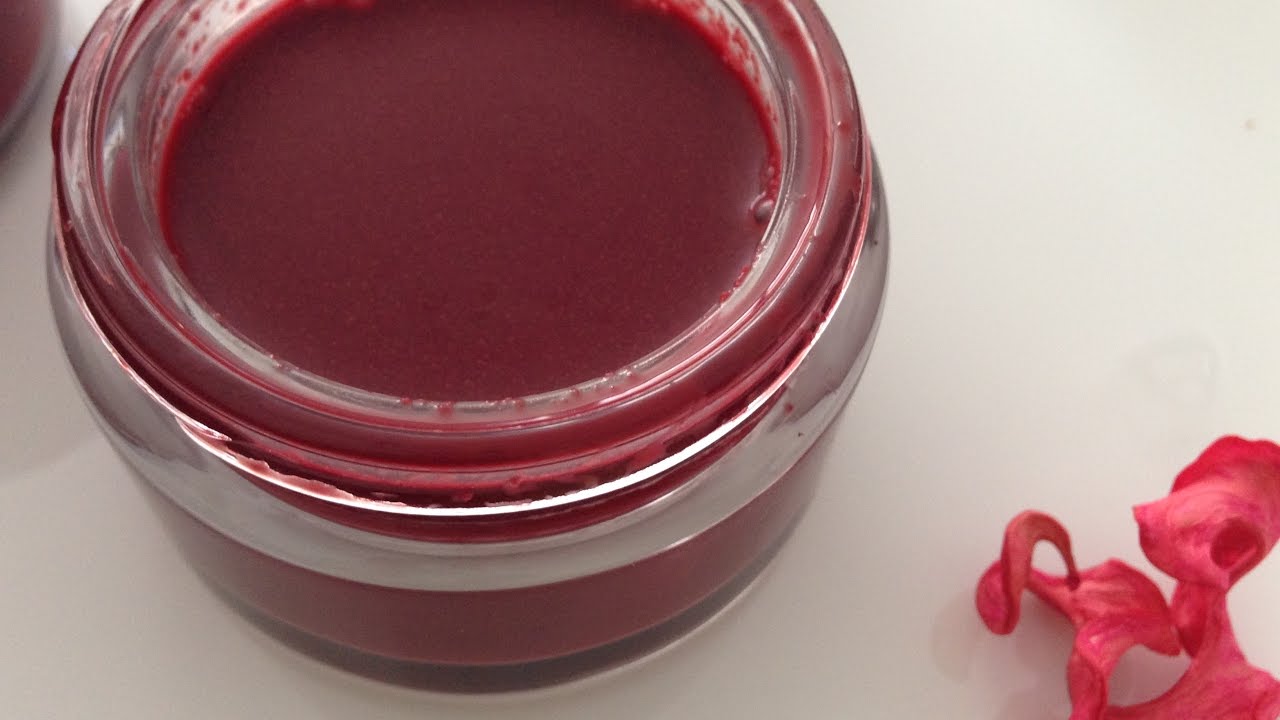
A lip balm recipe should be simple, reliable, and easy to follow with ingredients that truly nourish the lips. When we make lip balm at home, we gain full control over the texture, scent, consistency, and overall quality. We can choose natural ingredients, avoid unnecessary additives, and create a moisturizing balm that feels rich, smooth, and protective on the lips.
This guide covers a practical and effective method for making homemade lip balm with a soft glide, balanced firmness, and lasting moisture. Whether we want a basic unscented balm or a lightly scented version, this recipe delivers a dependable result that works for everyday use.
Ingredients You’ll Need for Lip Balm Recipe
To make a classic homemade lip balm, we need a small group of ingredients that each play an important role in the final texture and performance.
Base Ingredients
- 2 tablespoons beeswax pellets
- 2 tablespoons shea butter
- 2 tablespoons coconut oil
- 1 tablespoon sweet almond oil
- 5 to 10 drops essential oil of choice, optional
- Lip balm tubes or small tins
These quantities make several tubes of lip balm, depending on container size.
Why These Ingredients Work So Well
A good lip balm recipe depends on the right balance of wax, butter, and oil.
Beeswax
Beeswax gives the lip balm structure. It helps the balm stay solid at room temperature and creates a protective layer on the lips that helps reduce moisture loss.
Shea Butter
Shea butter adds creaminess and deep nourishment. It softens the lips and gives the balm a smooth, luxurious feel.
Coconut Oil
Coconut oil helps the balm glide easily during application. It also supports softness and makes the formula feel lighter and silkier.
Sweet Almond Oil
Sweet almond oil improves spreadability and adds extra moisture. It helps prevent the balm from feeling too stiff or waxy.
Essential Oil
An essential oil is optional, but it can add a light scent. Peppermint, vanilla, lavender, or sweet orange are popular choices. A small amount is enough.
Tools Needed to Make Homemade Lip Balm
Before starting, it helps to have all tools ready so the process stays clean and efficient.
Recommended Tools
- Small heat-safe glass bowl or measuring cup
- Small saucepan
- Spoon or spatula
- Pipette or pouring container with spout
- Lip balm tubes or tins
- Paper towel or cloth for cleanup
A double boiler method works best because it melts the ingredients gently and reduces the risk of overheating.
Step-by-Step Guide to Making Lip Balm
Step 1: Prepare Your Containers
Set out the lip balm tubes or tins on a flat surface before melting the ingredients. This step matters because the mixture begins to set quickly once removed from heat. Having the containers ready allows us to pour immediately and avoid waste.
If we are using tubes, we should make sure they are twisted all the way down before filling them. If we are using tins, the lids should be nearby so they can be closed after the balm cools.
Step 2: Create a Simple Double Boiler
Fill a small saucepan with a little water and place it on low heat. Then place a heat-safe bowl or measuring cup over the saucepan. The bottom of the bowl should not sit directly in the water.
This gentle heating method helps melt beeswax, shea butter, and oils evenly without burning the mixture.
Step 3: Add the Beeswax, Shea Butter, and Oils
Add the beeswax pellets, shea butter, coconut oil, and sweet almond oil to the bowl. Let them melt slowly over low heat.
Stir occasionally until the mixture becomes completely smooth and fully liquid. There should be no visible wax pellets or lumps of butter remaining.
The texture at this stage should look clear or lightly golden, depending on the ingredients used.
Step 4: Remove from Heat
Once everything has melted, carefully remove the bowl from the heat. Work gently and steadily because the mixture will be hot.
This is the best time to add any optional essential oil. Stir it in well so the scent distributes evenly throughout the balm. A few drops are enough. Too much can make the balm overpowering or irritating, so restraint is best.
Step 5: Pour the Lip Balm Mixture
Quickly pour the melted mixture into the prepared tubes or tins. A container with a spout makes this much easier, but a small spoon or pipette can also work.
Fill each container carefully, almost to the top. As the balm cools, the surface may flatten slightly.
If bubbles appear, they usually settle on their own. If needed, we can lightly tap the containers on the table to help release trapped air.
Step 6: Let the Lip Balm Cool Completely
Allow the balm to cool at room temperature until fully set. This usually takes around 30 minutes to 1 hour, depending on the container size and room temperature.
Do not cap the tubes or tins too early. Closing them before the balm sets can trap heat and moisture, which can affect the final finish.
Once fully cool, the lip balm is ready to use.
Best Texture Tips for a Perfect Lip Balm Recipe
The texture of homemade lip balm can be adjusted depending on personal preference.
For a Firmer Lip Balm
Add a little more beeswax. This creates a harder balm that holds its shape better in warm conditions.
For a Softer Lip Balm
Reduce the beeswax slightly or increase the carrier oil a little. This makes the balm softer and easier to spread.
For a Creamier Feel
Increase the shea butter slightly. This gives the balm a richer and more buttery texture.
The ideal formula often depends on climate. In hotter environments, a firmer balm usually performs better. In cooler conditions, a softer balm can feel more comfortable.
Popular Variations for Homemade Lip Balm
A classic lip balm recipe can be customized in many ways while still keeping the method simple.
Vanilla Lip Balm
Add a skin-safe vanilla flavor oil or a mild vanilla essential oil alternative for a warm, sweet finish.
Peppermint Lip Balm
Add a very small amount of peppermint essential oil for a refreshing feel. Keep the amount low to avoid irritation.
Lavender Lip Balm
A few drops of lavender essential oil can create a softer, calming scent.
Tinted Lip Balm
To make a tinted balm, we can add a tiny amount of cosmetic-grade mica or a lip-safe natural colorant. Only a small amount is needed for a subtle tint.
Vegan Lip Balm Recipe Option
If we want a vegan alternative, we can replace beeswax with candelilla wax. Since candelilla wax is firmer than beeswax, we usually need less of it.
How to Store Homemade Lip Balm
Proper storage helps maintain freshness and texture.
Storage Tips
- Keep lip balm in a cool, dry place
- Avoid direct sunlight
- Keep lids tightly closed after use
- Store away from heat sources
Homemade lip balm typically lasts well for several months when stored properly. Using clean containers and fresh ingredients helps extend shelf life.
Common Mistakes to Avoid When Making Lip Balm
Even a simple lip balm recipe can go wrong if the balance or method is off. Avoiding these common mistakes improves the final result.
Using Too Much Wax
Too much beeswax can make the balm hard, draggy, and difficult to apply. The lips should feel protected, not coated in a stiff layer.
Overheating the Ingredients
High heat can damage the quality of oils and butters. Low, gentle heat is the best approach.
Adding Too Much Essential Oil
A lip balm should feel mild and comfortable. Strong scent levels can become irritating, especially on sensitive lips.
Pouring Too Slowly
Once removed from heat, the mixture begins to thicken fast. Containers should be ready before melting starts.
Why Homemade Lip Balm Is Worth Making
Making lip balm at home is practical, cost-effective, and customizable. We can choose better ingredients, control the scent, adjust the texture, and create a product that suits daily use. A well-made homemade balm feels smooth, protective, and pleasant without unnecessary fillers.
It also makes a useful handmade gift. A few simple ingredients can produce several tubes or tins, making this recipe ideal for personal use, small batches, or thoughtful gift sets.
Simple Lip Balm Recipe Recap
For quick reference, this lip balm recipe uses:
- 2 tablespoons beeswax pellets
- 2 tablespoons shea butter
- 2 tablespoons coconut oil
- 1 tablespoon sweet almond oil
- 5 to 10 drops essential oil, optional
The method is simple:
melt, stir, pour, cool, and use.
FAQs about Lip Balm Recipe
1. What is homemade lip balm?
Homemade lip balm is a simple skincare product made to help keep lips soft, smooth, and moisturized. It is often made with natural oils, butters, and wax.
2. What ingredients are used in a lip balm recipe?
A basic lip balm recipe usually includes beeswax, coconut oil, shea butter, and essential oils or flavoring if desired. Some recipes also use vitamin E oil for extra nourishment.
3. Why is beeswax used in lip balm?
Beeswax helps give lip balm its firm texture and creates a protective layer that helps seal in moisture.
4. Can I make lip balm without beeswax?
Yes, you can use plant-based alternatives like candelilla wax or carnauba wax if you want a vegan version. The texture may be slightly different.
5. How do I make lip balm softer or harder?
To make it softer, use more oil or butter. To make it harder, add a little more wax. Adjusting the ratio helps you get the texture you prefer.
6. How long does homemade lip balm last?
Homemade lip balm can usually last about 6 to 12 months when stored in a cool, dry place and kept in a clean container.
7. Can I add color or scent to lip balm?
Yes, you can add a small amount of natural color or lip-safe flavoring. Just be careful not to use too much, so the balm stays smooth and gentle on the lips.
Final Thoughts
A reliable homemade lip balm recipe should be easy to make, pleasant to use, and effective at protecting dry lips. With the right mix of beeswax, shea butter, and nourishing oils, we can create a balm that feels smooth, moisturizing, and long-lasting. This recipe offers a strong foundation for both beginners and anyone looking to improve their homemade skincare routine with a lip balm that is simple, clean, and consistently effective.