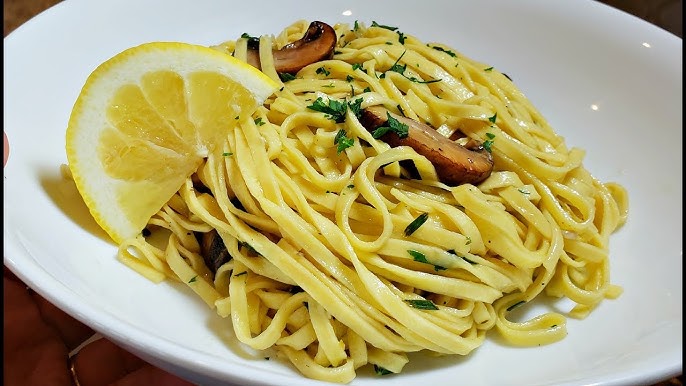
Garlic-Herb Linguine Recipe: Garlic-Herb Linguine is one of those timeless pasta dishes that proves simple ingredients can create deeply satisfying flavor.
With its silky strands of linguine, fragrant garlic, fresh herbs, olive oil, and a light, glossy finish, this dish delivers elegance without unnecessary complexity.
We love it because it is quick enough for a busy evening, refined enough for guests, and versatile enough to pair with vegetables, seafood, chicken, or enjoy completely on its own.
Why Garlic-Herb Linguine Works So Well
Garlic-Herb Linguine stands out because every ingredient serves a clear purpose. The linguine provides the ideal texture for a light oil-based sauce. The garlic creates a rich aromatic base. The fresh herbs bring freshness and color. The olive oil coats the pasta and carries the flavors evenly through the dish. A touch of Parmesan cheese, lemon juice, or reserved pasta water can transform the final texture from good to exceptional.
We do not need heavy cream or overly rich additions to make this pasta memorable. Instead, we rely on technique. Properly salting the pasta water, gently sautéing the garlic, and tossing the pasta while still hot are the small details that create a polished final result. This is exactly what makes this recipe ideal for anyone searching for a dependable, flavorful, and easy pasta dinner.
Ingredients You’ll Need
To prepare a delicious batch of Garlic-Herb Linguine, we need fresh, high-quality ingredients. Since the dish is simple, the quality of each component makes a noticeable difference.
Main Ingredients
- 12 ounces linguine
- 4 to 5 tablespoons extra virgin olive oil
- 6 to 8 garlic cloves, finely minced or thinly sliced
- 1 teaspoon red pepper flakes (optional, for subtle heat)
- 1 tablespoon fresh parsley, finely chopped
- 1 tablespoon fresh basil, finely chopped
- 1 tablespoon fresh oregano or thyme, finely chopped
- 1 teaspoon lemon zest
- 1 to 2 tablespoons fresh lemon juice
- 1 teaspoon salt, plus more for pasta water
- 1/2 teaspoon freshly ground black pepper
- 1/2 cup reserved pasta water
- 1/2 cup freshly grated Parmesan cheese
- 2 tablespoons unsalted butter (optional, for a silkier finish)
Optional Add-Ins
- Sautéed shrimp
- Grilled chicken slices
- Steamed broccoli
- Spinach
- Mushrooms
- Cherry tomatoes
- Toasted breadcrumbs
These optional additions can enhance the dish, but the core recipe is already flavorful and complete on its own.
Best Herbs for Garlic-Herb Linguine
The herb blend is what gives this pasta its signature brightness. We recommend using fresh herbs rather than dried herbs for the best taste and texture. Fresh parsley offers a clean finish, basil adds sweetness and aroma, and oregano or thyme contributes depth.
If we want a lighter and more delicate flavor, we can lean more heavily on parsley and basil. If we prefer something more earthy and savory, we can increase the oregano or thyme. Chives can also work beautifully for a mild onion-like note. The goal is to create freshness that complements the garlic rather than competes with it.
How to Prepare the Ingredients Properly
Before we start cooking, it helps to prepare everything in advance. Pasta recipes move quickly, and having all ingredients ready ensures smooth cooking.
Finely chop the herbs so they distribute evenly through the linguine. Mince or thinly slice the garlic depending on the texture we prefer. Thin slices create a more visible garlic presence, while minced garlic blends more fully into the sauce. Grate the Parmesan fresh for better melting and flavor. Zest and juice the lemon before turning on the stove. These small preparation steps make the cooking process much easier and help us avoid overcooking the garlic.
Step-by-Step Guide to Making Garlic-Herb Linguine
Step 1 – Boil the Linguine in Well-Salted Water
Bring a large pot of water to a rolling boil. Add a generous amount of salt. The pasta water should taste seasoned because this is our first opportunity to build flavor into the linguine itself.
Add the linguine and cook until al dente according to the package instructions. We want the pasta tender but still slightly firm because it will continue cooking for a short time in the sauce. Before draining, reserve about 1/2 cup of pasta water. This starchy liquid helps bind the sauce and gives the final dish a glossy finish.
Drain the pasta, but do not rinse it. Rinsing removes the surface starch that helps the sauce cling to the noodles.
Step 2 – Gently Sauté the Garlic
While the pasta cooks, heat the olive oil in a large skillet over medium-low heat. Add the garlic and cook gently. This is one of the most important steps in the recipe. We want the garlic to become fragrant and lightly golden, not dark brown. Burnt garlic turns bitter very quickly and can overpower the entire dish.
If using red pepper flakes, add them now so they infuse the oil with subtle warmth. Stir constantly for even cooking. After about 1 to 2 minutes, the garlic should smell rich and inviting.
Step 3 – Add Herbs and Build the Flavor Base
Once the garlic is softened and fragrant, add the chopped parsley, basil, and oregano or thyme. Stir briefly to coat the herbs in the warm oil. Add the lemon zest, black pepper, and a small pinch of salt. The herbs should wilt slightly and release their aroma almost immediately.
At this stage, the pan should smell vibrant, savory, and fresh. This is the moment where the dish develops its signature character.
Step 4 – Toss the Linguine with the Garlic-Herb Mixture
Add the drained linguine directly into the skillet. Toss thoroughly so every strand is coated in the garlic-herb oil. If the pasta looks dry, add a splash of the reserved pasta water. The starch in the water helps the oil emulsify and form a light sauce rather than a greasy coating.
If we want a richer finish, add the butter at this point. It melts into the hot pasta and creates a silkier, rounder flavor. Toss continuously over low heat until everything is glossy and evenly combined.
Step 5 – Finish with Lemon and Parmesan
Turn off the heat and add the fresh lemon juice along with the Parmesan cheese. Toss again until the cheese melts lightly into the pasta. Add more pasta water if needed to loosen the mixture and create a smooth finish.
Taste and adjust the seasoning. Depending on the saltiness of the cheese, we may need a touch more salt or black pepper. The final pasta should taste savory, bright, aromatic, and balanced.
Step 6 – Serve Immediately
Transfer the Garlic-Herb Linguine to warm serving bowls or plates. Top with extra Parmesan, additional chopped herbs, and a final drizzle of olive oil if desired. Serve immediately while the pasta is hot and glossy.
Tips for the Best Garlic-Herb Linguine
The difference between average pasta and excellent pasta often comes down to a few practical details.
Always cook the garlic over gentle heat. High heat may seem faster, but it risks bitterness. Use fresh herbs whenever possible because dried herbs do not provide the same brightness in this kind of recipe. Save enough pasta water before draining, since it helps adjust the sauce texture at the end. Toss the pasta in the skillet rather than just pouring sauce over it, because this helps every strand absorb flavor properly.
We also recommend serving this pasta immediately. Oil-based pasta dishes are at their best right after cooking, when the sauce is still glossy and the herbs are fresh.
Delicious Variations to Try
One of the strengths of Garlic-Herb Linguine is its versatility. We can easily customize it without losing the simple appeal of the dish.
For a protein-rich version, we can add garlic butter shrimp or grilled chicken breast. For a more vegetable-forward plate, we can stir in spinach, zucchini ribbons, roasted cherry tomatoes, or sautéed mushrooms. For extra texture, we can finish the pasta with toasted breadcrumbs or chopped nuts like pine nuts.
If we want a slightly bolder flavor, a touch of anchovy paste melted into the oil can create wonderful depth without making the dish taste fishy. A little extra lemon can also turn this into a brighter, spring-inspired pasta recipe.
What to Serve with Garlic-Herb Linguine
This pasta pairs beautifully with simple sides that do not overwhelm its delicate flavor. A crisp green salad with lemon vinaigrette works especially well. Garlic bread, focaccia, or warm artisan bread also make excellent companions. If serving this pasta as part of a larger meal, grilled fish, roasted chicken, or sautéed vegetables fit naturally alongside it.
For drinks, sparkling water with lemon or a light citrus beverage complements the herb and garlic profile nicely.
How to Store and Reheat Leftovers
If we have leftovers, let the linguine cool completely before storing it in an airtight container in the refrigerator for up to 3 days. To reheat, place the pasta in a skillet over low heat with a splash of water or olive oil. Toss gently until warmed through. Avoid overheating, because fresh herbs and garlic can lose their brightness when cooked too long a second time.
Freshly made Garlic-Herb Linguine always tastes best, but leftovers can still be very enjoyable when reheated carefully.
Common Mistakes to Avoid
A few common mistakes can reduce the quality of this dish. The first is burning the garlic, which adds bitterness. The second is under-seasoning the pasta water, which leaves the linguine bland. Another issue is using too little pasta water, which can make the dish feel dry instead of glossy and cohesive.
Adding the Parmesan over very high heat can also cause clumping. That is why we finish the cheese off the heat or over very low heat for a smoother result. Finally, too many add-ins can overpower the beauty of the original recipe. This dish works best when the garlic and herbs remain the stars.
Why This Garlic-Herb Linguine Recipe Deserves a Place in Your Kitchen
A great pasta recipe should be practical, flavorful, and dependable. This Garlic-Herb Linguine recipe checks every box. It uses everyday ingredients, comes together quickly, and delivers bold flavor with minimal effort. More importantly, it proves that a simple pasta dish can still feel special when prepared with care.
We return to this recipe because it is adaptable, elegant, and consistently satisfying. Whether we are preparing a quick weeknight dinner, a light lunch, or a simple meal for guests, Garlic-Herb Linguine offers freshness, comfort, and refined flavor in every bite.
FAQs about Garlic-Herb Linguine Recipe
1. What is garlic-herb linguine?
Garlic-herb linguine is a simple pasta dish made with linguine, garlic, olive oil or butter, and fresh or dried herbs. It is light, flavorful, and easy to prepare.
2. What ingredients are used in a garlic-herb linguine recipe?
A typical recipe includes linguine, garlic, olive oil, butter, and herbs such as parsley, basil, or oregano. Some versions also add parmesan cheese, lemon juice, or red pepper flakes.
3. Can I use dried herbs instead of fresh herbs?
Yes, you can use dried herbs if fresh herbs are not available. Fresh herbs usually give a brighter flavor, while dried herbs offer convenience and a more concentrated taste.
4. How do I keep garlic from burning?
Cook the garlic over low to medium heat and stir it often. Burned garlic can taste bitter, so it should only be cooked until fragrant and lightly golden.
5. What can I serve with garlic-herb linguine?
It pairs well with grilled chicken, shrimp, salmon, or roasted vegetables. It can be served as a main dish or a side.
6. Can I make garlic-herb linguine creamy?
Yes, you can make it creamier by adding heavy cream, cream cheese, or extra parmesan cheese. This creates a richer sauce.
7. How should I store leftover garlic-herb linguine?
Store leftovers in an airtight container in the refrigerator for up to 3 days. Reheat gently with a small splash of water or olive oil to loosen the pasta.
Final Thoughts
Garlic-Herb Linguine is the kind of recipe that earns repeat use because it is both easy and impressive. The garlic provides savory depth, the herbs bring freshness, the lemon lifts the flavor, and the linguine ties everything together with a silky, satisfying texture. When we focus on the right ingredients and simple technique, we create a pasta dish that feels complete without ever becoming heavy.
For anyone looking for a flavorful, elegant, and reliable pasta recipe, this step-by-step Garlic-Herb Linguine is an excellent choice. It is simple enough to master quickly, yet delicious enough to serve with confidence again and again.