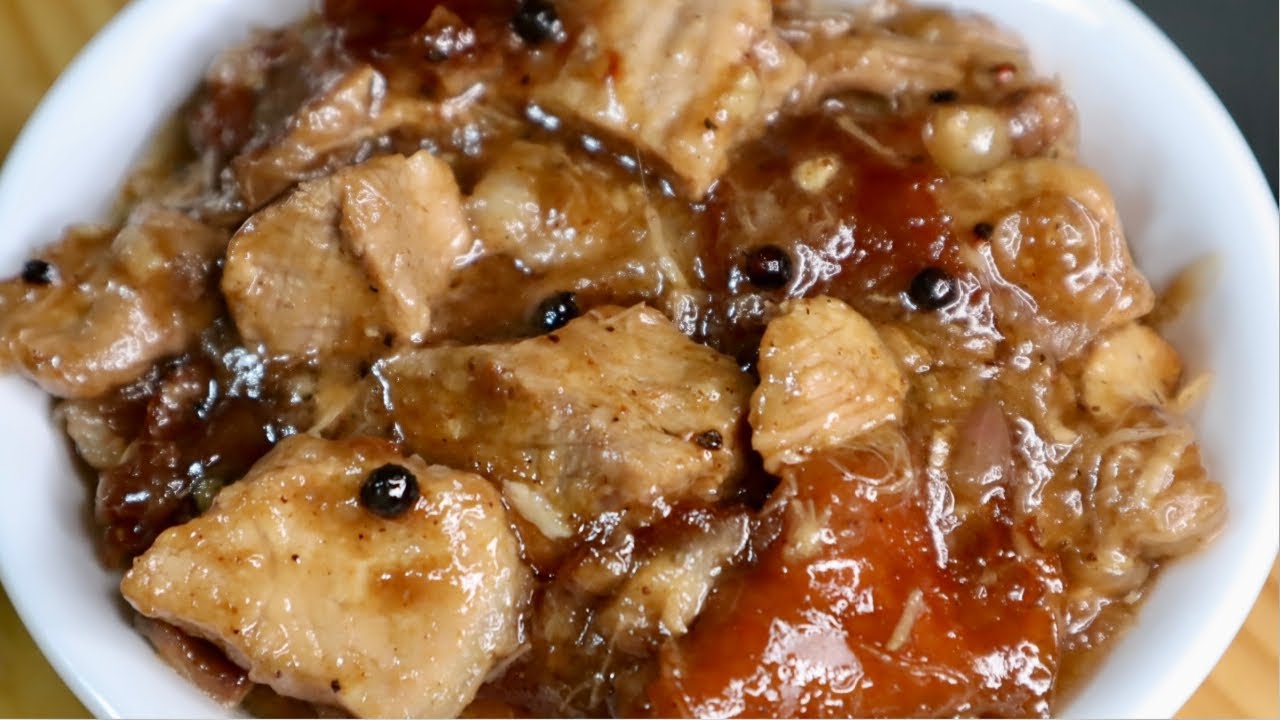
Lechon Paksiw Recipe: Lechon Paksiw is a deeply savory and slightly sweet Filipino dish made by simmering leftover roasted pork (lechon) in a rich, tangy sauce. This dish transforms already flavorful roasted pork into an even more aromatic, tender, and indulgent meal. The combination of vinegar, garlic, soy sauce, and sugar creates a bold flavor profile that is both comforting and unforgettable.
We prepare this dish to maximize flavor, reduce waste, and create a restaurant-quality meal from leftovers. With the right ingredients and precise cooking steps, we can achieve a perfect balance of sweetness, acidity, and umami richness.
Ingredients You’ll Need
To prepare authentic Lechon Paksiw, we use simple yet powerful ingredients that build layers of flavor.
Main Ingredients
- 3 cups chopped lechon (roasted pork)
- 1 cup lechon sauce (or liver sauce)
- ½ cup vinegar
- ½ cup water
- 1 medium onion, sliced
- 5 cloves garlic, crushed
Seasonings and Flavor Enhancers
- 3 tablespoons soy sauce
- 2 tablespoons brown sugar
- 2 bay leaves
- 1 teaspoon black peppercorns
- 1 tablespoon cooking oil
Optional Additions
- 2 tablespoons breadcrumbs (for thickening)
- Chili peppers (for heat)
- Banana blossoms (traditional texture enhancer)
These ingredients come together to create a deeply flavorful, thick, and glossy sauce that coats the pork beautifully.
Step-by-Step Guide to Cooking Lechon Paksiw
Step 1 – Prepare the Pork
We begin by cutting the lechon into bite-sized pieces, ensuring each piece contains a mix of crispy skin and tender meat. This balance is essential for achieving the signature texture contrast.
Step 2 – Sauté Aromatics
Heat oil in a pan over medium heat. Add:
- Garlic
- Onions
We sauté until fragrant and slightly golden. This step builds the foundation of aroma and depth for the dish.
Step 3 – Add the Pork
Add the chopped lechon to the pan and stir for 2–3 minutes. This allows the pork to absorb the garlic and onion flavors, enhancing its richness.
Step 4 – Pour in Liquids
Add:
- Vinegar
- Water
- Soy sauce
We do not stir immediately after adding vinegar. Let it simmer for 2–3 minutes to cook off the sharp acidity and develop a smoother flavor.
Step 5 – Add Seasonings
Incorporate:
- Bay leaves
- Black peppercorns
- Brown sugar
Stir gently and bring to a boil. The sugar balances the acidity while the spices introduce complex aromatic layers.
Step 6 – Add Lechon Sauce
Pour in the lechon sauce, stirring thoroughly to coat all pork pieces. This sauce provides:
- Thickness
- Sweetness
- Signature Filipino flavor
Step 7 – Simmer to Perfection
Reduce heat and let the mixture simmer for 30–45 minutes. During this process:
- The pork becomes tender and juicy
- The sauce thickens into a rich, glossy consistency
Step 8 – Adjust Texture
If the sauce is too thin, add breadcrumbs gradually while stirring. This creates a thicker, velvety texture without overpowering the flavor.
Step 9 – Final Taste Adjustment
Taste and adjust:
- Add more sugar for sweetness
- Add vinegar for tanginess
- Add soy sauce for saltiness
We refine the balance to achieve a perfect harmony of flavors.
Step 10 – Serve Hot
Serve hot with steamed rice, allowing the sauce to soak into the grains for a complete and satisfying meal.
Key Tips for the Best Lechon Paksiw
Use High-Quality Lechon
The better the roast pork, the more flavorful the dish. Choose pieces with:
- Crispy skin
- Juicy meat
Control the Vinegar
Proper handling of vinegar ensures a smooth, well-rounded taste instead of sharp acidity.
Simmer Slowly
Slow cooking allows the flavors to fully develop and penetrate the meat, resulting in a richer dish.
Balance is Everything
The success of this recipe lies in balancing:
- Sweetness
- Acidity
- Saltiness
Serving Suggestions
Classic Pairing
- Steamed white rice
- Pickled vegetables (atchara)
Modern Variations
- Serve over garlic fried rice
- Pair with soft bread rolls
- Add a side of fresh cucumber slices
These combinations enhance the dish while maintaining its traditional essence.
Storage and Reheating Tips
Storage
- Store in an airtight container
- Refrigerate for up to 3 days
Reheating
- Reheat on the stove over low heat
- Add a splash of water if the sauce thickens too much
Proper storage ensures the dish remains flavorful and safe to consume.
Nutritional Highlights
Lechon Paksiw is:
- Protein-rich from pork
- Flavor-dense, making small portions satisfying
- Best enjoyed in moderation due to its richness
Why This Recipe Stands Out
This method delivers:
- Deeply infused flavors
- Perfectly tender meat
- Balanced sweet and tangy sauce
We achieve a restaurant-quality Lechon Paksiw that captures the essence of Filipino cuisine while remaining easy to prepare at home.
FAQs about Lechon Paksiw Recipe
1. What is lechon paksiw?
Lechon paksiw is a Filipino dish made from leftover roast pig (lechon) cooked in a rich, sweet, and tangy sauce. It is known for its tender meat and flavorful gravy.
2. What ingredients are used in lechon paksiw recipe?
A typical recipe includes lechon meat, vinegar, garlic, onions, soy sauce, and a sweetener like sugar or banana sauce. Spices such as bay leaves and peppercorns are also commonly used.
3. Why is vinegar used in lechon paksiw?
Vinegar adds a tangy flavor and helps balance the richness of the pork. It also helps preserve the dish slightly longer.
4. Do I need leftover lechon to make this dish?
Traditionally, lechon paksiw uses leftover roasted pig, but you can substitute with roasted or fried pork if lechon is not available.
5. How long should I cook lechon paksiw?
It usually takes about 30 to 45 minutes of simmering to allow the flavors to blend and the sauce to thicken.
6. What does lechon paksiw taste like?
It has a sweet, tangy, and savory flavor with a rich, slightly sticky sauce that coats the tender pork.
7. What can I serve with lechon paksiw?
It is best served with steamed rice, which helps balance the strong flavors of the dish.
Conclusion
Lechon Paksiw is more than a leftover dish—it is a culinary transformation that elevates roasted pork into a bold, flavorful masterpiece. By following this precise method, we create a dish that is rich, satisfying, and deeply rooted in tradition, perfect for family meals or special occasions.