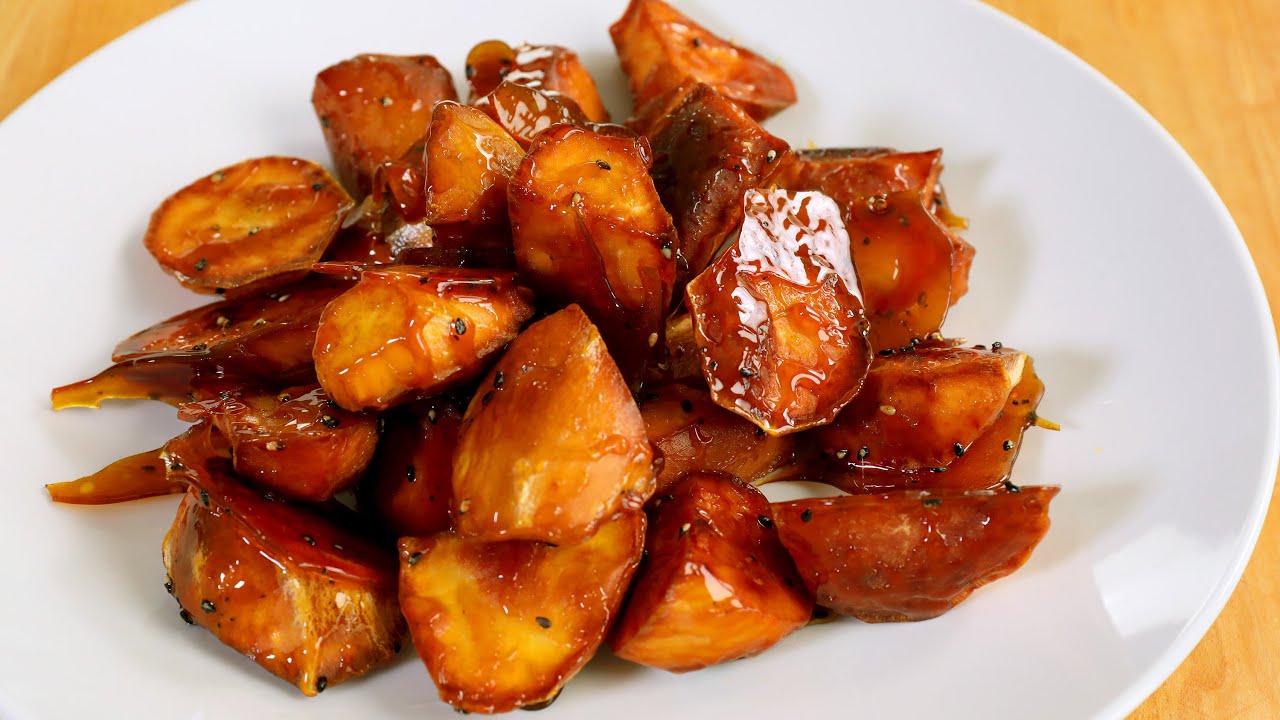
Korean Sweet Potato Recipe: Korean sweet potato is loved for its naturally rich sweetness, soft texture, and satisfying flavor. It is simple, comforting, and incredibly versatile. Whether we roast it whole, steam it until tender, mash it into a creamy side dish, or turn it into a light snack, this ingredient delivers both flavor and texture in a way that feels wholesome and filling. In Korean cooking, sweet potatoes are often enjoyed in their purest form, allowing their earthy sweetness to shine without excessive seasoning or complicated preparation.
This guide focuses on a classic and reliable way to prepare Korean sweet potato so that it turns out tender on the inside, lightly caramelized on the outside, and full of natural flavor. The method is straightforward, but the final result is deeply satisfying. With the right preparation and the right cooking steps, we can make sweet potatoes that are perfect for breakfast, lunch, dinner, or a warm snack.
What Is Korean Sweet Potato?
Korean sweet potato, often called goguma, is different from the bright orange sweet potatoes commonly used in many Western recipes. Korean sweet potatoes usually have purple or reddish skin with pale yellow or cream-colored flesh. Once cooked, the interior becomes dense, fluffy, sweet, and pleasantly chestnut-like in flavor. Some varieties are drier and starchier, while others are softer and silkier, but most are known for their balanced sweetness and rich texture.
One reason this ingredient is so popular is that it tastes excellent with minimal effort. It does not need heavy sauces or lots of spices. A properly cooked Korean sweet potato can stand on its own because its flavor is already naturally sweet, mellow, and comforting.
Ingredients You’ll Need
To prepare a classic Korean sweet potato recipe, we only need a few basic ingredients:
- 4 medium Korean sweet potatoes
- 1 to 2 tablespoons olive oil or neutral cooking oil
- 1/2 teaspoon salt
- 1/4 teaspoon black pepper if desired
Optional Additions
- Honey for a light glaze
- Butter for extra richness
- Sesame seeds for garnish
- Cinnamon for a warm sweet note
- A drizzle of condensed milk for a dessert-style finish
The beauty of this recipe is that the sweet potatoes do most of the work. The optional ingredients can enhance the flavor, but they are not necessary if we want a clean, traditional taste.
How to Choose the Best Korean Sweet Potatoes
For the best results, select firm sweet potatoes with smooth skin and no soft spots, cracks, or signs of mold. Medium-sized sweet potatoes are ideal because they cook more evenly than very large ones. Smaller roots can dry out too quickly, while oversized ones may cook unevenly and require more time.
Choose potatoes that feel heavy for their size. This usually means they still have a good amount of moisture and will bake into a tender, fluffy interior. Avoid any that have wrinkled skin, bruises, or an overly dry appearance.
How to Prepare Korean Sweet Potatoes Before Cooking
Before cooking, wash the sweet potatoes thoroughly under running water. Because they are often roasted or baked with the skin on, it is important to remove any dirt completely. A vegetable brush helps clean the skin more effectively.
Once washed, dry them with a clean kitchen towel. At this stage, we can either cook them whole for a more traditional result or cut them into pieces for faster cooking and a more caramelized surface. Whole roasting preserves moisture beautifully, while sliced or cubed sweet potatoes create crisp edges and a more pronounced roasted flavor.
If roasting whole, pierce each sweet potato a few times with a fork. This allows steam to escape and helps prevent splitting during baking.
Step-by-Step Guide to Making Korean Sweet Potato
Step 1: Preheat the Oven
Preheat the oven to 200°C (400°F). A properly heated oven is important because it helps the sweet potatoes cook evenly and develop a lightly roasted exterior.
If using an oven tray, line it with parchment paper or lightly grease it with oil. This makes cleanup easier and prevents sticking.
Step 2: Clean and Dry the Sweet Potatoes
Rinse the sweet potatoes well and scrub the skins until clean. Pat them dry completely. Excess water can slow the roasting process and reduce caramelization.
If we want a classic roasted Korean sweet potato, we can leave them whole. If we prefer wedges or rounds, cut them evenly so they cook at the same rate.
Step 3: Season Lightly
For whole sweet potatoes, rub the outside lightly with a small amount of olive oil. This helps the skin roast well and keeps it from drying out too much.
For cut pieces, place them in a bowl and toss with olive oil, salt, and black pepper. Make sure the pieces are coated evenly so every bite gets flavor and a good roasted finish.
Step 4: Arrange on the Baking Tray
Place the sweet potatoes on the tray in a single layer. If they are whole, leave a little space between each one so the hot air can circulate properly. If they are cut into wedges or chunks, avoid overcrowding the tray. Crowding traps steam and leads to softer, less caramelized potatoes.
Step 5: Roast Until Tender
Bake whole Korean sweet potatoes for 40 to 60 minutes, depending on their size. Smaller ones may be done sooner, while larger ones need more time.
If using cut pieces, roast for 25 to 35 minutes, flipping halfway through. The goal is to achieve golden edges and a tender center.
To check doneness, insert a knife or fork into the thickest part. It should slide in easily without resistance. That soft interior is the sign of properly cooked sweet potato.
Step 6: Rest Briefly Before Serving
Once fully cooked, remove the sweet potatoes from the oven and let them rest for a few minutes. This short resting time allows the heat to settle and the texture to finish developing.
Whole roasted Korean sweet potatoes become especially soft and fragrant during this stage. When opened, they release steam and reveal a fluffy, sweet interior that is rich without being heavy.
Step 7: Serve Warm
Serve the sweet potatoes warm. They can be enjoyed exactly as they are, or topped with a small amount of butter, honey, or sesame seeds. For a dessert-like finish, a light drizzle of condensed milk can add extra richness.
For a simple Korean-inspired serving style, split the sweet potatoes open and enjoy them plain. That natural sweetness is often all that is needed.
Best Tips for Perfect Korean Sweet Potato
Use Medium-Sized Potatoes
Medium sweet potatoes cook more evenly and are easier to manage. They also develop a better balance between soft centers and roasted skin.
Do Not Over-Season
The natural flavor of Korean sweet potato is the highlight. Too much seasoning can overpower its subtle sweetness. A light touch always works better.
Roast Instead of Boil for More Flavor
Boiling works, but roasting creates a deeper flavor and a better texture. The dry heat concentrates the sweetness and encourages gentle caramelization.
Cut Evenly if Roasting Pieces
Uniform pieces cook at the same speed. Uneven chunks lead to mixed results, with some pieces overcooked and others undercooked.
Avoid Overcrowding the Pan
Spacing matters. When sweet potatoes are packed too closely, they steam instead of roast.
Serving Ideas for Korean Sweet Potato
This recipe is easy to serve in many ways. It can be a side dish, snack, or main feature of a light meal. Here are some practical serving ideas:
- Serve alongside grilled chicken, beef, or fish
- Pair with kimchi and rice for a Korean-style meal
- Mash and serve with a little butter and salt
- Slice and add to a grain bowl
- Enjoy as a warm snack with tea or coffee
- Use leftovers in salads or wraps
Korean sweet potato is also excellent on its own because it has enough flavor and body to feel complete without much else on the plate.
How to Store and Reheat Korean Sweet Potato
If we have leftovers, let the sweet potatoes cool completely before storing them. Place them in an airtight container and refrigerate for up to 4 days.
To reheat, place them in the oven at 180°C (350°F) for about 10 to 15 minutes until warmed through. This method keeps the texture pleasant and helps restore some of the roasted quality. A microwave also works for convenience, though the texture may become softer.
If freezing, wrap the cooked sweet potatoes well and store them for up to 2 months. Thaw in the refrigerator before reheating.
Common Mistakes to Avoid
One common mistake is undercooking the sweet potatoes. Korean sweet potatoes need enough time to soften fully. If removed too early, they can taste chalky or too dense.
Another mistake is using too much oil. A light coating is enough. Excess oil can make the sweet potatoes greasy and mask their natural flavor.
Overcrowding the tray is another issue. Good roasting depends on heat circulation. Give each piece enough room to cook properly.
Finally, avoid peeling the sweet potatoes before roasting whole unless necessary. The skin helps protect the interior and adds texture.
Why This Korean Sweet Potato Recipe Works
This recipe works because it keeps the ingredient at the center. Instead of burying the sweet potato under strong flavors, it uses a simple cooking method that highlights its sweetness, texture, and aroma. Roasting brings out its best qualities and transforms an already delicious root vegetable into something deeply satisfying.
The method is dependable, flexible, and easy to repeat. It suits busy weekdays, relaxed dinners, meal prep, and snack time. Most importantly, it produces a sweet potato that tastes full, natural, and properly cooked.
FAQs about Korean Sweet Potato Recipe
1. What are Korean sweet potatoes?
Korean sweet potatoes are sweet potatoes with a firmer texture and a naturally sweet, nutty flavor. They are often purple or reddish on the outside with pale yellow flesh inside.
2. How do Korean sweet potatoes taste?
They taste sweet, rich, and slightly chestnut-like. Compared to regular sweet potatoes, they are usually less watery and more dense.
3. What is the best way to cook Korean sweet potatoes?
The most popular method is roasting or baking because it brings out their natural sweetness. You can also steam, boil, or air-fry them.
4. Do I need to peel Korean sweet potatoes before cooking?
No, you do not have to peel them before cooking. The skin becomes softer after roasting, and many people enjoy eating it. Just wash them well before use.
5. How long does it take to bake Korean sweet potatoes?
It usually takes about 45 to 60 minutes at 375°F to 400°F (190°C to 200°C), depending on their size. They are done when a fork slides in easily.
6. Are Korean sweet potatoes healthy?
Yes, Korean sweet potatoes are a healthy choice. They are rich in fiber, vitamins, and complex carbohydrates, making them a filling and nutritious food.
7. Can I store cooked Korean sweet potatoes?
Yes, you can store them in an airtight container in the refrigerator for up to 3 to 4 days. Reheat them in the oven, microwave, or air fryer before serving.
Conclusion
A well-made Korean sweet potato recipe proves that simple food can still be deeply flavorful. With just a few ingredients and the right roasting method, we get tender, sweet, and nourishing sweet potatoes that fit almost any meal. The texture is soft and rich, the flavor is naturally sweet, and the preparation is practical enough for everyday cooking.
When we want a recipe that is easy, satisfying, and full of natural taste, Korean sweet potato is always a strong choice. Roast it whole for a traditional feel, cut it into pieces for crisp edges, or serve it with simple toppings for extra variety. However we choose to enjoy it, this step-by-step method delivers a result that is warm, comforting, and consistently delicious.