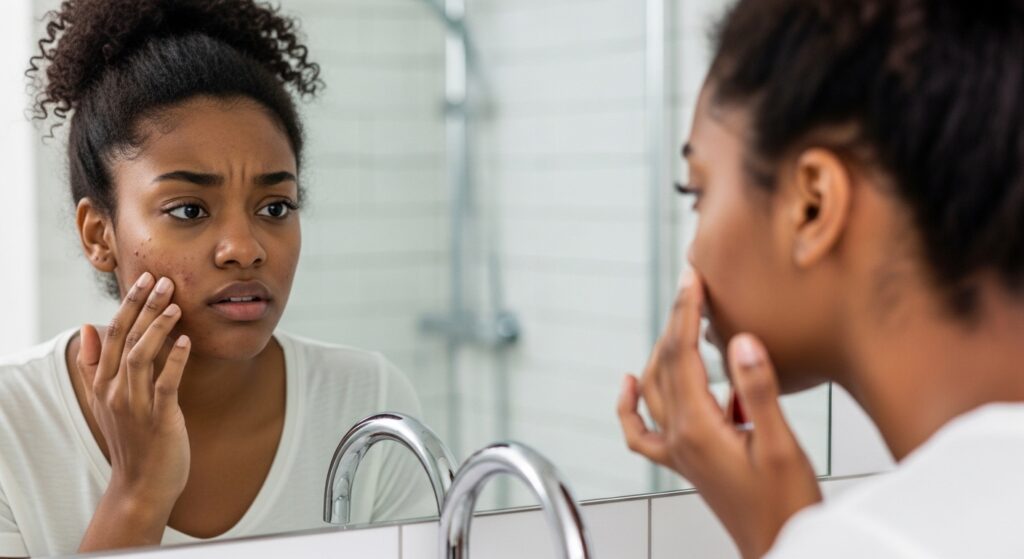
Choosing the right skin allergy treatment for face is essential for relieving itching, redness, inflammation, swelling, and discomfort while protecting the skin’s natural barrier. Facial skin is particularly delicate and requires gentle, targeted treatment to prevent further irritation and recurring allergic reactions.
The most effective treatment depends on the underlying cause, severity of symptoms, skin type, and sensitivity to specific ingredients. We recommend selecting treatments that address inflammation, restore moisture, and minimise exposure to potential allergens.
Understand the Cause of Facial Skin Allergies
Identifying the underlying cause of a facial allergic reaction helps determine the most appropriate treatment. Different allergens and environmental irritants can trigger similar symptoms but require different management approaches.
Common Causes of Facial Skin Allergies
Several factors can contribute to facial allergic reactions and irritation, including:
- Skincare products: Fragrances, preservatives, and certain active ingredients.
- Cosmetic products: Makeup, facial powders, and beauty treatments.
- Environmental allergens: Pollen, dust mites, and airborne substances.
- Food allergies: Certain foods may trigger facial swelling or hives.
- Medications: Some medications can cause allergic skin reactions.
- Contact allergens: Nickel, hair dyes, and other chemical substances.
- Harsh facial cleansers: Products that damage the protective skin barrier and cause irritation.
Identifying and avoiding the responsible allergen or irritant can significantly improve treatment outcomes and reduce recurring symptoms.
Consider the Severity of Facial Allergy Symptoms
The best facial skin allergy treatment depends on how mild or severe the allergic reaction is. Mild symptoms may respond to gentle skincare products, while persistent or severe reactions often require medical treatment.
Treatment for Different Levels of Facial Skin Allergies
| Allergy severity | Common symptoms | Treatment options |
|---|---|---|
| Mild | Slight itching, dryness, and redness | Gentle moisturisers and cool compresses |
| Moderate | Persistent itching, rashes, and inflammation | Appropriate medication and dermatologist-recommended creams |
| Severe | Significant swelling, blistering, or extensive rashes | Prompt medical assessment and prescription treatment |
| Emergency | Breathing difficulties or tongue and throat swelling | Immediate emergency medical attention |
We recommend seeking professional assessment when symptoms worsen, persist, or repeatedly return despite treatment.
Choose Skin Allergy Treatments with Suitable Ingredients
The ingredients contained in facial allergy creams and moisturisers can influence their effectiveness and suitability. Products formulated for sensitive skin should provide hydration and support skin recovery without introducing unnecessary irritants.
Beneficial Ingredients for Facial Skin Allergy Relief
Look for gentle skincare formulations containing:
- Ceramides: Help restore and strengthen the protective skin barrier.
- Colloidal oatmeal: May relieve itching and soothe irritated skin.
- Glycerin: Supports moisture retention and reduces dryness.
- Hyaluronic acid: Helps maintain skin hydration.
- Panthenol: Supports skin hydration and barrier recovery.
- Petrolatum: Helps prevent moisture loss and protect damaged skin.
- Dimethicone: Provides a protective barrier against moisture loss.
Although these ingredients are generally well tolerated, individual sensitivities vary. We recommend introducing new skincare products gradually.
Avoid Ingredients That May Worsen Facial Allergies
Choosing an appropriate skin allergy cream for the face also involves recognising ingredients that may trigger irritation or allergic reactions.
Fragrances, essential oils, certain preservatives, harsh exfoliating acids, and strongly formulated skincare products may aggravate sensitive or inflamed facial skin. Retinoids and alcohol-based astringents can also worsen irritation during an active flare-up.
We recommend selecting fragrance-free products with simple ingredient lists. Labels such as hypoallergenic and dermatologically tested do not guarantee that a product will be suitable for everyone.
Compare Different Skin Allergy Treatment Options for Face
Several treatment options are available for managing facial allergic reactions. Selecting the appropriate option depends on the diagnosis and severity of the condition.
Moisturising and Skin Barrier Repair Creams
Fragrance-free moisturisers help relieve dryness, reduce moisture loss, and support the recovery of damaged facial skin. Products containing ceramides and glycerin are particularly useful for maintaining hydration.
Antihistamine Medications
Oral antihistamines may help relieve itching, swelling, and hives associated with certain allergic reactions. However, they do not directly treat every form of facial dermatitis.
Topical Corticosteroids
Low-strength topical corticosteroids may be prescribed to reduce inflammation and itching. Facial skin requires particular caution because inappropriate or prolonged steroid use may cause skin thinning and other complications.
We recommend using corticosteroids on the face only under appropriate medical guidance.
Non-Steroidal Prescription Treatments
Dermatologists may recommend topical calcineurin inhibitors, such as tacrolimus or pimecrolimus, for certain inflammatory skin conditions affecting delicate facial areas. These treatments require professional assessment and prescribing.
Cool Compresses
Applying a clean, cool, damp cloth to affected areas may temporarily relieve itching, discomfort, and mild inflammation. Avoid applying ice directly to irritated skin.
Select a Treatment Suitable for Your Skin Type
Different skin types require different skincare formulations. Choosing a suitable texture and ingredient combination can improve comfort and minimise additional irritation.
| Skin type | Recommended formulation |
|---|---|
| Dry skin | Rich, fragrance-free moisturising creams |
| Oily skin | Lightweight, non-comedogenic moisturisers |
| Sensitive skin | Gentle, minimal-ingredient formulations |
| Combination skin | Lightweight, barrier-supporting creams |
| Eczema-prone skin | Fragrance-free, ceramide-rich moisturisers |
Regardless of skin type, we recommend prioritising skin barrier protection during an active allergic reaction rather than using aggressive cosmetic treatments.
Perform a Patch Test Before Using New Skincare Products
Testing a new skincare product before applying it to the entire face may help identify potential sensitivity.
We recommend applying a small amount to an unaffected area, such as the inner arm, twice daily for seven to ten days. Monitor the area for redness, itching, swelling, or irritation.
Discontinue the product if a reaction develops. Home product testing does not replace professional diagnostic patch testing, which dermatologists use to identify specific contact allergens.
Establish a Gentle Skincare Routine During Treatment
A consistent and gentle skincare routine for facial allergies can support recovery and prevent additional damage to the skin barrier.
During an allergic reaction, we recommend washing the face with lukewarm water and a mild, fragrance-free cleanser. Apply a suitable moisturiser and avoid unnecessary cosmetic products, facial scrubs, chemical peels, and exfoliating treatments.
Once tolerated, a gentle broad-spectrum sunscreen with SPF 30 or higher can help protect the skin from ultraviolet exposure. Avoid scratching or rubbing affected areas, as this may worsen inflammation and increase the risk of skin damage.
Consider the Cost and Long-Term Effectiveness of Treatment
An expensive facial allergy treatment is not necessarily more effective than an affordable alternative. The formulation, medical suitability, and quality of ingredients are more important than brand popularity.
Affordable fragrance-free moisturisers and gentle cleansers may provide effective supportive care for mild irritation. However, recurring or moderate-to-severe reactions may require professional consultations, allergy testing, and prescription medications.
We recommend prioritising treatments that offer sustainable symptom management, protect the skin barrier, and address the underlying condition rather than providing temporary relief alone.
When to Consult a Dermatologist for Facial Skin Allergies
Professional dermatological care is particularly important when facial allergies become persistent, severe, or difficult to manage. Conditions such as eczema, rosacea, irritant contact dermatitis, and allergic contact dermatitis can produce similar symptoms but require different treatments.
A dermatologist can examine the affected skin, review potential triggers, perform appropriate allergy testing, and recommend a personalised treatment plan.
Seek immediate emergency medical attention if a facial allergic reaction causes difficulty breathing, throat tightness, faintness, or sudden swelling of the lips or tongue.
How to Prevent Recurring Facial Skin Allergies
Preventing future allergic reactions requires identifying known triggers, maintaining a healthy skin barrier, and choosing suitable skincare products.
We recommend using fragrance-free facial products, introducing new cosmetics gradually, avoiding known allergens, regularly cleaning makeup applicators, and maintaining consistent skin hydration.
Keeping a record of products and substances associated with previous reactions can also help identify patterns and reduce repeated exposure.
FAQs about How to Choose Skin Allergy Treatment for Face
1. How do I choose the right skin allergy treatment for my face?
Start by identifying possible triggers and the type of reaction you are experiencing. Choose gentle, fragrance-free products and consider consulting a dermatologist if symptoms are persistent, severe, or recurring.
2. What is the best treatment for facial skin allergies?
The best treatment depends on the cause. Mild reactions may improve with soothing moisturizers, cool compresses, and avoidance of irritants. A healthcare professional may recommend antihistamines or topical medicines when appropriate.
3. What ingredients should I avoid if I have sensitive or allergic facial skin?
Avoid products containing strong fragrances, harsh alcohols, aggressive exfoliating acids, and ingredients that have previously caused irritation. Always check product labels carefully.
4. Should I patch-test a new facial treatment?
Yes. Patch testing can help reduce the risk of a widespread reaction. Apply a small amount of the product to a limited area and monitor for redness, itching, swelling, or irritation.
5. Can moisturizer help with a skin allergy on the face?
A gentle, hypoallergenic moisturizer can support the skin barrier and reduce dryness. Look for simple formulas designed for sensitive skin.
6. When should I see a dermatologist?
Seek professional advice if the rash spreads, becomes painful, lasts for several days, frequently returns, or is accompanied by significant swelling.
7. How can I prevent future facial allergic reactions?
Keep your skincare routine simple, introduce new products gradually, avoid known allergens, and choose products formulated for sensitive skin.
Conclusion
Choosing the best skin allergy treatment for face requires careful consideration of the underlying cause, symptom severity, skin type, and treatment ingredients. Gentle moisturisers, appropriate antihistamines, dermatologist-prescribed medications, and consistent skincare practices can help manage symptoms and support skin recovery.
We recommend prioritising fragrance-free formulations, avoiding known allergens, protecting the natural skin barrier, and seeking professional guidance for persistent or severe reactions. With the right treatment approach and preventive skincare routine, facial skin allergies can be managed more effectively while promoting healthier, calmer, and better-protected skin.

