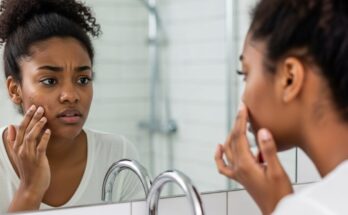
Facial skin allergies can cause itching, redness, swelling, dryness, and uncomfortable irritation that affect both skin health and appearance. Choosing the right dermatologist-recommended skin allergy treatment for the face can help relieve symptoms, restore the protective skin barrier, and reduce recurring allergic reactions.
We recommend a targeted approach that combines gentle skincare products, appropriate medications, allergen avoidance, and professional dermatological guidance. Since facial skin is particularly delicate, treatments should address inflammation without causing additional irritation or damage.
Understanding Facial Skin Allergies and Their Symptoms
Facial skin allergies occur when the immune system reacts to a substance that comes into contact with the skin or triggers a systemic allergic response. Common triggers include cosmetics, fragrances, preservatives, medications, metals, and certain environmental allergens.
Common symptoms of facial skin allergies include:
- Persistent facial itching and irritation.
- Redness and skin inflammation.
- Swelling around the eyes, cheeks, or lips.
- Dry, rough, or flaky skin.
- Small bumps, rashes, or raised patches.
- Burning or stinging sensations.
- Blisters associated with allergic contact dermatitis.
Identifying the underlying cause is essential for selecting the most effective facial skin allergy treatment and preventing further complications. Facial irritation may also result from non-allergic conditions, including irritant contact dermatitis, eczema, and rosacea.
Best Dermatologist-Recommended Skin Allergy Treatments for Face
Dermatologists recommend different treatment options depending on the type of allergic reaction, symptom severity, and individual skin sensitivity. We recommend prioritising treatments that control inflammation while supporting skin recovery.
1. Mild Topical Corticosteroid Creams
Low-potency topical corticosteroids, such as hydrocortisone, may be recommended for certain inflammatory facial skin reactions. These medications help reduce itching, swelling, and inflammation associated with allergic contact dermatitis.
However, facial skin is thinner and more sensitive than other body areas. Corticosteroid creams should therefore be used under professional guidance, particularly around the eyes. Prolonged or inappropriate use may cause skin thinning and other complications. NHS+1
2. Oral Antihistamines for Facial Allergies
Oral antihistamines can provide relief from itching, hives, and other histamine-related allergic symptoms. Common options include:
- Cetirizine: Helps control allergic itching and hives.
- Loratadine: A generally less sedating antihistamine.
- Fexofenadine: Helps manage histamine-related allergic symptoms.
Antihistamines are particularly useful for hives but may not adequately treat the underlying inflammation associated with contact dermatitis. allergy.org.au+1
3. Fragrance-Free Moisturisers and Barrier Repair Creams
Dermatologist-recommended moisturisers help restore the skin’s protective barrier, improve hydration, and reduce discomfort associated with dryness.
We recommend gentle moisturisers containing ingredients such as ceramides, glycerin, petrolatum, and dimethicone. These ingredients help retain moisture and protect sensitive skin against environmental irritants.
Choose fragrance-free products with minimal ingredients to reduce unnecessary exposure to potential allergens.
4. Prescription Non-Steroidal Creams
Dermatologists may prescribe topical calcineurin inhibitors for selected inflammatory skin conditions, particularly when conventional steroid treatments are unsuitable.
Common prescription options include:
- Tacrolimus ointment.
- Pimecrolimus cream.
These medications offer steroid-sparing treatment alternatives for sensitive facial areas. However, their suitability depends on the underlying diagnosis and individual medical history. NCBI
5. Cool Compresses for Facial Allergy Relief
Applying a clean, cool, damp cloth to irritated facial skin for 10–15 minutes may help reduce discomfort, itching, and burning sensations.
We recommend avoiding direct ice application, vigorous rubbing, and excessively hot water, as these may worsen irritation and compromise the skin barrier.
Best Ingredients in Dermatologist-Recommended Facial Allergy Creams
Selecting skincare products with gentle, barrier-supporting ingredients can help improve skin comfort during recovery.
| Ingredient | Primary benefit |
|---|---|
| Ceramides | Support the protective skin barrier |
| Glycerin | Improves moisture retention |
| Colloidal oatmeal | Helps soothe itching and irritation |
| Petrolatum | Reduces moisture loss |
| Dimethicone | Provides a protective barrier |
| Panthenol | Supports hydration and skin comfort |
We recommend introducing products gradually because even ingredients commonly considered gentle can cause reactions in susceptible individuals.
Dermatologist-Recommended Skincare Routine for Facial Allergies
A simplified skincare routine can support recovery without exposing irritated skin to unnecessary active ingredients.
Morning Skincare Routine
Gentle cleansing: Wash the face using lukewarm water and a mild, fragrance-free cleanser.
Moisturising: Apply a suitable barrier-repair moisturiser to maintain hydration and protect sensitive skin.
Sun protection: Use a well-tolerated, fragrance-free, broad-spectrum SPF 30 or higher sunscreen. Mineral sunscreens containing zinc oxide or titanium dioxide may be suitable for some individuals with sensitive skin.
Evening Skincare Routine
Gentle cleansing: Carefully remove sunscreen, makeup, and accumulated impurities without scrubbing.
Targeted treatment: Apply prescribed facial allergy medication according to professional instructions.
Skin barrier protection: Finish with a gentle moisturiser to minimise overnight moisture loss and support recovery.
During active allergic reactions, we recommend temporarily discontinuing non-essential skincare products, including exfoliants, retinoids, and potentially irritating serums.
Ingredients to Avoid During Facial Skin Allergy Treatment
Certain skincare ingredients can aggravate existing irritation or trigger allergic contact dermatitis in susceptible individuals.
Potential irritants and allergens include fragrances, essential oils, certain preservatives, harsh exfoliating acids, hair dye ingredients, and alcohol-heavy formulations.
Natural and organic skincare products are not automatically safer for allergy-prone skin. Botanical extracts and essential oils can also trigger allergic reactions.
We recommend carefully reviewing product ingredient lists and avoiding substances identified as personal allergy triggers.
Dermatological Patch Testing for Recurring Facial Allergies
Persistent or recurring facial allergic reactions may require professional dermatological patch testing to identify specific contact allergens.
During patch testing, selected substances are applied to the skin using specialised patches. A dermatologist examines the treated areas over several days to identify delayed allergic responses.
Patch testing can help identify sensitivities to cosmetic ingredients, fragrances, preservatives, metals, and hair care products. Unlike skin prick testing, it specifically investigates delayed contact allergies. American Academy of Dermatology+1
Identifying these triggers enables individuals to make more informed skincare choices and reduce recurring facial inflammation.
How Long Does Dermatologist-Recommended Facial Allergy Treatment Take to Work?
The recovery period depends on the severity of the reaction, underlying skin condition, treatment effectiveness, and continued exposure to allergens.
Mild reactions may begin improving within several days after removing the trigger and receiving appropriate treatment. More extensive cases of allergic contact dermatitis may require several weeks to resolve completely.
We recommend maintaining a gentle skincare routine throughout recovery and consulting a dermatologist if symptoms persist, worsen, or repeatedly return.
How to Prevent Recurring Skin Allergies on the Face
Long-term facial allergy management requires consistent preventive care. We recommend choosing fragrance-free skincare products, testing new cosmetics on a small area of unaffected skin before widespread application, maintaining adequate skin hydration, and avoiding confirmed allergens.
Keeping makeup brushes clean, changing pillowcases regularly, and avoiding unnecessary skincare treatments may also help minimise irritation.
Individuals with confirmed contact allergies should carefully examine product labels, including those on shampoos, sunscreens, facial cleansers, and cosmetics.
When to Consult a Dermatologist for Facial Skin Allergies
Professional dermatological assessment is recommended when facial itching, inflammation, rashes, or swelling persist despite appropriate home care.
Medical attention is particularly important when symptoms involve painful blistering, spreading rashes, signs of infection, or persistent irritation around the eyes.
Sudden tongue, throat, or significant lip swelling, breathing difficulties, trouble swallowing, or faintness require immediate emergency medical attention, as these symptoms may indicate a serious allergic reaction. American Academy of Dermatology+1
Choosing the Right Facial Allergy Treatment for Sensitive Skin
The most effective facial allergy treatment depends on an accurate diagnosis, individual skin sensitivity, and the severity of inflammation.
We recommend selecting products that support the skin barrier without exposing the face to unnecessary irritants. Individuals with recurring or severe symptoms may benefit from personalised treatment plans developed by qualified dermatologists.
Combining appropriate medication, allergen avoidance, gentle cleansing, and consistent moisturising provides a practical approach to managing allergy-prone facial skin.
FAQs about Dermatologist Recommended Skin Allergy Treatment for Face
What is the best dermatologist-recommended treatment for a facial skin allergy?
The right treatment depends on the cause and severity of the reaction. Dermatologists may recommend fragrance-free moisturizers, antihistamines, soothing barrier creams, or short-term prescription treatments when necessary.
Can antihistamines help with facial skin allergies?
Yes. Oral antihistamines may help reduce itching, swelling, and other allergy-related symptoms. However, the most suitable option should be discussed with a healthcare professional, especially when symptoms are severe or persistent.
Are steroid creams safe to use on the face?
Certain mild corticosteroid creams may be used for short periods under medical supervision. Because facial skin is delicate, stronger steroids or prolonged use can cause unwanted side effects.
What ingredients should sensitive or allergic facial skin avoid?
Dermatologists often recommend avoiding products containing fragrances, harsh alcohols, strong exfoliating acids, essential oils, and other known personal triggers. Gentle, hypoallergenic skincare products may be better tolerated.
How long does a facial allergic reaction take to clear?
Mild reactions may improve within several days after the trigger is removed. More persistent reactions can take longer and may require professional treatment.
When should we see a dermatologist?
We should consult a dermatologist when facial irritation keeps returning, spreads, becomes painful, develops blisters, or does not improve with gentle skincare. Sudden facial swelling, breathing difficulty, or throat swelling requires urgent medical attention.
Can facial skin allergies be prevented?
Identifying triggers, patch-testing new products, maintaining the skin barrier, and choosing gentle dermatologist-recommended skincare can help reduce future reactions.
Conclusion
The best dermatologist-recommended skin allergy treatment for the face combines appropriate medical treatment, fragrance-free moisturisers, gentle skincare practices, and effective allergen management.
By identifying underlying triggers, protecting the skin barrier, and following professional treatment recommendations, individuals can reduce facial irritation, manage recurring allergic reactions, and maintain healthier, more comfortable skin.