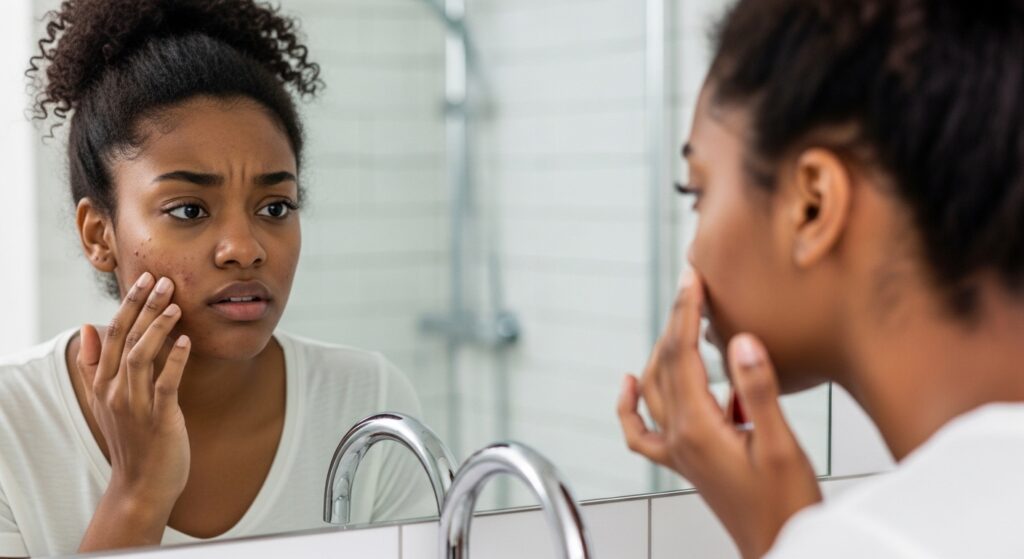
Hyperpigmentation is a common skin concern that causes dark spots, uneven skin tone, and patches of discoloration. Whether caused by acne scars, sun exposure, hormonal changes, or inflammation, stubborn pigmentation can affect the skin’s overall appearance. Fortunately, chemical peels for hyperpigmentation offer an effective treatment option for improving skin tone, reducing visible discoloration, and promoting smoother skin.
However, choosing the right chemical peel requires careful consideration of your skin type, pigmentation severity, and treatment goals. Different chemical peels contain specific exfoliating acids designed to address various skin concerns.
In this comprehensive guide, we explain how to choose a chemical peel for hyperpigmentation, explore the most effective treatment options, and highlight essential factors to consider before undergoing a professional chemical peel.
What Is a Chemical Peel for Hyperpigmentation?
A chemical peel for hyperpigmentation is a cosmetic skin treatment that uses carefully formulated chemical solutions to exfoliate the skin and encourage the removal of damaged surface cells.
These treatments help improve the appearance of pigmentation by promoting skin renewal and reducing the buildup of melanin-containing cells in the outer layers of the skin.
Chemical peels may help address several forms of discoloration, including:
- Post-inflammatory hyperpigmentation: Dark marks caused by acne, irritation, or skin injuries.
- Sunspots: Pigmented areas associated with prolonged ultraviolet exposure.
- Melasma: Brown or grayish patches commonly linked to hormonal changes and sun exposure.
- Uneven skin tone: Irregular pigmentation that makes the complexion appear patchy.
- Acne-related dark spots: Persistent discoloration remaining after inflammatory acne lesions heal.
We recommend understanding the underlying cause of pigmentation before selecting a treatment because different conditions respond differently to chemical exfoliation.
How to Choose the Best Chemical Peel for Hyperpigmentation
Choosing the best chemical peel for hyperpigmentation involves evaluating skin sensitivity, pigmentation depth, treatment strength, and professional recommendations.
Important Factors to Consider Before Choosing a Chemical Peel
Before selecting a chemical peel, we recommend considering the following factors:
1. Identify your skin type: Dry, oily, sensitive, and combination skin types may respond differently to chemical exfoliation. Sensitive skin generally requires a gentler approach.
2. Determine the cause of hyperpigmentation: Acne-related dark spots, melasma, and sun damage may require different treatment strategies.
3. Choose the appropriate peel strength: Superficial chemical peels generally involve less downtime, while medium-depth peels require more recovery and carry greater risks.
4. Evaluate your skin tone: Individuals with darker skin tones have a greater risk of post-inflammatory hyperpigmentation following aggressive treatments.
5. Consider your treatment goals: Mild discoloration may respond to a series of superficial peels, while persistent pigmentation may require additional treatments.
6. Consult a qualified dermatologist: Professional assessment helps determine whether a chemical peel is suitable and which formulation is safest.
7. Review recovery requirements: Some treatments cause temporary redness, dryness, flaking, or visible peeling that may affect daily activities.
We emphasize that the strongest chemical peel is not necessarily the most effective option. Choosing an appropriate formulation and concentration is essential for achieving improvement while minimizing complications.
Best Types of Chemical Peels for Hyperpigmentation
Different chemical peeling agents target discoloration through varying exfoliation mechanisms. Understanding their benefits can help patients make informed treatment decisions.
1. Glycolic Acid Peel for Hyperpigmentation
A glycolic acid chemical peel is commonly used to improve uneven skin tone, superficial dark spots, and sun-related discoloration.
Glycolic acid belongs to the alpha hydroxy acid (AHA) family and helps exfoliate dead skin cells while supporting natural skin renewal.
Key benefits include:
- Improving the appearance of superficial pigmentation.
- Promoting smoother skin texture.
- Reducing the visibility of certain acne marks.
- Supporting a brighter, more even-looking complexion.
Glycolic acid peels may be suitable for individuals with superficial discoloration, although concentration and treatment frequency should be professionally determined.
2. Lactic Acid Peel for Sensitive Skin
A lactic acid peel for hyperpigmentation provides relatively gentle exfoliation and may be considered for individuals with dry or sensitive skin.
Lactic acid is an AHA that removes surface skin cells while also offering humectant properties that support hydration.
We often consider gentler exfoliating treatments when managing mild pigmentation in individuals prone to irritation. However, even mild peels can cause adverse reactions when applied incorrectly.
3. Salicylic Acid Peel for Acne-Related Hyperpigmentation
A salicylic acid chemical peel is particularly relevant for individuals experiencing oily skin, acne breakouts, and post-inflammatory dark spots.
As a beta hydroxy acid (BHA), salicylic acid helps exfoliate inside pores and reduce pore congestion.
Its benefits may include improving acne, reducing excess oil, and gradually improving the appearance of acne-related pigmentation.
Salicylic acid peels can be useful when active acne contributes to recurring dark marks, although treatment suitability depends on skin tolerance and medical history.
4. Mandelic Acid Peel for Dark Spots
A mandelic acid peel is another exfoliating treatment commonly considered for uneven pigmentation and acne-prone skin.
Mandelic acid has a relatively large molecular structure, which contributes to slower penetration compared with some other AHAs.
This characteristic may make it more tolerable for certain sensitive skin types.
Mandelic acid peels may help improve superficial dark spots and skin texture, but treatment outcomes vary according to pigmentation severity and individual skin response.
5. Trichloroacetic Acid (TCA) Peel for Stubborn Pigmentation
TCA chemical peels are available in different concentrations and can produce superficial or deeper exfoliation depending on the formulation and application.
They may be used for selected cases of pigmentation and sun-damaged skin.
However, stronger TCA peels carry increased risks of burns, scarring, and pigmentation changes, particularly in darker skin tones.
We recommend that TCA peels be performed only by appropriately trained professionals after a thorough skin assessment.
Which Chemical Peel Is Best for Different Skin Types?
The ideal chemical peel treatment for hyperpigmentation depends on individual skin characteristics rather than a universal formula.
| Skin type or concern | Chemical peels commonly considered |
|---|---|
| Dry skin | Lactic acid or carefully selected glycolic acid |
| Oily, acne-prone skin | Salicylic acid |
| Sensitive skin | Low-strength lactic or mandelic acid |
| Superficial dark spots | Glycolic or mandelic acid |
| Post-acne hyperpigmentation | Salicylic, glycolic, or mandelic acid |
| Melasma | Carefully selected superficial peels as part of a broader treatment plan |
These are general treatment considerations rather than guaranteed recommendations. For melasma and deeper pigmentation, topical medications and sun protection may be more important than chemical peeling.
How Effective Are Chemical Peels for Hyperpigmentation?
Chemical peels can improve certain forms of superficial pigmentation when incorporated into an appropriate skincare treatment plan.
However, effectiveness depends on several factors, including pigmentation depth, skin type, peel formulation, and consistency with aftercare instructions.
Some individuals notice improvements after a few treatments, while others require multiple sessions to achieve meaningful results.
Chemical peels do not permanently prevent hyperpigmentation, particularly when the underlying causes involve sunlight, hormonal influences, or recurring skin inflammation.
We recommend combining appropriate treatments with consistent sun protection and dermatologist-approved skincare products to help maintain improvements.
How to Prepare for a Chemical Peel for Hyperpigmentation
Proper preparation is an essential part of safe and effective treatment.
Before undergoing a professional chemical peel, we recommend taking the following precautions:
- Schedule a skin consultation: Identify the type of pigmentation and assess potential treatment risks.
- Avoid excessive sun exposure: Sunburned or recently tanned skin may be more vulnerable to complications.
- Review active skincare ingredients: Retinoids, exfoliating acids, and certain acne treatments may need temporary adjustment.
- Disclose medical conditions and medications: Certain medications, recent cosmetic procedures, and a history of cold sores may affect treatment planning.
- Avoid irritating procedures: Waxing, harsh exfoliation, and other potentially irritating treatments should be avoided for the period recommended by the clinician.
We also advise against using strong professional-grade chemical peeling solutions at home, as incorrect application can cause chemical burns and persistent discoloration.
Chemical Peel Aftercare for Hyperpigmentation
Following appropriate aftercare instructions can significantly influence recovery and help reduce the likelihood of additional pigmentation.
Essential Aftercare Tips for Better Results
After receiving a chemical peel, we recommend the following skincare practices:
- Apply broad-spectrum sunscreen: Use SPF 30 or higher daily and reapply as appropriate, especially during outdoor exposure.
- Keep the skin moisturized: Choose a gentle, fragrance-free moisturizer that supports the skin barrier.
- Avoid picking peeling skin: Removing flaking skin prematurely may increase irritation, scarring, and pigmentation changes.
- Limit direct sunlight: Protect the treated area with shade, hats, and other suitable protective measures.
- Avoid harsh skincare products: Resume exfoliants, retinoids, and other active ingredients only when approved by your clinician.
- Follow professional instructions: Adhere to the recommended cleansing routine, recovery period, and follow-up schedule.
For individuals with melasma or pigmentation aggravated by visible light, tinted sunscreen containing iron oxides may provide additional protection.
Potential Side Effects of Chemical Peels for Hyperpigmentation
Although chemical peels can provide cosmetic benefits, they also carry potential risks.
Common temporary side effects include redness, dryness, tightness, mild discomfort, and skin peeling.
More significant complications may include:
- Post-inflammatory hyperpigmentation, particularly following irritation or excessive exfoliation.
- Hypopigmentation, which causes areas of skin to become lighter.
- Chemical burns resulting from inappropriate peel strength or application.
- Infection or scarring, especially following deeper peels or improper aftercare.
- Persistent irritation, which may worsen existing pigmentation.
We recommend selecting an experienced dermatologist or appropriately qualified skincare professional who understands the treatment considerations for different skin tones.
Severe pain, blistering, spreading redness, or signs of infection after a chemical peel require prompt medical assessment.
Professional Chemical Peel vs. At-Home Chemical Peel
When choosing between professional and at-home chemical peeling treatments, understanding their differences is important.
Professional chemical peels typically use formulations and treatment protocols selected according to a patient’s skin condition. They offer individualized assessment and clinical supervision.
At-home exfoliating products generally contain lower concentrations of active ingredients and may support gradual improvements in superficial skin texture and discoloration.
However, at-home chemical peels are not automatically safe, particularly when products contain high acid concentrations or are used too frequently.
We recommend avoiding unregulated peeling solutions and prioritizing dermatologist-guided treatment for persistent or extensive hyperpigmentation.
When Should You See a Dermatologist for Hyperpigmentation?
A dermatologist can help identify the underlying cause of pigmentation and determine whether chemical peeling is appropriate.
Professional evaluation is particularly important when discoloration is persistent, rapidly changing, widespread, or associated with irritation.
Individuals experiencing melasma, recurrent acne-related pigmentation, or previous reactions to exfoliating treatments may benefit from a personalized treatment plan.
We also recommend seeking medical assessment for any new or changing pigmented spot before attempting cosmetic treatment.
How to Maintain Results After a Chemical Peel
Maintaining improvements after chemical peeling requires more than completing a treatment session.
Daily skincare habits play an important role in preventing recurring discoloration.
We recommend incorporating consistent sunscreen use, gentle cleansing, adequate moisturization, and suitable pigmentation-targeting ingredients into a long-term skincare routine.
Depending on skin type and medical guidance, ingredients such as azelaic acid, niacinamide, vitamin C, and prescription treatments may help address persistent discoloration.
Avoiding unnecessary irritation is especially important for individuals who develop dark marks after acne, inflammation, or minor skin injuries.
FAQs about about How to Choose Chemical Peel for Hyperpigmentation
1. What Is the Best Chemical Peel for Hyperpigmentation?
The best chemical peel for hyperpigmentation depends on your skin type, pigmentation severity, and sensitivity. Glycolic acid, lactic acid, and salicylic acid peels are commonly used to improve uneven skin tone and dark spots.
2. How Do I Choose the Right Chemical Peel for My Skin?
We recommend consulting a qualified dermatologist to evaluate your skin condition. Factors such as skin tone, sensitivity, pigmentation depth, and treatment goals help determine the most suitable chemical peel.
3. Are Chemical Peels Safe for Dark Skin?
Yes, chemical peels can be safe for darker skin tones when carefully selected and professionally administered. However, inappropriate peel strength or application can cause post-inflammatory hyperpigmentation, making expert assessment essential.
4. How Many Chemical Peel Sessions Are Needed for Hyperpigmentation?
Results vary depending on the type and severity of pigmentation. Some individuals notice improvements after a few sessions, while others require multiple treatments for more noticeable results.
5. Can Chemical Peels Permanently Remove Hyperpigmentation?
Chemical peels can significantly reduce certain types of dark spots, but results are not always permanent. Sun exposure, hormonal changes, and skin inflammation can trigger pigmentation recurrence.
6. What Should I Avoid After a Chemical Peel?
We recommend avoiding direct sun exposure, harsh exfoliants, picking at peeling skin, and irritating skincare products. Using broad-spectrum SPF 30 or higher supports healing and helps prevent further pigmentation.
7. Is a Chemical Peel Better Than Laser Treatment for Hyperpigmentation?
Both treatments can improve pigmentation, but effectiveness depends on the underlying cause and skin characteristics. Chemical peels may suit superficial pigmentation, while certain laser treatments address specific pigmentation concerns. A dermatologist can recommend the safest approach.
8. Can I Use Chemical Peels at Home for Hyperpigmentation?
Mild at-home exfoliating products may help improve uneven skin tone. However, we recommend avoiding strong DIY chemical peels because improper application can cause burns, irritation, and worsening pigmentation.
Conclusion
Understanding how to choose a chemical peel for hyperpigmentation is essential for achieving a more even-looking complexion while protecting overall skin health.
Glycolic acid, lactic acid, salicylic acid, and mandelic acid peels may offer benefits for selected pigmentation concerns, while stronger treatments such as TCA require additional caution.
We recommend prioritizing professional skin assessment, appropriate peel strength, consistent sun protection, and proper aftercare rather than choosing treatments based solely on intensity or popularity.
With the right approach, chemical peels for hyperpigmentation can become a valuable part of a comprehensive skincare plan designed to improve visible discoloration, support skin renewal, and promote a smoother, more balanced complexion.

