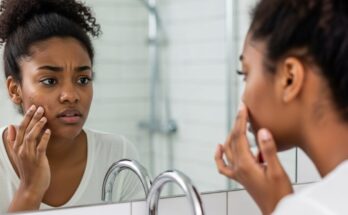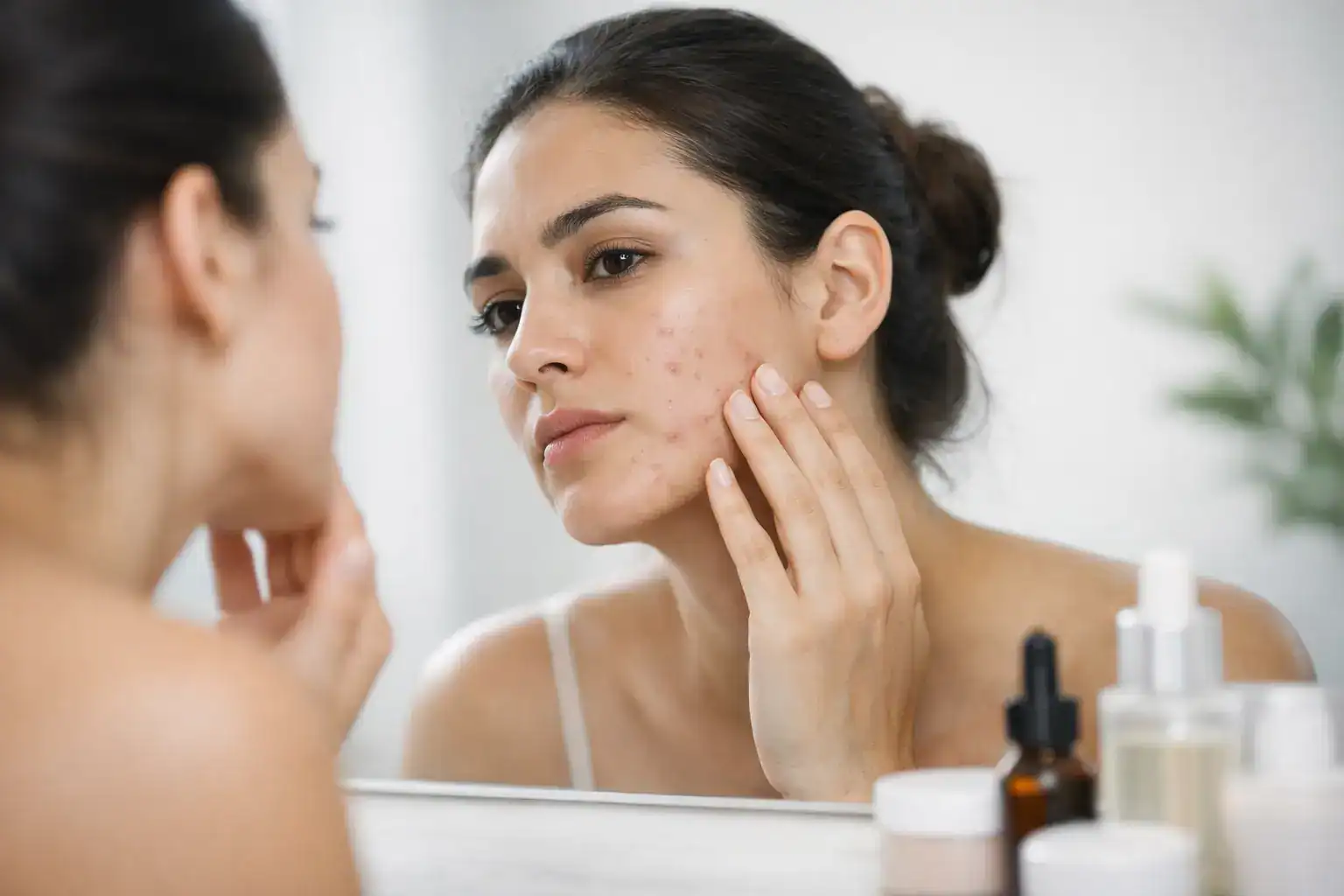
Hyperpigmentation is a common skin concern that causes dark patches, uneven skin tone, and stubborn discoloration. Whether caused by acne scars, sun exposure, hormonal changes, or inflammation, these dark spots can affect the overall appearance of your skin. Fortunately, finding an affordable chemical peel for hyperpigmentation near me can be an effective way to improve skin clarity, reduce visible discoloration, and restore a more balanced complexion.
We understand that achieving healthier, brighter-looking skin should not require an excessive financial commitment. Professional chemical peels provide a targeted approach to treating pigmentation concerns by exfoliating damaged surface skin cells and encouraging natural skin renewal.
In this guide, we explore the best affordable chemical peels for hyperpigmentation, their benefits, treatment costs, and how to find qualified skincare professionals offering safe and effective solutions.
What Is a Chemical Peel for Hyperpigmentation?
A chemical peel for hyperpigmentation is a professional skin treatment that uses carefully formulated exfoliating solutions to remove damaged skin cells and improve uneven pigmentation.
These treatments work by promoting skin exfoliation and encouraging the regeneration of healthier-looking skin. Depending on the ingredients, concentration, and treatment depth, chemical peels may help reduce the appearance of dark spots, acne-related discoloration, and certain types of melasma.
We recognize that hyperpigmentation affects different skin types in different ways. Therefore, choosing the appropriate chemical peel requires careful consideration of skin sensitivity, pigmentation severity, and treatment goals.
Common pigmentation concerns treated with chemical peels include:
- Post-inflammatory hyperpigmentation: Dark marks left behind after acne, irritation, or skin injuries.
- Sun-induced pigmentation: Dark spots associated with prolonged ultraviolet exposure.
- Melasma: Brown or gray-brown patches commonly influenced by hormones and sunlight.
- Uneven skin tone: Irregular pigmentation that makes the complexion appear patchy.
- Superficial dark spots: Discoloration affecting the outer layers of the skin.
Although chemical peels can improve certain pigmentation concerns, treatment outcomes depend on the cause and depth of discoloration.
Best Affordable Chemical Peels for Hyperpigmentation
Choosing the best chemical peel for dark spots involves understanding which exfoliating ingredients are suitable for different skin conditions.
1. Glycolic Acid Chemical Peel
A glycolic acid peel is a popular treatment for superficial hyperpigmentation. Derived from sugar cane, glycolic acid belongs to the alpha hydroxy acid (AHA) family.
It works by loosening the bonds between dead skin cells, allowing the outer skin layers to exfoliate more effectively.
Benefits of glycolic acid peels include:
- Improving the appearance of superficial dark spots.
- Promoting smoother skin texture.
- Supporting a brighter, more even complexion.
- Reducing visible discoloration from previous acne breakouts.
Glycolic acid peels are available in different concentrations, making professional assessment important before treatment.
2. Mandelic Acid Chemical Peel
Mandelic acid is another AHA commonly considered for individuals with sensitive or darker skin tones.
Its larger molecular structure allows it to penetrate the skin more slowly than glycolic acid, potentially making certain formulations easier to tolerate.
We consider mandelic acid peels a useful option when managing mild discoloration, particularly where minimizing irritation is essential.
3. Lactic Acid Chemical Peel
Lactic acid peels provide gentle surface exfoliation while helping improve skin smoothness and hydration.
They may be suitable for individuals experiencing mild hyperpigmentation alongside dry or sensitive skin.
Professional lactic acid treatments can help improve superficial uneven pigmentation, although deeper discoloration may require additional treatment approaches.
4. Salicylic Acid Chemical Peel
Salicylic acid is a beta hydroxy acid (BHA) that is particularly useful for oily and acne-prone skin.
Because salicylic acid is oil-soluble, it can penetrate oily pores and help reduce congestion.
For individuals experiencing acne alongside post-inflammatory hyperpigmentation, salicylic acid peels may offer benefits by addressing breakouts and improving the appearance of residual dark marks.
5. Jessner’s Chemical Peel
Jessner’s solution traditionally combines salicylic acid, lactic acid, and resorcinol, although modified formulations are also available.
It may be used to address certain pigmentation concerns and uneven skin texture.
However, its suitability depends on the formulation and the individual’s skin characteristics. Stronger peels require additional caution, particularly for people susceptible to post-inflammatory hyperpigmentation.
Benefits of Choosing an Affordable Chemical Peel for Hyperpigmentation
A professionally selected chemical peel can provide several cosmetic benefits without necessarily requiring expensive or invasive procedures.
Key Benefits of Professional Chemical Peels
- Reduced appearance of dark spots: Superficial chemical peels can gradually improve certain forms of discoloration.
- Improved skin tone: Regularly spaced treatments may help create a more even-looking complexion.
- Smoother skin texture: Exfoliation removes accumulated surface skin cells, improving skin smoothness.
- Better management of acne-related marks: Certain peels help address acne and the pigmentation it leaves behind.
- Customizable treatment options: Professionals can adjust the peel type and strength according to skin needs.
- Affordable treatment choices: Superficial peels may be more accessible than some advanced cosmetic procedures.
We emphasize that the most effective approach is not necessarily the strongest chemical peel. Selecting a treatment that minimizes irritation while addressing the underlying pigmentation concern is particularly important.
Affordable Chemical Peel for Hyperpigmentation Near Me: Cost and Pricing Factors
The cost of a chemical peel for hyperpigmentation varies depending on treatment depth, location, professional expertise, and the number of sessions required.
Superficial chemical peels are often less expensive than medium-depth or deep peels because they generally involve shorter procedures and less intensive recovery.
Factors That Influence Chemical Peel Treatment Costs
Several factors determine how much you may pay for a professional pigmentation treatment.
Treatment type: Glycolic acid, lactic acid, mandelic acid, and combination peels may have different pricing structures.
Clinic location: Dermatology clinics in major metropolitan areas may charge differently from providers in smaller communities.
Professional qualifications: Treatment provided by an experienced dermatologist or appropriately trained medical professional may involve higher consultation and procedure fees.
Number of sessions: Some individuals require multiple sessions to achieve noticeable improvements.
Additional skincare products: Sunscreen, pigment-control products, and post-treatment moisturizers may increase the overall cost.
We recommend requesting a complete treatment quotation that includes consultation fees, the procedure, recommended follow-up sessions, and necessary aftercare products.
Comparing total treatment costs rather than the price of one session helps identify genuinely affordable options.
How to Find the Best Affordable Chemical Peel for Hyperpigmentation Near Me
Finding a reputable provider is essential when considering a chemical peel for dark spots near me.
Although affordability matters, professional qualifications and appropriate safety standards should remain the highest priorities.
What to Look for in a Chemical Peel Clinic
When researching local skincare providers, we recommend evaluating several important factors:
- Professional expertise: Choose a qualified dermatologist or appropriately trained professional experienced in treating hyperpigmentation.
- Personalized skin assessment: Ensure the provider evaluates your skin type, pigmentation history, and sensitivity before recommending treatment.
- Transparent pricing: Request a clear explanation of consultation fees, treatment charges, and potential additional costs.
- Suitable treatment options: Look for providers offering different peel formulations rather than recommending one product for everyone.
- Clear aftercare instructions: Reliable professionals should explain how to protect your skin throughout recovery.
- Experience with darker skin tones: Appropriate expertise is especially important because irritation can worsen pigmentation in melanin-rich skin.
We also recommend reading independent patient reviews and discussing realistic treatment outcomes during your initial consultation.
A low treatment price should never come at the expense of professional safety.
How Many Chemical Peel Sessions Are Needed for Hyperpigmentation?
The number of sessions required depends on the underlying cause of pigmentation, its severity, and the chemical peel selected.
Some individuals notice improvements in skin texture and brightness after their first treatment. However, visible pigmentation reduction often requires several sessions.
For superficial peels, professionals may recommend a series of treatments spaced several weeks apart, depending on skin response and the formulation used.
Persistent melasma and deeper discoloration may require ongoing management that combines chemical peels with topical treatments and consistent sun protection.
We encourage realistic expectations because chemical peels do not guarantee complete or permanent removal of hyperpigmentation.
Chemical Peel Aftercare for Long-Lasting Results
Proper aftercare plays a significant role in maintaining treatment results and reducing complications.
Following a chemical peel, the skin may become temporarily red, dry, tight, or flaky.
Essential Aftercare Tips for Hyperpigmentation Treatment
- Apply broad-spectrum sunscreen: Use SPF 30 or higher daily, with regular reapplication during sun exposure.
- Avoid picking or peeling skin: Allow exfoliating skin to shed naturally to reduce the risk of irritation and scarring.
- Use gentle skincare products: Choose mild cleansers and moisturizers recommended by your provider.
- Limit direct sunlight: Protect treated skin from unnecessary ultraviolet exposure.
- Avoid harsh exfoliants: Do not restart retinoids, scrubs, or strong acids until your treating professional advises that it is safe.
- Follow professional instructions: Attend recommended follow-up appointments and report unusual reactions.
For melasma and other pigmentation conditions aggravated by visible light, a tinted sunscreen containing iron oxides may provide additional protection.
We emphasize that excessive exfoliation and poor aftercare can trigger additional pigmentation, particularly in darker skin tones.
Are Affordable Chemical Peels Safe for Dark Skin?
Chemical peels can be used on darker skin tones, but selecting the appropriate formulation and treatment depth is essential.
People with melanin-rich skin may have an increased risk of post-inflammatory hyperpigmentation following excessive irritation or aggressive procedures.
Superficial chemical peels are often preferred as an initial approach because they generally carry fewer risks than deeper treatments when appropriately performed.
We recommend consulting a dermatologist familiar with treating skin of color before undergoing professional chemical exfoliation.
A qualified provider can evaluate your pigmentation concern, discuss potential complications, and recommend suitable alternatives when necessary.
Possible side effects include temporary redness, irritation, peeling, prolonged discoloration, and, less commonly, infection or scarring.
How to Maintain Results After a Chemical Peel for Dark Spots
Achieving a brighter complexion is only one part of managing hyperpigmentation. Maintaining improvements requires a consistent skincare routine.
Skincare Habits That Support an Even Skin Tone
We recommend combining professional pigmentation treatments with appropriate daily skincare.
Daily sun protection is essential because ultraviolet and visible light exposure can worsen certain pigmentation conditions.
Gentle cleansing and moisturizing help maintain the skin barrier, while dermatologist-recommended ingredients such as azelaic acid, niacinamide, or certain retinoids may support ongoing pigmentation management.
Treating active acne is also important because repeated inflammation can create new dark marks.
By addressing both existing discoloration and its underlying causes, we can support more sustainable improvements in overall skin appearance.
Why Professional Chemical Peels Are Worth Considering
Professional chemical peels provide a controlled approach to skin exfoliation that differs significantly from applying strong acids at home.
With appropriate assessment, qualified professionals can select suitable ingredients, determine treatment strength, and monitor skin responses.
This personalized approach is particularly valuable for individuals with sensitive skin, persistent melasma, or pigmentation-prone complexions.
We believe effective hyperpigmentation treatment should focus on skin safety, realistic results, and long-term affordability, rather than aggressive procedures promising immediate transformation.
FAQs about Affordable Chemical Peel for Hyperpigmentation Near Me
1. What Is the Best Affordable Chemical Peel for Hyperpigmentation?
The best affordable chemical peels for hyperpigmentation include glycolic acid, lactic acid, and salicylic acid peels. These treatments help exfoliate the skin, reduce dark spots, and improve uneven skin tone. The ideal option depends on your skin type and pigmentation concerns.
2. How Much Does an Affordable Chemical Peel for Hyperpigmentation Cost?
The cost of chemical peels for hyperpigmentation varies depending on the clinic, peel strength, and treatment area. Superficial chemical peels are generally more affordable than medium-depth or deep peels.
3. Where Can I Find Affordable Chemical Peels for Hyperpigmentation Near Me?
We recommend searching for licensed dermatology clinics and reputable skincare centres near you. Compare treatment prices, patient reviews, practitioner qualifications, and consultation services before booking an appointment.
4. How Many Chemical Peel Sessions Are Needed for Hyperpigmentation?
Most patients require multiple chemical peel sessions to achieve noticeable improvements. The number of treatments depends on pigmentation severity, skin sensitivity, and the type of chemical peel used.
5. Are Affordable Chemical Peels Safe for Dark Skin?
Yes, certain superficial chemical peels can be suitable for darker skin tones when performed by qualified professionals. However, inappropriate peel selection or application can cause post-inflammatory hyperpigmentation, making professional assessment essential.
6. How Long Does It Take to See Results?
Some patients notice improvements within a few weeks, while stubborn pigmentation may require several sessions. Consistent sunscreen use and appropriate skincare help maintain results.
7. Is an Affordable Chemical Peel Worth It for Hyperpigmentation?
An affordable chemical peel for hyperpigmentation can be a worthwhile treatment for improving dark spots and uneven skin tone. We recommend prioritising professional expertise, treatment suitability, and safety over price alone.
Conclusion
Finding an affordable chemical peel for hyperpigmentation near me begins with choosing a qualified skincare provider who understands your skin type and pigmentation concerns.
From glycolic acid and mandelic acid to lactic acid and salicylic acid treatments, several professional chemical peel options may help improve dark spots, uneven skin tone, and acne-related discoloration.
We recommend prioritizing personalized consultations, transparent pricing, appropriate peel strength, and consistent aftercare to achieve the best possible results.
With professional guidance and a suitable skincare routine, affordable chemical peel treatments for hyperpigmentation can become a valuable part of a long-term plan for achieving smoother, healthier-looking, and more evenly toned skin.