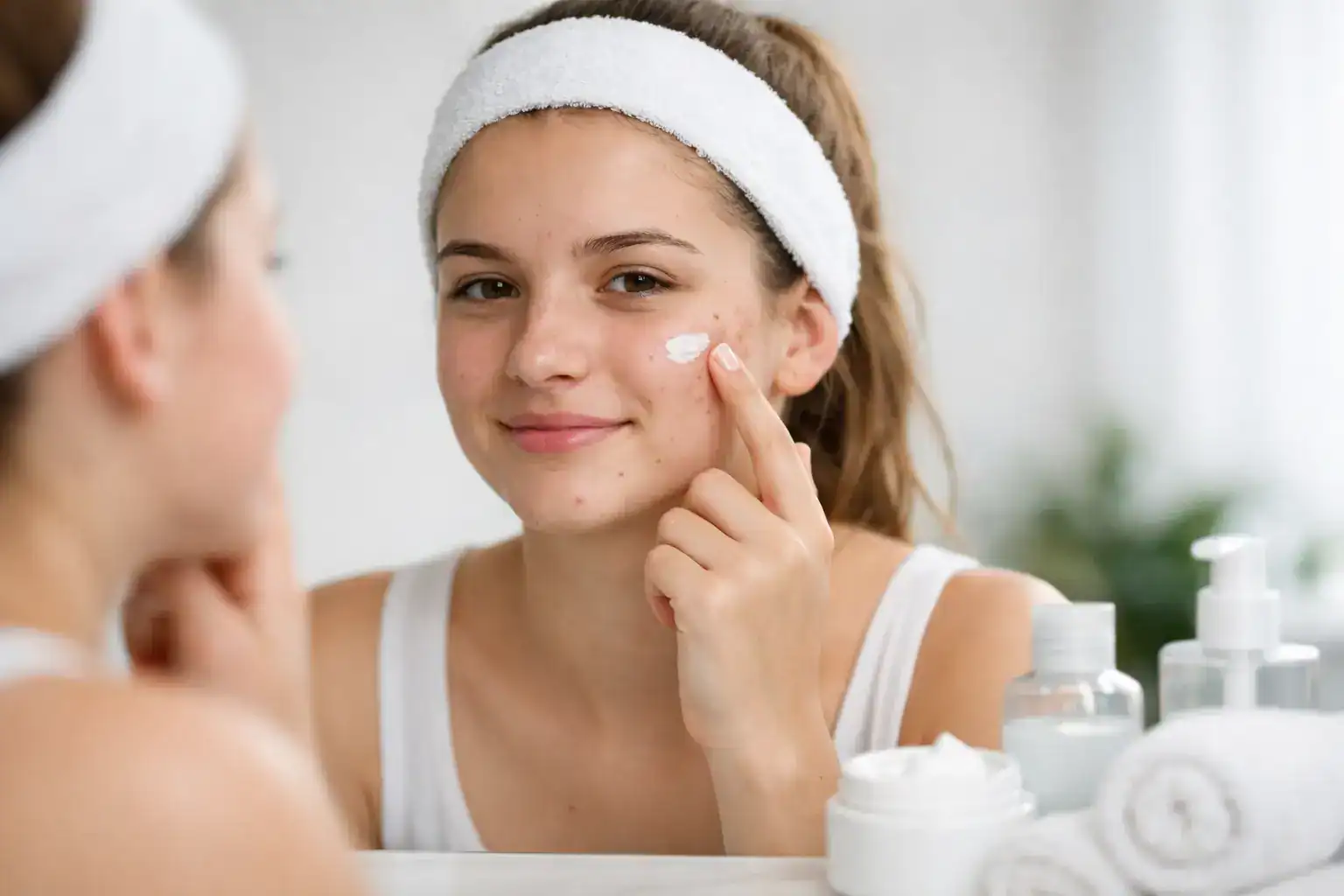
Choosing the right anti aging skincare for sensitive skin requires a careful balance between reducing visible signs of aging and protecting the skin from irritation. While many anti-aging products promise smoother skin, fewer wrinkles, and improved firmness, not every formula is suitable for sensitive skin.
We believe that an effective skincare routine should improve skin appearance without compromising comfort or the natural skin barrier. By understanding essential ingredients, selecting gentle formulations, and following a consistent skincare routine, we can address fine lines, wrinkles, dryness, and uneven skin tone while minimizing irritation.
In this guide, we explain how to choose anti aging skincare for sensitive skin, identify beneficial ingredients, and highlight practical ways to maintain healthier, smoother, and more youthful-looking skin.
Understanding Sensitive Skin and Its Anti-Aging Needs
Sensitive skin often reacts more easily to certain skincare ingredients, environmental conditions, and harsh formulations. Common symptoms include redness, burning, itching, dryness, and tightness.
When selecting anti aging products for sensitive skin, we must prioritize formulas that support the skin’s protective barrier while addressing visible signs of aging.
As skin ages, natural collagen production gradually declines, moisture retention may decrease, and fine lines become more noticeable. Sensitive skin can also experience irritation when exposed to strong exfoliating acids, fragrances, or highly concentrated active ingredients.
Therefore, we recommend choosing gentle skincare products containing moisturizing, soothing, and evidence-supported anti-aging ingredients.
Key Factors to Consider When Choosing Anti Aging Skincare for Sensitive Skin
Selecting suitable products involves evaluating ingredient quality, formulation, skin compatibility, and long-term benefits.
1. Choose Fragrance-Free Anti-Aging Products
Fragrances are common triggers of skin irritation, especially for individuals with sensitive or reactive skin.
We recommend selecting fragrance-free anti aging skincare products rather than formulas containing added perfumes or essential oils.
Fragrance-free products can help reduce unnecessary exposure to potential irritants while supporting a more comfortable skincare experience.
We should also distinguish between fragrance-free and unscented products, as unscented formulations may still contain fragrance ingredients designed to mask odors.
2. Look for Gentle Anti-Aging Ingredients
The effectiveness of an anti-aging skincare product depends significantly on its active ingredients.
For sensitive skin, we recommend ingredients that offer skin-supporting benefits without requiring aggressive treatment.
Some beneficial ingredients include:
- Hyaluronic Acid: Helps attract and retain moisture, temporarily improving the appearance of fine lines caused by dehydration.
- Niacinamide: Supports the skin barrier, improves moisture retention, and may help reduce uneven skin tone.
- Ceramides: Help restore and maintain the skin’s protective barrier.
- Peptides: May support improvements in skin texture and the appearance of fine lines, although results vary by formulation.
- Glycerin: Provides hydration and helps prevent excessive dryness.
- Low-Strength Retinoids: Can improve fine lines and uneven texture over time but require careful introduction because they may cause irritation.
By choosing products with these ingredients, we can build a gentle anti aging skincare routine for sensitive skin that emphasizes hydration, protection, and gradual improvement.
3. Prioritize Skin Barrier Protection
A healthy skin barrier is essential for maintaining moisture and reducing sensitivity.
When the skin barrier becomes compromised, irritation, dryness, and redness may increase.
We recommend moisturizers containing ceramides, glycerin, squalane, and other barrier-supporting ingredients.
A well-formulated moisturizer can help reduce water loss and improve skin comfort, making it easier to tolerate certain anti-aging treatments.
4. Avoid Harsh Exfoliants and Irritating Formulations
Although exfoliation can improve skin texture, excessive exfoliation may worsen sensitivity.
We recommend avoiding frequent use of strong exfoliating acids, abrasive facial scrubs, and multiple active treatments applied simultaneously.
Individuals with sensitive skin should introduce exfoliating products cautiously and discontinue use if persistent irritation develops.
5. Select Broad-Spectrum Sunscreen
Daily sun protection is one of the most important steps in preventing premature skin aging.
Ultraviolet radiation contributes to wrinkles, pigmentation changes, and loss of skin elasticity.
We recommend using a broad-spectrum sunscreen with SPF 30 or higher as part of a daily skincare routine.
Mineral sunscreens containing zinc oxide or titanium dioxide may be more comfortable for some individuals with sensitive skin, although suitability depends on the complete formulation.
Best Anti Aging Skincare Routine for Sensitive Skin
An effective routine does not require numerous products. Instead, we recommend a straightforward approach that combines gentle cleansing, hydration, targeted treatments, and sun protection.
Morning Anti-Aging Skincare Routine
Our recommended morning routine focuses on strengthening the skin barrier and protecting against environmental damage.
Step 1: Gentle Cleanser
Use a mild, fragrance-free cleanser that removes impurities without stripping the skin of essential moisture.
Step 2: Hydrating Serum
Apply a serum containing hyaluronic acid, glycerin, or a well-tolerated niacinamide formulation to improve hydration and skin comfort.
Step 3: Moisturizer
Choose a lightweight or rich moisturizer depending on skin dryness and individual preferences.
Step 4: Broad-Spectrum Sunscreen
Apply SPF 30 or higher to exposed skin. Reapply approximately every two hours when outdoors and after swimming or sweating.
Evening Anti-Aging Skincare Routine
Our recommended nighttime routine focuses on gentle cleansing, moisture replenishment, and carefully selected anti-aging treatments.
Step 1: Cleanse Gently
Remove sunscreen, makeup, and accumulated impurities with a mild facial cleanser.
Step 2: Introduce Anti-Aging Treatments Carefully
Consider a low-strength retinoid if appropriate for the skin’s tolerance. Begin infrequently and increase use gradually only when well tolerated.
Retinoids should generally be avoided during pregnancy, and individuals who are pregnant or planning pregnancy should seek professional guidance.
Step 3: Apply a Barrier-Supporting Moisturizer
Finish with a moisturizer containing ceramides, glycerin, or other hydrating ingredients to minimize dryness.
How to Test Anti Aging Products Before Regular Use
Before introducing a new product, we recommend performing a patch test to identify possible irritation.
Apply a small amount to a discreet area of skin according to the product’s instructions and monitor for redness, itching, swelling, or discomfort.
For leave-on products, testing the same area over several days can help identify delayed reactions.
We also recommend introducing only one new skincare product at a time. This approach makes it easier to identify products that cause unwanted reactions.
Individuals experiencing persistent burning, eczema flare-ups, or recurring irritation should consult a dermatologist before introducing additional active ingredients.
Common Mistakes to Avoid When Choosing Anti Aging Skincare
Even high-quality products may produce disappointing results when used incorrectly.
We recommend avoiding these common skincare mistakes:
- Using Too Many Active Ingredients: Combining multiple retinoids, exfoliating acids, or strong treatments can increase irritation.
- Skipping Moisturizer: Insufficient hydration can make fine lines appear more noticeable and worsen dryness.
- Ignoring Sunscreen: Without consistent sun protection, ultraviolet exposure can undermine improvements from anti-aging treatments.
- Choosing Products Based Only on Price: Expensive skincare is not necessarily more effective or better tolerated.
- Expecting Immediate Results: Improvements in wrinkles, texture, and pigmentation typically require consistent use over weeks or months.
- Ignoring Skin Reactions: Persistent redness, burning, or peeling may indicate that a product is unsuitable.
By avoiding these mistakes, we can develop a more sustainable and comfortable anti-aging skincare routine.
How to Choose Affordable Anti Aging Skincare for Sensitive Skin
Effective anti-aging skincare does not always require premium or expensive products.
We recommend prioritizing essential products rather than purchasing numerous treatments with overlapping functions.
A practical routine should include a gentle cleanser, barrier-supporting moisturizer, broad-spectrum sunscreen, and an optional targeted anti-aging treatment.
When comparing affordable skincare products, we should review ingredient lists, fragrance content, packaging, and suitability for sensitive skin.
Products containing proven moisturizing ingredients can often deliver meaningful improvements in hydration and skin appearance without unnecessary complexity.
When to Consult a Dermatologist for Sensitive Skin
Professional guidance can be particularly valuable when sensitive skin reacts repeatedly to skincare products.
We recommend consulting a dermatologist when experiencing persistent redness, severe dryness, recurring irritation, or difficulty tolerating anti-aging treatments.
A dermatologist can help identify underlying conditions such as rosacea, eczema, or allergic contact dermatitis and recommend suitable treatment options.
Professional evaluation may also help determine whether prescription retinoids or other targeted treatments are appropriate.
Long-Term Tips for Maintaining Youthful-Looking Sensitive Skin
Maintaining healthier-looking skin requires consistency, patience, and a commitment to gentle skincare practices.
We recommend selecting products based on individual skin needs rather than following every new skincare trend.
Adequate hydration, regular sunscreen application, gentle cleansing, and consistent moisturizing can help maintain skin comfort and improve overall appearance.
We should also monitor how the skin responds to seasonal changes, new ingredients, and adjustments to treatment frequency.
Ultimately, a well-balanced skincare routine should support both healthy skin aging and long-term skin barrier function.
FAQs about How to Choose Anti Aging Skincare for Sensitive Skin
1. What Is the Best Anti Aging Skincare for Sensitive Skin?
The best anti aging skincare for sensitive skin includes gentle, fragrance-free products containing hyaluronic acid, ceramides, and niacinamide. These ingredients help hydrate the skin, strengthen its protective barrier, and improve the appearance of fine lines.
2. How Do I Choose Anti Aging Products for Sensitive Skin?
We recommend choosing dermatologist-tested, fragrance-free skincare products formulated for sensitive skin. Look for gentle ingredients, avoid harsh exfoliants, and introduce one new product at a time to minimize irritation.
3. Which Anti Aging Ingredients Are Safe for Sensitive Skin?
Hyaluronic acid, ceramides, peptides, and low-concentration niacinamide are generally well tolerated. Retinol can also improve wrinkles but should be introduced gradually because it may cause irritation.
4. Can Sensitive Skin Use Retinol?
Yes, some people with sensitive skin can use retinol. We recommend starting with a low concentration once or twice weekly, applying moisturizer, and increasing usage gradually as tolerated. Avoid retinoids during pregnancy.
5. What Ingredients Should Sensitive Skin Avoid?
Sensitive skin may react to added fragrances, strong exfoliating acids, high-concentration retinoids, and alcohol-heavy formulations. We suggest avoiding products that repeatedly cause redness, burning, or dryness.
6. Is Sunscreen Important in Anti Aging Skincare?
Absolutely. Broad-spectrum SPF 30 or higher sunscreen helps protect sensitive skin from UV damage, premature wrinkles, and dark spots. Daily application is essential for an effective anti-aging routine.
7. How Often Should I Use Anti Aging Skincare Products?
We recommend using a gentle cleanser, moisturizer, and sunscreen daily. Stronger active ingredients should be introduced slowly according to skin tolerance.
8. How Long Does Anti Aging Skincare Take to Show Results?
Hydration improvements may appear within days, while visible changes in fine lines and skin texture often require several weeks or months of consistent use.
Conclusion
Understanding how to choose anti aging skincare for sensitive skin allows us to make informed decisions that balance effective age-related skincare with gentle skin protection.
By prioritizing fragrance-free formulations, hydrating ingredients, barrier-supporting moisturizers, and broad-spectrum sunscreen, we can address visible signs of aging while reducing the likelihood of irritation.
We recommend introducing active ingredients gradually, avoiding excessive exfoliation, and maintaining a consistent morning and evening skincare routine.
With the right combination of gentle products, appropriate treatments, and daily sun protection, we can support smoother, healthier-looking, and more resilient sensitive skin over time.

