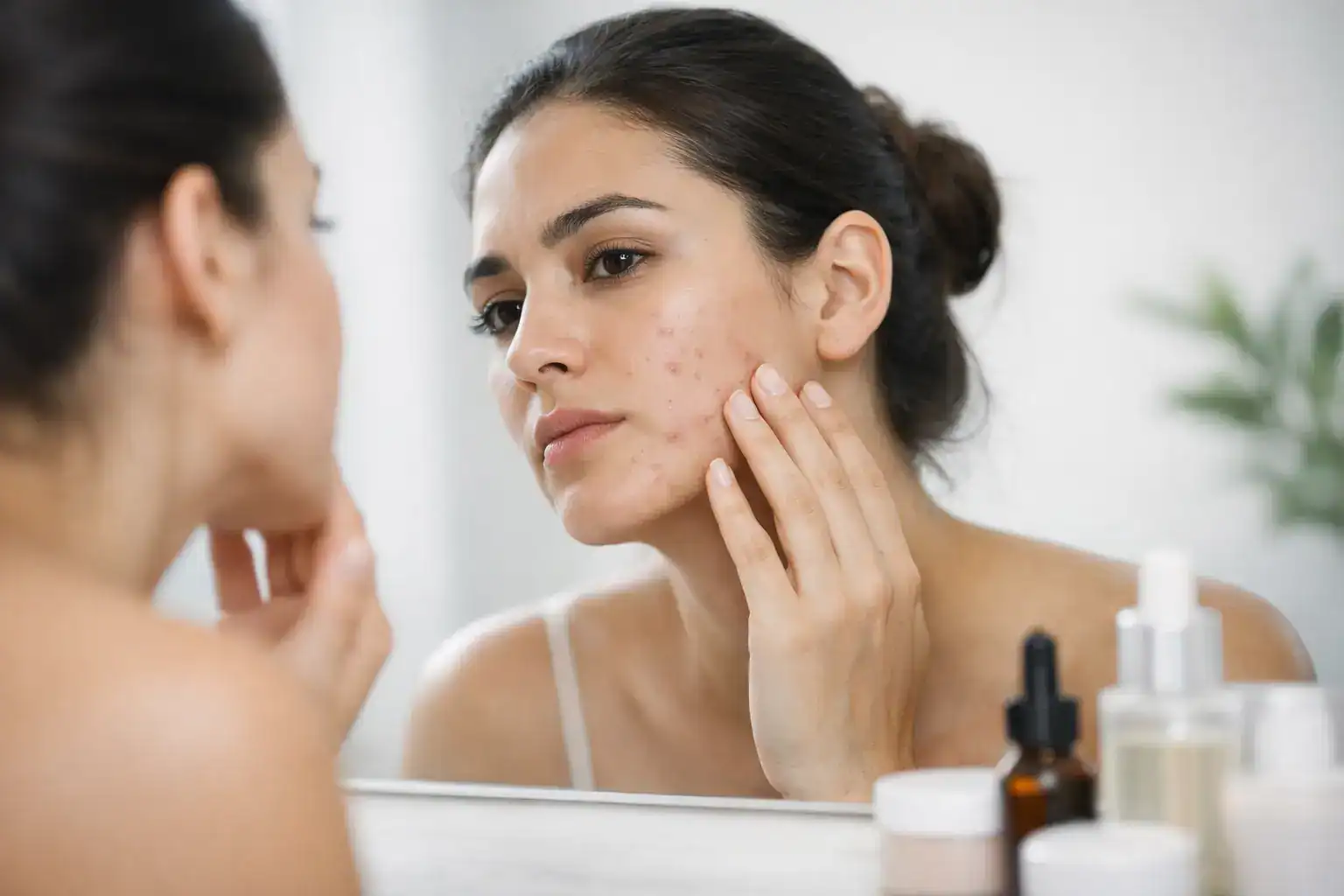
Recurring acne can be frustrating, especially when breakouts improve temporarily only to return days or weeks later. Choosing the right acne treatment for recurring breakouts requires more than finding a product that dries out visible pimples. Effective treatment should address the causes of repeated breakouts, support the skin barrier, reduce inflammation, prevent clogged pores, and lower the risk of acne marks or scarring.
We believe the best approach is one that considers acne type, skin sensitivity, breakout location, possible triggers, treatment consistency, and long-term prevention. Instead of constantly changing products, we focus on building a structured acne-care plan that can be maintained safely over time.
Understand Why Acne Keeps Coming Back
Before choosing a treatment, we need to understand why acne may be recurring. Acne develops when pores become blocked with excess oil, dead skin cells, and other debris. Inflammation and acne-associated bacteria may also contribute to the formation of pimples.
Recurring breakouts may be influenced by several factors, including:
- Excess sebum production
- Clogged pores
- Hormonal fluctuations
- Stress
- Certain skincare or haircare products
- Sweat and friction
- Inconsistent acne treatment
- Stopping treatment too early
- Using products that irritate the skin barrier
The location and pattern of acne may also provide useful information. Breakouts concentrated around the jawline and chin may behave differently from blackheads across the nose or inflammatory pimples on the cheeks.
Rather than treating every breakout in exactly the same way, we recommend choosing products based on the type of acne that appears repeatedly.
Identify the Type of Recurring Acne
The right recurring acne treatment depends heavily on whether the acne is mainly comedonal, inflammatory, cystic, or mixed.
Blackheads and Whiteheads
Blackheads and whiteheads develop when pores become clogged. Treatments that encourage healthy skin-cell turnover and help clear pores are often useful.
Common options may include:
- Salicylic acid
- Topical retinoids such as adapalene
- Non-comedogenic moisturizers
- Gentle cleansing products
Salicylic acid is a beta hydroxy acid that can penetrate oily pores and help loosen accumulated debris.
Red Pimples and Pustules
Inflammatory acne may appear as red, tender bumps or pimples containing visible pus. Treatment often focuses on reducing inflammation while controlling acne-causing processes within the pores.
Options may include:
- Benzoyl peroxide
- Topical retinoids
- Prescription topical treatments when appropriate
- Gentle moisturizers that support the skin barrier
Benzoyl peroxide can be particularly helpful for inflammatory acne because it reduces acne-associated bacteria without creating the same bacterial resistance concerns associated with antibiotic use alone.
Deep or Painful Acne
Deep nodules or cyst-like breakouts may require professional assessment. These lesions can remain under the skin for extended periods and may increase the risk of permanent scarring.
When acne is consistently deep, painful, or resistant to over-the-counter treatment, we recommend consulting a board-certified dermatologist or qualified healthcare professional.
Choose Acne Treatment Based on Active Ingredients
Selecting products by active ingredient is usually more effective than choosing products based only on packaging or marketing claims.
Salicylic Acid for Clogged Pores
Salicylic acid can be useful when recurring acne involves blackheads, whiteheads, and congested pores.
It works by helping remove dead skin cells from inside pores and reducing the accumulation of debris that can contribute to breakouts.
People with sensitive or dry skin may benefit from starting with a lower-strength product or using it less frequently.
Benzoyl Peroxide for Inflamed Breakouts
Benzoyl peroxide is widely used for inflammatory acne.
It may be available in cleansers, leave-on gels, and combination prescription products. Higher concentrations are not always necessary, because stronger products can increase dryness or irritation without providing proportionally better results for everyone.
We generally favor starting conservatively and increasing treatment frequency only when the skin tolerates it well.
Adapalene and Other Retinoids for Long-Term Prevention
Topical retinoids are among the most useful treatments for acne because they help regulate skin-cell turnover and reduce pore blockage.
Adapalene is available over the counter in some countries and may be used for both comedonal and inflammatory acne.
Retinoids are usually applied consistently rather than only when a pimple appears. Their purpose is not simply to treat individual spots but to reduce the formation of future acne lesions.
Because retinoids can initially cause dryness, peeling, or irritation, gradual introduction may improve tolerance.
Pregnant individuals or those trying to become pregnant should discuss acne treatments with a healthcare professional because certain retinoids are generally avoided during pregnancy.
Azelaic Acid for Acne and Post-Breakout Marks
Azelaic acid may be particularly useful for people dealing with both acne and lingering discoloration.
It can help reduce inflammation, support clearer pores, and improve the appearance of post-inflammatory hyperpigmentation.
This can be valuable for people whose acne leaves persistent brown or dark marks even after the active breakout resolves.
Build a Simple Routine for Recurring Breakouts
Using too many active ingredients at once can make recurring acne more difficult to manage. Irritated skin may become dry, inflamed, or uncomfortable, leading people to abandon treatment before it has had enough time to work.
Morning Routine
A simple morning acne routine may include:
- Gentle cleanser
- Acne treatment if appropriate
- Non-comedogenic moisturizer
- Broad-spectrum sunscreen
Daily sunscreen is particularly important when using retinoids, exfoliating acids, or treatments for post-acne marks.
Evening Routine
An evening routine may include:
- Gentle cleansing
- Retinoid or another targeted acne treatment
- Moisturizer
The exact routine should depend on skin tolerance. Not every active ingredient needs to be used during the same skincare session.
Avoid Changing Acne Products Too Frequently
One of the most common mistakes with recurring breakouts is constantly switching products.
Acne treatments often require consistent use before meaningful improvement becomes noticeable. Changing products every few days can make it difficult to determine whether a treatment is effective and may increase irritation.
We recommend introducing new acne products gradually and monitoring the skin’s response.
If irritation becomes significant, reducing application frequency may be more appropriate than immediately abandoning the treatment.
Protect the Skin Barrier While Treating Acne
Strong acne treatment does not automatically mean better acne treatment.
Dryness, burning, tightness, and excessive peeling may indicate that the skincare routine is too aggressive. A damaged skin barrier can make treatment uncomfortable and reduce the likelihood that someone will remain consistent.
A suitable moisturizer can help maintain hydration while acne medication does its work.
Look for products labeled:
- Non-comedogenic
- Oil-free when appropriate
- Fragrance-free for sensitive skin
- Suitable for acne-prone skin
Ingredients such as ceramides, glycerin, and hyaluronic acid may support hydration without requiring heavy or greasy formulas.
Check Skincare and Haircare Products for Acne Triggers
Recurring forehead, temple, or hairline acne can sometimes be associated with hair products, oils, pomades, styling creams, or leave-in conditioners.
Similarly, heavy facial oils, makeup, sunscreen, or moisturizers may worsen congestion in certain acne-prone individuals.
We recommend choosing products that are non-comedogenic whenever possible and observing whether breakouts repeatedly occur in areas exposed to specific products.
Do Not Over-Scrub Acne-Prone Skin
Acne is not caused by dirty skin, and excessive cleansing can make irritation worse.
Scrubbing with abrasive brushes, rough exfoliating tools, or harsh cleansers may disrupt the skin barrier without solving the underlying causes of recurring acne.
A gentle cleanser used consistently is generally preferable to aggressive scrubbing.
We also recommend avoiding frequent picking or squeezing because this can increase inflammation and raise the risk of post-acne discoloration and scarring.
Consider Hormonal Patterns in Recurring Acne
Some acne follows a predictable hormonal pattern.
Breakouts may repeatedly occur around the chin, jawline, or lower face and may worsen around menstrual cycles.
When this pattern is persistent, a dermatologist or healthcare professional may discuss treatment options that target hormonal influences.
These may include prescription therapies depending on the person’s medical history, sex, pregnancy status, medications, and other health considerations.
Hormonal acne should not be self-diagnosed solely based on breakout location, but recurring patterns can provide useful information during a professional consultation.
Know When Over-the-Counter Treatment May Not Be Enough
Mild acne can often be managed with appropriate over-the-counter products, but professional care may be necessary when acne becomes persistent or severe.
Signs It May Be Time to See a Dermatologist
We recommend seeking professional evaluation when:
- Acne is deep, painful, or cystic
- Breakouts are causing scarring
- Acne persists despite consistent treatment
- Dark marks remain for long periods
- Acne is significantly affecting confidence or emotional wellbeing
- Over-the-counter products repeatedly cause irritation
- Acne appears suddenly or becomes unusually severe
- There may be an underlying hormonal or medical factor
Dermatologists can prescribe stronger topical medications, oral treatments, or combination therapies based on the severity and pattern of acne.
Use Spot Treatments Carefully
Spot treatments can help individual pimples, but recurring acne usually requires a preventive strategy.
Applying benzoyl peroxide or another acne treatment only to visible pimples may reduce some active lesions while doing little to prevent nearby pores from becoming clogged.
For people with recurrent acne in specific areas, dermatologists often recommend treatments that are applied across the acne-prone region rather than only to individual spots.
This approach targets both visible and developing acne.
Give Acne Treatment Enough Time to Work
Acne rarely clears overnight.
Some products may reduce oiliness or inflammation relatively quickly, but meaningful improvement often requires several weeks of consistent treatment.
Retinoids, in particular, are designed for ongoing acne prevention rather than immediate spot removal.
Consistency usually matters more than repeatedly adding stronger products.
We recommend tracking changes over time instead of judging treatment effectiveness based on one or two breakout cycles.
Choose Non-Comedogenic Makeup and Sunscreen
People with recurring acne do not necessarily need to stop wearing makeup or sunscreen.
Instead, we recommend looking for products formulated for acne-prone or oily skin.
Non-comedogenic foundations, concealers, moisturizers, and sunscreens are designed to be less likely to block pores.
Makeup should also be removed thoroughly before bedtime using gentle cleansing methods.
Sunscreen remains especially important because acne treatments can increase sun sensitivity, while ultraviolet exposure may make post-acne pigmentation more noticeable.
Avoid Combining Too Many Strong Ingredients
An aggressive routine containing salicylic acid, glycolic acid, retinoids, benzoyl peroxide, scrubs, and exfoliating masks may appear powerful, but combining too many actives can increase irritation.
We recommend building a routine around a small number of proven ingredients.
For example, a dermatologist may recommend combining a retinoid with benzoyl peroxide while keeping the cleanser and moisturizer gentle.
The goal is effective treatment with tolerable irritation, not maximum product intensity.
Pay Attention to Acne Scarring and Hyperpigmentation
Recurring breakouts can create two separate concerns: active acne and the marks left behind.
Post-inflammatory hyperpigmentation may appear as brown, grey, or dark patches after acne heals, particularly in medium to deep skin tones.
Red or pink marks may also remain after inflammation resolves.
Preventing new breakouts is usually an important first step because constantly developing new acne makes discoloration harder to manage.
Ingredients such as azelaic acid, retinoids, niacinamide, and sunscreen may be incorporated into a treatment plan depending on skin type and individual needs.
Indented, raised, or permanent acne scars may require professional procedures rather than topical skincare alone.
How to Choose the Best Acne Treatment for Recurring Breakouts
Choosing the right treatment becomes easier when we evaluate a few important factors.
Consider These Factors Before Starting Treatment
- Type of acne: blackheads, whiteheads, papules, pustules, nodules, or mixed acne
- Skin type: oily, dry, combination, or sensitive
- Breakout frequency: occasional versus persistent
- Breakout location: forehead, cheeks, chin, jawline, chest, or back
- Previous treatments: what helped and what caused irritation
- Pregnancy status: some acne medications should be avoided
- Scarring risk: deep inflammatory acne requires earlier professional care
- Pigmentation concerns: treatment should reduce inflammation without creating unnecessary irritation
A treatment plan should be strong enough to control acne while remaining gentle enough to use consistently.
A Practical Approach to Long-Term Acne Control
Recurring acne is usually managed most successfully through prevention rather than repeated emergency treatment.
A balanced plan may include:
- A gentle daily cleanser
- One or two proven acne-active ingredients
- Consistent moisturizer
- Daily sunscreen
- Non-comedogenic skincare and makeup
- Avoiding frequent picking
- Regular treatment even when the skin temporarily looks clear
Once acne improves, maintenance treatment may still be needed to reduce the risk of future breakouts.
Stopping every acne product as soon as the skin clears can allow clogged pores to begin forming again.
FAQs about Affordable Acne Treatment for Recurring Breakouts Near Me
1. Where can I find affordable acne treatment for recurring breakouts near me?
You can search for dermatology clinics, acne specialists, primary care providers, and teledermatology services that offer reasonably priced consultations and personalized treatment plans.
2. What causes acne to keep coming back?
Recurring breakouts may be linked to hormonal changes, excess oil production, clogged pores, bacteria, stress, certain skincare products, medications, or lifestyle factors.
3. What affordable treatments are available for recurring acne?
Common options may include benzoyl peroxide, salicylic acid, topical retinoids, azelaic acid, prescription creams, and oral medications when appropriate.
4. Should I see a dermatologist for recurring breakouts?
Yes. If acne repeatedly returns, becomes painful, causes scarring, or does not respond to over-the-counter products, a dermatologist can help identify contributing factors and recommend suitable treatment.
5. How much does acne treatment cost?
The cost varies depending on the provider, severity of acne, medications, laboratory tests, and procedures required. Asking clinics about consultation fees, generic medications, payment options, and insurance coverage can help reduce costs.
6. Can affordable acne treatment prevent future breakouts?
A consistent treatment and maintenance routine can help reduce new breakouts and control recurring acne, although results vary between individuals.
7. How do I choose an acne treatment provider near me?
Look for a qualified dermatologist or licensed healthcare professional experienced in treating recurring acne. Consider treatment costs, accessibility, patient reviews, and whether personalized follow-up care is available.
Conclusion
The best acne treatment for recurring breakouts should address more than individual pimples. We focus on preventing blocked pores, controlling inflammation, supporting the skin barrier, reducing acne triggers, and maintaining treatment consistently.
Ingredients such as salicylic acid, benzoyl peroxide, adapalene, and azelaic acid can play important roles depending on the type of acne and individual skin needs. A simple routine with gentle cleansing, targeted treatment, moisturizer, and sunscreen is often more sustainable than an overly complicated regimen.
When acne is painful, cystic, persistent, or causing scars, professional dermatological care becomes especially important. With the right combination of evidence-based treatment, consistency, and skin-barrier support, recurring breakouts can often be managed more effectively while reducing the risk of long-term marks and scarring.