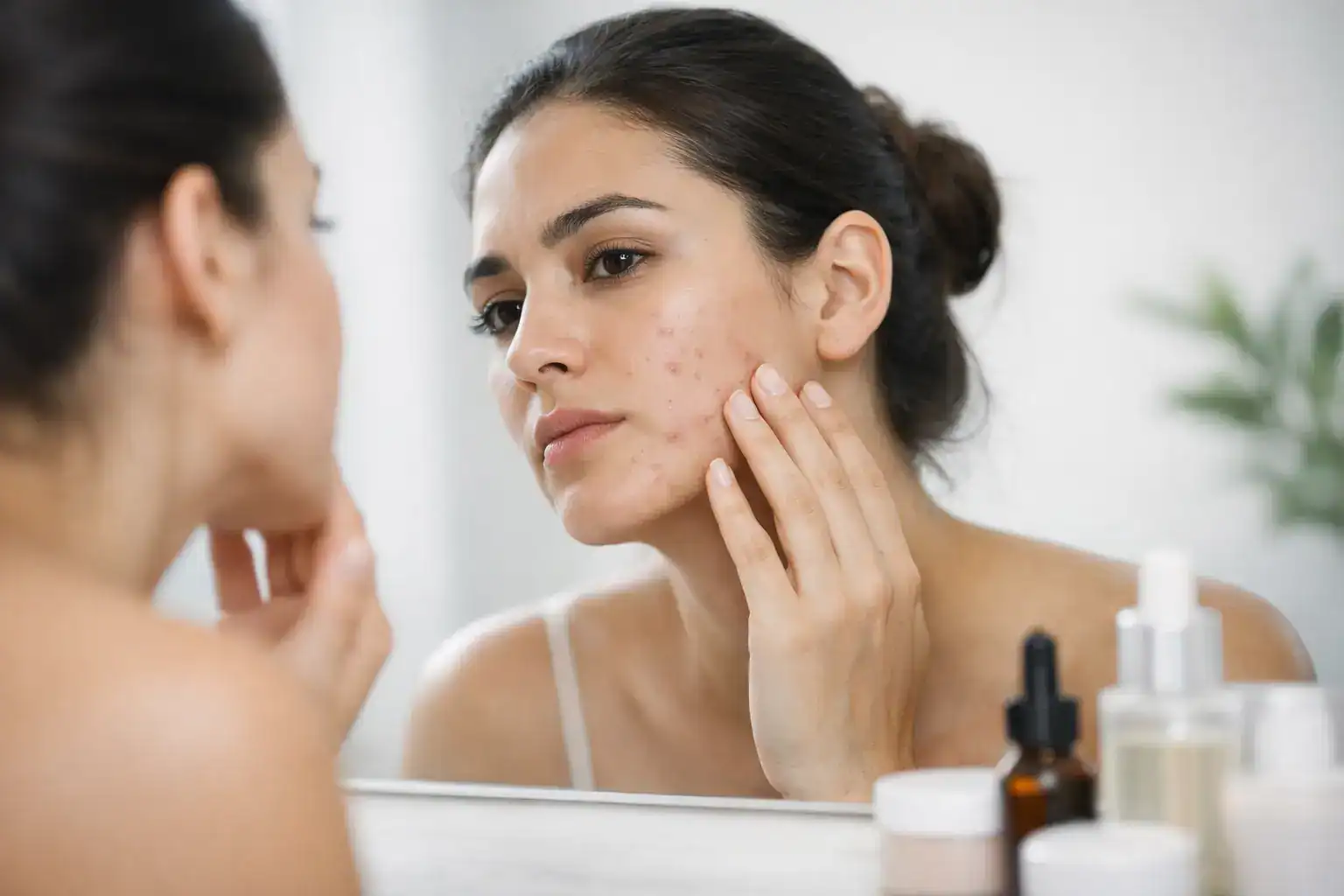
Choosing the right acne scar treatment for dark skin requires more than simply selecting the most popular laser, peel, or resurfacing procedure. Darker skin tones contain more melanin, which can respond differently to inflammation, heat, and injury. For this reason, we focus on treatments that improve acne scars while carefully reducing the risk of post-inflammatory hyperpigmentation (PIH), uneven skin tone, burns, and prolonged irritation.
The best approach begins with identifying the type of acne scar, assessing the degree of pigmentation, controlling active acne, and selecting treatments that are appropriate for the individual’s skin tone. There is no single procedure that works equally well for every scar.
When we evaluate acne scar treatment for Black skin and darker skin tones, our goal is to improve texture and discoloration without creating additional pigmentation problems.
Identify the Type of Acne Scar Before Choosing Treatment
The first step in choosing an effective treatment is determining exactly what type of scarring is present. Acne can leave several different types of scars, and each may require a different approach.
Common Types of Acne Scars on Dark Skin
Before selecting a procedure, we look for the following:
- Ice pick scars: Small, narrow, deep indentations that extend into the skin.
- Boxcar scars: Wider depressions with relatively defined edges.
- Rolling scars: Shallow depressions that create an uneven or wave-like appearance.
- Hypertrophic scars: Raised scars caused by excess collagen formation.
- Keloid scars: Thick, raised scars that extend beyond the original area of skin injury.
- Post-inflammatory hyperpigmentation: Brown, grey, or dark marks that remain after acne heals.
- Post-inflammatory erythema: Red or pink marks that may persist after inflammatory acne.
Dark marks are frequently called scars, but hyperpigmentation and true acne scars are different conditions. Pigmentation affects skin colour, while atrophic acne scars affect the physical structure and texture of the skin.
This distinction matters because a treatment designed for pigmentation may have little effect on deep indented scars.
Look for a Dermatologist Experienced in Treating Dark Skin
The practitioner performing acne scar treatment can be just as important as the procedure itself.
We recommend choosing a qualified dermatologist or appropriately trained medical professional who regularly treats Fitzpatrick skin types IV, V, and VI or otherwise has substantial experience managing darker skin tones.
A provider experienced with skin of colour understands how treatment settings, inflammation, wavelength, depth, and aftercare can affect melanin production.
During a consultation, we would expect a proper assessment to include:
- Skin tone and sensitivity
- Acne scar type and depth
- History of hyperpigmentation
- History of keloid formation
- Current acne activity
- Previous scar treatments
- Current skincare products
- Medications
- Sun exposure
- Treatment expectations
This evaluation helps determine which procedures may offer improvement without unnecessarily increasing the risk of pigmentation changes.
Choose Treatments According to the Scar Type
Effective acne scar treatment is usually scar-specific rather than one-size-fits-all.
Microneedling for Acne Scars on Dark Skin
Microneedling is commonly considered for depressed acne scars because it stimulates controlled wound healing and collagen production without relying primarily on heat.
Tiny sterile needles create controlled micro-injuries in the skin, encouraging collagen and elastin remodeling over time.
Microneedling may be considered for:
- Rolling scars
- Mild to moderate boxcar scars
- Uneven skin texture
- Some enlarged pores
Multiple sessions are often required, and improvements tend to develop gradually as collagen remodeling occurs.
Although microneedling can be suitable for darker skin when performed correctly, aggressive treatment can still cause irritation and pigmentation changes. Professional technique and appropriate aftercare remain essential.
Consider Radiofrequency Microneedling Carefully
Radiofrequency microneedling combines microneedles with radiofrequency energy delivered below the skin surface.
It may be considered for some patients with:
- Atrophic acne scars
- Uneven texture
- Deeper rolling scars
- Mild skin laxity associated with scarring
Because energy is delivered beneath the surface, radiofrequency microneedling can sometimes be used in darker skin types when suitable settings are chosen.
However, it is still an energy-based procedure. The depth, temperature, energy level, number of passes, and treatment frequency should be selected carefully.
Evaluate Laser Treatment for Dark Skin With Extra Care
Laser resurfacing can improve certain acne scars, but treatment selection is particularly important for individuals with higher levels of melanin.
Some lasers generate substantial heat or target pigment, increasing the possibility of post-inflammatory hyperpigmentation or hypopigmentation if they are used incorrectly.
Certain fractional non-ablative technologies and appropriately selected laser systems may be used in darker skin by experienced practitioners. The exact device, wavelength, fluence, density, pulse duration, and treatment strategy can influence safety.
Before undergoing laser treatment, we recommend asking:
- Is this laser routinely used on darker skin tones?
- What is the practitioner’s experience treating similar skin types?
- Is a test spot appropriate?
- What is the risk of hyperpigmentation?
- How much downtime should be expected?
- What skincare should be stopped before treatment?
- What pigmentation-control measures are recommended afterward?
We would not choose a laser solely because it is marketed as the “strongest” acne scar treatment. More aggressive treatment does not automatically mean better results, especially when protecting darker skin from unnecessary inflammation is a priority.
Consider Chemical Peels for Pigmentation and Mild Texture Problems
Chemical peels may help improve post-acne discoloration, uneven tone, superficial scars, and skin texture, depending on the type and strength used.
Potential peeling agents include carefully selected formulations containing ingredients such as:
- Glycolic acid
- Salicylic acid
- Lactic acid
- Mandelic acid
- Trichloroacetic acid in specific professional applications
Superficial peels are generally easier to control than aggressive deep peels, although any chemical peel can cause complications if used incorrectly.
Dark skin may develop significant pigmentation following excessive irritation, so peel strength and treatment frequency should be individualized.
Strong at-home chemical peels should not be treated as substitutes for professionally supervised scar treatment.
Ask Whether TCA CROSS Is Appropriate for Ice Pick Scars
Deep ice pick scars are particularly difficult to improve with superficial resurfacing alone.
For selected scars, a dermatologist may consider TCA CROSS, which stands for trichloroacetic acid chemical reconstruction of skin scars.
Rather than applying acid across the entire face, concentrated treatment is placed directly inside individual scars to stimulate remodeling.
TCA CROSS may be considered for:
- Ice pick scars
- Narrow deep scars
- Selected deep boxcar scars
Because the procedure intentionally creates a controlled chemical injury, pigmentation changes can occur, particularly in darker skin. Careful patient selection and experienced application are therefore essential.
Consider Subcision for Rolling Acne Scars
Rolling acne scars may be attached to deeper tissue by fibrous bands.
In these situations, treating only the skin surface may not adequately release the depression.
Subcision involves inserting a sterile needle or cannula beneath the scar to release fibrous attachments that pull the skin downward.
It may be particularly useful for:
- Rolling scars
- Tethered acne scars
- Broad depressed scars
Subcision is sometimes combined with microneedling, resurfacing, fillers, or other treatments depending on the scar pattern.
Temporary swelling, bruising, tenderness, and pigmentation changes may occur, so the procedure should be performed by a properly trained professional.
Understand When Dermal Fillers May Help
Some depressed acne scars can be elevated temporarily using dermal fillers.
Fillers may be considered for selected rolling or depressed scars, especially when the scar responds well to manual elevation.
However, fillers do not permanently eliminate all acne scars. The duration of improvement depends on the product, injection technique, scar structure, and individual response.
Because filler injections have potential complications, treatment should be performed by a qualified medical professional with appropriate facial anatomy training.
Treat Active Acne Before Aggressive Scar Procedures
One of the most important considerations when choosing acne scar treatment is whether acne is still active.
If inflammatory breakouts continue, new scars and dark marks can continue forming while existing scars are being treated.
We generally prioritize acne control before intensive scar correction.
Depending on the individual, acne management may involve:
- Topical retinoids
- Benzoyl peroxide
- Salicylic acid
- Azelaic acid
- Topical antibiotics when medically appropriate
- Hormonal therapies for suitable patients
- Oral medications prescribed by a clinician
- Appropriate non-comedogenic skincare
A dermatologist can determine which combination is appropriate based on acne severity, medical history, pregnancy status, medications, and other individual factors.
Address Hyperpigmentation Alongside Acne Scars
For many people with dark skin, post-acne discoloration can be as noticeable as the physical scars themselves.
Treatment may therefore need two goals:
- Improve skin texture and depressed scars.
- Reduce post-inflammatory hyperpigmentation.
Depending on the individual, pigmentation management may include dermatologist-recommended products containing ingredients such as:
- Azelaic acid
- Retinoids
- Niacinamide
- Vitamin C
- Tranexamic acid
- Alpha hydroxy acids
- Prescription pigmentation treatments when appropriate
Using multiple strong active ingredients at the same time can irritate the skin and potentially worsen pigmentation. A structured routine is often more effective than aggressively layering products.
Prioritize Daily Sun Protection
Sun protection is a major part of acne scar and pigmentation treatment.
Ultraviolet exposure can deepen existing pigmentation and make dark marks more persistent.
We recommend using a broad-spectrum sunscreen with SPF 30 or higher as part of a daily skincare routine, particularly when undergoing treatments that temporarily increase skin sensitivity.
For people experiencing visible hyperpigmentation, tinted sunscreens containing iron oxides may provide additional protection against visible light, which can contribute to pigmentation in some skin types.
Sunscreen should be combined with sensible sun avoidance measures, particularly during periods of intense exposure.
Avoid Treatments That Create Unnecessary Irritation
More irritation does not equal faster scar removal.
Darker skin can respond to excessive inflammation by producing additional melanin. This means repeated harsh treatments may actually make the skin appear more uneven.
We would be cautious about:
- Aggressive scrubbing
- Picking acne lesions
- Picking treatment scabs
- Unsupervised dermarolling
- High-strength home chemical peels
- Excessive exfoliation
- Combining multiple strong acids
- Using unregulated skin-lightening products
- Applying inappropriate laser devices
- Using steroid-containing cosmetic creams without medical supervision
A controlled treatment plan usually provides a better balance between improvement and safety.
Consider Your History of Keloids
People with a personal history of keloid or hypertrophic scarring should mention this before undergoing procedures that intentionally injure the skin.
Keloids are more common in darker skin populations, although skin colour alone does not determine whether someone will develop them.
If we identify a history of abnormal raised scarring, treatment options may need to be modified.
Raised acne scars themselves may require different approaches from depressed scars, including physician-directed treatments such as injections, silicone therapy, cryotherapy, selected laser treatments, or combination approaches.
Ask About Patch Testing and Conservative Treatment Settings
When pigmentation complications are a concern, a conservative approach can be valuable.
For certain procedures, a practitioner may recommend treating a small test area before performing treatment across a larger region.
This can help evaluate how the skin responds.
Starting conservatively may be particularly important when:
- The patient has experienced PIH after previous procedures.
- The treatment uses significant heat.
- A new device is being used.
- The patient has very reactive skin.
- Strong chemical agents are being considered.
Treatment can then be adjusted based on healing and pigmentation response.
Check the Expected Downtime and Recovery Process
Acne scar treatments vary substantially in downtime.
Microneedling may cause temporary redness and sensitivity, while stronger resurfacing procedures can require a longer recovery period.
Before choosing treatment, we consider:
- Expected redness
- Swelling
- Peeling
- Crusting
- Bruising
- Temporary darkening
- Sun sensitivity
- Restrictions on skincare or makeup
- Time before returning to normal activities
Understanding recovery requirements can prevent inappropriate aftercare that may increase complications.
Prepare the Skin Before Acne Scar Treatment
Some patients benefit from a dermatologist-directed pre-treatment skincare plan.
Depending on the procedure and skin condition, preparation may focus on controlling acne, strengthening the skin barrier, reducing inflammation, and managing pigmentation.
Patients may also need to temporarily stop certain active products before a procedure.
The exact instructions depend on the treatment, so we avoid applying universal pre-treatment rules to every patient.
Follow Proper Aftercare to Reduce Pigmentation Risk
Post-treatment care is particularly important for darker skin.
After procedures, we generally prioritize gentle products that support the skin barrier while avoiding unnecessary irritation.
Typical aftercare principles may include:
- Using a gentle cleanser
- Applying an appropriate moisturizer
- Wearing broad-spectrum sunscreen
- Avoiding picking or scratching
- Avoiding excessive heat exposure immediately after treatment
- Temporarily stopping irritating active ingredients when instructed
- Following all prescribed post-procedure products
- Contacting the treating clinician if unexpected blistering, severe swelling, discharge, or significant discoloration occurs
Patients should follow the specific instructions provided for their procedure rather than relying only on general advice.
Do Not Judge Treatment Only by Price
Cost is important, but the cheapest acne scar procedure may not be the most suitable option.
A lower-cost treatment becomes poor value if it does not match the scar type or causes complications requiring additional treatment.
When comparing acne scar treatment options, we consider:
- Practitioner qualifications
- Experience treating dark skin
- Treatment technology
- Number of sessions expected
- Scar severity
- Whether combination treatment is required
- Pre-treatment skincare
- Follow-up appointments
- Post-treatment products
- Management of potential pigmentation
A personalized plan can sometimes reduce unnecessary spending by avoiding treatments unlikely to address the actual scar type.
Be Realistic About the Number of Sessions Required
Acne scar treatment is usually a gradual process.
Deep scars developed through structural changes in the skin, so complete removal after one treatment is uncommon.
Depending on scar type and procedure, improvement may require several sessions separated by appropriate healing intervals.
Collagen remodeling also takes time. Results from treatments such as microneedling, subcision, and energy-based procedures may continue developing after the visible redness has disappeared.
The objective should usually be meaningful improvement, rather than expecting every scar to disappear completely.
Combination Treatment May Produce Better Results
Many people do not have only one type of acne scar.
A person may simultaneously have rolling scars, ice pick scars, boxcar scars, and dark marks. Using one procedure for every problem may therefore produce limited improvement.
A dermatologist may design a combination plan such as:
- Subcision for tethered rolling scars
- TCA CROSS for selected ice pick scars
- Microneedling for broader textural improvement
- Carefully selected laser treatment for additional resurfacing
- Pigmentation treatment for dark marks
- Acne therapy to prevent new scars
The treatments do not necessarily need to be performed at the same appointment. They may be staged over several months to allow adequate healing.
Questions to Ask Before Choosing Acne Scar Treatment for Dark Skin
Before committing to a procedure, we recommend asking several practical questions.
Important Questions for Your Consultation
- What type of acne scars do I have?
- Are my dark marks scars or post-inflammatory hyperpigmentation?
- Is this procedure suitable for my skin tone?
- How frequently do you perform this treatment on dark skin?
- What pigmentation complications are possible?
- How many sessions might I need?
- What level of improvement is realistic?
- Will I need combination treatment?
- How much downtime should I expect?
- What skincare should I use before treatment?
- What should I avoid afterward?
- How will complications be managed if they occur?
- Do I need to control active acne before beginning scar treatment?
Clear answers to these questions can make it easier to compare treatment plans responsibly.
Best Acne Scar Treatments for Dark Skin Depend on the Individual
There is no universally best treatment for every person with dark skin.
For one patient, microneedling may provide an appropriate starting point. Another person may need subcision for tethered rolling scars. Someone with deep ice pick scars may benefit from targeted treatment, while another patient may be primarily concerned with hyperpigmentation rather than structural scarring.
This is why treatment should be based on scar morphology, skin tone, pigmentation tendency, medical history, acne activity, and individual goals.
How to Choose Acne Scar Treatment for Dark Skin Safely
The most effective approach to choosing acne scar treatment for dark skin is to start with an accurate diagnosis rather than selecting a procedure based on advertising or popularity.
We look for a treatment plan that addresses the specific scar type while respecting the characteristics of melanin-rich skin. Treatments such as microneedling, radiofrequency microneedling, subcision, carefully selected chemical procedures, targeted scar techniques, fillers, and certain laser technologies may all have a place when appropriately selected.
Just as importantly, we manage active acne, protect the skin from the sun, minimize unnecessary inflammation, and address hyperpigmentation alongside textural scarring.
FAQs about How to Choose Acne Scar Treatment for Dark Skin
What is the best acne scar treatment for dark skin?
The best treatment depends on the type and severity of acne scars. Options may include microneedling, chemical peels, laser treatments, subcision, and dermatologist-recommended skincare. A professional skin assessment can help determine the safest approach.
Is laser treatment safe for dark skin?
Certain laser treatments can be used safely on darker skin tones when performed by an experienced dermatologist. However, some lasers may increase the risk of hyperpigmentation or skin discoloration, making proper laser selection essential.
How do I choose acne scar treatment for dark skin?
Look for a qualified dermatologist experienced in treating melanin-rich skin. Treatment should be selected according to your scar type, skin tone, medical history, and risk of pigmentation changes.
Can microneedling treat acne scars on dark skin?
Yes. Microneedling is commonly used for acne scars and may be suitable for darker skin because it stimulates collagen while generally causing less heat-related pigmentation risk than some laser procedures.
Are chemical peels suitable for dark skin?
Yes, but the type and strength of the peel matter. Superficial chemical peels may improve pigmentation and mild scars, while stronger peels require careful professional supervision.
How can I reduce the risk of dark spots after treatment?
Using sunscreen, following aftercare instructions, avoiding unnecessary sun exposure, and choosing treatments appropriate for your skin tone can help reduce post-inflammatory hyperpigmentation.
Should I see a dermatologist before treating acne scars?
Yes. A dermatologist can identify your scar type and recommend treatments designed to improve results while protecting your natural skin tone.
Conclusion
For darker skin tones, successful scar treatment is not simply about using the strongest procedure available. It is about achieving controlled improvement while protecting healthy skin and maintaining an even complexion.
By choosing a qualified professional experienced in acne scar treatment for dark skin, identifying the exact scar type, discussing pigmentation risks, and following a personalized treatment plan, we can pursue smoother texture and more even-looking skin while reducing avoidable complications.
The best results usually come from a thoughtful, gradual strategy that treats the scars, controls new acne, manages discoloration, and gives the skin adequate time to heal between procedures.