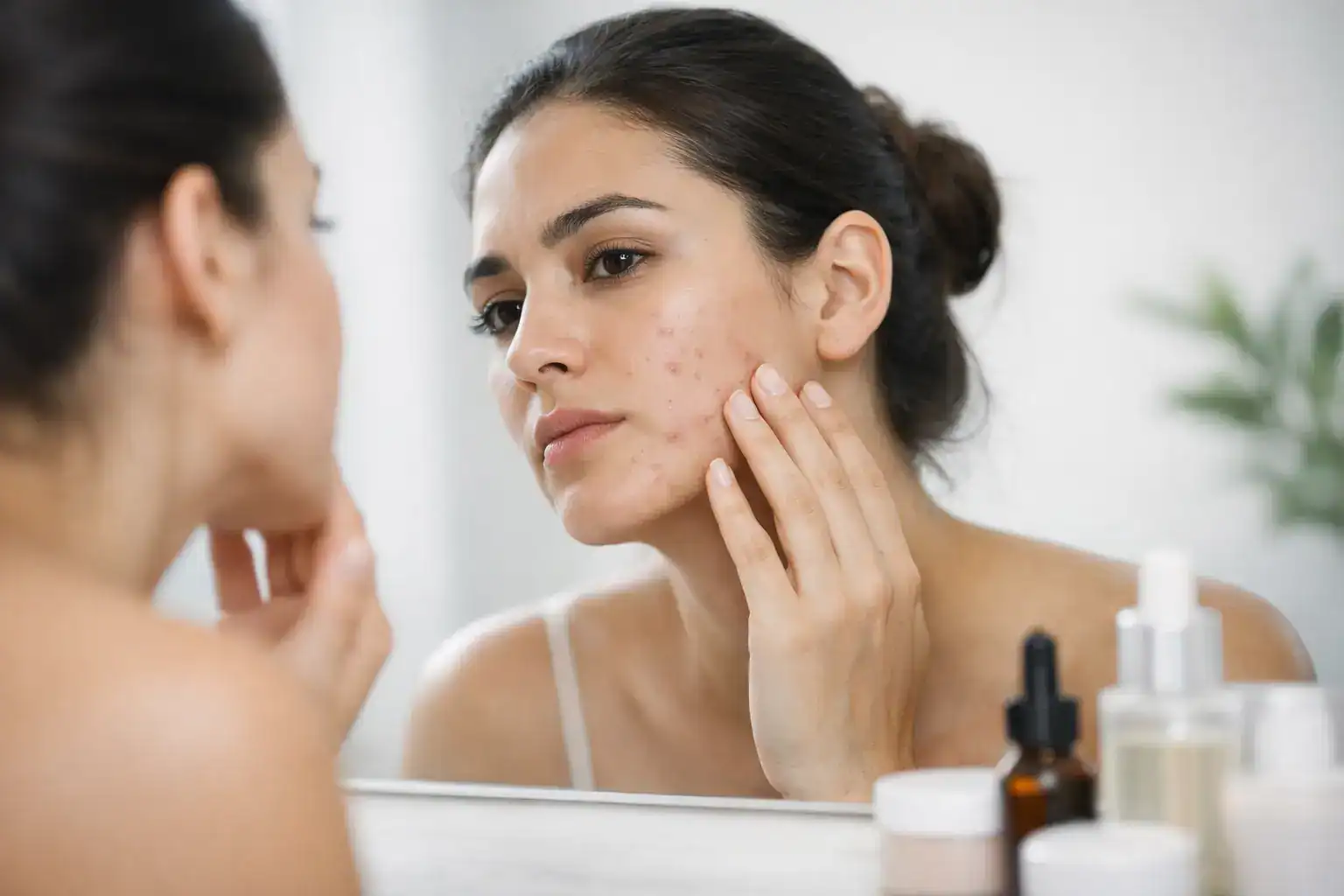
Choosing the right acne scar laser treatment starts with understanding that acne scars are not all the same. Different scar patterns, skin tones, treatment goals, recovery preferences, and medical histories can influence which laser approach may be appropriate. Rather than choosing a procedure simply because it is popular, we focus on matching the treatment technology to the specific characteristics of the skin and scars.
Laser resurfacing can improve the appearance of certain acne scars by creating controlled treatment zones in the skin and stimulating the natural remodeling of collagen. However, some scars respond better to other procedures or to a combination of treatments. For this reason, a professional skin assessment is an important first step when deciding how to choose acne scar laser treatment.
Identify the Type of Acne Scars Before Choosing Laser Treatment
The first consideration is the type of acne scar present. Depressed, raised, narrow, broad, shallow, and deeply tethered scars can respond differently to treatment.
Depressed acne scars are commonly classified as ice pick scars, boxcar scars, and rolling scars. Ice pick scars are narrow and extend relatively deep into the skin. Boxcar scars tend to have wider depressions with more defined edges, while rolling scars create uneven or wave-like depressions because of fibrous attachments beneath the skin.
Laser resurfacing may be particularly useful for improving overall skin texture and certain shallow-to-moderate depressed scars. However, very deep scars may require additional procedures before laser treatment can deliver the desired improvement.
For example, scars that are strongly tethered underneath the skin may sometimes require a procedure such as subcision, while narrow and deep ice pick scars may require other targeted techniques. Laser treatment can then potentially be incorporated into a broader scar-management plan.
Raised scars and keloids require a different approach. Selecting a laser without first determining the scar type may therefore lead to disappointing results or unnecessary treatment.
Choose Between Ablative and Non-Ablative Acne Scar Lasers
One of the most important decisions when researching laser treatment for acne scars is whether an ablative or non-ablative approach is appropriate.
Ablative Laser Resurfacing
Ablative lasers remove or vaporize controlled portions of the outer skin while delivering thermal energy deeper into the tissue. Common examples include CO2 lasers and erbium lasers.
These treatments can produce significant resurfacing and collagen remodeling, making them useful for selected patients with more noticeable textural acne scarring. Because treatment is generally more intensive, recovery can also be longer.
Redness, swelling, sensitivity, crusting, temporary pigmentation changes, infection, and prolonged redness are among the possible complications that should be discussed before treatment.
Non-Ablative Laser Treatment
Non-ablative lasers work beneath the skin surface without removing as much of the outer layer. They stimulate collagen remodeling while generally requiring less recovery than aggressive ablative resurfacing.
The trade-off is that improvement may be more gradual, and multiple treatment sessions may be necessary.
For someone prioritizing minimal downtime, a non-ablative approach may be considered. Someone seeking more intensive resurfacing may be assessed for an ablative or fractional ablative procedure.
Neither category is automatically better. The appropriate choice depends on scar depth, skin type, treatment goals, tolerance for downtime, and the clinician’s assessment.
Consider Fractional Laser Treatment for Acne Scars
When comparing options, patients frequently encounter the term fractional laser resurfacing.
Fractional technology treats microscopic columns of skin while leaving surrounding tissue untreated. This allows healing to occur between treated areas and can reduce recovery compared with fully resurfacing an entire treatment area.
Both ablative and non-ablative lasers can use fractional technology.
Fractional CO2 laser treatment for acne scars, for example, is commonly considered for textural irregularities and depressed scars. Fractional non-ablative treatments may offer a less aggressive alternative for patients who want a shorter recovery period.
The appropriate energy settings, treatment density, number of sessions, and interval between sessions should be individualized rather than selected from a standard package.
Match Acne Scar Laser Treatment to Your Skin Tone
Skin tone is an essential consideration when choosing laser treatment.
Laser energy can sometimes trigger temporary or persistent pigment changes, including post-inflammatory hyperpigmentation or, less commonly, loss of pigmentation. Patients with brown or Black skin can have a greater risk of certain pigmentary complications with some resurfacing approaches.
This does not automatically mean darker skin tones cannot receive laser treatment. It means the choice of technology, settings, treatment intensity, preparation, and aftercare require particular attention.
We recommend choosing a clinician who has substantial experience treating acne scars in patients with a skin tone similar to yours. Before-and-after photographs of patients with comparable skin characteristics may help during the consultation.
A conservative treatment plan or an alternative such as microneedling or radiofrequency-based treatment may sometimes be considered when pigmentation risk is a major concern.
Control Active Acne Before Treating Existing Scars
Treating acne scars while significant inflammatory acne is continuing can create an ongoing cycle in which old scars are treated while new scars develop.
For this reason, we generally prioritize controlling active acne before intensive scar treatment.
A clinician may review current breakouts, medications, skincare products, hormonal factors, and previous acne therapies before recommending laser resurfacing.
Patients should also provide a complete history of previous treatments, including prescription acne medications. Certain medications or medical circumstances may affect when resurfacing can safely be performed.
Scar correction becomes more effective as a long-term strategy when the underlying acne is appropriately managed.
Compare Recovery Time Before Choosing Acne Scar Laser Treatment
The best treatment is not simply the procedure capable of producing the strongest biological effect. It must also fit realistically into a patient’s lifestyle.
More aggressive resurfacing usually involves greater redness, swelling, peeling, sensitivity, and downtime. Less aggressive laser procedures may allow patients to return to daily activities more quickly but may require several sessions.
Before proceeding, we consider whether the patient can realistically accommodate the recovery period.
Someone preparing for an important social event, wedding, work presentation, professional photography session, or travel may need to schedule treatment carefully.
Visible redness may also last longer than the initial healing period following some procedures. Understanding the difference between initial wound healing and complete resolution of redness or pigmentation helps create realistic expectations.
Understand the Possible Risks of Laser Acne Scar Treatment
Every cosmetic procedure carries potential side effects, and laser resurfacing is no exception.
Important Risks to Discuss Before Treatment
Before selecting a laser treatment, we recommend discussing:
- Post-inflammatory hyperpigmentation or hypopigmentation
- Redness, swelling, itching, burning, and sensitivity
- Temporary acne or milia after treatment
- Bacterial, viral, or fungal infection
- Cold-sore reactivation in susceptible patients
- Delayed healing
- Scarring
- How your skin tone affects treatment risk
- Whether previous keloids or abnormal scars change your treatment options
- The expected number of treatment sessions
- How long improvement may take to become visible
A qualified clinician should explain not only the potential benefits but also what could happen if the skin responds unexpectedly.
Choose an Experienced Acne Scar Laser Provider
The laser device itself is only one part of successful treatment. The clinician selecting the device and determining the settings is equally important.
Laser parameters can be adjusted according to the skin type, scar pattern, anatomical area, and desired treatment depth. Excessive treatment can increase complications, while treatment that is too conservative may provide limited improvement.
When choosing a provider for acne scar laser treatment, we look for appropriate professional qualifications, substantial experience with acne scars, familiarity with different skin tones, realistic treatment planning, and clear pre- and post-treatment instructions.
A reputable consultation should involve a detailed skin examination rather than immediately recommending the most expensive treatment package.
Patients should also be cautious of promises that a single session will completely remove acne scars. Scar treatments generally aim to improve appearance and texture, not restore the skin to a state as though scarring never occurred.
Ask Whether Combination Acne Scar Treatment Is Better
Acne scarring frequently consists of several scar types at the same time. Someone may have rolling scars on the cheeks, deeper boxcar scars in another area, and pigmentation left behind from previous breakouts.
One laser may not address every concern equally.
For this reason, a dermatologist may combine laser resurfacing with other acne scar treatments, such as microneedling, radiofrequency microneedling, chemical peels, fillers, scar surgery, subcision, or other targeted procedures.
Combination treatment allows each procedure to address the type of scar it is best suited to improve.
This is particularly important when scars extend to different depths. Resurfacing the top of a deeply tethered scar, for example, may provide limited improvement if the underlying attachment remains untreated.
Review Your Medical and Skin History Before Treatment
A thorough consultation should include more than examining the scars.
We disclose previous acne medications, current skincare products, allergies, past cosmetic procedures, history of cold sores, previous abnormal scars or keloids, medical conditions, and any tendency toward prolonged pigmentation after skin injury.
Sun exposure also matters. Recently tanned or sunburned skin may not be appropriate for immediate laser resurfacing.
Patients should carefully follow the clinician’s instructions regarding skincare products before treatment. Certain ingredients may need to be temporarily discontinued depending on the procedure being performed.
Accurate medical information helps the provider determine whether treatment should proceed, be modified, or be postponed.
Consider the Total Acne Scar Laser Treatment Plan
Price is an important practical consideration, but comparing procedures only by the cost of one session can be misleading.
A less expensive procedure requiring numerous sessions may eventually cost more than a more intensive treatment requiring fewer visits. Conversely, aggressive treatment may involve additional recovery expenses or time away from work.
When comparing options, we consider the number of sessions, expected downtime, follow-up appointments, skincare requirements, potential combination procedures, and realistic degree of improvement.
The goal should be to select the treatment plan that appropriately addresses the scar pattern rather than simply choosing the cheapest or most expensive laser available.
Set Realistic Expectations for Acne Scar Improvement
Laser resurfacing can make acne scars less noticeable, but complete removal should not be assumed.
Results vary according to scar type, depth, skin characteristics, laser technology, treatment settings, healing response, and the number of procedures performed.
Collagen remodeling also takes time. The final result may continue developing after the visible surface of the skin has healed.
We therefore focus on progressive improvement in texture, scar depth, and overall appearance rather than expecting perfectly smooth skin immediately after treatment.
Before-and-after photographs taken under similar lighting can help document changes more accurately than relying on memory alone.
Prepare for Proper Aftercare Following Laser Treatment
Choosing the procedure is only part of the process. Aftercare can influence healing and the risk of complications.
Patients should follow their clinician’s instructions regarding cleansing, moisturizing, prescribed medications, sun protection, and when normal skincare products can be restarted.
Avoiding unnecessary sun exposure is particularly important because recently treated skin can be vulnerable to pigmentation changes.
Picking, peeling, aggressively exfoliating, or applying unapproved active ingredients to healing skin can interfere with recovery.
Any unexpected increase in pain, worsening redness, unusual drainage, blistering, fever, or other concerning symptoms should be reported promptly to the treating healthcare professional.
How to Choose the Best Acne Scar Laser Treatment for Your Skin
When deciding how to choose acne scar laser treatment, we begin with the scar rather than the laser.
We identify whether the scars are rolling, boxcar, ice pick, raised, shallow, deep, tethered, or mixed. We then consider the patient’s skin tone, pigmentation history, active acne, previous treatments, medical history, tolerance for downtime, treatment goals, and budget.
Only after these factors have been considered should the specific laser technology and treatment settings be selected.
For some patients, fractional ablative resurfacing may form an important part of the treatment plan. For others, non-ablative fractional treatment may offer a more suitable balance between improvement and recovery. Some patients may achieve better results through combination treatment rather than laser resurfacing alone.
FAQs about How to Choose Acne Scar Laser Treatment
1. How do I choose the right laser treatment for acne scars?
The best option depends on your scar type, skin tone, scar depth, treatment goals, and medical history. A dermatologist can assess whether fractional, ablative, non-ablative, or another treatment approach is suitable.
2. Which laser treatment is best for deep acne scars?
Deeper scars may require more intensive treatments such as fractional CO₂ laser resurfacing, sometimes combined with procedures like subcision or microneedling. Treatment should be personalized by a qualified professional.
3. Is laser acne scar treatment suitable for all skin tones?
Many skin tones can be treated, but people with darker skin may have a higher risk of post-inflammatory hyperpigmentation with certain lasers. Choosing an experienced dermatologist and an appropriate laser setting is important.
4. How many laser sessions are usually needed?
The number of sessions varies depending on the type and severity of scarring. Some people notice improvement after one session, while others may require several treatments spaced weeks apart.
5. What should I ask during a laser consultation?
Ask about the recommended laser type, expected results, downtime, possible side effects, number of sessions, total cost, and the provider’s experience treating your skin type.
6. Does laser treatment permanently remove acne scars?
Laser treatment can significantly reduce the appearance of acne scars, but complete removal is not always possible. Results vary between individuals.
7. What are the possible side effects?
Temporary redness, swelling, dryness, sensitivity, and pigmentation changes may occur. Following proper aftercare and sun protection can help reduce complications.
Conclusion
Choosing acne scar laser treatment requires more than finding the newest laser or selecting the strongest procedure available. Effective treatment begins with correctly identifying the scar type, assessing the patient’s skin characteristics, controlling active acne, understanding pigmentation risks, comparing recovery requirements, and selecting an appropriately experienced healthcare professional.
We also recognize that acne scars are often complex. A personalized treatment plan may combine laser resurfacing with other techniques to address scars at different depths and improve overall skin texture.
The most appropriate approach is therefore one designed around the individual rather than around a particular device. With careful assessment, realistic expectations, proper preparation, and appropriate aftercare, laser treatment for acne scars can become a valuable part of a comprehensive strategy for reducing the visible appearance of acne scarring.