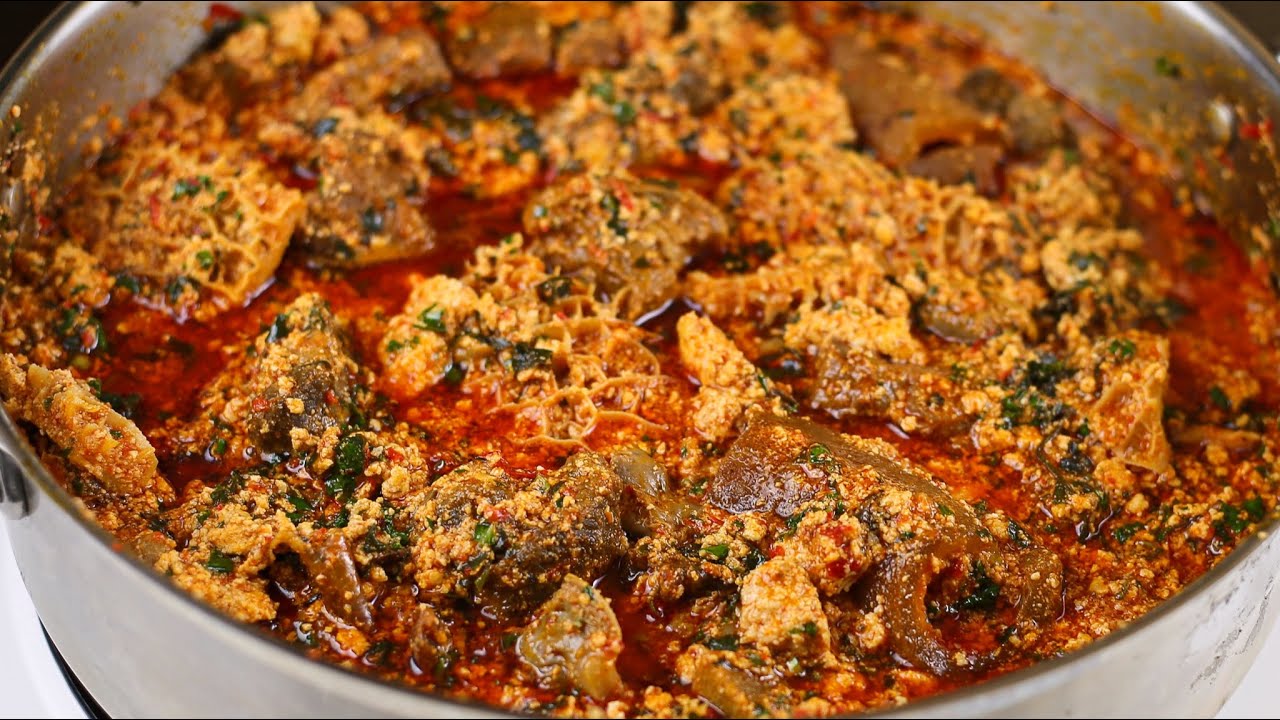
Egusi soup is one of the most popular and satisfying Nigerian soups, known for its rich flavour, thick texture, vibrant colour, and delicious combination of ground melon seeds, leafy vegetables, palm oil, meat, fish, and traditional seasonings.
We prepare Egusi soup in different ways across Nigeria, but the essential ingredient remains ground egusi seeds, also known as melon seeds. These protein-rich seeds provide the soup with its signature nutty flavour and thick consistency.
Whether we are preparing Egusi soup for a family meal, special celebration, or traditional Nigerian gathering, getting the ingredients, consistency, seasoning, and cooking process right makes all the difference.
What Is Egusi Soup?
Egusi soup is a traditional West African soup made primarily from ground melon seeds. It is particularly popular in Nigeria, where different ethnic groups have developed their own methods of preparing it.
The ground egusi absorbs liquid during cooking and creates a rich, slightly grainy texture. Palm oil gives the soup its distinctive colour, while meat stock, crayfish, peppers, fish, vegetables, and seasonings build its characteristic savoury taste.
There is no single universal method for making Egusi soup. Some recipes produce noticeable egusi lumps or curds, while others create a smoother consistency. We can also adjust the amount of vegetables, meat, fish, pepper, and palm oil according to preference.
Ingredients for Nigerian Egusi Soup
Before cooking, we recommend preparing and measuring all the ingredients. This makes the cooking process smoother and prevents the soup from overcooking while we prepare other components.
Main Ingredients
For a rich pot of homemade Egusi soup, we can use:
- 2 cups ground egusi (melon seeds)
- ½ to ¾ cup palm oil
- 500–700 g assorted meat, such as beef, goat meat, or cow skin
- Stockfish, cleaned and softened
- Smoked or dried fish, cleaned and deboned
- 2–3 cups meat stock
- 2–3 tablespoons ground crayfish
- 2–3 fresh peppers, or according to taste
- 1 medium onion
- 2 seasoning cubes, adjusted to taste
- Salt to taste
- 2–3 cups chopped vegetables
- Water as needed
For the vegetables, we can use ugu (fluted pumpkin leaves), spinach, bitter leaf, or another suitable leafy vegetable depending on the style of Egusi soup we want to prepare.
How to Prepare Ingredients for Egusi Soup
Good preparation is essential for producing a flavourful soup.
We begin by thoroughly washing the meat and placing it in a pot. We season it with chopped onion, seasoning cubes, and a small amount of salt. We then add enough water to cook the meat until tender.
If we are using tougher cuts of meat, cow skin, or stockfish, we may need to cook them longer. The resulting meat stock should not be discarded, as it forms an important part of the soup’s flavour.
Next, we wash the smoked or dried fish carefully and remove unwanted bones.
The vegetables should also be washed thoroughly and chopped before we begin cooking the soup.
Finally, we blend the egusi seeds until they form a fine or slightly coarse powder.
How to Make Egusi Soup Step by Step
1. Cook the Meat
We place the cleaned assorted meat in a suitable pot and season it with onion, seasoning cubes, and salt.
We add a moderate amount of water and allow the meat to cook until tender. When necessary, we add additional water gradually instead of adding too much at once.
Once the meat is properly cooked, we retain the flavourful stock for the soup.
2. Prepare the Egusi Mixture
We place the ground egusi in a bowl and add a small quantity of water.
We mix until it forms a thick paste.
The mixture should not become watery. A thicker paste makes it easier to create attractive Egusi lumps during cooking.
3. Heat the Palm Oil
In a clean cooking pot, we heat the palm oil over medium heat.
The oil only needs to become hot enough for cooking. We do not need to bleach it.
We then add chopped or blended onion and allow it to cook briefly until fragrant.
4. Add the Egusi
We add portions of the Egusi paste to the palm oil.
If we want noticeable Egusi lumps, we leave the mixture undisturbed for a short period before gently turning it.
We allow the Egusi to fry and cook until it begins to firm up and develop its characteristic nutty aroma.
The exact cooking time will depend on the quantity being prepared and the heat level.
5. Add the Meat Stock
We gradually pour the prepared meat stock into the Egusi.
It is better to add the liquid in stages because adding excessive stock immediately can make the soup unnecessarily watery.
We stir gently and allow the mixture to simmer.
As it cooks, the Egusi absorbs some of the liquid and develops a thicker consistency.
6. Add Meat, Fish and Stockfish
We now add our cooked meat, stockfish, smoked fish, or other preferred proteins.
We stir carefully so that the fish does not break apart unnecessarily.
At this stage, the soup should already begin to develop the rich appearance associated with authentic Nigerian Egusi soup.
7. Add Crayfish, Pepper and Seasonings
Next, we add the ground crayfish, pepper, seasoning cubes, and additional salt where necessary.
We recommend tasting the soup before adding more salt because the meat stock, smoked fish, seasoning cubes, and stockfish may already contain significant flavour.
We allow everything to simmer together so that the flavours combine.
8. Add the Vegetables
We add our chopped ugu, spinach, bitter leaf, or preferred vegetable toward the final stage of cooking.
We stir the vegetables throughout the soup and allow them to cook briefly.
Leafy vegetables generally do not require prolonged cooking. Overcooking them can affect their colour, texture, and freshness.
Once the vegetables are properly incorporated and the soup has reached the desired consistency, we remove the pot from the heat.
How to Get Perfect Egusi Lumps
One feature many people enjoy in Nigerian Egusi soup is the presence of soft but well-defined Egusi lumps.
To achieve this texture, we prepare a thick Egusi paste rather than an overly watery mixture. After adding the Egusi to the heated oil, we avoid excessive stirring during the first stage of cooking.
Allowing the Egusi to set before gently breaking and turning it helps create larger curds.
For a smoother Egusi soup, we can stir more frequently and break the mixture into smaller pieces.
Both styles are delicious, so the preferred texture depends on personal taste.
Best Vegetables for Egusi Soup
Different vegetables can produce slightly different versions of Egusi soup.
Ugu, or Nigerian fluted pumpkin leaves, is one of the most popular choices. It contributes colour, texture, and the familiar taste found in many Nigerian versions of the dish.
Spinach is another convenient option, particularly when fresh ugu is unavailable.
We can also prepare Egusi soup with bitter leaf for a more distinctive traditional flavour. When using bitter leaf, it should be washed appropriately to control its bitterness.
The amount of vegetables can also be adjusted. Some people enjoy vegetable-heavy Egusi soup, while others prefer the Egusi itself to dominate the dish.
Best Meat and Fish for Egusi Soup
One advantage of this easy Egusi Soup recipe is its flexibility.
We can prepare it with only one protein or combine several ingredients for a richer soup.
Popular options include:
- Beef
- Goat meat
- Chicken
- Cow skin or ponmo
- Tripe or shaki
- Stockfish
- Smoked fish
- Dried fish
Using a combination of meat and fish creates additional layers of flavour, particularly when the stock is incorporated into the soup.
Common Mistakes to Avoid When Making Egusi Soup
Even though Egusi soup is straightforward to prepare, a few mistakes can affect the final result.
Adding Too Much Water
Egusi soup should generally have a rich, substantial consistency. Adding excessive water can make the soup thin and dilute its flavour.
We therefore add stock or water gradually.
Using Too Much Salt
Stockfish, smoked fish, meat stock, and seasoning cubes can contribute saltiness. We taste the soup before adding additional salt.
Not Cooking the Egusi Properly
Ground Egusi needs sufficient cooking time. Properly cooked Egusi develops a pleasant aroma and flavour and blends naturally with the other ingredients.
Overcooking the Vegetables
We add fresh vegetables near the end of cooking. This helps preserve their colour and texture.
Using Too Much Palm Oil
Palm oil is essential to many traditional Egusi recipes, but excessive oil can overpower the soup. We use enough to provide flavour and richness without making the finished dish unnecessarily oily.
What to Eat With Egusi Soup
Egusi soup is traditionally served with several Nigerian swallow dishes.
Popular Egusi Soup Pairings
We can serve Egusi soup with:
- Pounded yam
- Eba
- Fufu
- Semovita
- Amala
- Wheat swallow
- Oat swallow
Egusi soup and pounded yam remains one of the best-known combinations. The smooth texture of freshly prepared pounded yam complements the thick, flavourful soup beautifully.
Egusi soup can also be enjoyed with white rice, boiled yam, or other preferred staples.
How to Make Egusi Soup Taste Better
For an exceptionally flavourful Egusi soup, we focus on building flavour at every stage.
A well-seasoned meat stock provides the foundation. Freshly ground crayfish contributes additional depth, while good-quality smoked fish or stockfish introduces the traditional savoury character associated with Nigerian soups.
Fresh ingredients also make a noticeable difference. We recommend using good-quality Egusi seeds, fresh vegetables, flavourful palm oil, and properly cleaned proteins.
Most importantly, we allow the ingredients enough time to cook together without unnecessarily overcooking the finished soup.
How to Store Egusi Soup
Egusi soup can be prepared in larger quantities and stored for later meals.
Before refrigeration, we allow the soup to cool appropriately and transfer it into a clean, airtight food container. Refrigerated soup should be reheated thoroughly before serving.
For longer storage, Egusi soup can also be frozen in suitable freezer-safe portions. Dividing the soup into smaller portions allows us to defrost only the quantity needed for each meal.
When reheating, we can add a small quantity of water or stock if the soup has become too thick.
Can We Make Egusi Soup Without Meat?
Yes. We can make Egusi soup without meat by using fish or preparing a vegetarian-style version.
For a meat-free version, we can combine ground Egusi, palm oil, vegetables, peppers, onions, and other appropriate seasonings.
If we want a fully vegetarian or vegan Egusi soup, we should also ensure that the seasoning ingredients and stock contain no animal products.
How Thick Should Egusi Soup Be?
The ideal consistency depends on preference, but traditional Egusi soup is usually thick rather than watery.
The soup should contain enough liquid to remain easy to scoop and eat with swallow while maintaining the characteristic body produced by the ground melon seeds.
If the soup becomes too thick, we can add a little stock or water. If it becomes too thin, allowing it to simmer uncovered can help reduce some of the excess liquid.
Tips for Making the Best Nigerian Egusi Soup
For consistent results, we recommend keeping these simple cooking principles in mind:
- Use fresh, properly ground Egusi seeds.
- Prepare a flavourful meat stock instead of relying heavily on seasoning cubes.
- Add water gradually to control the consistency.
- Use crayfish for additional traditional flavour.
- Clean dried fish and stockfish thoroughly.
- Avoid excessive stirring if we want larger Egusi lumps.
- Taste before adding extra salt.
- Add leafy vegetables toward the end of cooking.
- Allow the ingredients enough time to combine before serving.
These small details can transform a basic soup into a rich and satisfying homemade Nigerian Egusi soup.
Why This Egusi Soup Recipe Works
This recipe combines the most important elements of a traditional Egusi soup: ground melon seeds, palm oil, seasoned meat stock, crayfish, fish, meat, pepper, and fresh vegetables.
By controlling the amount of liquid and adding each ingredient at the right stage, we achieve a soup that is rich without being excessively oily, thick without becoming dry, and well-seasoned without overpowering the natural taste of the Egusi.
The recipe is also flexible enough to accommodate different meats, vegetables, and preferred levels of pepper.
FAQs about Egusi Soup Recipe
1. What is Egusi Soup?
Egusi Soup is a popular West African dish made primarily from ground melon seeds. It is commonly cooked with vegetables, palm oil, meat, fish, and traditional seasonings.
2. What are the main ingredients for Egusi Soup?
The main ingredients include ground egusi seeds, palm oil, meat or fish, stockfish, crayfish, pepper, onions, seasoning, and leafy vegetables such as spinach, ugu, or bitter leaf.
3. How long does Egusi Soup take to cook?
Egusi Soup typically takes about 45–60 minutes, depending on the type of meat used and the cooking method.
4. How do we make Egusi Soup thick?
To achieve a thick consistency, we should use enough ground egusi and avoid adding excessive water. Allowing the soup to simmer also helps it thicken naturally.
5. Can we cook Egusi Soup without palm oil?
Yes. Although palm oil provides the traditional colour and flavour, another cooking oil can be used. However, the final taste may be different.
6. What vegetables are best for Egusi Soup?
Popular choices include ugu (fluted pumpkin leaves), spinach, bitter leaf, and kale.
7. What can we eat with Egusi Soup?
Egusi Soup pairs perfectly with pounded yam, eba, fufu, semovita, amala, or rice.
8. Can Egusi Soup be stored?
Yes. We can refrigerate Egusi Soup in an airtight container for a few days or freeze it for longer storage.
9. Why does my Egusi Soup taste bitter?
Bitterness may result from burnt egusi, excessive bitter leaf, or overheated palm oil. Cooking over moderate heat helps prevent this.
10. Can vegetarians eat Egusi Soup?
Yes. A vegetarian version can be prepared without meat or fish by using mushrooms, vegetables, and plant-based seasonings.
Conclusion
A delicious Egusi Soup recipe does not require complicated techniques. With quality ground melon seeds, properly seasoned meat, rich stock, palm oil, crayfish, fish, fresh vegetables, and balanced seasoning, we can prepare a deeply flavourful Nigerian soup suitable for everyday meals and special occasions.
The key is to build flavour gradually, maintain the right consistency, cook the Egusi thoroughly, and add the vegetables at the appropriate time.
Whether we serve it with pounded yam, eba, fufu, amala, semovita, or rice, homemade Egusi soup remains one of the most satisfying dishes in Nigerian cuisine. With this step-by-step method, we can prepare an authentic, rich, and comforting bowl of Nigerian Egusi soup that delivers excellent flavour every time.