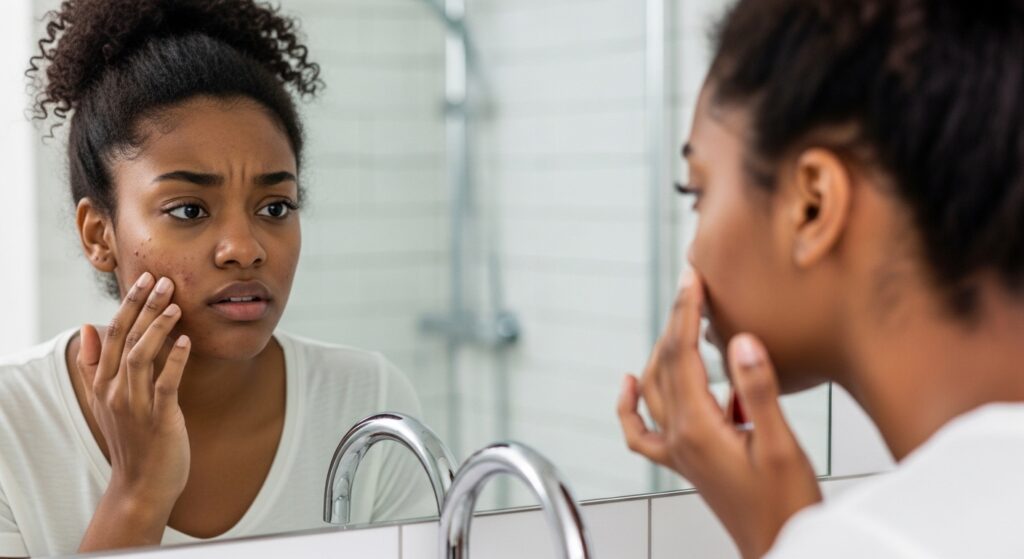
Skin pigmentation concerns, including dark spots, melasma, sun damage, and post-inflammatory hyperpigmentation, can affect skin tone, texture, and overall appearance. While topical skincare products may help reduce discoloration, stubborn pigmentation sometimes requires advanced dermatological treatments for noticeable improvement.
Dermatologist recommended laser treatment for pigmentation offers a targeted approach to managing certain types of discoloration by addressing excess melanin within the skin. These treatments use controlled light energy to break down or disrupt pigment, allowing the body to gradually clear it.
At our clinic, we believe that effective pigmentation treatment begins with understanding the underlying cause of discoloration, assessing individual skin characteristics, and selecting appropriate dermatological solutions. With professional guidance, laser treatments can help improve uneven skin tone while minimizing unnecessary risks.
What Is Dermatologist Recommended Laser Treatment for Pigmentation?
Laser treatment for pigmentation is a dermatological procedure that uses concentrated light energy to target unwanted pigment within the skin. Depending on the laser technology, energy is absorbed by melanin-containing structures, helping break down excess pigment or stimulate processes that improve skin appearance.
Unlike conventional brightening creams, which generally work through topical ingredients, laser pigmentation removal treatments can target specific pigmented areas with greater precision.
Dermatologists may recommend laser therapy for selected pigmentation conditions, including:
- Sunspots: Dark patches caused by prolonged ultraviolet exposure.
- Age spots: Localized areas of pigmentation commonly associated with cumulative sun exposure.
- Post-inflammatory hyperpigmentation: Dark marks that develop following acne, injuries, or inflammatory skin conditions.
- Freckles: Small pigmented spots that may respond to certain laser technologies.
- Melasma: A recurring pigmentation disorder that requires careful evaluation because laser treatment can sometimes worsen discoloration.
Not every pigmentation concern is suitable for laser treatment. We emphasize professional skin assessment to determine whether lasers, topical medications, chemical peels, or combination therapy offer the most appropriate approach.
Best Dermatologist Recommended Laser Treatments for Pigmentation
Several laser technologies are used in dermatology to address unwanted pigmentation. The ideal option depends on pigmentation depth, skin tone, treatment goals, and the underlying skin condition.
1. Q-Switched Laser Treatment for Pigmentation
Q-switched lasers deliver extremely short pulses of energy to targeted pigmented areas. These pulses can fragment pigment particles, allowing the body’s natural processes to gradually remove them.
Potential benefits include:
- Targeted treatment of selected sunspots and freckles.
- Reduced appearance of certain superficial pigmentation marks.
- Minimal disruption to surrounding tissues when appropriately performed.
- Treatment settings that can be adjusted for different clinical indications.
However, Q-switched lasers may trigger post-inflammatory pigmentation changes, particularly in darker skin tones. Appropriate laser selection and practitioner experience are essential.
2. Pico Laser Treatment for Hyperpigmentation
Pico lasers, also called picosecond lasers, use ultra-short energy pulses to target pigment with substantial photoacoustic effects.
These devices are increasingly used for selected pigmentation disorders and may offer effective treatment with less heat exposure than some longer-pulse technologies.
Potential advantages include:
- Precise targeting of unwanted pigment.
- Treatment of selected sunspots and pigmentation marks.
- Relatively short treatment sessions.
- Possible improvement in certain cases of uneven skin tone.
Although pico lasers are widely promoted for pigmentation, they are not universally superior to other treatments. Results depend on the condition, device wavelength, settings, and individual skin response.
3. Fractional Laser Treatment for Uneven Skin Tone
Fractional lasers treat microscopic areas of skin while leaving surrounding tissue relatively unaffected. Some fractional devices primarily target water in the skin rather than melanin directly.
They are often considered when pigmentation occurs alongside concerns such as acne scarring, rough texture, or photoaging.
Common treatment goals include:
- Improving the appearance of uneven skin tone.
- Addressing certain pigmentation concerns associated with sun damage.
- Supporting skin resurfacing and texture improvement.
- Reducing the appearance of selected acne scars.
Fractional laser procedures require careful selection because inflammation and heat can worsen hyperpigmentation, particularly in individuals with melasma or darker skin.
4. Nd:YAG Laser Treatment for Pigmentation
The 1064 nm Nd:YAG laser is sometimes used for pigmentation concerns, including selected cases involving darker skin types.
Its longer wavelength penetrates more deeply and is generally absorbed less strongly by epidermal melanin than shorter wavelengths.
This characteristic can make it useful in certain dermatological applications, although treatment risks remain.
Low-fluence Nd:YAG laser treatment has also been studied for melasma. However, recurrence, rebound pigmentation, and mottled hypopigmentation are important concerns, especially with repeated sessions.
We recommend careful dermatological supervision rather than assuming that any particular laser is suitable for all pigmentation conditions.
How Dermatologists Choose the Right Laser for Pigmentation
Selecting the best laser treatment for pigmentation requires more than identifying visible dark spots. A dermatologist must understand the condition responsible for excess pigmentation and evaluate potential treatment risks.
Important Factors Considered Before Treatment
Before recommending a procedure, we consider several clinical factors:
- Skin type and natural complexion: Darker skin tones may be more susceptible to post-inflammatory hyperpigmentation following laser procedures.
- Type of pigmentation: Sunspots, melasma, freckles, and acne-related marks respond differently to treatment.
- Depth of pigmentation: Superficial and deeper pigment may require different technologies or treatment approaches.
- Medical and skincare history: Medications, previous treatments, skin sensitivity, and inflammation can influence suitability.
- Expected recovery time: Different laser systems involve different levels of redness, sensitivity, and downtime.
- Treatment expectations: Some conditions improve substantially, while others require maintenance and ongoing management.
An accurate diagnosis is especially important when a pigmented lesion changes in size, shape, or color. Suspicious lesions should be examined before any cosmetic laser treatment.
Benefits of Dermatologist Recommended Laser Treatment for Pigmentation
When performed on appropriately selected patients, laser pigmentation treatment can offer several advantages over conventional approaches.
Why Laser Treatment May Be Worth Considering
Targeted pigmentation reduction: Laser technology allows dermatologists to focus treatment on specific areas of discoloration.
Improved skin appearance: Successful treatment may help reduce visible dark spots and create a more even-looking complexion.
Personalized treatment options: Dermatologists can select different wavelengths, energy settings, and procedures according to individual needs.
Potentially faster improvement: Some localized pigmented lesions may respond after relatively few sessions, although other conditions require extended treatment.
Combination treatment opportunities: Laser therapy may be incorporated into a wider pigmentation management plan involving prescription skincare and sun protection.
The effectiveness of treatment varies. Complete pigmentation removal cannot be guaranteed, and recurring conditions such as melasma often require ongoing care.
Laser Treatment for Pigmentation: Procedure and Recovery
Understanding the treatment process can help patients prepare for their appointments and maintain realistic expectations.
What Happens During a Laser Pigmentation Treatment Session?
Before treatment: A dermatologist examines the affected areas, identifies the likely pigmentation condition, and reviews medical history. Depending on the procedure, a test spot may be recommended.
During treatment: The practitioner directs controlled laser pulses toward the selected areas. Patients may experience warmth, tingling, or a snapping sensation. Protective eyewear is essential.
After treatment: Temporary redness, swelling, sensitivity, or darkening of treated spots may occur. Some superficial lesions develop mild crusting before fading.
Recovery depends on the device and treatment intensity. Non-ablative procedures may involve limited downtime, while resurfacing treatments can require a longer healing period.
How Many Laser Sessions Are Needed for Pigmentation?
The number of sessions depends on the pigmentation type, severity, and individual response.
Some isolated sunspots may improve after one or two treatments, while more extensive pigmentation may require multiple sessions.
Melasma is particularly challenging because it can return even after successful treatment. For this reason, dermatologists commonly prioritize topical therapy and daily sun protection, reserving laser procedures for carefully selected cases.
The American Academy of Dermatology emphasizes that melasma treatment often involves a combination of skincare, sun protection, and, when appropriate, procedures. American Academy of Dermatology
How to Maintain Results After Laser Pigmentation Treatment
Proper aftercare is essential for protecting treated skin and reducing the risk of recurrent pigmentation.
Dermatologist Recommended Aftercare Tips
- Apply broad-spectrum sunscreen: Choose SPF 30 or higher and reapply regularly when outdoors.
- Use gentle skincare: Avoid harsh exfoliants and irritating products until the skin has recovered.
- Follow prescribed treatments: Dermatologists may recommend ingredients such as azelaic acid, retinoids, or other pigmentation treatments when appropriate.
- Avoid unnecessary heat and sun exposure: Protect healing skin from excessive sunlight and irritation.
- Attend follow-up appointments: Professional monitoring helps assess treatment effectiveness and detect complications early.
For melasma, tinted sunscreen containing iron oxides may provide additional protection against visible light, which can contribute to pigmentation. American Academy of Dermatology
Is Laser Treatment for Pigmentation Safe for All Skin Types?
Laser pigmentation treatment can be performed on various skin types, but safety depends heavily on the treatment method and practitioner expertise.
Individuals with deeper skin tones may face a greater risk of post-inflammatory hyperpigmentation, hypopigmentation, and other pigment changes following certain laser procedures.
Possible complications include burns, blistering, prolonged redness, infection, and scarring. Choosing an experienced dermatologist who understands laser treatment for darker skin is particularly important.
Research and dermatological guidance support adapting treatment selection and settings to the patient’s skin characteristics rather than applying a universal protocol. DermNet®+1
Why Choose a Dermatologist for Laser Pigmentation Treatment?
Professional supervision improves the likelihood of selecting an appropriate procedure and managing potential side effects.
A qualified dermatologist can distinguish between different pigmentation disorders, identify suspicious lesions, and recommend treatments supported by clinical evidence.
We encourage patients to prioritize practitioner qualifications, accurate diagnosis, appropriate equipment, and individualized treatment planning over promotional claims of instant or permanent pigmentation removal.
FAQs about Dermatologist Recommended Laser Treatment for Pigmentation
1. What is the best dermatologist recommended laser treatment for pigmentation?
Dermatologists commonly recommend Q-switched lasers, picosecond lasers, and fractional lasers for certain pigmentation concerns. The best option depends on your skin type, pigmentation depth, and underlying cause.
2. Is laser treatment effective for hyperpigmentation?
Yes, laser treatment for hyperpigmentation can help reduce dark spots, sun damage, and uneven skin tone. However, results vary, and some pigmentation conditions may worsen with inappropriate laser treatment.
3. How many laser sessions are needed for pigmentation?
Most patients require multiple laser treatment sessions, depending on pigmentation severity, laser technology, and skin response. A dermatologist can recommend a personalized treatment plan.
4. Is dermatologist recommended laser treatment safe for dark skin?
Laser treatment can be safe for darker skin tones when performed by an experienced dermatologist using appropriate equipment and settings. However, darker skin has a higher risk of post-inflammatory hyperpigmentation.
5. Can laser treatment permanently remove pigmentation?
Laser treatment can significantly improve certain pigmentation problems, but permanent removal is not guaranteed. Sun exposure, hormonal changes, and underlying skin conditions may cause pigmentation to return.
6. Does laser pigmentation treatment hurt?
Most patients experience mild discomfort, often described as a snapping or warming sensation. Dermatologists may use topical numbing creams to improve comfort during treatment.
7. What should I avoid after laser pigmentation treatment?
Avoid excessive sun exposure, harsh exfoliants, and irritating skincare products. Follow your dermatologist’s instructions and apply broad-spectrum SPF 30 or higher sunscreen daily.
8. Who should consider dermatologist recommended laser treatment for pigmentation?
People experiencing stubborn dark spots, sunspots, or certain types of uneven pigmentation may benefit. We recommend consulting a qualified dermatologist to determine whether laser treatment is appropriate, especially for melasma or darker skin tones.
Conclusion
Dermatologist recommended laser treatment for pigmentation can provide an effective option for improving selected dark spots, sun damage, and uneven skin tone. Technologies such as Q-switched lasers, pico lasers, fractional lasers, and Nd:YAG lasers offer different benefits depending on the condition being treated.
However, achieving satisfactory results requires accurate diagnosis, careful laser selection, professional supervision, and consistent aftercare.
We recommend consulting a qualified dermatologist to determine the most suitable pigmentation treatment plan. With the right combination of medical expertise, appropriate technology, and ongoing sun protection, patients can work toward clearer, healthier-looking, and more even-toned skin.