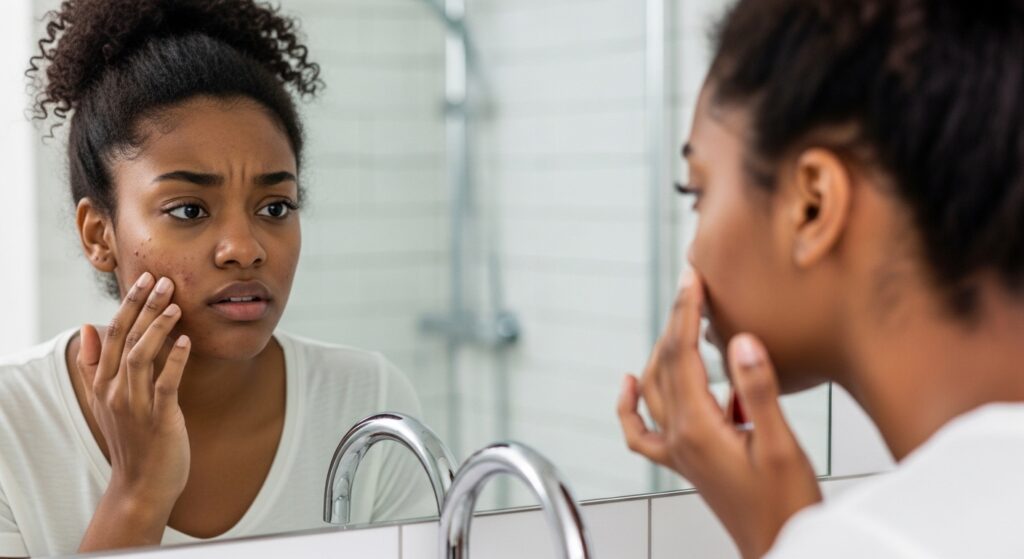
Skin pigmentation is a common concern that affects individuals of different ages and skin types. Whether caused by sun exposure, hormonal changes, acne scars, or aging, uneven skin tone can affect the appearance and texture of the skin. Fortunately, advances in dermatology have introduced effective laser technologies designed to target unwanted pigmentation and improve overall skin clarity.
Choosing the best laser treatment for pigmentation can help reduce dark spots, sun damage, age spots, and certain forms of hyperpigmentation. With the right treatment approach, individuals can achieve a more balanced complexion while minimizing the risk of skin irritation and discoloration.
We explore the most effective laser treatments for pigmentation, their benefits, treatment procedures, recovery expectations, and essential factors to consider when selecting a suitable option.
What Is Laser Treatment for Pigmentation?
Laser treatment for pigmentation is a dermatological procedure that uses concentrated light energy to target excess pigment within the skin. The treatment works by delivering specific wavelengths of light that are absorbed by melanin, the natural pigment responsible for skin color.
Depending on the laser technology, the energy may fragment concentrated pigment or stimulate skin renewal. Over time, the body gradually clears some of the treated pigment, helping reduce the visibility of certain dark spots and uneven skin discoloration.
We recognize that pigmentation problems have different causes. Some develop from prolonged ultraviolet exposure, while others result from inflammation, hormonal fluctuations, or underlying skin conditions.
A professional skin assessment is essential because not every pigmentation disorder responds well to laser therapy. In particular, melasma and post-inflammatory hyperpigmentation can worsen when inappropriate laser settings are used.
Types of Pigmentation That Laser Treatments Can Address
The effectiveness of laser pigmentation removal depends largely on the type, depth, and underlying cause of the discoloration.
Common pigmentation concerns include:
- Sunspots: Darkened patches caused by prolonged exposure to ultraviolet radiation.
- Age Spots: Flat brown or dark marks that commonly appear on sun-exposed areas.
- Post-Inflammatory Hyperpigmentation: Discoloration that develops after acne, injuries, or inflammatory skin conditions.
- Melasma: Irregular brown or gray-brown patches often associated with hormonal influences and sun exposure.
- Freckles: Small pigmented spots that may become more noticeable after sunlight exposure.
- Uneven Skin Tone: Areas of discoloration caused by accumulated sun damage or previous inflammation.
Although lasers can improve certain pigmentation conditions, accurate diagnosis determines whether laser therapy, topical treatment, or another dermatological procedure is most appropriate.
Best Laser Treatments for Pigmentation
Several laser technologies are used in dermatology to reduce unwanted pigmentation. Each operates differently, making it important to select a treatment based on skin tone, pigmentation depth, and individual treatment goals.
1. Pico Laser Treatment for Pigmentation
Pico laser treatment is a popular option for addressing selected pigmentation concerns. It delivers extremely short pulses of energy measured in picoseconds, allowing targeted pigment disruption with relatively limited heat exposure compared with some longer-pulse technologies.
Pico lasers may help improve certain sunspots, freckles, and other pigmented lesions.
Key benefits include:
- Targeted treatment of selected pigmentation concerns.
- Potential improvement in skin tone and clarity.
- Relatively short recovery for some treatment settings.
- Treatment options for different skin tones when appropriately selected.
- Reduced thermal exposure compared with certain conventional laser techniques.
We consider pico laser technology a useful option for specific pigment-related concerns. However, its effectiveness varies, and it is not automatically the safest or most effective choice for every pigmentation condition.
2. Q-Switched Nd:YAG Laser for Dark Spots
The Q-switched Nd:YAG laser is widely used to treat certain pigmented lesions. It delivers short pulses of energy that target pigment particles within the skin.
The 1064 nm wavelength penetrates relatively deeply and is often considered when treating darker skin tones because it generally interacts less with superficial epidermal melanin than shorter wavelengths.
Potential advantages include:
- Targeted treatment of specific pigmented lesions.
- Different wavelength options for selected pigmentation depths.
- Potential suitability for darker skin types with careful settings.
- Limited downtime following some procedures.
- Gradual improvement in selected discoloration.
We emphasize that Q-switched lasers should be used cautiously for melasma. Repeated treatments, particularly with unsuitable settings, can cause rebound pigmentation, mottled hypopigmentation, or worsening discoloration.
3. Fractional Laser Treatment for Pigmentation
Fractional laser treatment creates microscopic treatment zones within the skin while leaving surrounding areas relatively unaffected.
This approach encourages skin renewal and may improve certain pigmentation concerns alongside textural irregularities, acne scars, and signs of photoaging.
Fractional lasers are available in ablative and non-ablative forms, with different recovery periods and risk profiles.
Main benefits include:
- Improvement in selected sun-related pigmentation.
- Enhanced skin texture and surface appearance.
- Treatment of pigmentation alongside some acne scars.
- Stimulation of skin remodeling.
- Potential reduction in visible signs of photoaging.
We recommend careful consideration of fractional lasers for individuals with medium to deep skin tones because inflammation from treatment may trigger additional pigmentation.
4. Fractional CO2 Laser for Pigmentation and Skin Resurfacing
The fractional CO2 laser is an ablative resurfacing treatment primarily used to address skin texture, wrinkles, acne scars, and significant sun damage.
It works by creating controlled microscopic injuries in the skin, stimulating renewal and collagen remodeling.
Although fractional CO2 treatment can improve certain pigmentation associated with photoaging, it is not generally the first choice for isolated dark spots or melasma.
Potential advantages include:
- Improvement in sun-damaged skin.
- Reduction in certain superficial pigmentation irregularities.
- Smoother skin texture.
- Increased collagen remodeling.
- Improvement in some acne scars and fine lines.
We highlight that fractional CO2 laser treatment requires more recovery than many non-ablative options. Redness, swelling, peeling, and temporary sensitivity are common, while prolonged discoloration and scarring are possible complications.
How to Choose the Best Laser Treatment for Pigmentation
Selecting the right laser treatment for hyperpigmentation requires more than comparing laser technologies. The underlying cause of discoloration, natural skin tone, medical history, and treatment expectations all influence the decision.
Important Factors to Consider Before Laser Pigmentation Removal
We recommend evaluating the following factors before undergoing treatment:
- Skin Type and Tone: Darker skin tones have a greater risk of post-inflammatory hyperpigmentation following certain laser procedures.
- Type of Pigmentation: Sunspots, melasma, freckles, and acne-related discoloration require different treatment strategies.
- Pigmentation Depth: Superficial pigmentation may respond differently from deeper dermal pigmentation.
- Laser Technology: Different wavelengths, pulse durations, and energy settings affect treatment outcomes.
- Dermatologist Experience: A qualified professional experienced with the patient’s skin type can help reduce complications.
- Treatment Sessions: Some conditions improve after limited sessions, while others require multiple appointments or maintenance.
- Recovery Requirements: Downtime varies considerably between gentle pigment-targeting lasers and aggressive resurfacing procedures.
We also recommend discussing previous skin treatments, medications, history of scarring, and sensitivity before choosing a procedure.
Benefits of Professional Laser Treatment for Pigmentation
Professional laser treatment offers a targeted approach to addressing selected pigmentation problems.
Unlike topical skincare products that work gradually across larger skin areas, lasers can deliver controlled energy to specific pigmented lesions.
When appropriately performed, treatment may provide several benefits.
Improved Skin Tone: Selected dark spots and discoloration may become less noticeable, creating a more even-looking complexion.
Targeted Pigment Reduction: Laser technology allows dermatologists to treat individual lesions or affected areas.
Skin Rejuvenation: Some laser procedures improve skin texture and visible sun damage alongside pigmentation.
Long-Lasting Improvement: Successfully treated sunspots may remain lighter for extended periods, although new pigmentation can develop through continued sun exposure.
Customizable Treatment: Laser settings and treatment protocols can be adjusted according to pigmentation characteristics and skin type.
We believe the strongest treatment plans combine professional evaluation, suitable technology, realistic expectations, and consistent aftercare.
What to Expect During Laser Pigmentation Treatment
A typical laser pigmentation treatment begins with a dermatological consultation to assess the skin and identify the cause of discoloration.
The dermatologist may recommend a patch test, particularly for individuals with darker skin tones or a history of pigmentation complications.
During treatment, protective eyewear is provided, and the affected area is cleaned. Depending on the laser type, a topical anesthetic or cooling method may be used to improve comfort.
The laser then delivers controlled pulses to the targeted areas. Patients may experience a snapping or warming sensation.
Following treatment, temporary redness, mild swelling, and darkening of treated spots can occur. Some pigmented lesions may gradually flake or fade as the skin heals.
The duration and recovery requirements depend on the selected laser, treated area, and procedure intensity.
Laser Treatment for Pigmentation: Recovery and Aftercare
Proper aftercare is essential for achieving satisfactory results and minimizing the risk of further discoloration.
We recommend following dermatologist-approved skincare instructions throughout recovery.
Essential Aftercare Tips for Better Results
- Apply Broad-Spectrum Sunscreen: Use SPF 30 or higher daily and reapply during prolonged outdoor exposure.
- Avoid Direct Sun Exposure: Protect treated skin with shade, protective clothing, and appropriate sun protection.
- Use Gentle Skincare Products: Avoid harsh exfoliants and irritating ingredients until the skin has recovered.
- Keep the Skin Moisturized: Use dermatologist-recommended moisturizers to support the skin barrier.
- Avoid Picking or Scratching: Allow temporary crusting or flaking to resolve naturally.
- Follow Professional Instructions: Attend recommended follow-up appointments and report unusual reactions.
We also emphasize that persistent redness, blistering, severe pain, or signs of infection require prompt medical evaluation.
Is Laser Treatment Safe for Darker Skin Tones?
Laser pigmentation treatment can be performed on darker skin tones, but careful technology selection and practitioner experience are especially important.
Skin rich in melanin may absorb more laser energy, increasing the possibility of burns, post-inflammatory hyperpigmentation, or hypopigmentation.
Certain long-wavelength systems, including appropriately configured 1064 nm Nd:YAG lasers, may be considered for selected conditions. However, no laser is completely risk-free.
We encourage individuals with darker skin to consult dermatologists experienced in treating skin of color. In some cases, topical medications, chemical peels, or other non-laser approaches may offer a safer starting point.
How Many Laser Sessions Are Needed for Pigmentation?
The number of sessions required depends on the pigmentation type, severity, depth, and treatment method.
Some isolated sunspots may improve significantly after one or a few sessions. More complex pigmentation conditions may require repeated treatments, ongoing skincare, or alternative treatment approaches.
Melasma, in particular, is a chronic condition that frequently recurs. Lasers are generally not considered the first-line treatment, and results can be unpredictable.
We recommend establishing realistic expectations during consultation rather than expecting complete or permanent pigmentation removal.
Laser Treatment for Pigmentation vs. Other Skin Treatments
Although lasers are effective for selected pigment-related concerns, alternative treatments may be preferable depending on the diagnosis.
| Treatment | Primary Application | Important Consideration |
|---|---|---|
| Pico Laser | Selected freckles, sunspots, and pigmented lesions | Results depend on the condition and laser settings |
| Q-Switched Nd:YAG | Certain superficial and deeper pigmented lesions | Requires caution for melasma |
| Fractional Laser | Sun damage, skin texture, and selected discoloration | May cause post-inflammatory pigmentation |
| Chemical Peels | Some superficial pigmentation and uneven tone | Peel depth and skin type influence safety |
| Topical Treatments | Melasma and post-inflammatory hyperpigmentation | Often require consistent, prolonged use |
We generally favor treating the underlying cause of pigmentation rather than choosing a procedure based solely on popularity.
How to Maintain Results After Laser Pigmentation Removal
Maintaining an even complexion requires continued attention to sun protection and skin health.
UV exposure can stimulate melanin production and cause pigmentation to return or new spots to form.
A consistent skincare routine containing appropriate sunscreen, moisturizer, and dermatologist-recommended active ingredients can help preserve treatment results.
Depending on the condition, ingredients such as azelaic acid, niacinamide, retinoids, or vitamin C may be useful. Prescription treatments may be required for persistent pigmentation, particularly melasma.
We recommend introducing active ingredients only after the skin has adequately recovered and with professional guidance where necessary.
Why Professional Dermatological Assessment Matters
The success of pigmentation treatment depends on accurate diagnosis and appropriate treatment selection.
Some dark patches may resemble ordinary hyperpigmentation but require different medical evaluation. A qualified dermatologist can identify suspicious lesions, determine whether laser treatment is suitable, and recommend alternative therapies when necessary.
Pigmented lesions that are changing in size, shape, color, or appearance should be medically evaluated before cosmetic laser treatment.
We also recommend discussing expected improvement, potential complications, treatment costs, and long-term maintenance before proceeding.
FAQs about Best Laser Treatment for Pigmentation
1. What is the best laser treatment for pigmentation?
The best laser treatment for pigmentation depends on your skin type, pigmentation depth, and underlying cause. Common options include Q-switched lasers, picosecond lasers, and fractional lasers, depending on the condition being treated.
2. Can laser treatment permanently remove pigmentation?
Laser treatment for pigmentation can significantly reduce dark spots and uneven skin tone. However, pigmentation may return due to sun exposure, hormonal changes, or underlying skin conditions.
3. Is laser pigmentation treatment safe for all skin types?
Laser pigmentation treatment can be safe for different skin types when performed by an experienced dermatologist. However, darker skin tones require careful laser selection to minimize burns and post-inflammatory hyperpigmentation.
4. How many laser sessions are needed for pigmentation?
Most patients require multiple sessions, depending on the pigmentation type, severity, and laser technology. A dermatologist can recommend a personalized treatment plan after examining your skin.
5. Does laser treatment for pigmentation hurt?
Most patients experience mild discomfort, often described as a snapping or warming sensation. Cooling techniques and topical anesthetics can help improve comfort during treatment.
6. Which laser is best for dark spots and hyperpigmentation?
Picosecond and Q-switched lasers may be effective for selected dark spots, while fractional lasers can address certain pigmentation concerns. However, conditions such as melasma may worsen with inappropriate laser treatment.
7. How long does it take to see results from laser pigmentation treatment?
Some improvements may become visible within a few weeks, while optimal results often require several sessions and consistent skincare.
8. What should I avoid after laser pigmentation treatment?
Avoid excessive sun exposure, harsh exfoliants, and irritating skincare products. Use broad-spectrum SPF 30 or higher sunscreen and follow your dermatologist’s aftercare instructions.
9. Is laser treatment better than chemical peels for pigmentation?
Both treatments can improve pigmentation. The best option depends on your skin condition, sensitivity, pigmentation depth, and dermatologist’s assessment.
Conclusion
The best laser treatment for pigmentation depends on the underlying skin condition, pigmentation depth, skin tone, and individual treatment goals. Pico lasers, Q-switched Nd:YAG lasers, and fractional laser technologies can improve selected pigmentation concerns when used appropriately.
However, effective treatment requires more than advanced equipment. Accurate diagnosis, experienced dermatological care, careful laser settings, and consistent sun protection are essential for achieving clearer, more even-looking skin.
We recommend consulting a qualified dermatologist to determine whether laser treatment is suitable and to develop a personalized pigmentation management plan that prioritizes both results and long-term skin health.