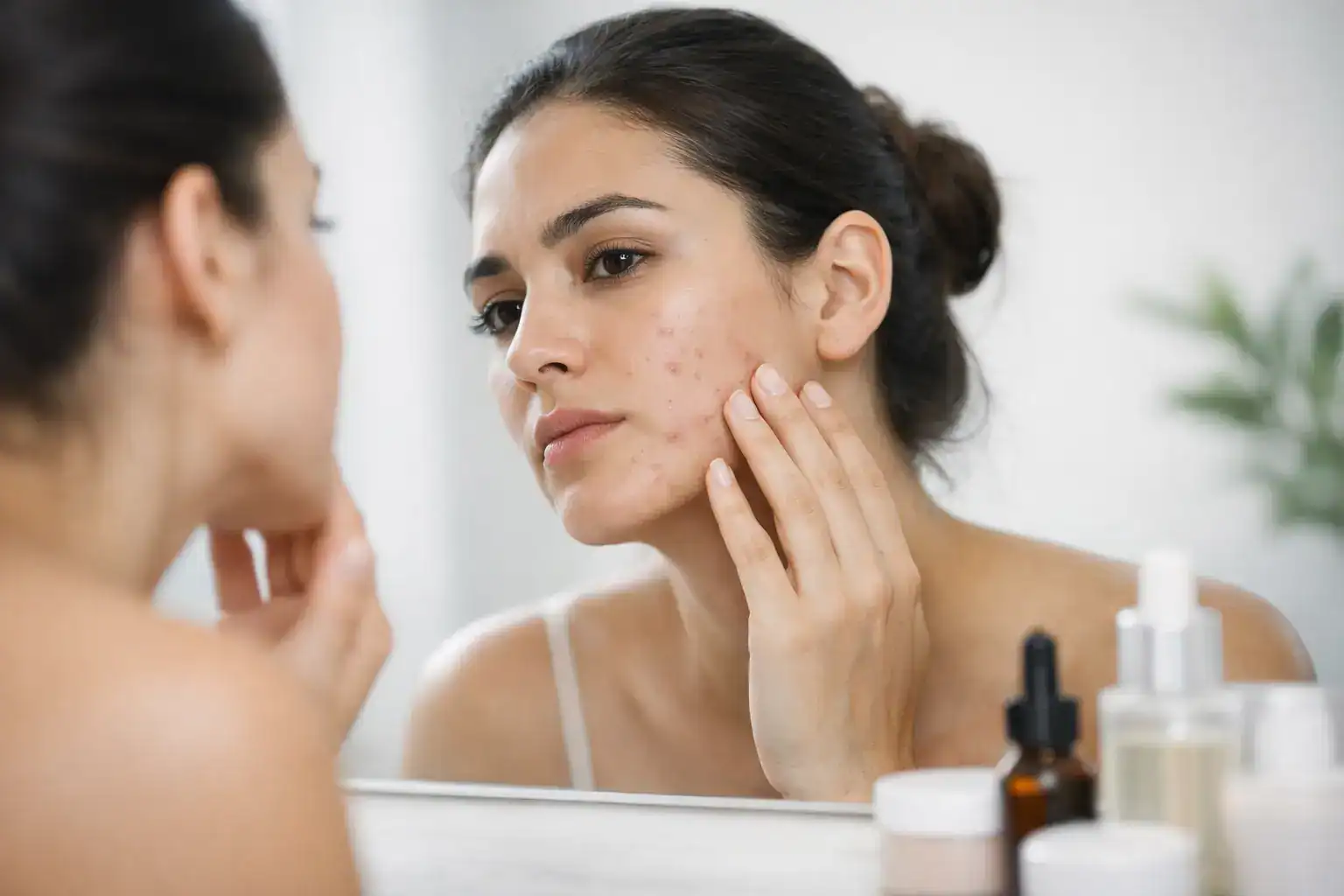
Finding the best dermatologist recommended anti aging skincare for sensitive skin requires a careful balance between reducing visible signs of aging and maintaining a healthy skin barrier. Sensitive skin is more likely to experience redness, dryness, irritation, and discomfort when exposed to harsh skincare ingredients. Therefore, choosing gentle, clinically supported products is essential for achieving healthier, smoother, and younger-looking skin.
We recommend prioritizing fragrance-free moisturizers, gentle retinoids, hydrating serums, antioxidants, and broad-spectrum sunscreen. These skincare essentials can help improve fine lines, wrinkles, uneven skin tone, and skin texture while minimizing irritation.
With the right anti-aging skincare routine, individuals with sensitive skin can address visible aging without compromising their skin’s natural protective barrier.
Why Dermatologist Recommended Anti Aging Skincare Matters for Sensitive Skin
Sensitive skin requires specialized attention because its protective barrier may be more vulnerable to environmental stressors and irritating ingredients. Many traditional anti-aging products contain strong exfoliating acids, concentrated retinoids, or added fragrances that can trigger uncomfortable reactions.
Dermatologist-recommended skincare focuses on ingredients that provide measurable benefits while supporting skin tolerance.
Key Benefits of Dermatologist Recommended Anti Aging Products
We recommend gentle anti-aging skincare because it can offer several important benefits:
- Reduces Fine Lines and Wrinkles: Carefully selected ingredients can improve the appearance of early aging signs.
- Strengthens the Skin Barrier: Ceramides and moisturizing ingredients help maintain skin hydration and reduce moisture loss.
- Improves Skin Texture: Gentle treatments can support smoother, more even-looking skin.
- Minimizes Dryness and Irritation: Fragrance-free products reduce exposure to common skincare irritants.
- Protects Against Premature Aging: Daily sunscreen helps prevent UV-related wrinkles, discoloration, and loss of elasticity.
- Supports Long-Term Skin Health: A consistent, well-tolerated skincare routine can help maintain healthier-looking skin.
By selecting products designed for sensitive skin, we can target visible aging concerns while reducing the likelihood of unnecessary irritation.
Best Dermatologist Recommended Anti Aging Ingredients for Sensitive Skin
The effectiveness of an anti-aging skincare routine depends largely on its active ingredients. We recommend focusing on ingredients with established skincare benefits and formulations suitable for sensitive complexions.
1. Hyaluronic Acid for Deep Hydration
Hyaluronic acid is a popular hydrating ingredient commonly recommended for dry and sensitive skin.
It attracts and retains water, helping the skin appear plumper and reducing the visibility of fine lines caused by dehydration.
We recommend hyaluronic acid serums because they generally provide hydration without the irritation associated with stronger anti-aging treatments.
2. Ceramides for Skin Barrier Repair
Ceramides are naturally occurring lipids that help maintain the skin’s protective barrier.
As skin ages, changes in its lipid composition can contribute to dryness and discomfort.
Ceramide-rich moisturizers help replenish barrier lipids, reduce moisture loss, and improve skin softness. They are particularly beneficial for sensitive skin experiencing tightness or flaking.
3. Niacinamide for Uneven Skin Tone
Niacinamide, also known as vitamin B3, is a versatile skincare ingredient that can improve the appearance of uneven skin tone, support the skin barrier, and reduce visible redness.
Lower-concentration niacinamide formulations may be better tolerated by sensitive skin than highly concentrated serums.
We recommend introducing niacinamide gradually and monitoring the skin’s response.
4. Retinol for Fine Lines and Wrinkles
Retinol is one of the most extensively studied cosmetic ingredients for improving visible signs of aging.
It supports skin cell turnover and collagen-related processes, helping reduce the appearance of fine lines, wrinkles, and uneven texture.
However, retinol can cause dryness, peeling, and irritation, particularly in sensitive skin.
We recommend starting with a low-strength retinol product, applying it only once or twice weekly initially, and increasing frequency gradually if tolerated. A dermatologist may recommend a different retinoid formulation based on individual skin needs.
Retinoids should generally be avoided during pregnancy.
5. Vitamin C for Antioxidant Protection
Vitamin C helps protect the skin against oxidative stress and can improve the appearance of discoloration and uneven skin tone.
Although effective, some vitamin C formulations, particularly those containing high concentrations of acidic L-ascorbic acid, may irritate sensitive skin.
We recommend choosing gentle formulations and introducing them slowly rather than combining several strong active ingredients.
How to Build a Dermatologist Recommended Anti Aging Skincare Routine
A successful anti aging skincare routine for sensitive skin does not require numerous products. Instead, we recommend a simple routine that combines cleansing, hydration, sun protection, and carefully introduced treatments.
Morning Anti Aging Skincare Routine
- Gentle Cleanser: Wash the face with a mild, fragrance-free cleanser that removes impurities without stripping natural oils.
- Hydrating Serum: Apply hyaluronic acid or a well-tolerated niacinamide serum to maintain hydration.
- Barrier-Supporting Moisturizer: Choose a moisturizer containing ceramides, glycerin, or other moisturizing ingredients.
- Broad-Spectrum Sunscreen: Finish with SPF 30 or higher to protect against UVA and UVB radiation.
Daily sunscreen is particularly important because UV exposure is a major contributor to premature skin aging.
Evening Anti Aging Skincare Routine
- Cleanse Gently: Remove sunscreen, makeup, and accumulated impurities using a non-stripping cleanser.
- Apply an Anti-Aging Treatment: Introduce a low-strength retinol product on selected evenings if your skin tolerates it.
- Moisturize Thoroughly: Use a fragrance-free moisturizer to support hydration and minimize dryness.
- Allow Skin Recovery: On evenings without retinol, focus on moisturizing rather than applying additional exfoliating treatments.
We recommend introducing only one new active product at a time so that irritation can be identified more easily.
How to Choose the Best Anti Aging Products for Sensitive Skin
Choosing suitable skincare products involves more than selecting those labeled anti-aging. Product formulation, ingredient concentration, and individual skin tolerance all influence results.
Essential Features to Look for Before Buying
We recommend evaluating anti-aging skincare products using the following criteria:
- Fragrance-Free Formulas: Avoid added fragrances that may trigger irritation.
- Gentle Active Ingredients: Choose ingredients supported by dermatological research.
- Barrier-Supporting Components: Look for ceramides, glycerin, and hyaluronic acid.
- Appropriate Retinol Strength: Begin with lower concentrations rather than aggressive formulations.
- Broad-Spectrum UV Protection: Choose an SPF 30 or higher sunscreen suitable for daily use.
- Minimal Irritants: Avoid unnecessary essential oils, harsh scrubs, and strongly fragranced products.
Products labeled hypoallergenic or dermatologist tested are not guaranteed to be irritation-free. We recommend evaluating the full ingredient list and performing a small-area patch test before regular use.
Common Anti Aging Skincare Mistakes to Avoid
Even high-quality anti-aging skincare products can cause problems when used incorrectly. Sensitive skin generally responds better to gradual treatment than aggressive product combinations.
One common mistake is introducing several active ingredients simultaneously. Combining retinol, exfoliating acids, and strong vitamin C products can increase the likelihood of irritation.
Another mistake is using retinol too frequently before the skin develops tolerance. This can cause peeling, redness, and prolonged discomfort.
We also recommend avoiding excessive cleansing and physical exfoliation, as both can disrupt the skin’s protective barrier.
Most importantly, skipping sunscreen can undermine an anti-aging routine because continued sun exposure contributes to wrinkles, pigmentation changes, and reduced skin elasticity.
When to Consult a Dermatologist for Sensitive Skin Aging Concerns
Although many anti-aging products are available without prescriptions, persistent irritation or complex skincare concerns may require professional evaluation.
A dermatologist can help distinguish sensitive skin from conditions such as rosacea, eczema, or allergic contact dermatitis, which may require different treatment approaches.
We recommend seeking professional advice when skincare products repeatedly cause burning, swelling, persistent redness, or significant peeling.
Dermatologists can also recommend prescription treatments, appropriate retinoid concentrations, and individualized skincare routines based on skin type, age-related concerns, and treatment tolerance.
How Long Does Anti Aging Skincare Take to Show Results?
Results from dermatologist recommended anti aging skincare for sensitive skin depend on the ingredients used, the condition of the skin, and consistency.
Hydrating products may improve skin softness and temporarily reduce the appearance of dehydration lines relatively quickly.
Improvements in skin texture and uneven tone usually require several weeks of consistent use.
Retinol-based treatments often require approximately three to six months before more noticeable improvements in fine lines and wrinkles become apparent.
We recommend evaluating progress gradually and avoiding frequent product changes, as consistent use of well-tolerated products generally produces better results than repeatedly switching treatments.
FAQs about Dermatologist Recommended Anti Aging Skincare for Sensitive Skin
1. What Is the Best Dermatologist Recommended Anti Aging Skincare for Sensitive Skin?
The best dermatologist recommended anti aging skincare for sensitive skin includes gentle cleansers, fragrance-free moisturizers, mineral sunscreens, and products containing hyaluronic acid, ceramides, and niacinamide.
2. Which Anti Aging Ingredients Are Safe for Sensitive Skin?
Hyaluronic acid, ceramides, peptides, and low-concentration niacinamide are generally well tolerated. These ingredients help maintain hydration, support the skin barrier, and improve the appearance of fine lines.
3. Can Sensitive Skin Use Retinol for Anti Aging?
Yes. However, retinol may cause irritation. Dermatologists often recommend starting with a low concentration, applying it gradually, and using a moisturizer. Retinoids should be avoided during pregnancy.
4. What Is the Best Anti Aging Moisturizer for Sensitive Skin?
A fragrance-free moisturizer containing ceramides, glycerin, and hyaluronic acid is an excellent option. These ingredients help strengthen the skin barrier, reduce dryness, and improve skin texture.
5. How Often Should Sensitive Skin Use Anti Aging Products?
We recommend introducing one new product at a time and monitoring skin reactions. Gentle moisturizers can generally be used daily, while stronger active ingredients should be introduced gradually.
6. Is Sunscreen Necessary for Anti Aging Skincare?
Absolutely. Broad-spectrum SPF 30 or higher sunscreen helps protect sensitive skin against UV damage, premature wrinkles, and dark spots. Mineral formulas containing zinc oxide may be particularly suitable.
7. How Long Does Anti Aging Skincare Take to Show Results?
Hydration improvements may appear within days, while visible changes in fine lines and skin texture typically require several weeks to months of consistent use.
Conclusion
Choosing the right dermatologist recommended anti aging skincare for sensitive skin begins with protecting the skin barrier while addressing visible signs of aging through gentle, evidence-supported ingredients.
We recommend combining hyaluronic acid, ceramides, niacinamide, carefully introduced retinol, and daily broad-spectrum sunscreen to support hydration, improve skin texture, and reduce the appearance of fine lines and wrinkles.
A simple, consistent skincare routine is often more beneficial for sensitive skin than an intensive regimen containing multiple powerful treatments. By prioritizing gentle formulations, adequate moisture, and daily sun protection, we can achieve healthier, smoother, and more youthful-looking skin while minimizing irritation.

