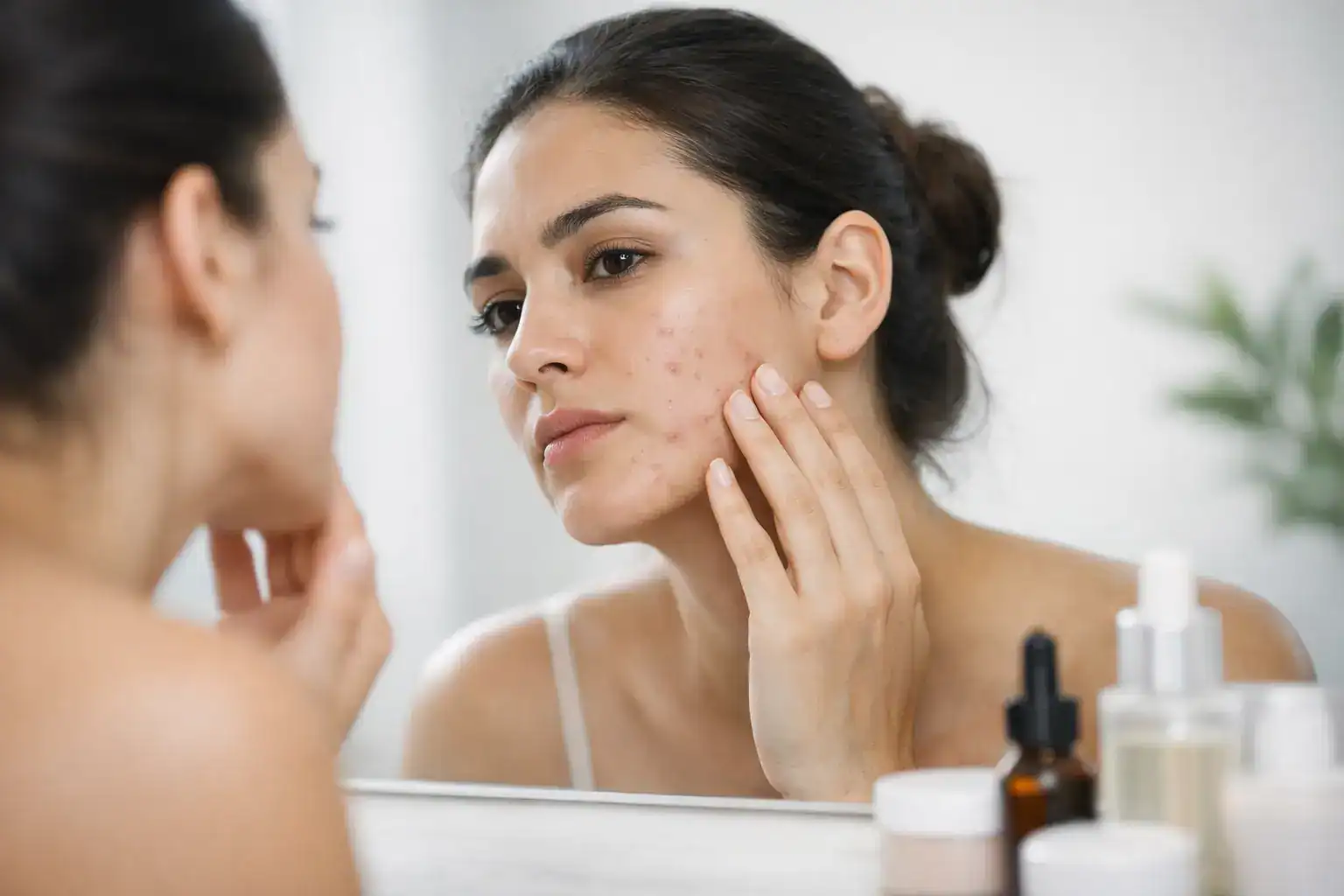
Dark spot treatment for acne marks can include targeted skincare, prescription creams, chemical peels, and selected laser treatments. The right choice depends on the type of discoloration, whether acne is still active, and how well the skin tolerates treatment.
When comparing dark spot treatment costs and options, we should consider the complete treatment plan: consultation, products, repeat appointments, and maintenance. An expensive procedure is not automatically the most suitable option, while an affordable cream offers limited value if it causes irritation or does not address the problem.
Understanding Dark Spots Before Paying for Treatment
Flat brown or grey marks left after breakouts are often post-inflammatory hyperpigmentation, commonly called PIH. These marks develop when inflammation triggers changes in skin pigmentation. They can affect any skin tone but are often more noticeable and persistent in darker skin.
A consultation helps establish whether the concern is pigmentation, ongoing acne, or changes in skin texture. This matters because a treatment plan for discoloration may differ from one intended to improve indented or raised scars.
We should avoid purchasing a package labelled “acne scar removal” without understanding exactly what it treats. Ask the provider to identify the concern and explain how the proposed treatment addresses it.
How Much Does Dark Spot Treatment for Acne Marks Cost?
There is no single standard price for treating acne-related pigmentation. Costs differ between countries, clinics, pharmacies, and treatment methods. Product strength, prescription requirements, the area treated, and the number of appointments also affect the total.
For context, the American Society of Plastic Surgeons reports an average of US$1,829 for the broad category of skin resurfacing procedures, which includes treatments such as chemical peels. This figure is not a quote for a superficial acne-mark peel, a complete treatment course, or treatment outside the United States.
For a meaningful local estimate, request an itemised quotation after assessment.
Costs to Compare Before Starting Treatment
| Treatment option | Expenses to include | What to clarify |
|---|---|---|
| Home skincare | Treatment product, cleanser, moisturiser, sunscreen | How long each product should last |
| Prescription treatment | Consultation, medication, follow-up reviews | Whether a generic medicine is available |
| Chemical peels | Assessment, individual sessions, preparation, aftercare | Expected session count and peel type |
| Laser treatment | Assessment, procedure sessions, aftercare | Device, suitability, and likely total cost |
| Combined treatment | Products plus procedures and reviews | Which components are essential |
We should compare the expected course cost, rather than judging affordability from the first appointment alone.
Affordable Topical Treatments for Acne Marks
Topical treatment offers a way to address pigmentation without immediately committing to an in-clinic procedure. Several ingredients are used for post-inflammatory hyperpigmentation, although results and tolerability vary.
Azelaic Acid for Acne and Dark Spots
Azelaic acid can treat acne and help fade the dark marks that remain after a breakout. This makes it a useful option to discuss when both concerns occur together.
When comparing products, we should check the formulation, strength, pack size, and directions. A cheaper tube may contain less product, while a premium brand may cost more without being the best fit for the individual.
Prescription availability varies by location. A pharmacist or dermatologist can explain which formulations are appropriate and whether a lower-cost alternative is available.
Retinoids for Acne-Prone Skin
Retinoids, including tretinoin and adapalene, may form part of a treatment plan for acne and associated discoloration. However, irritation can trigger further dark marks, particularly in darker skin tones. Starting gradually and using moisturiser can help improve tolerability. Retinoids should not be used during pregnancy.
We should follow the directions for the specific medicine rather than assuming that more frequent application produces faster results. Include the cost of supporting skincare when assessing the affordability of a retinoid routine.
Hydroquinone for Selected Cases
Hydroquinone is a pigment-lightening treatment used for certain cases of hyperpigmentation. A dermatologist can determine whether it is suitable and establish how it should be used and reviewed.
We should account for consultation and follow-up costs alongside the medication. Avoid purchasing an unidentified “bleaching mixture” as a substitute for a clearly labelled treatment. Hydroquinone should be avoided during pregnancy.
Other Ingredients Used for Uneven Skin Tone
Other topical options include vitamin C, kojic acid, niacinamide, and glycolic acid. Their usefulness depends on the formulation and the individual’s skin response; they should not be treated as interchangeable solutions.
A practical purchasing approach is to choose one suitable treatment and assess its tolerability before buying several overlapping products. This keeps spending easier to track and makes it simpler to identify which product causes a reaction.
Sunscreen as Part of the Treatment Budget
Sun protection is an essential component of dark spot care. The American Academy of Dermatology recommends a broad-spectrum, water-resistant sunscreen with SPF 30 or higher. A tinted formulation containing iron oxide also provides protection against visible light, which can worsen pigmentation.
We should choose a sunscreen that fits the budget and feels comfortable enough for consistent use. Texture, shade match, and compatibility with acne-prone skin can influence whether a product becomes part of the daily routine.
Sunscreen is a recurring expense, so include replacement purchases when comparing the cost of different treatment plans.
Chemical Peels for Persistent Acne Marks
Chemical peels may help selected cases of superficial pigmentation. They are not suitable for every type of discoloration, and the controlled skin injury involved can sometimes worsen hyperpigmentation.
Treatment choice requires attention to the peeling agent, depth, skin condition, and preparation. Professional assessment is especially valuable when the skin is sensitive or has previously developed pigmentation after irritation.
Questions to Ask About Chemical Peel Prices
Before paying for a peel or package, we should ask:
- Which peel is proposed, and why is it appropriate?
- Is the quoted price for one session or a complete course?
- Are preparation products and aftercare included?
- How will progress be assessed?
- What happens if irritation or darker pigmentation develops?
A package should explain the treatment clearly. A discount alone does not establish suitability.
Laser Treatment for Acne-Related Dark Spots
Laser treatment may be considered for selected pigmentation concerns, but it requires careful assessment. Procedures can aggravate post-inflammatory hyperpigmentation, and deeper pigment may respond poorly to approaches intended for superficial discoloration.
We should ask the clinician to explain why a laser is being recommended, what improvement is realistic, and how the treatment will be adapted to the skin tone.
What to Clarify Before Booking Laser Treatment
Request information about:
- The exact device and treatment approach.
- The clinician’s experience treating similar skin tones.
- The expected number of appointments.
- Whether a test area is appropriate.
- Aftercare requirements and follow-up arrangements.
- The total estimated cost.
Before-and-after photographs can support a discussion, but they do not guarantee the same outcome for another person.
Treating Active Acne to Limit New Marks
An effective plan should address ongoing breakouts alongside existing discoloration. Otherwise, new marks may appear while older ones are being treated. Azelaic acid is one example of an ingredient that can address both acne and post-acne pigmentation.
Picking or squeezing pimples also increases the risk of dark spots and scarring. Gentle skincare and avoiding this habit support the treatment plan.
From a budgeting perspective, we should ask whether acne management is included in the proposed plan or requires separate products and appointments.
How Long Does Dark Spot Treatment Take?
Pigmentation improvement takes time. Once the trigger has stopped, relatively superficial marks may fade naturally over six to twelve months; deeper discoloration can persist much longer. Treatment may accelerate fading, but an exact clearance date cannot be promised.
We should agree on review points with the provider and record progress using photographs taken under similar lighting. This gives a clearer basis for deciding whether to continue, adjust, or reconsider treatment.
Choosing a Treatment Plan That Fits the Budget
The most useful comparison is between suitable, clearly explained plans. We should request written costs, distinguish essential treatment from optional additions, and ask about affordable medication alternatives.
A transparent plan should identify the concern, explain the proposed approach, and describe how progress will be reviewed. It should also make clear which expenses are ongoing and which are paid once.
FAQs about Dark Spot Treatment for Acne Marks: Cost and Options
1. What is the best treatment for dark spots caused by acne?
The best dark spot treatment for acne marks depends on skin type and pigmentation severity. Common options include azelaic acid, retinoids, vitamin C, chemical peels, and prescription treatments.
2. How much does dark spot treatment for acne marks cost?
The cost varies depending on the treatment and location. Over-the-counter products may cost $10–$60, while professional chemical peels typically range from $100–$300 per session. Laser treatments may cost $200–$1,000 or more per session.
3. Can acne dark spots be treated at home?
Yes. Mild post-inflammatory hyperpigmentation can improve with products containing niacinamide, azelaic acid, or retinoids. Daily sunscreen with SPF 30 or higher helps prevent further darkening.
4. How long does it take to remove dark spots from acne?
Results depend on pigmentation depth and treatment consistency. Some spots improve within 8–12 weeks, while deeper pigmentation may take several months or longer.
5. Are laser treatments effective for acne dark spots?
Laser treatments may reduce stubborn pigmentation. However, they can sometimes worsen discoloration, particularly in darker skin tones. We recommend consulting a qualified dermatologist before treatment.
6. What is the most affordable treatment for acne dark spots?
Azelaic acid, niacinamide, and sunscreen are often affordable starting options. Treating active acne also helps prevent new marks.
7. Can dark spots from acne disappear permanently?
Acne marks can fade significantly, but new breakouts, inflammation, or sun exposure may cause additional pigmentation.
8. How do we choose the right acne dark spot treatment?
We recommend considering skin sensitivity, pigmentation severity, treatment costs, and professional guidance to select a safe, effective option.
Conclusion
Choosing dark spot treatment for acne marks requires more than comparing advertised prices. We should confirm the type of discoloration, account for active acne, and calculate the complete cost of products, appointments, and maintenance.
A well-chosen plan combines appropriate treatment with consistent care and realistic expectations. The goal is a manageable approach that supports gradual improvement without unnecessary spending.