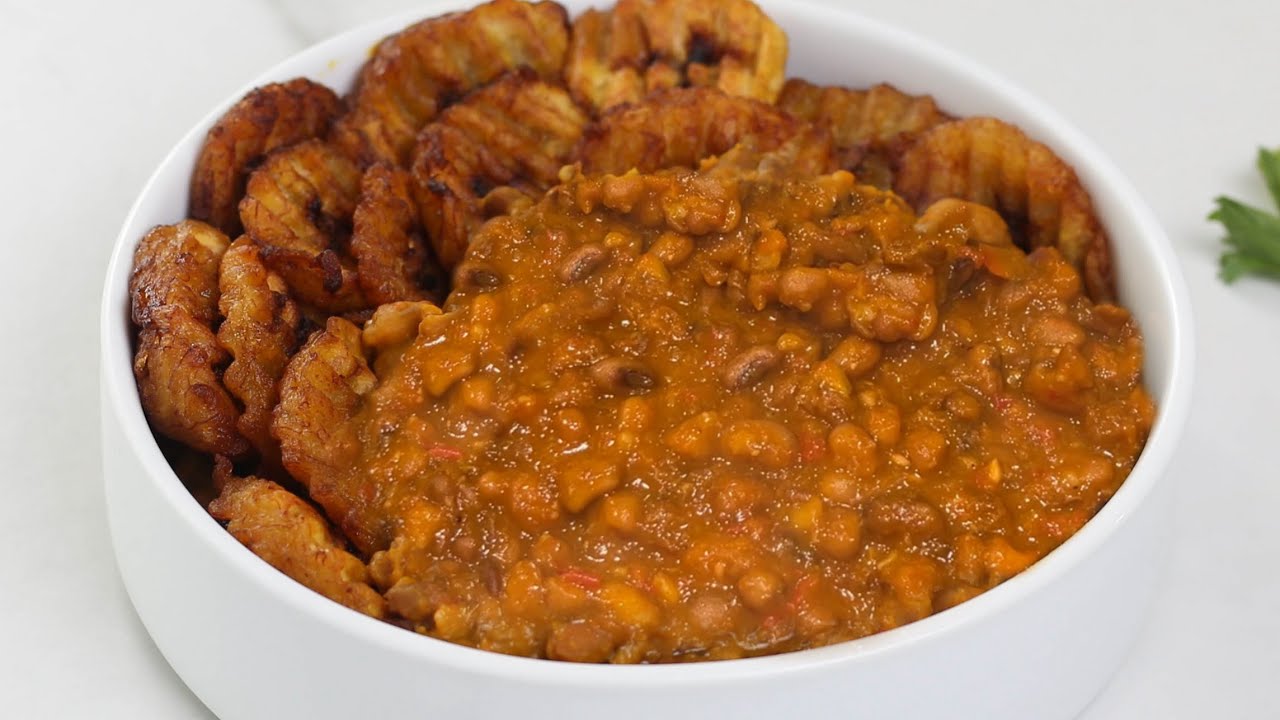
Beans porridge, also known as Nigerian beans porridge, is a rich, filling, and flavourful meal prepared by slowly cooking beans with palm oil, peppers, onions, seasoning, and other simple ingredients. It is one of the most satisfying traditional Nigerian bean dishes because it combines soft, creamy beans with a deeply savoury sauce in one pot.
When we prepare a good beans porridge recipe, we aim for beans that are tender without becoming watery, palm oil that adds both colour and richness, and seasonings that complement rather than overpower the natural flavour of the beans. The result should be creamy, slightly thick, aromatic, and delicious enough to enjoy on its own or with a favourite side dish.
This recipe explains how we can make Nigerian beans porridge from scratch using straightforward ingredients and an easy cooking method.
What Is Beans Porridge?
Beans porridge is a traditional dish made primarily from beans cooked until tender and combined with a seasoned palm oil sauce. In Nigeria, it is commonly prepared with brown beans, honey beans, or black-eyed peas, depending on availability and personal preference.
Unlike plain boiled beans, porridge beans develops its distinctive flavour from ingredients such as onions, fresh peppers, palm oil, crayfish, and seasoning. The beans continue cooking in this flavourful mixture until they absorb the sauce and become soft and creamy.
One of the advantages of this meal is its versatility. We can prepare a simple version with only the basic ingredients or make it richer by adding fish, crayfish, plantain, yam, or vegetables.
Ingredients for Nigerian Beans Porridge
Before we begin cooking, we should gather all the ingredients and prepare them properly. Using fresh ingredients helps us achieve a fuller and more balanced flavour.
Main Ingredients We Need
- 2 cups beans – brown beans, honey beans, or black-eyed peas
- 1 medium onion, chopped
- 2–3 fresh peppers, blended or finely chopped
- ½ cup palm oil
- 2 tablespoons ground crayfish, optional
- 1–2 seasoning cubes
- Salt to taste
- Water, as required for cooking
- Smoked or dried fish, optional
We can adjust the pepper according to how spicy we want the finished porridge. If using smoked or dried fish, we should clean it properly and remove any bones before adding it to the pot.
How to Prepare Beans Before Cooking
Proper preparation makes a noticeable difference when making beans porridge.
First, we sort through the beans carefully and remove stones, broken beans, dirt, or other unwanted particles. We then rinse the beans thoroughly with clean water.
Although soaking is optional, we can soak the beans for several hours before cooking if we want them to soften more quickly. After soaking, we drain the water and rinse the beans again before placing them in the cooking pot.
The exact cooking time will depend on the variety and age of the beans. Some beans soften relatively quickly, while older dried beans may require more time.
How to Make Beans Porridge Step by Step
Preparing authentic Nigerian beans porridge is easier when we allow the beans to soften properly before introducing the main seasonings.
1. Cook the Beans Until Tender
We place the washed beans in a large pot and add enough water to cover them generously.
We bring the water to a boil over medium-high heat before reducing the heat slightly. As the beans cook, we check the water level occasionally and add more hot water when necessary.
It is better to add water gradually instead of pouring too much into the pot at once. This makes it easier for us to achieve a thick porridge rather than a watery result.
We continue cooking until the beans become tender.
2. Add the Onion and Pepper
Once the beans begin to soften, we add the chopped onion and blended or finely chopped peppers.
The onion contributes sweetness and aroma, while the pepper gives the dish its characteristic warmth and depth.
We stir gently and allow the beans to continue simmering so that the flavours begin to penetrate them.
3. Add Palm Oil
Next, we pour in the palm oil.
Palm oil is one of the key ingredients in traditional Nigerian beans porridge because it provides the familiar reddish-orange colour and a distinctive savoury flavour.
We stir carefully until the palm oil is evenly distributed throughout the beans.
4. Add Crayfish, Fish, and Seasoning
If we are using ground crayfish, smoked fish, or dried fish, we add them at this stage.
We then add the seasoning cubes and a moderate amount of salt. Since seasoning cubes and some varieties of smoked fish already contain salt, we should season gradually and taste before adding more.
5. Simmer Until Thick and Creamy
We reduce the heat and allow the beans to simmer gently.
As the beans continue cooking, some will naturally break down slightly and thicken the liquid. We can gently mash a small portion of the beans against the side of the pot if we prefer an even creamier porridge.
We stir occasionally to prevent the bottom from burning.
Once the beans are very tender and the sauce has reduced to our preferred consistency, we taste and adjust the seasoning.
Our beans porridge is ready when it is soft, creamy, well-seasoned, and coated in a rich palm oil sauce.
How to Make Beans Porridge Taste Better
The secret to delicious beans porridge is not simply adding more seasoning. Good flavour comes from allowing each ingredient to contribute naturally to the dish.
Using enough onion creates a subtle sweetness that balances the pepper. Palm oil brings richness, while crayfish or smoked fish introduces an additional savoury taste.
We should also give the porridge enough time to simmer after adding the seasonings. This allows the beans to absorb the sauce instead of tasting like plain beans mixed with ingredients at the last minute.
Another useful technique is keeping the final consistency slightly thick. Beans porridge usually becomes thicker as it cools, so we do not need to cook away every drop of liquid.
Beans Porridge With Plantain
One popular variation is beans and plantain porridge.
To make it, we peel ripe or semi-ripe plantains and cut them into medium-sized pieces. We can add the plantain when the beans are already partially cooked but still need additional time to soften.
The plantain cooks directly in the seasoned beans and absorbs the rich palm oil sauce.
Ripe plantains give the porridge noticeable sweetness, while semi-ripe plantains provide a milder flavour. If we want a balance between sweet and savoury, semi-ripe plantain works particularly well.
Beans Porridge With Yam
We can also prepare beans and yam porridge by adding peeled yam cubes.
Because yam needs enough time to soften, we should add it before the beans are completely cooked. The yam releases some starch as it cooks, which can make the porridge even thicker and creamier.
This variation is especially filling and can be served as a complete meal without an additional side dish.
Common Mistakes to Avoid When Cooking Beans Porridge
Even though the recipe is simple, a few mistakes can affect the final texture and flavour.
Adding Too Much Water
Too much water can turn beans porridge into a thin soup. We should add water gradually throughout the cooking process and allow excess liquid to reduce before serving.
Adding Salt Too Early
We can wait until the beans have started becoming tender before adding significant amounts of salt and seasoning. This also allows us to control the final flavour more accurately.
Using Too Much Palm Oil
Palm oil should enrich the porridge rather than completely overpower it. We should use enough to coat and flavour the beans while maintaining a balanced taste.
Not Cooking the Beans Long Enough
Firm or partially cooked beans will reduce the enjoyment of the dish. We should allow enough cooking time for the beans to become properly tender.
Leaving the Pot Unattended
As beans porridge thickens, it becomes more likely to stick to the bottom of the pot. Gentle stirring during the final stages helps prevent burning.
What to Serve With Beans Porridge
One reason Nigerian beans porridge remains such a popular meal is that we can pair it with several traditional foods.
Popular Beans Porridge Side Dishes
- Fried plantain
- Boiled plantain
- Boiled yam
- Fried yam
- Bread
- Garri
- Pap
- Rice
- Sweet potatoes
Fried ripe plantain is particularly popular because its caramelised sweetness contrasts beautifully with the savoury, slightly spicy beans.
Bread and beans is another familiar combination. The soft bread can be used to scoop up the thick porridge, creating a simple but satisfying meal.
Can We Make Beans Porridge Without Palm Oil?
Yes. Although palm oil gives traditional Nigerian beans porridge its characteristic colour and flavour, we can prepare beans without it.
We may use a small quantity of another cooking oil or prepare the beans with tomatoes, onions, peppers, and seasonings.
However, the flavour and appearance will differ from the traditional Nigerian beans porridge recipe made with palm oil.
How to Achieve Creamy Beans Porridge
For particularly creamy porridge, we should cook the beans until they are completely tender.
Near the end of cooking, we can use the back of a wooden spoon to mash a small quantity of beans against the side of the pot. We then stir the mashed beans back into the sauce.
This naturally thickens the porridge without requiring flour, starch, or artificial thickeners.
We should avoid mashing everything because part of the appeal of beans porridge is having whole tender beans alongside the creamy sauce.
How to Store Leftover Beans Porridge
Leftover beans porridge should be allowed to cool before being transferred into a clean, airtight food container.
We can refrigerate it for short-term storage or freeze portions when we want to keep them longer.
When reheating, the porridge may appear considerably thicker because the beans continue absorbing moisture while stored. We can add a small amount of water before reheating and stir gently until the original creamy texture returns.
The food should be reheated thoroughly before serving.
Tips for the Best Nigerian Beans Porridge
A few practical techniques can help us achieve consistently good results.
Simple Cooking Tips
- Use fresh, good-quality beans for better texture and shorter cooking time.
- Sort and rinse the beans carefully before cooking.
- Add water gradually to prevent watery porridge.
- Allow the beans to become properly tender.
- Use fresh onion and pepper for stronger natural flavour.
- Add palm oil in moderation.
- Use crayfish or smoked fish for additional savoury depth when desired.
- Stir more frequently as the porridge thickens.
- Taste before adding extra salt.
- Allow the finished porridge to rest briefly before serving.
These simple steps produce a richer dish without making the cooking process complicated.
Why This Beans Porridge Recipe Works
This method keeps the focus on the ingredients that define traditional Nigerian beans porridge: tender beans, palm oil, onion, pepper, and well-balanced seasoning.
By cooking the beans first and introducing the flavouring ingredients as they soften, we create enough time for the beans to absorb the sauce.
The gradual addition of water also helps us control the final texture, while gentle simmering allows the beans to release enough starch to create a naturally creamy consistency.
Most importantly, the recipe remains flexible. We can serve it plain, enrich it with fish and crayfish, or transform it into beans and plantain porridge or beans and yam porridge.
Final Tips for Serving Perfect Beans Porridge
Before serving, we should allow the porridge to rest for a few minutes. This gives the sauce time to settle and thicken slightly.
For a complete Nigerian-style meal, we can serve our beans porridge with fried plantain, boiled yam, bread, garri, or another preferred accompaniment.
If preparing the dish for guests or family, adding smoked fish or ground crayfish creates an even richer aroma and flavour. Those ingredients are optional, however, because a well-seasoned pot of beans can still be delicious with only the essential ingredients.
FAQs about Beans Porridge Recipe
What is Nigerian Beans Porridge?
Beans Porridge, also known as beans pottage, is a popular Nigerian dish made by cooking beans until soft and combining them with palm oil, peppers, onions, and seasonings. It is rich, filling, and easy to prepare.
What type of beans is best for Beans Porridge?
We recommend using Nigerian brown beans or black-eyed peas. Brown beans are especially popular because they become creamy and absorb seasonings well.
How long does it take to cook Beans Porridge?
Beans typically take about 45–90 minutes to become tender, depending on the variety, freshness, and cooking method. Soaking the beans beforehand may reduce cooking time.
Can we make Beans Porridge without palm oil?
Yes. Although palm oil gives traditional Nigerian Beans Porridge its distinctive colour and flavour, we can use another cooking oil if preferred.
How can we make Beans Porridge thicker?
Allow the beans to simmer uncovered toward the end of cooking. We can also gently mash a small portion of the beans to create a thicker, creamier consistency.
What can we serve with Beans Porridge?
Beans Porridge pairs beautifully with fried plantain, boiled yam, bread, rice, garri, or sweet potatoes.
Can we add fish or meat?
Yes. Smoked fish, dried fish, crayfish, beef, or other preferred proteins can be added for extra flavour.
How should leftover Beans Porridge be stored?
Allow it to cool, transfer it to an airtight container, and refrigerate promptly. Reheat thoroughly before serving.
Conclusion
A good beans porridge recipe should produce tender beans in a creamy, flavourful sauce rather than dry beans or an excessively watery mixture. By cooking the beans patiently, adding water gradually, seasoning carefully, and allowing the palm oil sauce to simmer into the beans, we can prepare a satisfying pot of authentic Nigerian beans porridge at home.
Whether we enjoy it alone, serve it with fried plantain, pair it with bread, or prepare a richer version with yam, plantain, crayfish, or smoked fish, beans porridge remains a versatile and comforting Nigerian meal.
With simple ingredients and the right cooking method, we can create a delicious pot of homemade beans porridge that is creamy, hearty, aromatic, and full of traditional flavour.