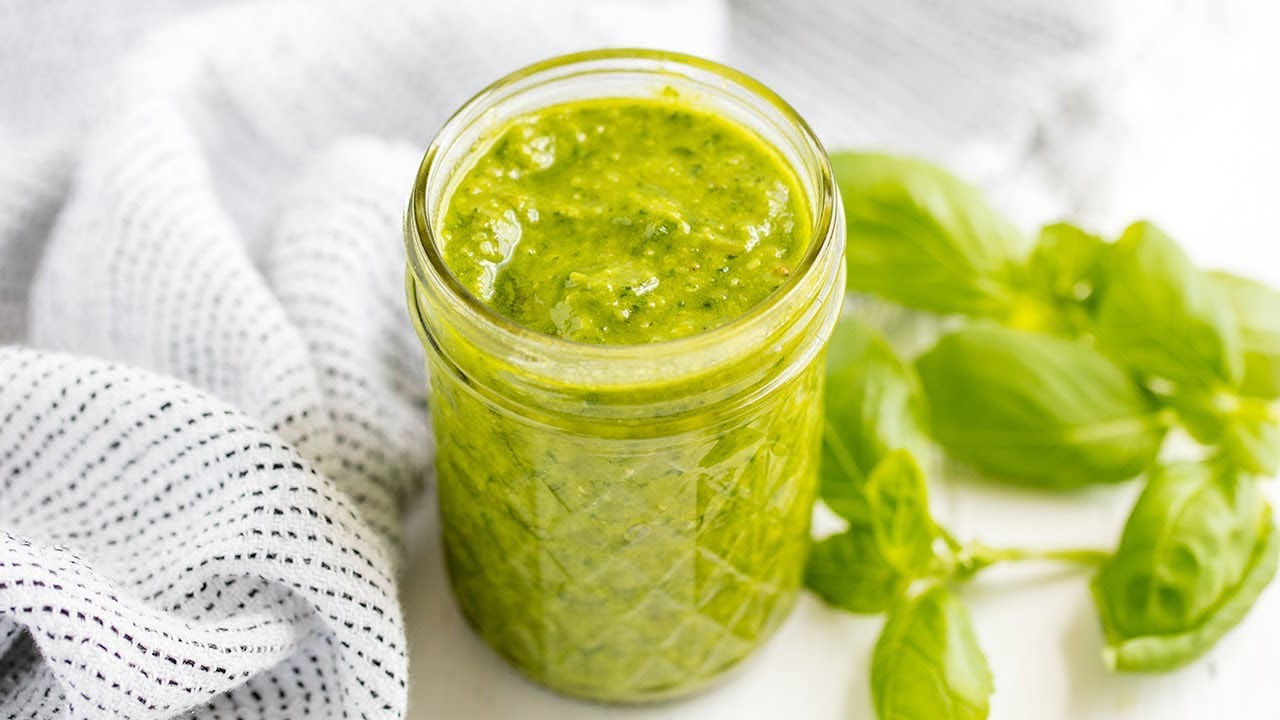
Basil Pesto Recipe: Basil pesto is one of the most flavorful, versatile, and elegant sauces we can prepare at home with simple ingredients. Made with fresh basil leaves, garlic, pine nuts, Parmesan cheese, olive oil, and lemon juice, this classic Italian sauce delivers a bright, herbaceous, nutty, and savory taste that instantly improves pasta, sandwiches, grilled meats, roasted vegetables, pizza, salads, and appetizers.
A well-made homemade basil pesto recipe should taste fresh, balanced, and rich without becoming too oily, bitter, or heavy. The secret is using quality ingredients, blending them gently, and adjusting the texture until the pesto becomes smooth, fragrant, and spoonable. Whether we are preparing a quick weeknight pasta sauce or a gourmet topping for a dinner table, this step-by-step basil pesto guide gives us a reliable method for making pesto that tastes fresh, vibrant, and restaurant-quality.
What Is Basil Pesto?
Basil pesto, also known as pesto alla Genovese, is a traditional Italian sauce made by combining fresh basil, garlic, nuts, cheese, and olive oil. The word “pesto” comes from the Italian word meaning “to pound” or “to crush,” because traditional pesto was made using a mortar and pestle. Today, we can prepare it easily with a food processor or blender while still preserving its fresh, aromatic flavor.
The beauty of classic basil pesto is its simplicity. Each ingredient has a clear role. Fresh basil provides the main herbal flavor, garlic adds sharpness, Parmesan cheese gives saltiness and depth, pine nuts bring creaminess and nuttiness, while extra virgin olive oil ties everything together into a rich, silky sauce.
List of Ingredients You’ll Need
To make a fresh and flavorful basil pesto recipe, we need the following ingredients:
Main Ingredients
- 2 cups fresh basil leaves, loosely packed
- 1/2 cup extra virgin olive oil
- 1/3 cup pine nuts, lightly toasted
- 1/2 cup freshly grated Parmesan cheese
- 2 garlic cloves, peeled
- 1 tablespoon fresh lemon juice
- 1/2 teaspoon salt, or to taste
- 1/4 teaspoon black pepper, freshly ground
Optional Ingredients for Better Flavor
- 2 tablespoons Pecorino Romano cheese for a sharper taste
- 1 teaspoon lemon zest for extra brightness
- A pinch of red pepper flakes for mild heat
- A small handful of fresh parsley to soften the basil flavor
- 1 tablespoon cold water if we need a lighter texture
Best Basil to Use for Homemade Pesto
For the best homemade basil pesto, we should use fresh, bright green basil leaves. The leaves should look healthy, soft, and fragrant. Avoid basil that is wilted, dark, bruised, or yellowing because it can make the pesto taste dull or bitter.
Sweet basil is the best choice for a traditional pesto because it has a balanced herbal flavor. Genovese basil is even better when available because it is especially fragrant and commonly used for classic Italian pesto. Before blending, we should remove thick stems because they can add bitterness and a rough texture to the sauce.
Why Fresh Ingredients Matter
A great basil pesto sauce depends heavily on freshness. Since pesto is not cooked, every ingredient must taste clean and bright. Fresh basil gives the sauce its signature green color and aroma. Fresh garlic gives a stronger and cleaner flavor than garlic powder. Freshly grated Parmesan melts better into the sauce than pre-shredded cheese, which often contains anti-caking ingredients that can affect the texture.
Using extra virgin olive oil also makes a big difference. A mild, fruity olive oil works best because very strong or peppery oil can overpower the basil. The goal is to create a pesto that tastes balanced, not oily or harsh.
Step-by-Step Guide to Making Basil Pesto
Step 1: Prepare the Basil Leaves
First, we gently rinse the fresh basil leaves under cool water to remove any dirt. After rinsing, we dry the leaves completely using a clean kitchen towel or salad spinner. This step is important because excess water can make the pesto thin and reduce its flavor.
Once dry, we remove any thick stems and keep only the tender leaves and soft stems. The basil should be dry, fragrant, and fresh before it goes into the food processor.
Step 2: Toast the Pine Nuts
Next, we place the pine nuts in a dry skillet over low to medium heat. We toast them for about 2 to 4 minutes, stirring often, until they become lightly golden and fragrant.
Toasting the pine nuts deepens their flavor and gives the pesto a richer taste. We should watch them closely because pine nuts can burn quickly. Once toasted, we transfer them to a plate and allow them to cool before blending.
Step 3: Add Garlic and Nuts to the Food Processor
We add the garlic cloves and toasted pine nuts to the food processor first. Then we pulse a few times until they are roughly chopped. This helps break down the garlic evenly before adding the basil.
Blending the garlic and nuts first prevents large pieces of garlic from remaining in the final pesto. It also helps build a smoother base for the sauce.
Step 4: Add the Fresh Basil Leaves
Now we add the fresh basil leaves to the food processor. We pulse gently instead of blending continuously. Short pulses help preserve the green color and prevent the basil from becoming overheated.
Over-processing basil can make pesto darker and slightly bitter. We want the leaves finely chopped but still fresh and aromatic.
Step 5: Add Parmesan Cheese
After the basil begins to break down, we add the freshly grated Parmesan cheese. Parmesan gives pesto its salty, savory, and slightly nutty flavor. For a stronger taste, we can add a small amount of Pecorino Romano cheese as well.
We pulse again until the cheese is evenly mixed with the basil, garlic, and nuts. The mixture should look thick and textured at this stage.
Step 6: Slowly Add Olive Oil
With the food processor running on low, we slowly drizzle in the extra virgin olive oil. Adding the oil gradually helps the pesto become smooth and creamy without separating.
We should stop blending once the sauce reaches the texture we like. Some people prefer pesto slightly chunky, while others prefer it smoother. For pasta, a slightly loose pesto works well because it coats the noodles evenly.
Step 7: Add Lemon Juice, Salt, and Pepper
Finally, we add fresh lemon juice, salt, and black pepper. Lemon juice brightens the flavor and helps balance the richness of the olive oil and cheese. Salt brings out the natural sweetness of the basil, while black pepper adds gentle warmth.
We taste the pesto and adjust as needed. If it tastes too sharp, we can add a little more olive oil or cheese. If it tastes flat, we add a small pinch of salt or a few more drops of lemon juice.
Step 8: Adjust the Texture
If the pesto is too thick, we can add a small amount of olive oil or cold water, one teaspoon at a time. If we are using it for pasta, we can loosen it with a little reserved pasta water. This creates a silky sauce that clings beautifully to spaghetti, penne, gnocchi, or linguine.
The finished basil pesto sauce should be rich, bright green, fragrant, and easy to spoon.
How to Use Basil Pesto
Homemade basil pesto is incredibly versatile. We can use it as a pasta sauce, sandwich spread, pizza topping, salad dressing base, or marinade. It pairs beautifully with chicken, shrimp, salmon, roasted potatoes, grilled vegetables, mozzarella, tomatoes, and fresh bread.
For pasta, we should avoid cooking pesto directly over high heat. Instead, we toss cooked pasta with pesto off the heat and add a splash of pasta water to create a smooth coating. This keeps the basil fresh and prevents the sauce from turning dark.
Best Pasta for Basil Pesto
The best pasta for basil pesto pasta includes shapes that hold sauce well. Spaghetti, linguine, fusilli, trofie, penne, rigatoni, and gnocchi are excellent choices. Twisted pasta shapes like fusilli are especially good because the pesto gets trapped in the grooves.
For a classic Italian-style meal, we can toss pesto with pasta, a little pasta water, extra Parmesan, and a drizzle of olive oil. This creates a simple but flavorful dish that tastes fresh, rich, and satisfying.
Tips for the Best Basil Pesto Recipe
For the best results, we should always use fresh basil, not dried basil. Dried basil does not have the same fragrance, texture, or flavor. We should also grate the Parmesan ourselves because freshly grated cheese blends more smoothly into the pesto.
We should avoid overheating the pesto in the food processor. Short pulses are better than long blending. If the food processor bowl becomes warm, we can pause for a minute before continuing.
Another useful tip is to add the olive oil slowly. This gives the pesto a better texture and helps the ingredients combine properly. A good pesto should never feel watery or greasy; it should taste balanced, smooth, and fresh.
Basil Pesto Variations
While traditional pesto uses pine nuts, we can also make delicious variations with other nuts. Walnuts, almonds, cashews, or pistachios can work well. Walnuts give a slightly earthy flavor, cashews make the pesto creamier, and almonds add a mild sweetness.
We can also make a dairy-free basil pesto by replacing Parmesan with nutritional yeast or simply leaving the cheese out. For a lighter version, we can use less oil and add a little cold water or lemon juice to loosen the sauce.
For a spicy pesto, we can add red pepper flakes. For a brighter flavor, we can add lemon zest. For a more balanced herb flavor, we can mix basil with parsley, spinach, or arugula.
How to Store Basil Pesto
To store fresh basil pesto, we transfer it to an airtight container and smooth the surface. Then we pour a thin layer of olive oil over the top. This helps protect the pesto from air and keeps it greener for longer.
We can refrigerate pesto for up to 4 to 5 days. Before using, we stir it well and taste for seasoning. If it thickens in the fridge, we can loosen it with a little olive oil or warm pasta water.
Can We Freeze Basil Pesto?
Yes, basil pesto freezes very well. We can spoon it into an ice cube tray and freeze until solid. Once frozen, we transfer the pesto cubes into a freezer-safe bag or container. This makes it easy to use small portions whenever needed.
Frozen pesto can last for about 2 to 3 months. To use, we thaw the cubes in the fridge or stir them directly into warm pasta, soups, or sauces. Freezing pesto is a great way to preserve fresh basil when we have a large bunch available.
Common Mistakes to Avoid
One common mistake is using wet basil leaves. Water can thin the pesto and reduce the flavor. Another mistake is over-blending, which can make the pesto darker and bitter. We should pulse gently and stop once the sauce reaches the right texture.
Using too much garlic can overpower the basil, so it is better to start with a small amount and adjust later. We should also avoid using low-quality olive oil because pesto relies heavily on the flavor of the oil.
Adding too much salt at the beginning can also be a problem because Parmesan cheese is already salty. It is best to season gradually and taste before adding more.
What to Serve with Basil Pesto
Basil pesto pairs beautifully with many dishes. We can serve it with pasta, grilled chicken, roasted fish, garlic bread, tomato salad, roasted vegetables, scrambled eggs, or creamy soups. It also works well as a spread for paninis, wraps, burgers, and bruschetta.
For a simple appetizer, we can spoon pesto over fresh mozzarella and sliced tomatoes, then finish with olive oil and black pepper. For a quick dinner, we can toss pesto with pasta and add grilled chicken, cherry tomatoes, or steamed vegetables.
FAQs about Basil Pesto Recipe
1. What is basil pesto made of?
Basil pesto is traditionally made with fresh basil leaves, garlic, pine nuts, Parmesan cheese, olive oil, lemon juice, salt, and black pepper. These ingredients are blended together to create a rich, fragrant, and flavorful green sauce.
2. Can we make basil pesto without pine nuts?
Yes, we can make basil pesto without pine nuts. Good substitutes include walnuts, almonds, cashews, sunflower seeds, or even pumpkin seeds. These alternatives still give the pesto a creamy texture and nutty flavor.
3. How do we keep basil pesto green?
To keep basil pesto bright green, we should use fresh basil, avoid over-blending, and add a little lemon juice. Covering the pesto with a thin layer of olive oil before storing also helps prevent it from turning dark.
4. How long does homemade basil pesto last?
Homemade basil pesto can last for about 5 to 7 days in the refrigerator when stored in an airtight container. For longer storage, we can freeze it in small portions using an ice cube tray.
5. What can we serve with basil pesto?
Basil pesto is very versatile. We can serve it with pasta, gnocchi, roasted vegetables, grilled chicken, sandwiches, pizza, salads, or as a dip for bread. It adds a fresh, herby flavor to many dishes.
Final Thoughts
A good basil pesto recipe should be fresh, aromatic, creamy, and full of flavor. With simple ingredients and the right method, we can create a sauce that tastes far better than store-bought pesto. The combination of fresh basil, toasted pine nuts, garlic, Parmesan cheese, lemon juice, and extra virgin olive oil gives us a bright and balanced sauce that works in countless meals.
Once we master this step-by-step basil pesto recipe, we can use it as a foundation for pasta dishes, sandwiches, salads, roasted vegetables, grilled proteins, and easy appetizers. It is quick to prepare, easy to store, and perfect for adding bold homemade flavor to everyday cooking.