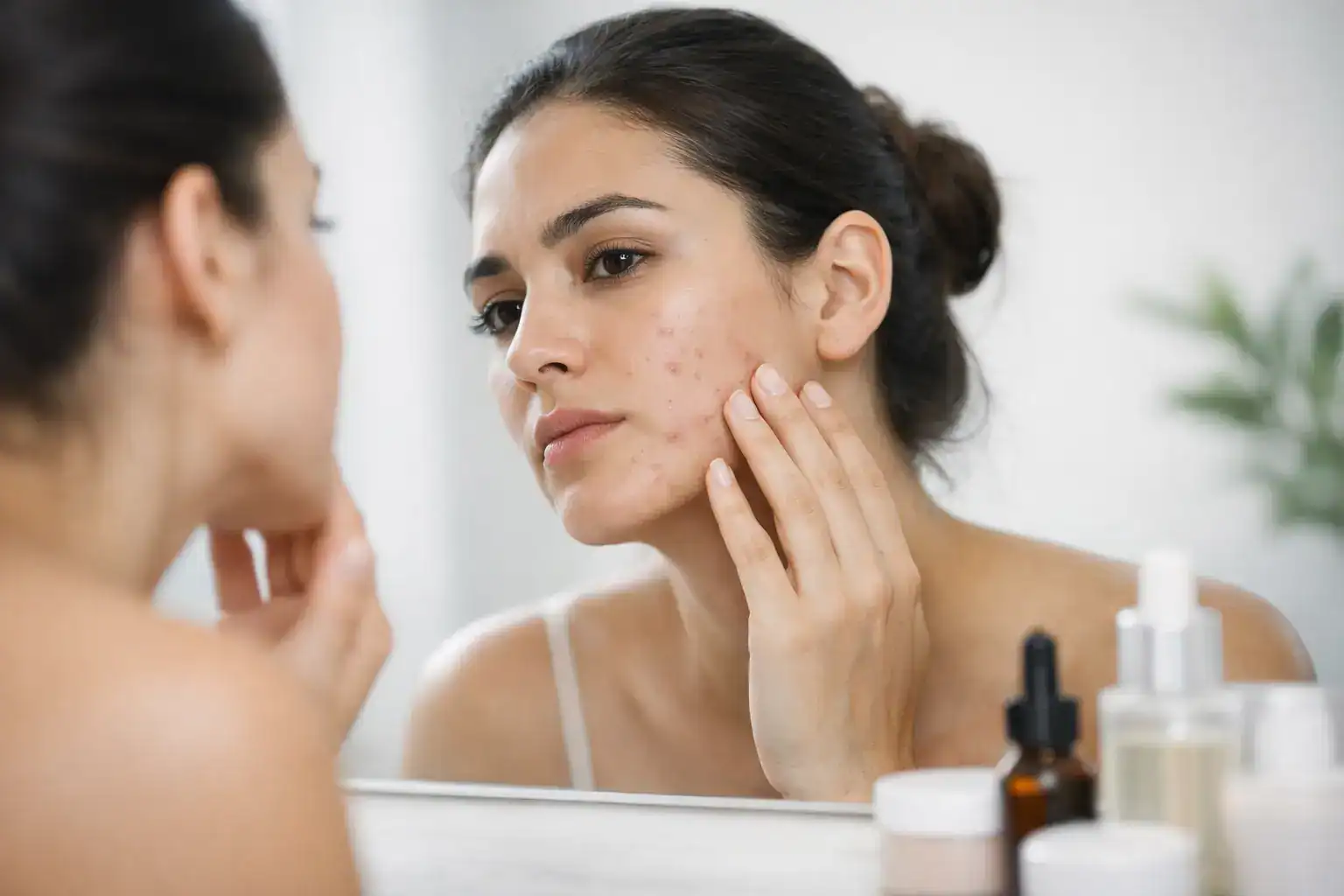
Dark spots, uneven skin tone, and stubborn hyperpigmentation can affect the appearance and confidence of individuals seeking clearer, healthier-looking skin. Finding an affordable chemical peel for dark spots near me is an effective starting point for exploring professional skincare treatments that improve discoloration without requiring expensive cosmetic procedures.
At our skincare practice, we believe that achieving a brighter, more even complexion begins with selecting the right treatment for each individual’s skin type, pigmentation concerns, and budget. Professional chemical peels offer a customizable approach to reducing dark spots, improving skin texture, and encouraging healthier skin renewal.
Whether you are experiencing acne marks, sun damage, melasma, or post-inflammatory hyperpigmentation, understanding your treatment options can help you make an informed decision.
What Is a Chemical Peel for Dark Spots?
A chemical peel for dark spots is a professional skin treatment that uses carefully formulated exfoliating acids to remove damaged surface skin cells and encourage natural skin renewal. By targeting accumulated pigment in the skin’s upper layers, chemical peels can gradually improve the appearance of certain types of discoloration.
Chemical peels are commonly used to address:
- Acne dark spots: Discoloration remaining after acne lesions heal.
- Sunspots: Pigmented patches associated with prolonged ultraviolet exposure.
- Post-inflammatory hyperpigmentation: Dark marks caused by skin irritation, injuries, or inflammation.
- Melasma: Persistent patches of pigmentation commonly associated with hormonal changes and sunlight.
- Uneven skin tone: Areas of discoloration that affect overall complexion.
We recommend professional skin assessment before treatment because different pigmentation conditions require different approaches. Some dark spots respond well to superficial chemical peels, while deeper pigmentation may require additional skincare treatments.
Best Affordable Chemical Peels for Dark Spots
Choosing the best chemical peel for hyperpigmentation depends on skin sensitivity, pigmentation depth, treatment goals, and professional recommendations.
1. Glycolic Acid Chemical Peel
Glycolic acid is an alpha-hydroxy acid (AHA) commonly used to exfoliate the skin and improve surface pigmentation.
Its potential benefits include smoother skin texture, improved brightness, and gradual reduction of superficial dark spots.
We often consider glycolic acid peels for suitable individuals experiencing mild sun damage, dullness, and uneven skin tone. However, treatment strength must be carefully selected to minimize irritation.
2. Lactic Acid Chemical Peel
Lactic acid is another AHA that provides relatively gentle exfoliation while helping improve skin hydration.
A lactic acid chemical peel for dark spots may be suitable for individuals with mild pigmentation concerns or those requiring a more conservative treatment approach.
We recognize that even gentle chemical peels can cause irritation, making professional guidance important, particularly for sensitive skin.
3. Salicylic Acid Chemical Peel
Salicylic acid is a beta-hydroxy acid (BHA) frequently used for acne-prone and oily skin.
It helps exfoliate within pores, manage acne-related congestion, and improve certain forms of post-acne discoloration.
For individuals experiencing active acne alongside dark spots, a professionally selected salicylic acid peel may address multiple concerns.
4. Mandelic Acid Chemical Peel
Mandelic acid is an AHA with a larger molecular structure than glycolic acid, which contributes to its relatively slower penetration.
It may be considered for individuals seeking gradual exfoliation, particularly when skin sensitivity or post-inflammatory pigmentation is a concern.
We emphasize that no chemical peel is universally safe for every skin tone. Appropriate formulation, concentration, application time, and aftercare determine suitability.
Affordable Chemical Peel for Dark Spots Near Me: What Determines the Cost?
The cost of chemical peels for dark spots varies depending on the provider, treatment type, location, and number of sessions required.
Rather than choosing treatment based on price alone, we recommend examining the overall value of professional care.
Factors That Influence Chemical Peel Prices
Several factors affect the final treatment cost:
- Type of chemical peel: Superficial peels generally cost less than medium-depth or advanced procedures.
- Treatment location: Prices differ across cities, clinics, and dermatology practices.
- Provider expertise: Experienced dermatologists and qualified skincare professionals may charge different fees.
- Number of sessions: Stubborn pigmentation may require multiple treatments.
- Treatment area: Facial procedures may differ in cost from treatments for the neck, chest, or back.
- Additional skincare products: Sunscreen, moisturizers, and prescribed pigmentation treatments can increase overall expenses.
We encourage patients searching for cheap chemical peels for dark spots near me to prioritize qualified practitioners, transparent pricing, and appropriate treatment protocols.
An inexpensive procedure that causes irritation or worsens pigmentation can ultimately become more costly than properly supervised care.
Benefits of Professional Chemical Peels for Hyperpigmentation
Professional chemical peels provide several potential advantages when performed on appropriately selected skin types.
Why Consider Chemical Peels for Dark Spot Removal?
The most important benefits include:
- Improved skin tone: Chemical exfoliation can gradually reduce the appearance of superficial discoloration.
- Smoother skin texture: Removing accumulated surface cells may improve roughness and unevenness.
- Reduced appearance of acne marks: Certain peels help fade post-inflammatory pigmentation associated with acne.
- Brighter-looking complexion: Consistent treatment and proper skincare can support improved skin clarity.
- Customizable treatment options: Different acids and strengths allow professionals to tailor treatment to individual needs.
- Minimal downtime with superficial peels: Many light chemical peels require relatively short recovery periods, although redness and peeling may still occur.
Results vary depending on the type and depth of pigmentation. Chemical peels do not guarantee permanent dark spot removal, especially when pigmentation is triggered by recurring acne, hormonal influences, or sunlight.
How to Find the Best Affordable Chemical Peel Clinic Near You
Searching online for an affordable chemical peel clinic near me can produce numerous results, but selecting a trustworthy provider requires careful evaluation.
We recommend considering the following before booking treatment.
Important Qualities to Look for in a Chemical Peel Provider
- Professional qualifications: Choose a licensed dermatologist or appropriately trained skincare professional working within their scope of practice.
- Skin consultation: A reliable provider should assess pigmentation, skin type, previous treatments, and relevant medical history.
- Transparent treatment pricing: Request a clear explanation of consultation fees, session costs, and necessary aftercare.
- Experience with different skin tones: This is particularly important for individuals with medium to deep complexions, who may face a higher risk of post-inflammatory hyperpigmentation.
- Realistic treatment expectations: Avoid clinics promising instant or permanent removal of every dark spot.
- Appropriate follow-up care: Professional aftercare guidance helps reduce irritation and support recovery.
We also recommend reviewing credible patient feedback and confirming that the clinic uses suitable professional-grade products.
How Many Chemical Peel Sessions Are Needed for Dark Spots?
The number of sessions required depends on the severity of pigmentation, skin response, and type of chemical peel.
Some individuals notice improvements after an initial superficial treatment, while others need several sessions spaced weeks apart.
Mild surface discoloration may respond more quickly than persistent melasma or deeper post-inflammatory pigmentation.
We recommend allowing sufficient recovery time between sessions and avoiding aggressive treatment schedules. Excessive exfoliation can irritate the skin and potentially worsen discoloration.
For individuals with recurring pigmentation, a dermatologist may recommend combining chemical peels with topical treatments containing ingredients such as azelaic acid, retinoids, or other clinically appropriate pigment-targeting agents.
Are Chemical Peels Safe for Dark Skin?
Chemical peels can be performed on darker skin tones, but careful selection and application are essential.
Individuals with melanin-rich skin have an increased risk of developing post-inflammatory hyperpigmentation following excessive irritation, burns, or overly aggressive exfoliation.
We recommend working with professionals experienced in treating darker complexions and using conservative treatment approaches where appropriate.
Superficial peels may be preferable to deeper peels for certain patients, although suitability depends on the underlying skin condition.
Proper sun protection, individualized preparation, and post-treatment skincare remain essential for reducing complications.
Chemical Peel Aftercare for Better Dark Spot Results
Proper aftercare is just as important as choosing the right chemical peel.
Following treatment, the skin may become temporarily sensitive, dry, red, or flaky. Appropriate skincare can support healing and help maintain treatment results.
Essential Aftercare Tips
- Use a broad-spectrum sunscreen with SPF 30 or higher every day, and reapply when needed.
- Avoid excessive sun exposure, particularly during the healing period.
- Apply a gentle moisturizer to support the skin barrier.
- Avoid picking, scratching, or manually removing peeling skin.
- Temporarily discontinue harsh scrubs, exfoliating acids, or retinoids unless your clinician advises otherwise.
- Follow all instructions provided by your skincare professional.
We emphasize consistent sun protection because ultraviolet and visible light exposure can contribute to recurring pigmentation, particularly in individuals with melasma. Tinted sunscreen containing iron oxides may offer additional protection against visible-light-related discoloration.
Chemical Peels vs. Other Dark Spot Removal Treatments
Although chemical peels are popular for managing discoloration, they are not the only available treatment.
Topical pigmentation treatments, prescription medications, laser procedures, and other dermatologist-directed therapies may be appropriate depending on the cause of dark spots.
Chemical peels primarily target surface skin layers, while some alternative procedures address different pigmentation depths or underlying conditions.
For stubborn pigmentation, we recommend a personalized skincare plan rather than relying on repeated chemical peels alone.
When Should You See a Dermatologist for Dark Spots?
Not every dark spot is suitable for chemical peel treatment.
We recommend professional medical assessment for spots that appear suddenly, change in shape or color, bleed, become painful, or develop unusual borders.
A dermatologist can distinguish common hyperpigmentation from other skin conditions requiring medical evaluation.
A professional diagnosis also helps prevent unnecessary procedures and supports safer, more targeted treatment.
FAQs about Affordable Chemical Peel for Dark Spots Near Me
1. How Much Does an Affordable Chemical Peel for Dark Spots Cost?
The cost of a chemical peel for dark spots varies depending on the clinic, peel type, treatment area, and number of sessions required. We recommend comparing reputable dermatology clinics to find affordable treatment options.
2. What Is the Best Chemical Peel for Dark Spots?
The best chemical peel for dark spots depends on your skin type and pigmentation concerns. Glycolic acid, lactic acid, and salicylic acid peels are commonly used to improve uneven skin tone and hyperpigmentation.
3. How Many Chemical Peel Sessions Are Needed to Remove Dark Spots?
Most patients require multiple sessions to achieve noticeable improvements. We recommend consulting a qualified dermatologist to determine the appropriate treatment plan based on your skin condition.
4. Are Affordable Chemical Peels Safe for All Skin Types?
Chemical peels for hyperpigmentation can be safe for different skin types when performed correctly. However, darker skin tones may be more susceptible to post-inflammatory hyperpigmentation, making professional assessment essential.
5. Where Can I Find Affordable Chemical Peel Treatments Near Me?
We recommend searching for affordable chemical peel clinics near me, checking verified patient reviews, comparing treatment costs, and choosing qualified dermatology professionals.
6. How Long Does It Take to See Results From a Chemical Peel?
Some patients notice brighter, smoother skin within one to two weeks. However, significant improvement in dark spots may require several treatments.
7. Can Chemical Peels Permanently Remove Dark Spots?
Chemical peels can reduce existing pigmentation, but new dark spots may develop. We recommend daily broad-spectrum SPF 30 or higher sunscreen and appropriate skincare to maintain results.
8. Is a Cheap Chemical Peel Worth It?
An affordable peel can provide excellent value when administered by a qualified professional. We prioritize treatment safety, dermatologist expertise, and effective results over choosing the lowest price.
Conclusion
Finding an affordable chemical peel for dark spots near me involves balancing treatment cost, professional expertise, skin safety, and realistic results.
Glycolic acid, lactic acid, salicylic acid, and mandelic acid peels offer different benefits for individuals managing hyperpigmentation, acne marks, and uneven skin tone. However, selecting the most appropriate option requires an understanding of each person’s skin condition and treatment goals.
We believe effective pigmentation care should combine professional evaluation, carefully selected treatments, consistent aftercare, and reliable sun protection.
By choosing a qualified skincare provider and following an individualized treatment plan, individuals can work toward a smoother, brighter, and more even-looking complexion without compromising skin health.