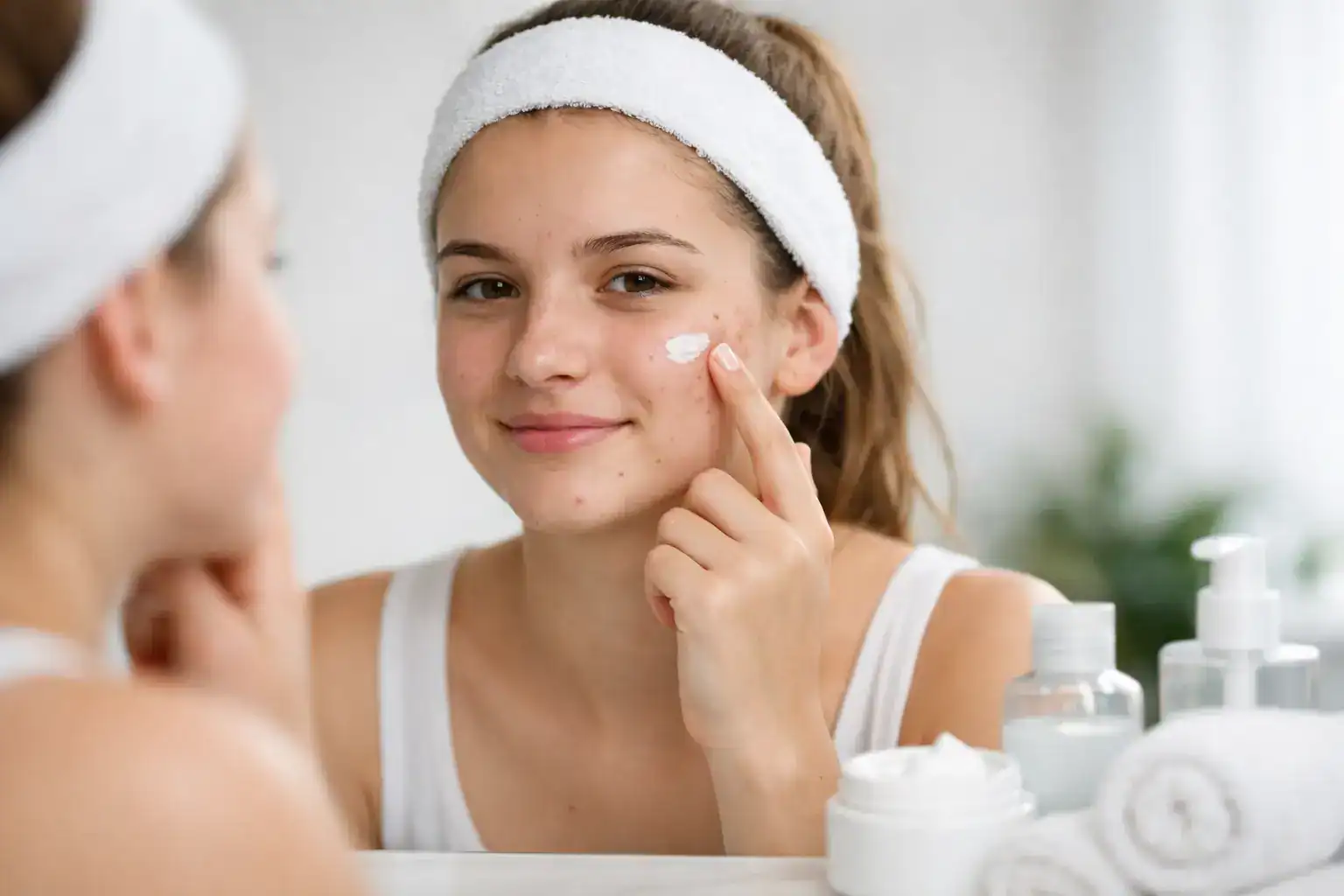
Hyperpigmentation is a common skin concern that causes dark spots, uneven skin tone, and discoloration. Whether triggered by sun exposure, acne scars, hormonal changes, or inflammation, stubborn pigmentation can affect the skin’s appearance and texture. Fortunately, choosing the best chemical peel for hyperpigmentation can help improve skin clarity, reduce visible dark spots, and promote a brighter, more even complexion.
Chemical peels work by exfoliating the skin using carefully formulated acids that remove damaged surface cells and encourage skin renewal. Depending on the type and strength, these treatments can improve superficial pigmentation and complement other dermatological treatments for deeper discoloration.
In this guide, we explore the best chemical peels for dark spots, their benefits, treatment options, expected results, and essential factors to consider before choosing a procedure.
What Is a Chemical Peel for Hyperpigmentation?
A chemical peel for hyperpigmentation is a professional skin resurfacing treatment designed to improve discoloration by removing layers of damaged skin cells. The procedure involves applying a chemical solution that exfoliates the skin, helping reveal a smoother, more evenly toned surface.
Chemical peels are commonly recommended for several pigmentation concerns, including:
- Post-inflammatory hyperpigmentation (PIH): Dark marks that develop after acne, burns, or skin irritation.
- Melasma: Brown or grayish patches often associated with hormonal changes and sun exposure.
- Sunspots: Darkened areas caused by prolonged ultraviolet exposure.
- Uneven skin tone: Irregular pigmentation resulting from environmental damage or inflammation.
- Acne-related dark spots: Persistent discoloration remaining after acne lesions heal.
We recommend understanding the underlying cause of pigmentation before selecting a peel, as different skin conditions respond to different treatments.
Best Chemical Peels for Hyperpigmentation and Dark Spots
Several chemical peeling agents can improve pigmentation, but their effectiveness depends on skin type, pigmentation depth, acid concentration, and treatment frequency.
1. Glycolic Acid Peel for Hyperpigmentation
A glycolic acid peel is one of the most widely used treatments for superficial hyperpigmentation. Derived from sugar cane, glycolic acid belongs to the alpha hydroxy acid (AHA) family and helps exfoliate dead skin cells.
Benefits of glycolic acid peels include:
- Improving mild dark spots and uneven pigmentation.
- Encouraging smoother skin texture.
- Supporting skin cell turnover.
- Reducing the appearance of superficial acne marks.
- Improving overall skin brightness.
Glycolic acid peels are often suitable for mild discoloration. However, stronger concentrations require professional supervision, especially for individuals with darker skin tones who may be more susceptible to post-inflammatory hyperpigmentation.
2. Salicylic Acid Peel for Acne-Related Hyperpigmentation
A salicylic acid chemical peel is particularly beneficial for people experiencing both acne and dark spots.
As a beta hydroxy acid (BHA), salicylic acid penetrates oily pores, helping remove excess sebum and dead skin cells.
Its benefits include reducing clogged pores, improving acne-prone skin, and gradually fading superficial post-acne discoloration.
We consider salicylic acid peels a useful option for individuals whose hyperpigmentation develops primarily after inflammatory acne. Treating active breakouts alongside pigmentation can help prevent additional dark spots.
3. Lactic Acid Peel for Sensitive Skin
A lactic acid peel offers relatively gentle exfoliation and is often considered for individuals with sensitive or dry skin.
Lactic acid is an AHA that helps loosen dead surface cells while supporting smoother skin texture.
Key advantages include:
- Gentle exfoliation for mild pigmentation.
- Improved skin softness and texture.
- Reduced appearance of superficial discoloration.
- Potential suitability for some sensitive skin types.
- Minimal downtime with appropriately selected superficial treatments.
Although lactic acid is generally gentler than many stronger peeling agents, irritation remains possible. Professional evaluation helps determine the appropriate concentration and treatment schedule.
4. Mandelic Acid Peel for Dark Skin Tones
A mandelic acid peel is frequently considered for individuals with darker skin tones or skin prone to irritation.
Mandelic acid has a larger molecular structure than glycolic acid, allowing it to penetrate the skin more slowly.
This property may make it better tolerated in some patients, particularly when conservative concentrations are used.
Mandelic acid can help improve mild hyperpigmentation, post-acne marks, and uneven skin texture. However, no chemical peel is completely risk-free for darker skin, and overly aggressive treatment may worsen discoloration.
5. Trichloroacetic Acid (TCA) Peel for Stubborn Pigmentation
A TCA chemical peel is a more intensive resurfacing option that may improve certain forms of persistent pigmentation.
Depending on its concentration and application, TCA can produce superficial or medium-depth peeling.
It may be considered for selected cases of sun damage and uneven skin tone, but deeper peels carry greater risks, including prolonged redness, scarring, and pigment changes.
We recommend that TCA peels be performed only by appropriately qualified medical professionals. They are not automatically the best choice for melasma or dark skin, where aggressive resurfacing can worsen pigmentation.
Which Chemical Peel Is Best for Different Types of Hyperpigmentation?
Choosing an effective treatment requires matching the peeling agent to the specific pigmentation concern.
| Skin concern | Chemical peel commonly considered |
|---|---|
| Mild dark spots | Glycolic acid peel |
| Acne-related hyperpigmentation | Salicylic acid peel |
| Sensitive skin with superficial discoloration | Lactic acid peel |
| Darker skin tones prone to irritation | Mandelic acid peel |
| Selected sunspots and persistent pigmentation | Professionally administered TCA peel |
| Melasma | Carefully selected superficial peels alongside medical skincare |
These recommendations are general. We emphasize that skin sensitivity, pigmentation depth, and individual risk factors should guide the final treatment choice.
For melasma, chemical peels are usually supplementary treatments rather than standalone solutions. Sunscreen and appropriate topical medications remain essential for managing recurrence.
Benefits of Chemical Peels for Hyperpigmentation
Professional chemical peeling can offer several cosmetic benefits when treatments are selected and performed appropriately.
Improved Skin Tone and Brightness
Chemical peels remove accumulated surface cells, helping reduce the appearance of certain dark spots and create a more uniform complexion.
Reduced Post-Acne Marks
Superficial peeling agents may gradually improve pigmentation left behind after acne inflammation. Continued acne management is important to prevent new discoloration.
Smoother Skin Texture
Exfoliation can improve surface roughness, leaving the skin feeling smoother and looking more refreshed.
Better Results From Combined Treatments
Chemical peels may complement dermatologist-prescribed pigmentation treatments, including azelaic acid, retinoids, or other suitable topical agents.
However, combining multiple active ingredients without professional guidance can increase irritation and worsen pigmentation.
How Many Chemical Peel Sessions Are Needed for Hyperpigmentation?
The number of sessions required depends on the pigmentation type, treatment strength, and individual skin response.
Mild superficial discoloration may begin improving after a few treatments, while more persistent pigmentation can require multiple sessions over several months.
Superficial chemical peels are commonly scheduled several weeks apart to allow appropriate skin recovery.
We recommend realistic expectations because hyperpigmentation rarely disappears after a single chemical peel, and some conditions, particularly melasma, are prone to recurrence.
Consistent sun protection and a suitable maintenance routine are often necessary to preserve improvements.
How to Choose the Best Chemical Peel for Hyperpigmentation
Selecting the right chemical peel involves more than choosing the strongest exfoliating acid. A suitable treatment should balance effectiveness, skin tolerance, and safety.
Important Factors to Consider Before Treatment
- Identify your pigmentation type: Determine whether discoloration results from acne, melasma, sun damage, or another cause.
- Understand your skin tone: Darker skin tones may have a higher risk of pigmentation changes following irritation.
- Evaluate skin sensitivity: Sensitive or compromised skin may require gentler treatment.
- Consider downtime: Superficial peels generally involve shorter recovery periods than medium-depth procedures.
- Consult a qualified dermatologist: Professional assessment helps determine the safest approach and appropriate treatment strength.
- Review your skincare routine: Certain medications and exfoliating products may require adjustments before and after treatment.
We encourage prioritizing gradual, controlled improvement rather than aggressive exfoliation, which can trigger additional inflammation and discoloration.
Chemical Peel Aftercare for Long-Lasting Results
Proper aftercare plays an important role in treatment recovery and pigmentation management.
Following a chemical peel, the skin may temporarily become more sensitive, dry, or prone to irritation.
To support healthy recovery, we recommend using a gentle cleanser, applying a suitable moisturizer, and following the treating clinician’s instructions.
Daily broad-spectrum SPF 30 or higher sunscreen is essential, particularly for individuals treating melasma, sunspots, or post-inflammatory hyperpigmentation. Tinted sunscreen containing iron oxides can provide additional protection against visible light, which may contribute to pigmentation in susceptible individuals.
Avoid picking peeling skin, applying harsh scrubs, or introducing strong active ingredients before the skin has recovered.
Persistent severe pain, blistering, spreading redness, or signs of infection require prompt medical assessment.
Are Chemical Peels Safe for All Skin Types?
Chemical peels can be effective across a range of skin tones, but safety depends on the peeling agent, concentration, application technique, and individual skin characteristics.
People with darker skin tones may be more susceptible to post-inflammatory hyperpigmentation after excessive irritation.
Additionally, individuals with active infections, impaired skin barriers, certain skin conditions, or a history of abnormal scarring may need alternative treatments or additional precautions.
We recommend avoiding unsupervised high-strength chemical peels, as incorrect application can cause burns, scarring, and permanent changes in pigmentation.
Professional Chemical Peels vs. At-Home Exfoliation
Professional chemical peels and at-home exfoliating products differ significantly in strength, application, and expected results.
Professional treatments allow clinicians to select concentrations and application techniques based on individual needs.
At-home products typically contain lower concentrations of exfoliating ingredients and may help improve mild uneven skin tone gradually.
However, stronger does not always mean better. Improperly used peeling solutions can damage the skin, particularly when combined with other exfoliants or used too frequently.
For persistent hyperpigmentation, we recommend professional assessment before attempting intensive treatments at home.
FAQs about Best Chemical Peel for Hyperpigmentation
1. What is the best chemical peel for hyperpigmentation?
The best chemical peel for hyperpigmentation depends on your skin type, pigmentation severity, and sensitivity. Glycolic acid, lactic acid, salicylic acid, and mandelic acid peels are commonly used to improve uneven skin tone and dark spots.
2. Do chemical peels remove hyperpigmentation permanently?
Chemical peels can significantly reduce dark spots and skin discoloration, but results are not always permanent. Sun exposure, hormonal changes, and acne can cause pigmentation to return. Consistent sunscreen use and proper skincare help maintain results.
3. Which chemical peel is best for dark skin?
Mandelic acid and lactic acid peels are often considered suitable options for darker skin tones when professionally administered. However, inappropriate peel strength or application can worsen pigmentation, making professional assessment essential.
4. How many chemical peel sessions are needed for hyperpigmentation?
Many patients require 3–6 chemical peel sessions to notice meaningful improvement, although the number varies depending on pigmentation depth, skin condition, and treatment response.
5. Is glycolic acid peel effective for hyperpigmentation?
Yes. Glycolic acid chemical peels exfoliate the skin’s surface and encourage cell turnover, helping improve superficial pigmentation, acne marks, and uneven skin tone.
6. Are chemical peels safe for sensitive skin?
Some superficial chemical peels may be suitable for sensitive skin. However, a dermatologist should assess your skin before recommending an appropriate acid concentration and treatment frequency.
7. How long does it take to see results from a chemical peel?
Initial improvements may become noticeable within one to two weeks, while more stubborn pigmentation often requires multiple treatments over several weeks or months.
8. What should I avoid after a chemical peel?
Avoid direct sun exposure, harsh exfoliants, picking peeling skin, and irritating skincare products. Apply broad-spectrum SPF 30 or higher daily and follow your dermatologist’s aftercare instructions.
Conclusion
The best chemical peel for hyperpigmentation depends on the underlying cause of discoloration, skin type, sensitivity, and treatment goals.
Glycolic acid peels are commonly considered for superficial dark spots, while salicylic acid peels may benefit acne-prone skin with post-inflammatory pigmentation. Lactic acid and mandelic acid peels can provide gentler alternatives for selected individuals, whereas TCA peels require greater caution and professional expertise.
We recommend combining appropriately selected chemical peels with consistent sun protection, gentle skincare, and dermatologist-guided treatment when necessary.
With the right approach, chemical peels can help reduce visible discoloration, improve skin texture, and support a clearer, more even-looking complexion.

