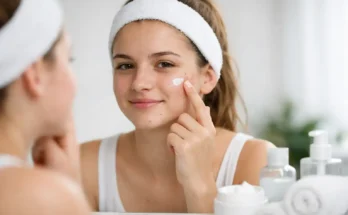
Choosing acne treatment for teenage skin involves balancing effectiveness, comfort and affordability. A teenager with occasional blackheads may need a different approach from someone experiencing painful breakouts, persistent inflammation or scarring. The most expensive product is not automatically the most suitable, and a complicated routine can become difficult to maintain.
We recommend comparing treatment options by their active ingredients, suitability for the teenager’s age and total ongoing cost. A practical budget should account for medication, essential skincare, consultations and any monitoring required. Understanding these expenses helps families choose a manageable plan without spending unnecessarily on products that serve the same purpose.
Treatment Options for Teenage Acne
Acne treatments target different problems, including blocked pores, bacteria and inflammation. Dermatology guidance supports several established ingredients, with the choice depending on acne severity and individual circumstances. Combination treatment may be appropriate when one ingredient does not address all the teenager’s symptoms.
Benzoyl Peroxide for Inflamed Pimples
Benzoyl peroxide reduces acne-causing bacteria and is commonly used for inflammatory breakouts. It is available in products such as washes and gels, although availability and purchasing requirements differ between countries.
Dryness and irritation can occur, so teenagers should follow the product instructions and seek advice if their skin becomes uncomfortable. Benzoyl peroxide can also bleach clothing, towels and bedding. Its purchase price should be considered alongside the amount used and how often the product needs replacing.
Topical Retinoids for Blocked Pores
Topical retinoids, including adapalene, help unclog pores and reduce inflammation. They may form part of a treatment plan for blackheads, whiteheads and other acne lesions. Adapalene is available without prescription in some countries, but local rules and product age restrictions should be checked.
Retinoids can cause irritation, particularly when treatment begins. They should not be used during pregnancy; a teenager who is pregnant or could become pregnant should discuss suitable alternatives with a clinician.
Salicylic Acid and Azelaic Acid
Salicylic acid and azelaic acid are additional options, although suitability depends on the skin concern and formulation. Salicylic acid is found in various acne products, while azelaic acid may be considered when other topical treatments cause difficulty.
We recommend checking the ingredient list before adding another product. Buying several cleansers, toners and serums containing overlapping acne ingredients can increase spending and make the routine harder to manage. A pharmacist or dermatologist can help identify which product has a useful role.
Prescription Antibiotics for More Persistent Acne
A clinician may prescribe topical or oral antibiotics for inflammatory acne when appropriate. Antibiotics should be used within a planned treatment regimen, rather than repeatedly purchased whenever breakouts return.
The American Academy of Dermatology recommends limiting oral antibiotic use and combining antibiotic treatment with benzoyl peroxide to help reduce antibiotic resistance. Families should therefore budget for the complete prescribed regimen and its review, rather than the antibiotic alone.
Isotretinoin for Severe Acne
Isotretinoin may be considered for severe acne or acne that has not responded to appropriate treatment. It requires medical supervision and an assessment of benefits, risks and monitoring needs.
The total expense may include specialist appointments, medication and blood tests. Isotretinoin must not be taken during pregnancy because it can seriously harm an unborn baby; pregnancy-prevention requirements apply when relevant. It should never be borrowed, shared or purchased as an unsupervised alternative to a consultation.
How Much Does Acne Treatment for Teenage Skin Cost?
There is no single reliable price for teenage acne treatment without knowing the country, provider, medication and severity of the condition. A pharmacy product and a specialist-supervised treatment course involve different expenses. Brand, pack size, prescription coverage and appointment fees also affect the amount a family pays.
Rather than relying on an advertised starting price, we recommend requesting a breakdown of the expected costs.
Main Expenses to Include in an Acne Treatment Budget
| Expense | What to check before paying |
|---|---|
| Acne medication | Active ingredient, strength, pack size and replacement frequency |
| Essential skincare | Whether existing cleanser, moisturiser and sunscreen are suitable |
| Initial consultation | Whether assessment and a written treatment plan are included |
| Follow-up appointments | Expected frequency and separate charges |
| Laboratory monitoring | Whether the prescribed treatment requires tests |
| Optional procedures | Purpose, number of sessions and whether they are necessary |
The first month may involve purchasing several items together. Later spending may be lower if products last longer than a month, or higher if the treatment plan changes. Asking how long each item should last makes comparisons more useful than looking at the shelf price alone.
Comparing Affordable Teenage Acne Treatment Options
Affordability should reflect whether a family can maintain the treatment for the recommended period. A low initial price offers little value if the product is unsuitable, difficult to use or repeatedly replaced by another purchase.
Practical Ways to Control Treatment Costs
- Compare equivalent products: Check the active ingredient, concentration and quantity rather than the brand name alone.
- Ask about generic prescriptions: A clinician or pharmacist can confirm whether a suitable lower-cost version is available.
- Avoid duplicate purchases: Several products may contain the same ingredient without adding a clear benefit.
- Request itemised clinic fees: Separate consultation, medication, testing and procedure charges.
- Check insurance or public healthcare access: Confirm coverage, eligibility and any out-of-pocket payments.
- Budget for reviews: Include the cost of checking progress and adjusting treatment.
We also recommend buying from established pharmacies or reputable suppliers. When comparing online prices, include delivery charges and check the product’s expiry date, packaging and storage instructions.
A Simple Skincare Routine That Supports Treatment
Supporting skincare matters because some acne medicines can leave skin dry or irritated. A non-comedogenic moisturiser can help skin tolerate treatment; oily skin may still need moisturising. aad.org
Essential Products to Discuss With a Pharmacist or Clinician
A manageable routine usually centres on:
- A gentle cleanser suitable for the teenager’s skin.
- The selected acne treatment, used according to its instructions.
- A suitable moisturiser to support comfort.
- Sun protection, particularly when prescribed medicines increase sensitivity to sunlight. Treatment
Families do not need to purchase every item marketed for acne-prone skin. Before replacing existing skincare, check whether it already meets the treatment plan’s requirements. Keeping the routine understandable also helps a teenager know which product to use, when to apply it and when to ask for advice.
How Long Should Teenage Acne Treatment Take?
Acne treatment needs consistency and time. Some treatments require several weeks before improvement becomes noticeable, and the clinician may recommend continuing treatment or reviewing the plan after an initial course. Switching products every few days makes it difficult to assess their usefulness. Treatment
We recommend recording the start date, keeping the instructions accessible and noting any side effects. Progress photographs taken in similar lighting can help families describe changes during a review. The aim is to provide a clear account of what has been used and how the skin has responded.
When a Teenager Should See a Dermatologist
Deep, painful breakouts or acne that leaves scars warrant professional assessment. These problems may require treatment beyond an over-the-counter routine. aad.org
A consultation is also an opportunity to discuss treatment difficulties, persistent irritation and the effect acne has on confidence or daily life. We recommend involving the teenager in these discussions so that the plan reflects their concerns and is realistic for their schedule.
Questions to Ask Before Starting Treatment
Before paying for a treatment plan, ask:
- What type of acne is being treated?
- Which products are essential?
- What improvement should we expect, and when?
- Which side effects require medical advice?
- What will the full course and follow-up cost?
- What happens if the first treatment is unsuccessful?
FAQs about Acne Treatment for Teenage Skin: Cost and Options
1. What is the best acne treatment for teenage skin?
The best treatment depends on the type and severity of acne. Common options include benzoyl peroxide, salicylic acid, topical retinoids, prescription antibiotics, and dermatologist-supervised treatments.
2. How much does teenage acne treatment cost?
The cost of acne treatment for teenagers varies depending on the treatment chosen, location, insurance coverage, and whether prescription medication or specialist care is required. Over-the-counter products are generally less expensive than dermatologist visits and clinical procedures.
3. Are over-the-counter acne treatments effective for teenagers?
Yes. Mild teenage acne may improve with products containing salicylic acid, benzoyl peroxide, or adapalene. Consistent use is important, as results may take several weeks.
4. When should a teenager see a dermatologist for acne?
Professional care may be appropriate when acne is severe, painful, causing scars, affecting confidence, or failing to improve with over-the-counter treatment.
5. What prescription options are available for teenage acne?
Depending on the condition, a healthcare professional may recommend topical retinoids, topical or oral antibiotics, hormonal treatments, or other prescription therapies.
6. Are acne procedures available for teenagers?
Yes. Dermatologists may recommend procedures such as chemical peels, acne extractions, light-based treatments, or treatments for acne scars when clinically appropriate.
7. How can families choose an affordable acne treatment option?
We recommend comparing consultation fees, medication costs, insurance benefits, generic prescription options, and follow-up expenses. The most affordable approach is one that provides safe, consistent, and appropriate treatment for the teenager’s specific skin needs.
Conclusion
The best approach to acne treatment for teenage skin cost and options is to match the treatment to the teenager’s needs and understand the complete expense before starting. We recommend prioritising established treatments, a manageable skincare routine and appropriate professional assessment. Clear instructions and planned reviews help families spend purposefully while giving treatment a fair opportunity to work.