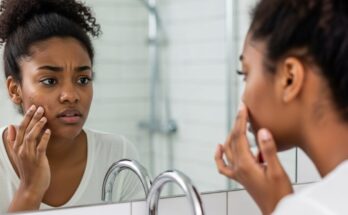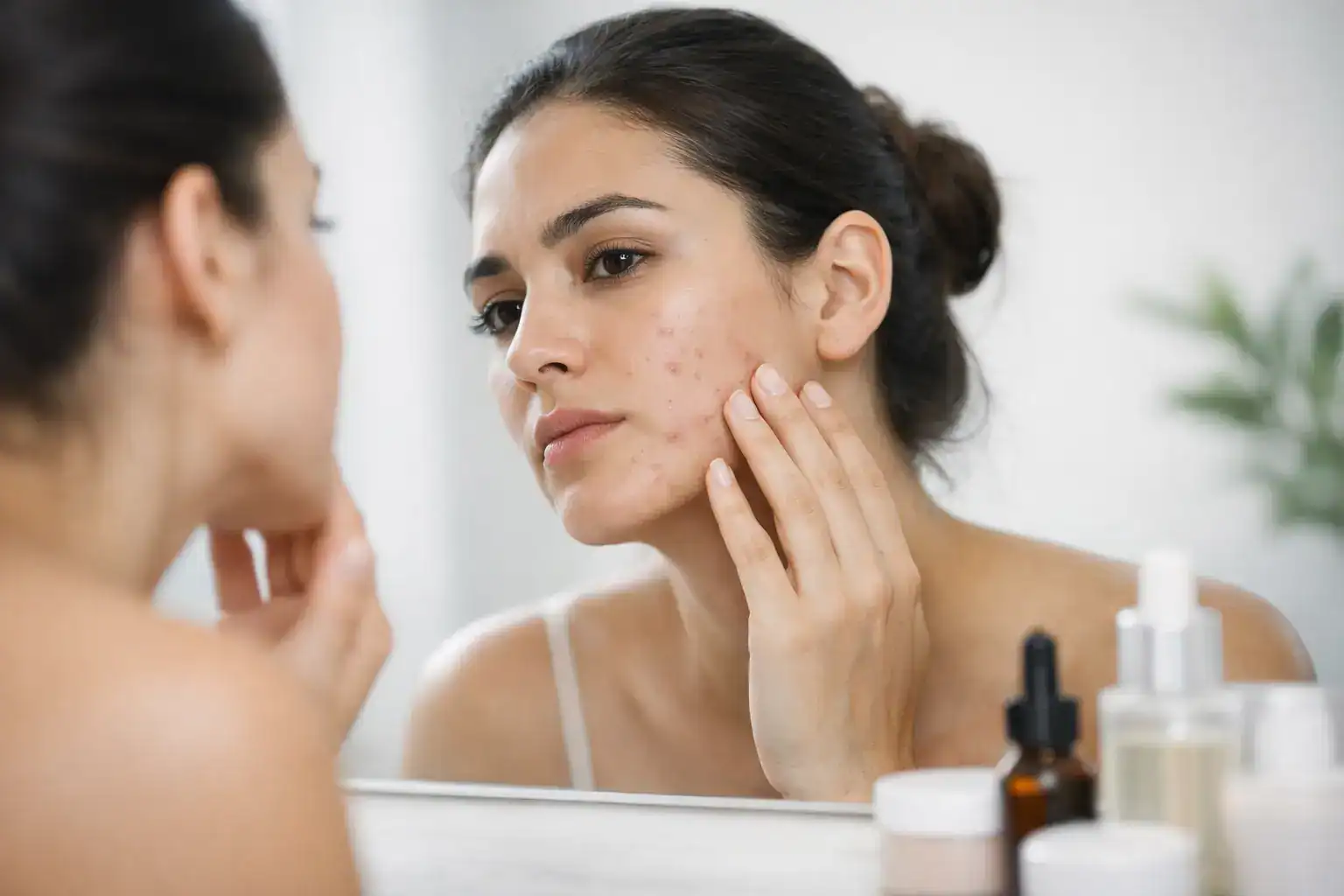
Hyperpigmentation is a common skin concern that causes dark spots, uneven skin tone, and patches of discoloration. Whether caused by acne scars, sun exposure, hormonal changes, or melasma, stubborn pigmentation can affect the skin’s overall appearance. Fortunately, a chemical peel for hyperpigmentation can help improve skin tone, reduce visible dark spots, and promote a brighter complexion.
Understanding the chemical peel for hyperpigmentation cost and options is essential when choosing an effective treatment. We explore the different types of chemical peels, their prices, benefits, recovery periods, and the factors influencing treatment costs.
What Is a Chemical Peel for Hyperpigmentation?
A chemical peel is a cosmetic skin treatment that uses carefully formulated acids to exfoliate damaged outer skin layers and encourage skin renewal. This process helps reduce excess pigmentation and improves skin texture.
Chemical peels may be recommended for several pigmentation concerns, including:
- Post-inflammatory hyperpigmentation: Dark spots caused by acne, injuries, or skin inflammation.
- Sun damage: Uneven pigmentation resulting from prolonged ultraviolet exposure.
- Melasma: Brown or greyish patches commonly associated with hormonal changes and sunlight.
- Age spots: Dark patches that develop after years of sun exposure.
- Uneven skin tone: Discoloration caused by accumulated dead skin cells and excess melanin.
We recommend professional skin assessments before treatment because the ideal chemical peel depends on pigmentation severity, skin sensitivity, and individual skin characteristics.
How Much Does a Chemical Peel for Hyperpigmentation Cost?
The cost of chemical peels for hyperpigmentation varies according to treatment depth, geographical location, provider expertise, and the number of sessions required.
Average Chemical Peel Prices by Treatment Type
| Chemical Peel Type | Estimated Cost Per Session (USD) | Treatment Depth |
|---|---|---|
| Glycolic Acid Peel | $100–$300 | Superficial |
| Salicylic Acid Peel | $100–$250 | Superficial |
| Lactic Acid Peel | $75–$200 | Superficial |
| Mandelic Acid Peel | $100–$250 | Superficial |
| Jessner’s Peel | $150–$350 | Superficial to medium |
| TCA Chemical Peel | $200–$600 | Superficial to medium, depending on formulation |
| Deep Chemical Peel | $1,000–$3,000+ | Deep |
These are illustrative US price ranges rather than verified clinic quotations. Actual fees vary considerably, and deeper procedures may cost substantially more.
Superficial chemical peels generally cost less than medium or deep treatments. However, patients may require multiple sessions to achieve noticeable improvements.
When comparing prices, we consider the total treatment cost, including consultation fees, aftercare products, follow-up visits, and additional sessions.
Best Chemical Peel Options for Hyperpigmentation
Different chemical peels target discoloration through varying exfoliation mechanisms. Choosing the right treatment depends on pigmentation type, skin tone, and tolerance.
1. Glycolic Acid Peel for Dark Spots
Glycolic acid is an alpha-hydroxy acid (AHA) widely used to improve uneven skin tone and surface pigmentation.
Its small molecular structure allows effective exfoliation, making it a popular treatment for sun spots and post-acne discoloration.
Key benefits include:
- Reducing the appearance of superficial dark spots.
- Improving uneven skin texture.
- Supporting smoother-looking skin.
- Promoting gradual skin renewal.
Glycolic acid peels are commonly performed in a series, with concentrations and treatment intervals adjusted according to skin response.
2. Salicylic Acid Peel for Acne Hyperpigmentation
Salicylic acid is a beta-hydroxy acid (BHA) particularly useful for oily and acne-prone skin.
It penetrates oily pores, helping remove accumulated debris while exfoliating the skin’s surface.
We consider salicylic acid peels when hyperpigmentation occurs alongside clogged pores and acne breakouts.
Benefits include improved pore appearance, reduced congestion, and gradual fading of post-acne marks.
3. Mandelic Acid Peel for Sensitive and Darker Skin Tones
Mandelic acid is an AHA with a larger molecular structure than glycolic acid, which may allow more gradual surface penetration.
It is often considered for sensitive skin and individuals with darker complexions who may be more susceptible to post-inflammatory pigmentation.
However, no chemical peel is entirely risk-free. Appropriate strength, preparation, application, and aftercare remain essential.
4. Lactic Acid Peel for Mild Hyperpigmentation
Lactic acid peels offer gentle exfoliation and are frequently used for mild pigmentation and rough skin texture.
They may be suitable for individuals seeking gradual improvement with relatively limited downtime.
We typically consider lighter formulations when skin sensitivity or dryness makes more intensive exfoliation undesirable.
5. TCA Chemical Peel for Stubborn Pigmentation
Trichloroacetic acid (TCA) peels can provide more intensive exfoliation depending on their concentration and application.
They may improve selected pigmentation concerns, but medium-depth TCA peels carry greater risks, including prolonged redness, scarring, and changes in skin color.
Professional assessment is especially important for darker skin tones and patients with melasma, as excessive inflammation can worsen pigmentation.
Factors That Affect Chemical Peel Treatment Costs
Several factors determine the final price of professional chemical peel treatment.
- Peel strength and depth: Medium and deep peels typically require greater expertise and monitoring.
- Clinic location: Treatment prices vary between cities, countries, and healthcare facilities.
- Provider qualifications: Dermatologists and experienced medical professionals may charge higher consultation and procedure fees.
- Number of sessions: Multiple superficial peels can increase overall treatment costs.
- Treatment area: Full-face treatments may cost differently from procedures involving the neck, chest, or hands.
- Additional skincare: Sunscreen, pigment-control treatments, and post-peel moisturizers may contribute to expenses.
We encourage patients to request an itemized treatment quotation before committing to a package.
How Many Chemical Peel Sessions Are Needed for Hyperpigmentation?
The number of sessions depends on the depth, cause, and persistence of discoloration.
Mild superficial pigmentation may improve after several sessions, while persistent post-inflammatory hyperpigmentation or melasma may require longer-term management.
Superficial chemical peels are often scheduled several weeks apart, depending on the product and individual recovery.
Chemical peels do not guarantee permanent pigmentation removal. Melasma, in particular, frequently recurs and may require ongoing sun protection and topical treatments.
Chemical Peel Recovery Time and Aftercare
Recovery varies according to peel depth.
| Peel Depth | Typical Recovery Expectations |
|---|---|
| Superficial | Mild redness, dryness, or flaking for several days |
| Medium | More noticeable peeling and healing over approximately 1–2 weeks |
| Deep | Several weeks of initial recovery, with redness potentially lasting longer |
Proper aftercare is important for reducing complications and maintaining results.
We recommend following the treating clinician’s instructions, using gentle skincare products, avoiding picking or peeling the skin, and applying broad-spectrum SPF 30 or higher sunscreen daily.
Patients with melasma may also benefit from tinted sunscreen containing iron oxides because visible light can contribute to pigmentation.
Are Chemical Peels Safe for Dark Skin?
Chemical peels can be performed on darker skin tones, but treatment selection requires additional care.
Darker skin may be more susceptible to post-inflammatory hyperpigmentation following aggressive exfoliation or excessive irritation.
For this reason, we emphasize cautious peel selection, appropriate pretreatment, and professional supervision.
Superficial peels are often preferred initially. Deep chemical peels are generally unsuitable for many individuals with darker skin tones because of their increased risk of lasting pigmentation changes.
How to Choose an Affordable Chemical Peel for Hyperpigmentation
Finding an affordable treatment involves comparing more than the advertised session price.
Important Considerations Before Booking
We recommend evaluating the following:
- Professional qualifications: Choose a qualified dermatologist or appropriately trained medical practitioner.
- Skin assessment: Confirm that the recommended peel addresses your particular pigmentation concern.
- Transparent pricing: Request details about consultation costs, treatment packages, and aftercare.
- Skin tone experience: Prioritize providers experienced in treating pigmentation across different complexions.
- Expected results: Discuss realistic improvements, treatment limitations, and possible complications.
- Recovery requirements: Select a procedure that fits your lifestyle and available downtime.
The lowest-priced option is not necessarily the most economical if unsuitable treatment leads to complications or additional corrective procedures.
Chemical Peel vs. Laser Treatment for Hyperpigmentation
Both chemical peels and laser procedures can improve certain pigmentation concerns, but they operate differently.
Chemical peels use exfoliating solutions to remove targeted skin layers, while lasers deliver controlled energy to specific skin structures.
Chemical peels generally have a lower upfront price than many laser treatments. However, laser procedures may be appropriate for particular pigmentation conditions.
Neither treatment is universally superior. In patients with melasma or darker skin, inappropriate laser settings or aggressive chemical peels may worsen discoloration.
We recommend selecting treatment based on diagnosis rather than price alone.
How to Maintain Results After a Chemical Peel
Long-term results depend on controlling the factors responsible for pigmentation.
Consistent sun protection is especially important because ultraviolet radiation can stimulate melanin production and cause dark spots to return.
A suitable maintenance routine may include dermatologist-recommended ingredients such as azelaic acid, niacinamide, retinoids, or prescribed pigment-reducing treatments.
We also recommend avoiding harsh exfoliation, addressing active acne, and maintaining adequate skin hydration.
FAQs about Chemical Peel for Hyperpigmentation Cost and Options
1. How Much Does a Chemical Peel for Hyperpigmentation Cost?
The cost of a chemical peel for hyperpigmentation typically ranges from $100 to $600 per session for superficial and medium-depth treatments in the United States. Prices vary depending on the peel type, clinic location, and dermatologist’s expertise.
2. Which Chemical Peel Is Best for Hyperpigmentation?
The best chemical peel for hyperpigmentation depends on your skin type and pigmentation severity. Glycolic acid, lactic acid, salicylic acid, and carefully selected Jessner’s peels are common options for treating dark spots and uneven skin tone.
3. How Many Chemical Peel Sessions Are Needed for Hyperpigmentation?
Most patients require 3 to 6 chemical peel sessions for noticeable improvement, although results vary. We recommend consulting a qualified dermatologist to develop a personalized treatment plan.
4. Are Chemical Peels Worth the Cost for Dark Spots?
Chemical peels can be a worthwhile investment for improving dark spots, acne marks, and uneven skin tone. However, effectiveness depends on the underlying cause of pigmentation, treatment selection, and proper skincare maintenance.
5. What Is the Most Affordable Chemical Peel for Hyperpigmentation?
Superficial chemical peels, including glycolic acid and lactic acid peels, are generally among the most affordable options. They usually require minimal downtime but may need multiple sessions.
6. Are Chemical Peels Safe for Dark Skin?
Yes, chemical peels can be suitable for darker skin tones when properly selected and administered. However, stronger peels may increase the risk of post-inflammatory hyperpigmentation, making professional assessment essential.
7. How Long Do Chemical Peel Results Last?
Results may last several months or longer, depending on the pigmentation condition and skincare routine. We recommend daily broad-spectrum SPF 30 or higher sunscreen to help maintain results and prevent new dark spots.
Conclusion
Understanding chemical peel for hyperpigmentation cost and options allows patients to make informed decisions about their skincare treatments.
Glycolic, salicylic, mandelic, and lactic acid peels offer different approaches to managing superficial pigmentation, while stronger formulations require additional precautions.
We recommend prioritizing professional expertise, skin compatibility, realistic treatment expectations, and proper aftercare over price alone.
With an appropriate treatment plan and consistent sun protection, chemical peels can contribute to a more even-looking complexion and a noticeable reduction in selected types of hyperpigmentation.