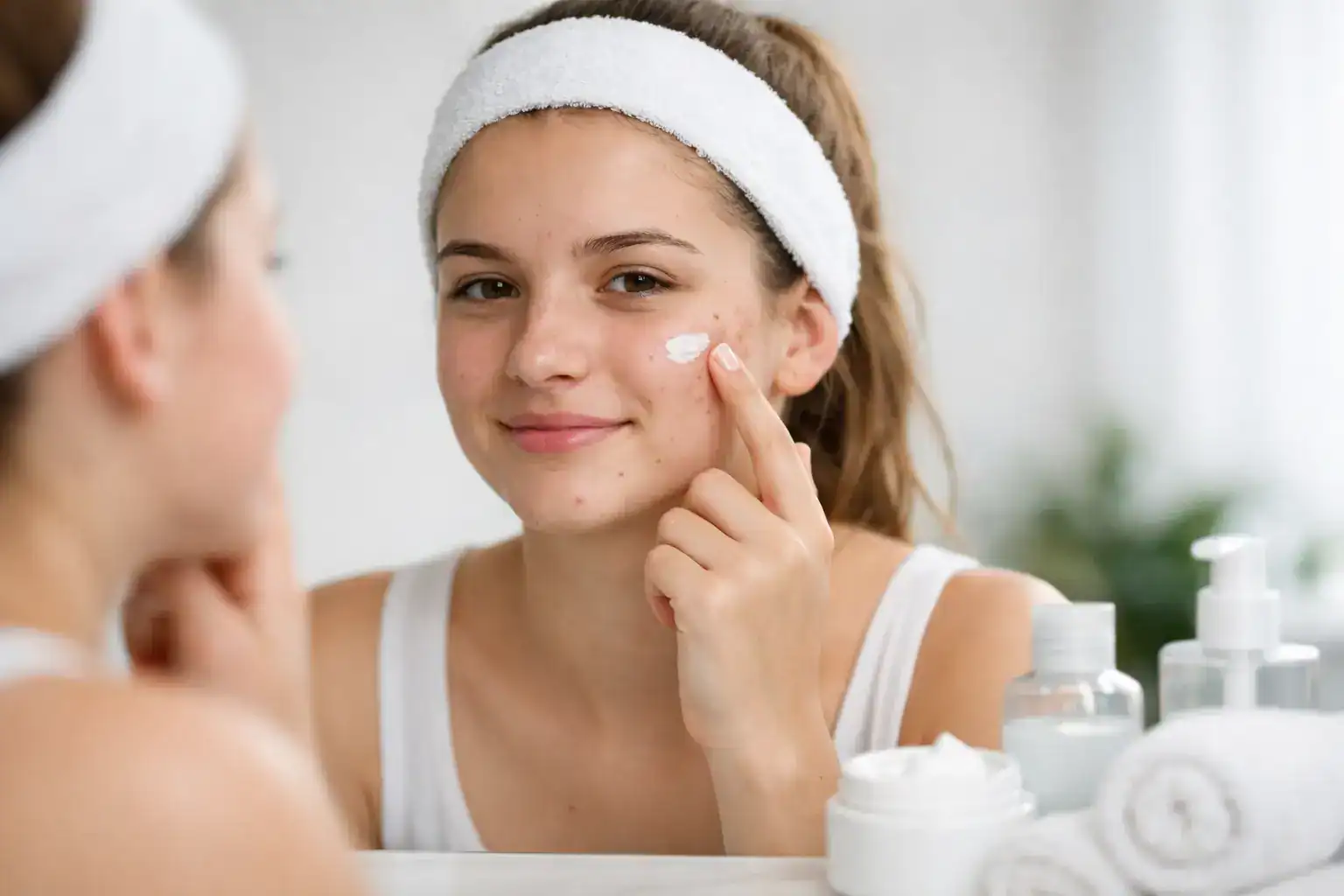
Melasma is a common skin condition that causes dark, uneven patches, particularly on the cheeks, forehead, nose, and upper lip. Although it can affect anyone, women are more likely to develop melasma due to hormonal changes, pregnancy, sun exposure, and genetic factors. Finding the best melasma treatment for women requires understanding the underlying causes, choosing effective skincare ingredients, and following a consistent treatment routine.
We recommend a personalized approach that combines dermatologist-recommended melasma treatments, daily sun protection, and gentle skincare practices. With appropriate treatment, women can achieve noticeable improvements in pigmentation, maintain healthier-looking skin, and reduce the likelihood of recurring dark patches.
What Is Melasma and Why Does It Affect Women?
Melasma is a pigmentation disorder characterized by brown, gray-brown, or occasionally bluish-gray patches on the skin. It develops when melanocytes, the cells responsible for producing melanin, become overactive and create excess pigment.
Women are particularly susceptible to melasma because of hormonal fluctuations involving estrogen and progesterone. These changes can increase the skin’s sensitivity to sunlight and contribute to uneven pigmentation.
Common Causes of Melasma in Women
Understanding what triggers pigmentation helps us identify the most suitable treatment options. Common contributing factors include:
- Hormonal changes: Pregnancy, hormonal contraceptives, and certain hormone therapies may trigger melasma.
- Sun exposure: Ultraviolet radiation stimulates melanin production and can worsen existing dark patches.
- Genetic predisposition: Women with a family history of melasma may have a higher risk.
- Visible light exposure: Visible light, particularly from sunlight, can contribute to pigmentation in darker skin tones.
- Skin irritation: Harsh skincare products and irritating treatments may worsen discoloration.
We emphasize identifying and managing these triggers because successful melasma treatment for women involves both reducing existing pigmentation and preventing further darkening.
Best Melasma Treatment for Women: Top Dermatologist-Recommended Options
Several treatments can improve melasma, but their effectiveness depends on skin type, pigmentation severity, medical history, and individual sensitivity. We recommend selecting evidence-based treatments rather than relying on unverified skin-lightening products.
1. Hydroquinone for Stubborn Melasma
Hydroquinone is a well-established topical treatment for melasma. It works by inhibiting tyrosinase, an enzyme involved in melanin production, helping gradually lighten dark patches.
Dermatologists may prescribe hydroquinone-containing creams for moderate to severe pigmentation. Treatment is generally used for a limited period under professional supervision because prolonged or inappropriate use can cause irritation and, rarely, exogenous ochronosis, a form of persistent discoloration.
We recommend professional guidance before starting hydroquinone, particularly for women who are pregnant, breastfeeding, or experiencing sensitive skin.
2. Azelaic Acid for Gentle Pigmentation Control
Azelaic acid is a useful option for women seeking melasma treatment with a relatively favorable tolerability profile. It helps reduce excess pigmentation while offering anti-inflammatory benefits.
This ingredient may be particularly beneficial for women experiencing melasma alongside acne or inflammation-related discoloration.
Azelaic acid can:
- Reduce the appearance of dark patches.
- Help improve uneven skin tone.
- Support the management of acne-related pigmentation.
- Provide an alternative for women who cannot tolerate stronger treatments.
We often consider azelaic acid an appropriate option for sensitive skin, although redness, dryness, or temporary stinging may occur. Women who are pregnant or breastfeeding should confirm product suitability with their healthcare professional.
3. Tretinoin and Retinoids for Skin Renewal
Topical retinoids, including tretinoin, promote skin-cell turnover and may gradually improve pigmentation. They are sometimes used alongside other prescription ingredients to enhance melasma treatment.
Tretinoin is also included in some prescription combination creams containing hydroquinone and a mild corticosteroid.
Although effective for selected patients, retinoids can cause dryness, peeling, and irritation. Topical retinoids should be avoided during pregnancy, and women planning pregnancy should discuss their skincare routine with a healthcare professional.
4. Tranexamic Acid for Persistent Melasma
Tranexamic acid has gained attention as a treatment option for difficult-to-manage melasma. It is available in topical formulations and may also be prescribed orally by dermatologists for selected patients.
Topical tranexamic acid may help improve pigmentation, while oral treatment requires careful medical assessment because of potential risks, including blood clots.
We recommend that women considering oral tranexamic acid undergo professional screening, especially if they have a history of thrombosis or other clotting risk factors.
5. Chemical Peels for Uneven Skin Tone
Superficial chemical peels may support melasma treatment by removing surface skin cells and improving the appearance of pigmentation.
Dermatologists may use carefully selected formulations containing glycolic acid, lactic acid, or other exfoliating ingredients.
However, aggressive exfoliation can cause inflammation and worsen pigmentation, particularly in darker skin tones. We therefore recommend professionally supervised procedures rather than strong at-home chemical peels.
6. Laser and Light-Based Treatments
Laser treatments may be considered for resistant melasma when topical medications and preventive skincare have not delivered sufficient improvement.
Certain laser and light-based procedures target excess pigment, but results can vary. Some patients experience rebound pigmentation, recurrence, or post-inflammatory hyperpigmentation.
We recommend consulting a dermatologist experienced in treating melasma across different skin tones before choosing laser therapy.
How to Choose the Best Melasma Treatment for Your Skin Type
Selecting an effective melasma treatment requires more than choosing a popular skincare product. We recommend considering skin sensitivity, pigmentation severity, hormonal factors, and treatment safety.
| Skin concern | Treatment options to discuss |
|---|---|
| Mild melasma | Azelaic acid, sun protection, gentle skincare |
| Moderate melasma | Prescription hydroquinone or combination therapy |
| Sensitive skin | Azelaic acid and non-irritating skincare |
| Persistent melasma | Dermatologist-supervised combination treatments |
| Pregnancy-related melasma | Sun protection and pregnancy-compatible topical options |
| Recurrent melasma | Long-term maintenance treatment and strict photoprotection |
A dermatologist can assess whether pigmentation is caused by melasma or another condition that requires a different treatment approach.
Best Skincare Routine for Women With Melasma
A consistent skincare routine is essential for managing melasma and protecting treatment results. We recommend combining effective pigmentation-control ingredients with products that preserve the skin barrier.
Morning Skincare Routine
Begin with a gentle cleanser that removes dirt and excess oil without stripping the skin of moisture.
Apply a suitable treatment serum or cream, followed by a moisturizer that supports the skin barrier.
Finish with broad-spectrum SPF 50+ sunscreen, preferably a tinted formulation containing iron oxides. Tinted sunscreens offer additional protection against visible light that can worsen melasma, especially in women with medium to deep skin tones.
Evening Skincare Routine
Cleanse the skin gently to remove sunscreen, makeup, and environmental impurities.
Apply any dermatologist-prescribed pigmentation treatment according to its instructions. Follow with a nourishing moisturizer to reduce dryness and support skin recovery.
We recommend avoiding multiple strong active ingredients in the same routine unless a dermatologist has advised their combined use.
Natural Melasma Treatment for Women: What Actually Helps?
Many women search for natural melasma treatments because they prefer gentle alternatives to prescription creams. However, natural ingredients do not automatically provide safer or more effective results.
Some ingredients, including licorice extract and certain antioxidant formulations, have preliminary evidence suggesting potential pigmentation benefits. Nevertheless, research supporting them is generally less established than that supporting standard medical treatments.
We recommend avoiding homemade treatments involving lemon juice, baking soda, or harsh scrubs because they can irritate the skin and potentially worsen discoloration.
For women seeking a gentler approach, combining dermatologist-approved topical products with consistent sun protection is generally more reliable than using untested home remedies.
How Long Does Melasma Treatment Take to Show Results?
Melasma treatment requires patience because pigmentation develops through complex biological processes and may persist even after the original trigger has been reduced.
Some women begin noticing improvements after approximately 8–12 weeks of consistent treatment, while others require several months of care.
The time needed depends on the depth of pigmentation, the chosen treatment, hormonal influences, and sun exposure.
We recommend monitoring improvements gradually rather than changing products frequently. Consistent treatment and preventive skincare generally offer a better long-term strategy than aggressive attempts to lighten the skin quickly.
How to Prevent Melasma From Returning
Melasma frequently recurs, particularly when the skin is exposed to sunlight or hormonal triggers remain active. Preventive skincare is therefore an important part of long-term management.
Essential Melasma Prevention Tips for Women
We recommend the following measures to help maintain treatment results:
- Apply sunscreen daily: Choose broad-spectrum SPF 50+ protection and reapply approximately every two hours while outdoors.
- Use tinted sunscreen: Look for products containing iron oxides to help protect against visible light.
- Avoid excessive sun exposure: Seek shade and wear wide-brimmed hats when spending time outside.
- Maintain a gentle skincare routine: Avoid products that cause burning, excessive peeling, or persistent redness.
- Discuss hormonal triggers: Speak with a healthcare professional if melasma develops after starting hormonal medication.
- Follow maintenance recommendations: Continue prescribed maintenance skincare when appropriate to reduce recurrence.
We emphasize that preventive care remains important even after dark patches have faded significantly.
When Should Women See a Dermatologist for Melasma?
Professional assessment is recommended when pigmentation persists, spreads, worsens, or does not respond to an appropriate skincare routine.
We also recommend consulting a dermatologist when dark patches appear suddenly, have unusual features, or are accompanied by other skin changes.
A specialist can evaluate the pigmentation pattern, confirm the diagnosis, and recommend treatments suited to individual skin needs.
Women who are pregnant, breastfeeding, or planning pregnancy should receive appropriate guidance before using prescription pigmentation treatments.
FAQs about Best Melasma Treatment for Women
1. What is the best melasma treatment for women?
The best melasma treatment for women often includes topical treatments such as hydroquinone, azelaic acid, or prescription triple-combination creams. Dermatologists recommend treatments based on skin type, pigmentation severity, and hormonal factors.
2. Can melasma be permanently cured?
Melasma is a chronic skin condition that can improve significantly with proper treatment. However, recurrence is possible, especially with sun exposure or hormonal changes. Consistent skincare and sun protection help maintain results.
3. What causes melasma in women?
Melasma commonly develops due to hormonal fluctuations, pregnancy, birth control pills, genetic factors, and sun exposure. These factors stimulate excess melanin production, causing dark patches on the face.
4. Which skincare ingredients work best for melasma?
Effective ingredients include azelaic acid, hydroquinone, tranexamic acid, vitamin C, and niacinamide. Their suitability depends on individual skin needs, and stronger treatments require professional guidance.
5. How long does melasma treatment take to show results?
Most women notice visible improvements within 8–12 weeks, although deeper pigmentation may require several months of consistent treatment.
6. Is laser treatment effective for melasma?
Laser treatments may improve stubborn pigmentation in selected patients. However, they can sometimes worsen melasma, particularly in darker skin tones. Dermatologist supervision is essential.
7. Can pregnant or breastfeeding women treat melasma?
Yes, but treatment options are limited. Azelaic acid and mineral sunscreen are commonly considered suitable during pregnancy. Women should consult healthcare professionals before using prescription products.
8. How can women prevent melasma from returning?
We recommend applying broad-spectrum SPF 30–50+ sunscreen daily, preferably tinted with iron oxides, avoiding excessive sun exposure, and maintaining a gentle skincare routine.
Conclusion
The best melasma treatment for women combines evidence-based skincare, consistent sun protection, and professional treatment when necessary. Ingredients such as hydroquinone, azelaic acid, tretinoin, and tranexamic acid may improve pigmentation, while carefully selected procedures can help certain patients with stubborn melasma.
We recommend prioritizing treatments suited to individual skin types and avoiding harsh products that may trigger further discoloration. Most importantly, we encourage women to maintain a consistent skincare routine, protect their skin from ultraviolet and visible light, and seek dermatologist guidance for persistent pigmentation.
With the right approach, women can achieve more even-looking skin, reduced dark patches, and longer-lasting improvements in their complexion.

