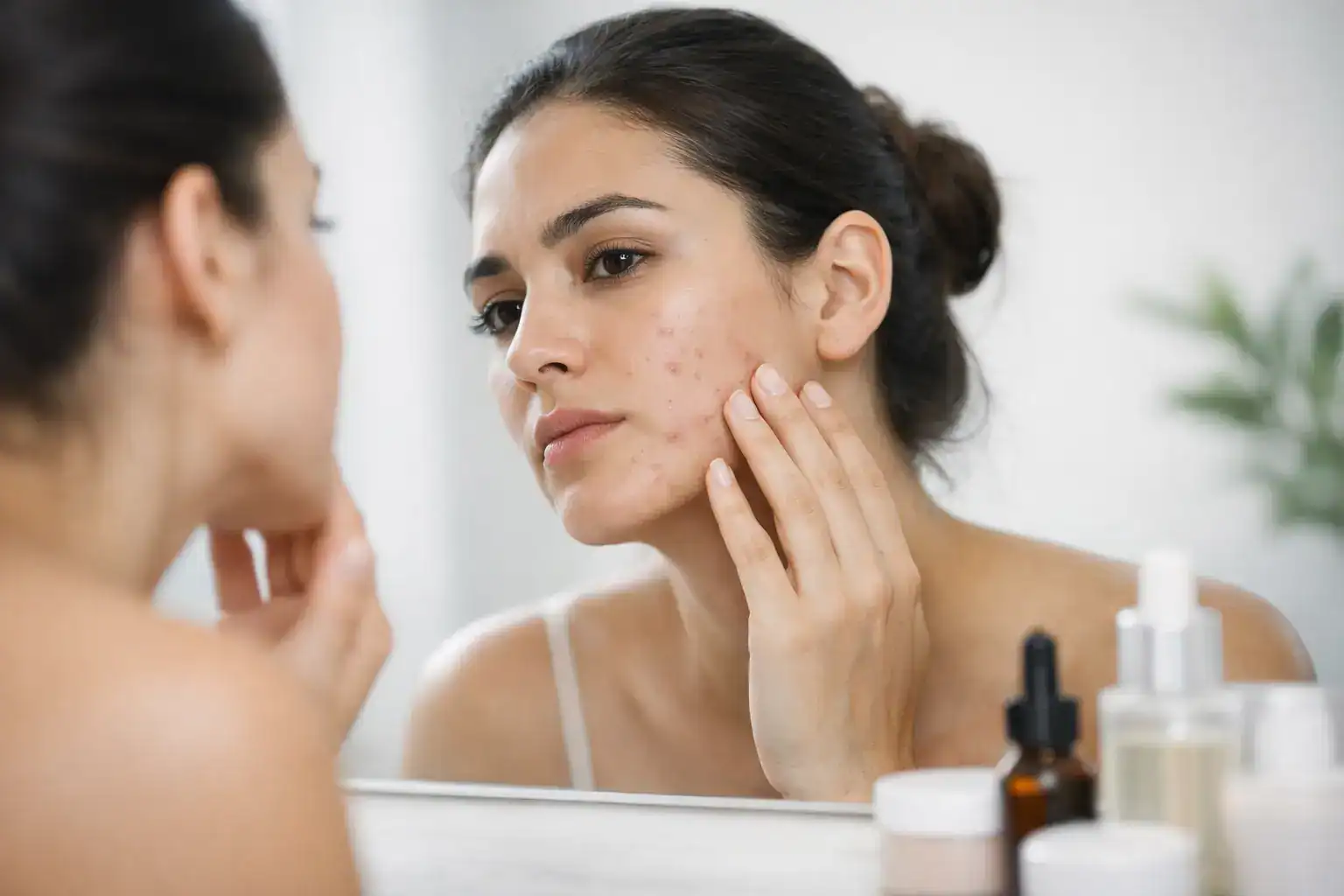
Melasma is a common skin condition that causes dark, uneven patches on the face, particularly around the cheeks, forehead, nose, and upper lip. Although melasma is generally harmless, it can affect skin appearance and confidence. Finding an affordable melasma treatment for face near me is an important step toward achieving a clearer, brighter, and more even complexion without spending excessively on skincare procedures.
We understand that effective melasma treatment requires a combination of appropriate skincare products, professional guidance, and consistent sun protection. Fortunately, several budget-friendly melasma treatment options can help reduce facial pigmentation and prevent further discoloration.
In this guide, we explore affordable melasma treatments, their benefits, potential costs, and practical ways to choose suitable treatment options for different skin types.
What Is Melasma and What Causes It on the Face?
Melasma is a pigmentation disorder characterized by brown, gray-brown, or sometimes bluish-gray patches on the skin. It develops when pigment-producing cells, known as melanocytes, produce excess melanin.
Melasma commonly affects areas of the face frequently exposed to sunlight. While anyone can develop this condition, it is particularly common among individuals with medium to dark skin tones.
Several factors can contribute to facial melasma, including:
- Sun exposure: Ultraviolet radiation stimulates melanin production and can worsen existing pigmentation.
- Hormonal changes: Pregnancy, hormonal contraceptives, and other hormonal influences can trigger melasma.
- Genetic predisposition: Individuals with a family history of melasma may have an increased risk.
- Heat and visible light: These environmental factors can aggravate pigmentation in susceptible individuals.
- Skin irritation: Harsh skincare products and irritating treatments may worsen discoloration.
Understanding these triggers allows us to recommend more appropriate approaches to affordable facial melasma treatment while minimizing the risk of recurring pigmentation.
Best Affordable Melasma Treatment Options for the Face
Finding an effective melasma treatment does not necessarily require expensive cosmetic procedures. Several topical medications and dermatologist-guided treatments can improve pigmentation at relatively manageable costs.
1. Hydroquinone Cream for Facial Melasma
Hydroquinone is one of the most established topical ingredients used to reduce melasma-related pigmentation.
It works by inhibiting tyrosinase, an enzyme involved in melanin production. With appropriate use, hydroquinone can gradually lighten dark patches and improve uneven skin tone.
We recommend discussing hydroquinone with a qualified dermatologist before use, particularly for individuals with sensitive skin or persistent pigmentation.
Benefits include:
- Reduces excess facial pigmentation.
- Helps improve uneven skin tone.
- Can be more affordable than cosmetic procedures.
- Has established clinical use in melasma treatment.
Hydroquinone should generally be used for a limited period under professional supervision because prolonged or inappropriate use may cause irritation or, rarely, ochronosis, a difficult-to-treat form of discoloration.
2. Azelaic Acid for Affordable Melasma Treatment
Azelaic acid is another effective ingredient for treating facial hyperpigmentation. It helps regulate abnormal pigment production and offers anti-inflammatory benefits.
We often consider azelaic acid a useful option for individuals with sensitive or acne-prone skin who require a gentler approach to pigmentation management.
Key advantages include:
- Helps fade dark patches gradually.
- Supports a more balanced complexion.
- Can benefit acne-prone skin.
- Is available in different topical formulations.
Azelaic acid may cause temporary stinging or dryness, particularly when treatment begins. A dermatologist can help determine an appropriate concentration and application schedule.
3. Niacinamide for Uneven Skin Tone
Niacinamide, also known as vitamin B3, is a popular ingredient in affordable skincare products designed to improve skin tone.
It helps reduce the transfer of pigment within the skin and supports the protective skin barrier.
Although niacinamide is generally less potent than prescription melasma treatments, it can complement a comprehensive pigmentation-management routine.
We recommend considering niacinamide-containing products for individuals seeking affordable daily skincare support, especially when dryness or sensitivity is a concern.
4. Topical Retinoids for Facial Pigmentation
Retinoids, including tretinoin, promote skin cell turnover and can support the gradual improvement of uneven pigmentation.
They are sometimes prescribed alongside other melasma treatments to enhance results.
However, retinoids may cause redness, peeling, and irritation, particularly during the initial stages of treatment.
We emphasize careful application, adequate moisturizing, and consistent sun protection. Topical retinoids should be avoided during pregnancy.
5. Combination Prescription Creams
Some dermatologists recommend combination creams containing hydroquinone, tretinoin, and a mild corticosteroid.
These formulations may provide more noticeable improvement than individual ingredients because they address pigmentation through different mechanisms.
Triple-combination therapy is among the best-studied topical approaches for melasma.
However, these products require medical supervision because incorrect or prolonged use can lead to irritation, skin thinning, and other complications.
Affordable Professional Melasma Treatments Near Me
For individuals with stubborn or recurring pigmentation, professional skincare treatments may offer additional benefits.
Pigmentation Treatment in Nagpur | Cleaura Clinic
Dermatologist Consultation
A professional skin assessment helps distinguish melasma from other pigmentation conditions. We recommend beginning with a consultation before investing in stronger products or cosmetic procedures.
Professional Chemical Peels for Every Skin Concern | – AlumierMD UK
Superficial Chemical Peels
Carefully selected chemical peels may improve superficial pigmentation. However, they can worsen melasma when performed aggressively, particularly on darker skin tones. Experienced professional supervision is essential.
Cutera | About Face Medical Aesthetics
Laser and Light-Based Treatments
Certain laser procedures may be considered for resistant melasma. However, they are usually more expensive, recurrence is possible, and some devices can cause worsening pigmentation. They are not typically the first choice for affordable treatment.
How Much Does Affordable Melasma Treatment for the Face Cost?
The cost of melasma treatment depends on the severity of pigmentation, type of medication, clinic location, and number of professional appointments required.
Topical skincare treatments are generally less expensive than procedures such as chemical peels or laser therapy.
| Treatment option | Relative cost | Typical consideration |
|---|---|---|
| Sunscreen | Low to moderate | Essential daily protection |
| Niacinamide serum | Low to moderate | Supportive skincare |
| Azelaic acid cream | Low to moderate | Mild to moderate pigmentation |
| Prescription hydroquinone | Low to moderate | Targeted pigmentation treatment |
| Combination prescription cream | Moderate | Persistent melasma |
| Chemical peels | Moderate to high | Selected cases |
| Laser treatments | High | Resistant cases under specialist care |
Actual prices vary by country, product strength, provider, and location. We encourage comparing the total treatment cost, including consultations, prescriptions, sunscreen, follow-up visits, and maintenance products.
How to Find Affordable Melasma Treatment for Face Near Me
Choosing the right treatment provider is essential for achieving satisfactory results while avoiding unnecessary expenses.
Important Factors to Consider Before Choosing a Clinic
When comparing local dermatology clinics and skincare providers, we recommend evaluating the following:
- Professional qualifications: Choose a qualified dermatologist or appropriately trained medical professional.
- Treatment availability: Confirm that the clinic provides evidence-based pigmentation treatments.
- Transparent pricing: Request a clear explanation of consultation and treatment fees.
- Experience with different skin tones: Select professionals familiar with managing melasma in darker and sensitive skin.
- Personalized treatment plans: Avoid clinics that recommend the same treatment for every patient.
- Follow-up support: Choose providers who offer guidance on maintaining results and reducing recurrence.
Searching online for affordable melasma treatment for face near me can help identify nearby dermatology clinics. However, the lowest price should not be the only deciding factor. Professional expertise and treatment safety are equally important.
Best Daily Skincare Routine for Affordable Melasma Management
A consistent skincare routine can improve treatment outcomes and reduce the likelihood of pigmentation returning.
We recommend keeping skincare simple rather than combining several aggressive brightening products.
Morning Skincare Routine
- Cleanse the face using a gentle, fragrance-free cleanser.
- Apply a suitable treatment product recommended by a dermatologist.
- Use a lightweight moisturizer to support the skin barrier.
- Apply broad-spectrum sunscreen with SPF 30 or higher.
- Reapply sunscreen approximately every two hours during outdoor exposure.
For melasma, tinted sunscreen containing iron oxides can be especially beneficial because it helps protect against visible light that may worsen pigmentation.
Evening Skincare Routine
- Remove makeup, sunscreen, and accumulated impurities.
- Wash the face with a gentle cleanser.
- Apply prescribed pigmentation treatment as directed.
- Use a moisturizer to minimize dryness and irritation.
We discourage combining multiple exfoliating acids, retinoids, and strong brightening agents without professional guidance, as irritation can make pigmentation more difficult to manage.
How Long Does Affordable Melasma Treatment Take to Work?
Melasma treatment requires patience because pigmentation develops through complex biological processes.
Many individuals begin noticing improvement after approximately 8–12 weeks of consistent topical treatment, although results vary according to skin type, pigmentation depth, and treatment selection.
Some cases require several months of treatment before substantial improvement becomes visible.
Melasma is often a chronic or recurring condition, meaning pigmentation can return even after successful treatment.
We therefore emphasize long-term maintenance through daily sun protection, gentle skincare, and periodic professional review.
Common Mistakes to Avoid When Treating Facial Melasma
Even affordable treatments can become costly when products are used incorrectly or pigmentation worsens.
We recommend avoiding unverified bleaching creams, excessive exfoliation, and skincare products containing undisclosed ingredients.
It is also important to avoid using potent corticosteroid creams without a prescription. Long-term misuse may cause skin thinning, acne, visible blood vessels, and other adverse effects.
Another common mistake is discontinuing sunscreen after dark patches begin to fade. Sunlight and visible light exposure can trigger melasma recurrence, making consistent protection essential.
Why Professional Guidance Makes Melasma Treatment More Affordable
Professional guidance can help reduce unnecessary spending on ineffective products and unsuitable cosmetic procedures.
Instead of purchasing several brightening creams simultaneously, we encourage beginning with a targeted skincare plan based on an accurate diagnosis.
A dermatologist can identify whether pigmentation is consistent with melasma, post-inflammatory hyperpigmentation, or another condition requiring different management.
This approach helps prioritize treatments with established benefits while reducing the risk of irritation and avoidable complications.
Professional supervision is particularly important for individuals who are pregnant, breastfeeding, have highly sensitive skin, or experience persistent pigmentation despite using over-the-counter products.
FAQs about Affordable Melasma Treatment for Face Near Me
1. What is the most affordable treatment for facial melasma?
Affordable melasma treatments include azelaic acid, prescription hydroquinone, and daily sunscreen. We recommend consulting a dermatologist to determine the most suitable option for your skin type and budget.
2. How much does melasma treatment for the face cost?
The cost of melasma treatment for the face varies depending on the clinic, treatment method, and severity of pigmentation. Topical creams are generally more affordable than chemical peels and laser treatments.
3. Where can I find affordable melasma treatment near me?
We recommend searching for licensed dermatology clinics near you, comparing consultation fees, reviewing patient feedback, and choosing providers experienced in treating hyperpigmentation.
4. Can melasma be treated naturally at home?
While gentle skincare and sun protection can help manage melasma, natural remedies lack strong evidence of effectiveness. We recommend proven treatments rather than potentially irritating home remedies.
5. What is the best budget-friendly cream for melasma?
Azelaic acid and prescription hydroquinone are commonly used options. The best choice depends on skin sensitivity, pigmentation severity, and medical guidance.
6. How long does affordable melasma treatment take to work?
Most topical treatments require 8–12 weeks before noticeable improvements appear. Consistent sunscreen use and following the recommended treatment plan are essential.
7. Is laser treatment necessary for facial melasma?
No. Many patients experience improvement with topical medications and sun protection. Laser treatment is generally reserved for selected cases because it can sometimes worsen pigmentation.
8. Can melasma return after successful treatment?
Yes. Melasma is often a recurring condition. We recommend daily broad-spectrum SPF 30–50+ sunscreen, preferably tinted with iron oxides, alongside appropriate maintenance skincare to help reduce recurrence.
Conclusion
Treatments such as azelaic acid, dermatologist-prescribed hydroquinone, combination creams, and supportive skincare ingredients can help improve facial pigmentation without immediately requiring expensive cosmetic procedures.
We recommend combining appropriate treatment with consistent sunscreen use, gentle skincare, and professional dermatological guidance.
With a suitable treatment plan and realistic expectations, individuals can achieve a more even complexion while keeping long-term melasma management practical, safe, and affordable.

