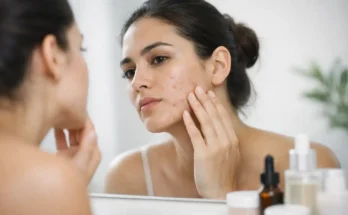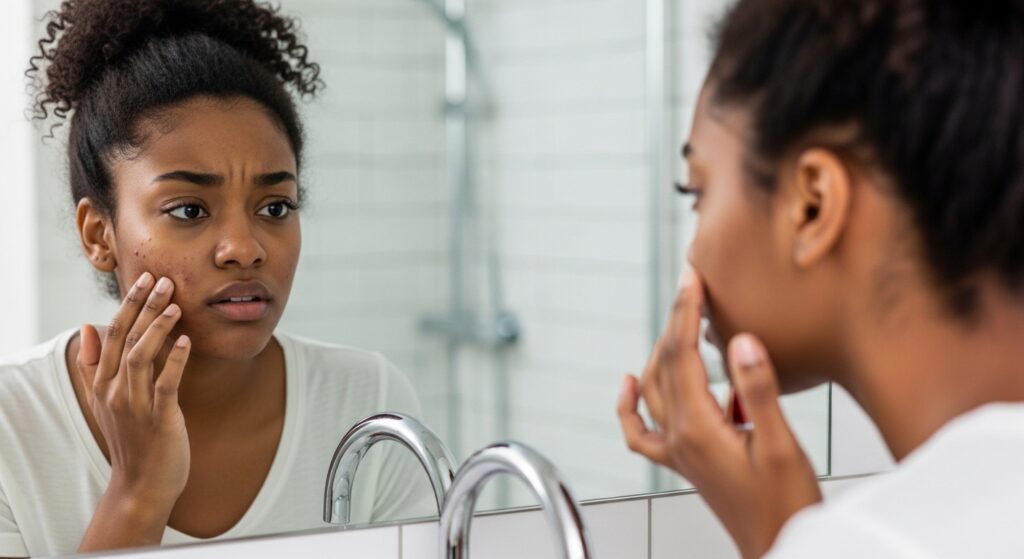
Pregnancy can change the skin in unexpected ways. Hormonal fluctuations may increase oil production, clog pores, and trigger whiteheads, blackheads, inflammatory pimples, or deeper acne lesions, even in people who rarely experienced breakouts before pregnancy. At the same time, many conventional acne medications are unsuitable during pregnancy, making it important to build a skincare routine around ingredients with a more established pregnancy safety profile.
We recommend approaching acne treatment with pregnancy safe skincare carefully and conservatively. The goal is not simply to dry out every blemish. An effective routine should help control clogged pores and inflammation while protecting the skin barrier and avoiding medications that may pose unnecessary risks during pregnancy.
The American College of Obstetricians and Gynecologists lists topical benzoyl peroxide, azelaic acid, salicylic acid, and glycolic acid among over-the-counter ingredients that can be used during pregnancy. Dermatologists may also recommend additional prescription treatments when appropriate.
Why Pregnancy Can Cause or Worsen Acne
Acne during pregnancy is common. Some people notice that existing acne becomes more active, while others develop breakouts despite previously having relatively clear skin. Hormonal changes associated with pregnancy are one factor that may contribute to these changes.
A pregnancy-safe acne routine should therefore address several concerns at once:
- Excess oil and clogged pores
- Inflammatory pimples
- Skin sensitivity
- Dryness caused by acne treatments
- Post-acne dark marks
- Sun protection
- Maintenance of a healthy skin barrier
Using too many active ingredients simultaneously can make irritation worse. We generally favor a simple, consistent routine that can be adjusted with the guidance of an obstetrician or dermatologist.
Dermatologist Recommended Pregnancy-Safe Acne Treatment Ingredients
Choosing the right active ingredients is the foundation of dermatologist recommended acne treatment during pregnancy. Some ingredients commonly found in acne products can remain options, while others should be stopped.
Azelaic Acid
Azelaic acid is one of the most useful ingredients to consider during pregnancy because it can address several acne-related concerns simultaneously.
It helps unclog pores, reduce inflammation, and control acne-associated bacteria. It can also help improve the appearance of the dark marks that sometimes remain after pimples heal. The American Academy of Dermatology notes that azelaic acid is thought to be safe during pregnancy.
This makes azelaic acid particularly valuable for people dealing with both active acne and post-inflammatory hyperpigmentation.
Depending on the product and your dermatologist’s instructions, azelaic acid may be incorporated once or twice daily. Sensitive skin may benefit from beginning less frequently and increasing use gradually.
Benzoyl Peroxide
Benzoyl peroxide helps reduce acne-causing bacteria and can be useful for inflammatory breakouts. ACOG includes topical benzoyl peroxide among OTC ingredients that can be used during pregnancy, while the AAD advises using it in limited amounts and discussing its use with an obstetrician or dermatologist.
Benzoyl peroxide is available in several forms, including:
- Cleansers
- Washes
- Gels
- Creams
- Spot treatments
Because benzoyl peroxide can cause dryness or irritation, stronger is not always better. A lower-strength product may be sufficient for many people.
Current AAD guidance also recommends storing benzoyl peroxide products according to package directions and avoiding prolonged heat exposure.
Topical Salicylic Acid
Salicylic acid exfoliates inside clogged pores, making it particularly useful for blackheads, whiteheads, and congestion.
ACOG lists topical salicylic acid as an OTC ingredient that can be used during pregnancy. The AAD also describes limited topical use as generally acceptable while recommending professional guidance during pregnancy, particularly for stronger formulations or extensive application.
Pregnancy is not the ideal time to perform aggressive salicylic acid peels or cover large areas of the body with high-strength products without medical guidance.
Glycolic Acid
Glycolic acid is another exfoliating ingredient that ACOG lists among OTC options that can be used during pregnancy.
It may be useful when acne is accompanied by:
- Uneven skin texture
- Dullness
- Mild clogged pores
- Post-acne discoloration
However, combining several exfoliating acids at once may unnecessarily irritate the skin. We typically recommend selecting products intentionally rather than layering multiple strong treatments.
Prescription Acne Treatments a Dermatologist May Consider
Moderate or persistent pregnancy acne sometimes requires more than an over-the-counter skincare routine.
A dermatologist may consider certain topical antibiotics, depending on the individual’s symptoms and pregnancy history. The AAD notes that topical clindamycin is thought to be safe during pregnancy but advises discussing its use with an obstetrician or dermatologist.
Prescription treatment becomes particularly important when acne is:
- Painful
- Deep or cystic
- Widespread
- Causing scars
- Persisting despite appropriate OTC treatment
- Significantly affecting quality of life
Professional treatment can also prevent the common mistake of repeatedly adding harsher products to an already irritated routine.
Acne Treatments to Avoid During Pregnancy
Pregnancy changes which acne medications are appropriate. Products that may be highly effective outside pregnancy can become unsuitable.
Retinoids
Retinoids are widely used for acne because they help prevent clogged pores and normalize skin cell turnover. During pregnancy, however, retinoid acne treatments should generally be avoided.
The AAD advises stopping treatments such as:
- Isotretinoin
- Tazarotene
- Tretinoin
- Adapalene
ACOG similarly states that topical retinoids are generally recommended to be avoided during pregnancy.
This also means checking cosmetic skincare labels carefully. Retinoid-related ingredients may appear under names such as retinol, retinal, retinaldehyde, retinyl esters, adapalene, tretinoin, or tazarotene.
Spironolactone
Spironolactone is frequently prescribed for hormonal acne outside pregnancy, particularly in adult women. It should not be used during pregnancy. The AAD includes spironolactone among acne medications that should be stopped during pregnancy.
Certain Oral Antibiotics
Some antibiotics commonly prescribed for acne are inappropriate during pregnancy.
ACOG advises against oral tetracyclines during pregnancy, while the AAD specifically notes concerns regarding medicines such as doxycycline, minocycline, and tetracycline.
Because antibiotic selection may depend on the trimester and individual medical circumstances, oral acne medication should be managed directly by a healthcare professional.
Pregnancy-Safe Morning Skincare Routine for Acne
A complicated routine is rarely necessary. Consistency generally matters more than the number of products used.
Step 1: Use a Gentle Cleanser
Wash the face with a mild cleanser and lukewarm water. ACOG recommends washing twice daily while avoiding aggressive treatment of the skin.
Look for cleansers described as:
- Gentle
- Non-comedogenic
- Fragrance-free when skin is sensitive
- Suitable for acne-prone skin
- Soap-free when dryness is a concern
Avoid harsh scrubs. Acne develops within pores, and aggressive physical exfoliation does not remove the underlying cause.
Step 2: Apply a Pregnancy-Appropriate Acne Treatment
Depending on the individual’s skin, this may include azelaic acid or another treatment recommended by a dermatologist.
A thin layer is usually preferable to applying large amounts. Excessive product often creates irritation without improving results.
Step 3: Apply a Non-Comedogenic Moisturizer
Acne-prone skin still needs moisture.
When the skin becomes excessively dry, the barrier can become irritated and uncomfortable. Choose a moisturizer labeled non-comedogenic or oil-free when possible.
Useful supportive ingredients may include:
- Ceramides
- Hyaluronic acid
- Glycerin
- Squalane
- Niacinamide, when tolerated
The objective is to moisturize without making the routine unnecessarily heavy.
Step 4: Finish With Broad-Spectrum Sunscreen
Daily sunscreen is particularly important when treating acne and post-acne discoloration.
The AAD recommends using a non-comedogenic, broad-spectrum sunscreen with SPF 30 or higher.
People who develop dark marks easily after acne should take sun protection especially seriously because ultraviolet exposure can make discoloration more noticeable and persistent.
Pregnancy-Safe Night Skincare Routine for Acne
Evening skincare should remain straightforward.
Cleanse Gently
Remove makeup, sunscreen, excess oil, and environmental buildup without stripping the skin.
Use the Recommended Acne Treatment
Depending on professional recommendations, nighttime treatment might involve:
- Azelaic acid
- Benzoyl peroxide
- A suitable topical prescription medication
Introducing one main active treatment at a time can make it easier to identify irritation and evaluate whether the product is helping.
Moisturize
A barrier-supporting moisturizer can reduce dryness from acne treatments and help maintain tolerability.
People with very sensitive skin may even apply moisturizer before and after an acne treatment—a technique sometimes called buffering—although treatment instructions should still be followed.
How to Treat Pregnancy Acne Without Damaging the Skin Barrier
Many acne routines fail because they become too aggressive.
Using an exfoliating cleanser, acid toner, acne serum, spot treatment, drying mask, and scrub within the same routine can leave the skin red, tight, flaky, and uncomfortable.
We recommend focusing on controlled treatment rather than maximum exfoliation.
Signs that your acne routine may be too irritating include:
- Burning
- Persistent redness
- Peeling
- Severe tightness
- Stinging when moisturizer is applied
- Sudden sensitivity to previously tolerated products
When irritation develops, simplifying the routine and discussing persistent symptoms with a dermatologist is more useful than adding stronger acne products.
Pregnancy-Safe Acne Treatment for Dark Spots
Acne does not always end when the pimple disappears. Many patients develop post-inflammatory hyperpigmentation, leaving brown, grey, or darker marks where acne once appeared.
Azelaic acid can be especially helpful because it treats acne while also helping address discoloration. The AAD recognizes azelaic acid as an acne treatment that may also improve dark spots left after acne clears.
Daily sunscreen is equally important.
Picking pimples should also be avoided because trauma and inflammation can increase the chance of visible marks or scars. ACOG specifically advises against picking or squeezing acne lesions.
How Long Does Pregnancy-Safe Acne Treatment Take to Work?
Acne treatment requires consistency.
Immediate improvement should not be expected after several applications. Many topical acne treatments need repeated use before noticeable improvement occurs.
Instead of switching products every few days, we recommend following the treatment plan consistently unless irritation develops or a healthcare professional advises otherwise.
Take photographs periodically under similar lighting if you want a more objective way to monitor improvement.
The most meaningful signs of progress include:
- Fewer new breakouts
- Less inflammation
- Smaller pimples
- Faster healing
- Reduced congestion
- Gradual fading of post-acne marks
When to See a Dermatologist for Acne During Pregnancy
Professional evaluation is particularly useful when acne becomes painful, widespread, scarring, or resistant to a carefully selected pregnancy-safe routine.
A dermatologist should also review the routine when there is uncertainty about whether a specific ingredient or prescription medication is appropriate.
Seek professional guidance when:
- Acne becomes severely inflamed.
- Nodules or cysts develop.
- Acne begins leaving permanent scars.
- OTC treatments provide little improvement.
- You are taking prescription acne medication when pregnancy is discovered.
- You are uncertain whether an ingredient is pregnancy-safe.
- Your skin develops severe irritation or a rash.
It is especially important to tell both your dermatologist and obstetrician about prescription and non-prescription skincare products you are using. The AAD recommends reviewing medications and skincare treatments during pregnancy so that unsuitable products can be replaced appropriately.
Simple Dermatologist-Informed Pregnancy Acne Routine
A practical routine may look like this:
Morning
- Gentle cleanser
- Azelaic acid or another approved acne treatment
- Non-comedogenic moisturizer
- Broad-spectrum SPF 30+ sunscreen
Evening
- Gentle cleanser
- Dermatologist-approved acne treatment such as azelaic acid or limited benzoyl peroxide use
- Moisturizer
Additional ingredients such as salicylic acid or glycolic acid may be incorporated when appropriate, but adding several active ingredients simultaneously is rarely necessary.
Choosing the Best Dermatologist Recommended Acne Treatment with Pregnancy Safe Skincare
The best treatment depends on acne severity, skin type, sensitivity, pigmentation concerns, trimester, existing medications, and previous response to treatment.
For many people, a pregnancy-conscious routine centers around gentle cleansing, azelaic acid, carefully selected acne treatments, moisturizer, and daily sunscreen. Prescription options may be added when acne becomes more severe.
The key distinction is that pregnancy acne should not automatically be treated with the same products used before pregnancy. Retinoids, isotretinoin, spironolactone, and certain oral antibiotics require particular caution or avoidance during pregnancy.
Building an Effective Pregnancy-Safe Acne Skincare Plan
Effective pregnancy-safe acne treatment should balance acne control, skin-barrier protection, pigmentation prevention, and maternal-fetal safety.
Rather than aggressively treating every breakout, we recommend building a routine around well-established options such as azelaic acid, appropriately used benzoyl peroxide, topical salicylic acid, or glycolic acid, depending on professional guidance and individual tolerance.
A simple routine performed consistently is often more manageable than a complicated regimen filled with overlapping active ingredients.
FAQs about Dermatologist-Recommended Acne Treatment With Pregnancy-Safe Skincare
1. What acne treatments are considered pregnancy-safe?
Dermatologists may recommend azelaic acid, glycolic acid, topical clindamycin, and limited-use benzoyl peroxide, depending on the individual. A healthcare professional should confirm what is appropriate during pregnancy.
2. Is salicylic acid safe for acne during pregnancy?
Small amounts of topical salicylic acid may sometimes be considered acceptable, but frequent or high-concentration use should be discussed with a dermatologist or obstetrician.
3. Can I use retinol or tretinoin while pregnant?
No. Topical retinoids such as tretinoin, adapalene, and retinol are generally avoided during pregnancy. Oral isotretinoin must also not be used during pregnancy.
4. What skincare routine can help pregnancy acne?
A simple routine may include a gentle cleanser, pregnancy-appropriate acne treatment, non-comedogenic moisturizer, and broad-spectrum sunscreen. Avoiding harsh scrubs can also reduce irritation.
5. Is azelaic acid recommended for pregnancy acne?
Azelaic acid is commonly considered one of the more suitable options for pregnancy-related acne. It can also help improve post-acne discoloration and uneven skin tone.
6. When should I see a dermatologist for pregnancy acne?
Consider professional care if acne becomes painful, cystic, widespread, persistent, or begins causing scars. A dermatologist can coordinate treatment with your pregnancy care provider.
7. Can pregnancy acne disappear after delivery?
Yes. Pregnancy-related hormonal changes can affect oil production, and acne may improve after childbirth. However, persistent acne may still require professional treatment.
8. Are natural acne treatments automatically safe during pregnancy?
No. “Natural” does not always mean pregnancy-safe. Essential oils, herbal remedies, and supplements should also be reviewed by a qualified healthcare professional before use.
Conclusion
Dermatologist recommended acne treatment with pregnancy safe skincare begins with choosing ingredients carefully. Pregnancy does not mean acne has to be ignored, but it does require reviewing treatments that may previously have been part of a normal skincare routine.
We recommend prioritizing gentle cleansing, non-comedogenic hydration, daily sun protection, and pregnancy-appropriate acne ingredients such as azelaic acid, with benzoyl peroxide, salicylic acid, glycolic acid, or prescription therapies considered when appropriate. Retinoids, isotretinoin, spironolactone, and certain oral antibiotics should not simply be continued without medical review.
For persistent, painful, cystic, or scarring acne, consultation with a dermatologist and obstetrician can help create a treatment plan that addresses breakouts while keeping pregnancy safety at the center of skincare decisions.