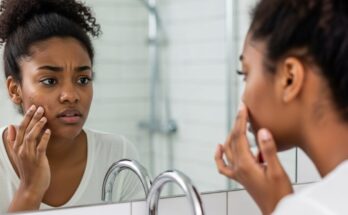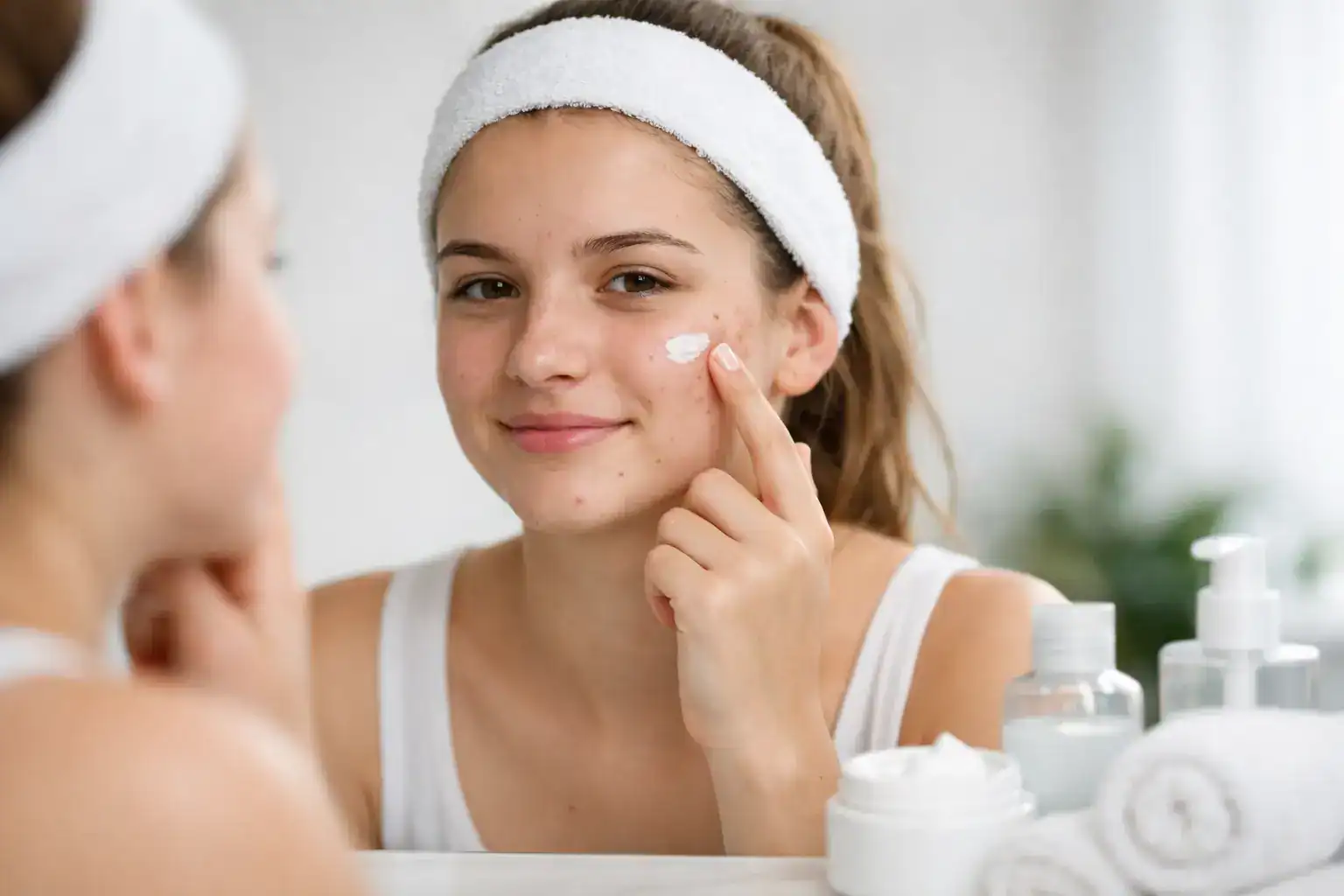
Dermatologist recommended acne treatment for teenage skin combines proven acne medicines with gentle daily skincare. The right approach depends on the type of breakouts, their severity, skin sensitivity, and whether acne is leaving scars or persistent dark marks. A teenager with occasional blackheads may need a different plan from someone experiencing painful, deep spots.
We recommend focusing on effective ingredients, a manageable routine, and consistent treatment rather than buying multiple products at once. Teenage skin needs care that controls breakouts without causing unnecessary irritation. Early treatment also helps reduce the likelihood of lasting marks and scars.
Understanding Teenage Acne Before Choosing Treatment
Hormonal changes during puberty help explain why acne is common in teenagers. Breakouts can appear on the face, chest, shoulders, and back, and several types of spots may occur together. Acne is not a reason to blame a teenager for poor hygiene or encourage increasingly aggressive washing.
Common Types of Teenage Acne
Recognising the appearance of breakouts helps guide an appropriate assessment:
- Blackheads: Small blocked pores with a dark surface.
- Whiteheads: Closed blocked pores that form small bumps.
- Inflamed pimples: Raised spots that may look red or darker than surrounding skin.
- Pustules: Inflamed spots containing visible pus.
- Deep nodules or cysts: Larger, painful lesions beneath the skin.
We encourage professional assessment for deep, painful acne or breakouts that leave scars. These concerns often require more than a basic skincare routine, and delaying care can allow further damage to develop. nhs.uk
Effective Ingredients in Dermatologist Recommended Teenage Acne Treatment
Dermatologists choose acne treatments according to the problems they need to address. Some medicines help unblock pores, while others reduce acne-associated bacteria or inflammation. A carefully selected combination may provide better results than a single treatment, but this does not mean teenagers should layer every available ingredient. aad.org
Benzoyl Peroxide for Inflamed Breakouts
Benzoyl peroxide reduces acne-associated bacteria and is a well-established acne treatment. It is available in different formulations, including washes and leave-on products.
We favour a cautious approach when introducing it. A lower-strength product, such as 2.5% benzoyl peroxide, can be a reasonable starting option when suitable for the teenager and consistent with the product instructions. Higher concentrations are not automatically the best choice for sensitive skin.
Benzoyl peroxide can cause dryness or irritation and may bleach clothing, towels, and bedding. Follow the label or clinician’s directions rather than applying extra product to accelerate results.
Topical Retinoids for Blocked Pores
Topical retinoids, including adapalene, help unblock pores and reduce inflammation. They are important options for treating acne involving blackheads, whiteheads, and inflamed lesions.
The appropriate product depends on age, local availability, and individual circumstances. For example, NICE prescribing information includes adapalene use in adolescents aged 12–17, but families should check the instructions for the specific formulation.
Retinoids can irritate the skin, particularly when first introduced. A clinician may recommend starting less frequently and increasing use as tolerated. Topical retinoids should be avoided during pregnancy or when planning pregnancy. aad.org
Salicylic Acid for Selected Mild Breakouts
Salicylic acid helps exfoliate the skin and unblock pores. It may be useful for selected mild acne concerns, particularly clogged pores.
We recommend considering the whole routine before adding it. A teenager already using a retinoid or benzoyl peroxide may not benefit from another active ingredient if the result is persistent irritation. The aim is a tolerable treatment plan that can be followed consistently. aad.org
Azelaic Acid for Acne and Lingering Dark Marks
Azelaic acid is another recognised acne treatment. It can help unblock pores and address the dark marks that sometimes remain after spots clear.
This may be particularly relevant when breakouts and uneven pigmentation occur together. However, dark marks and scars are different concerns, so we recommend assessment before assuming one product will address both. aad.org
A Gentle Daily Skincare Routine for Teenage Acne
A successful routine should be practical enough to maintain during school, sports, and other activities. We recommend keeping the supporting skincare simple so that treatment remains the priority.
Morning Skincare Steps
- Cleanse gently: Use a mild cleanser and your fingertips rather than scrubbing tools.
- Follow the treatment plan: Apply any morning medicine according to its instructions.
- Moisturise: Choose a product labelled non-comedogenic or “won’t clog pores.”
- Protect against sunlight: Use a broad-spectrum, water-resistant sunscreen with SPF 30 or higher when outdoors.
Gentle cleansing up to twice daily and after sweating is generally sufficient. Repeated washing throughout the day can irritate acne-prone skin. aad.org
Evening Skincare Steps
Remove makeup, cleanse gently, and follow the evening treatment instructions. A non-comedogenic moisturiser can help manage dryness associated with acne medicines.
We encourage teenagers to choose a routine they can repeat reliably. Several elaborate steps can make treatment harder to maintain without necessarily improving results. Moisturiser remains useful even when skin feels oily, especially if treatment is causing dryness. aad.org
How to Reduce Irritation From Teenage Acne Treatments
Mild dryness can occur when starting treatment, but persistent burning or significant discomfort deserves attention. Applying more medicine than directed does not provide a sensible shortcut to clearer skin.
For irritating topical treatments, NICE recommends considering alternate-day or short-contact application initially, then progressing as tolerated. We recommend discussing this approach with a clinician or pharmacist and following the directions for the particular product.
Introduce treatment carefully rather than adding several new products simultaneously. This makes it easier to identify what the skin tolerates and what may be causing a problem. NICE
Prescription Options for Persistent or Severe Teenage Acne
When suitable initial treatment does not adequately control acne, a clinician can reassess the diagnosis, severity, and treatment plan.
Treatments a Dermatologist May Consider
- Combination topical medicines that address more than one acne pathway.
- Topical antibiotics, used with appropriate accompanying treatment.
- Oral antibiotics for selected inflammatory acne.
- Hormonal treatments for suitable patients after assessment.
- Oral isotretinoin for severe acne or acne that has failed standard treatment.
These options require individual prescribing decisions. We recommend avoiding borrowed prescriptions or choosing stronger medicines solely because another teenager had good results. aad.org
Responsible Use of Antibiotics and Isotretinoin
Acne antibiotics should form part of a planned treatment course. Dermatology guidance recommends limiting oral antibiotic use and combining antibiotic treatment with benzoyl peroxide to reduce antibiotic resistance.
Isotretinoin requires medical supervision, including discussion of side effects and appropriate monitoring. It must not be used during pregnancy, and patients who could become pregnant require strict pregnancy-prevention measures. aad.org
Preventing Dark Marks and Acne Scars
For teenagers with darker skin tones, acne may leave post-inflammatory hyperpigmentation after the active spot settles. Picking, popping, and squeezing can increase the risk of scarring.
We recommend treating active breakouts while protecting the skin from additional irritation. Aggressive home peels and unsuitable treatments can cause further pigment changes, particularly in darker skin. Persistent dark marks or changes in skin texture deserve professional advice rather than increasingly harsh products. aad.org
Skincare Mistakes That Can Worsen Teenage Acne
Habits to Avoid
- Scrubbing acne-prone skin with rough tools or abrasive products.
- Picking or squeezing spots, which increases scarring risk.
- Using products that clog pores, including unsuitable makeup or hair products.
- Changing treatments too frequently before assessing their effect.
- Allowing treatment-related dryness to go unmanaged.
We recommend checking product labels and reviewing the routine when breakouts persist. A simple adjustment may make treatment easier to tolerate and maintain. aad.org
How Long Does Teenage Acne Treatment Take?
Acne treatment requires patience. NICE advises that noticeable improvement can take six to eight weeks, with an initial treatment review commonly occurring after 12 weeks.
We recommend assessing progress across several weeks rather than judging a treatment by one new pimple. At review, the clinician can consider improvement, side effects, and whether the plan needs changing. Seek advice sooner if acne becomes painful, begins scarring, or causes significant distress.
FAQs about Dermatologist-Recommended Acne Treatment for Teenage Skin
1. What acne treatment do dermatologists commonly recommend for teenagers?
Dermatologists often recommend treatments containing benzoyl peroxide, salicylic acid, topical retinoids, or antibiotics, depending on the type and severity of teenage acne.
2. Is benzoyl peroxide safe for teenage skin?
Yes. Benzoyl peroxide is commonly used for teenage acne because it helps reduce acne-causing bacteria, inflammation, and clogged pores. Lower concentrations may be better for sensitive skin.
3. Can teenagers use retinoids for acne?
Yes. Dermatologists may recommend topical retinoids such as adapalene to prevent blocked pores and reduce breakouts. They are usually introduced gradually to minimize irritation.
4. How long does teenage acne treatment take to work?
Many acne treatments require several weeks of consistent use before noticeable improvement occurs. More significant results may take a few months.
5. When should a teenager see a dermatologist for acne?
A dermatologist should be considered when acne is severe, painful, causing scars, affecting confidence, or not improving with over-the-counter treatments.
6. Should teenagers moisturize while treating acne?
Yes. A lightweight, non-comedogenic moisturizer can help reduce dryness and irritation caused by acne medications without clogging pores.
7. Is sunscreen important during acne treatment?
Yes. Daily broad-spectrum sunscreen is especially important because some acne treatments can make teenage skin more sensitive to sunlight.
8. Can severe teenage acne require prescription medication?
Yes. For moderate or severe acne, dermatologists may recommend prescription topical treatments, oral antibiotics, hormonal treatments for appropriate patients, or isotretinoin for severe cases under close medical supervision.
Conclusion
Dermatologist recommended acne treatment for teenage skin centres on suitable medicines, gentle skincare, and consistent follow-through. We recommend choosing treatment according to the teenager’s acne pattern and tolerance, keeping the routine manageable, and seeking professional care when breakouts are deep, persistent, or leaving scars.
The goal is steady control of acne while protecting skin comfort, appearance, and confidence.