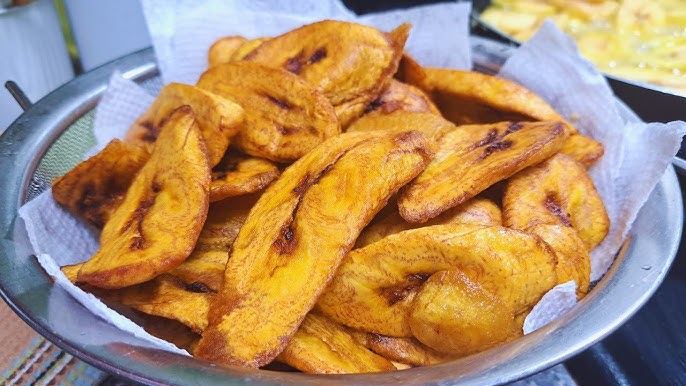
Fried Plantain, popularly known as Dodo in Nigeria, is one of the easiest and most delicious dishes we can prepare with ripe plantains. With its beautifully caramelized exterior, soft centre, and naturally sweet flavour, Nigerian fried plantain works perfectly as a breakfast dish, snack, side dish, or accompaniment to many traditional meals.
We love this Fried Plantain (Dodo) recipe because it requires only a few basic ingredients and takes very little time to prepare. The key to achieving delicious dodo is choosing plantains at the right level of ripeness, slicing them evenly, and frying them at the correct temperature.
Whether we serve it with Jollof rice, fried rice, beans, eggs, stew, grilled meat, or pepper sauce, fried plantain adds sweetness and richness to almost any meal.
What Is Fried Plantain (Dodo)?
Dodo is the Nigerian name commonly used for ripe plantain that has been sliced and fried until golden brown. Unlike bananas, plantains contain more starch and are normally cooked before eating. As plantains ripen, their starch gradually converts into sugar, giving ripe plantain the naturally sweet taste that makes fried dodo so irresistible.
The colour of the plantain skin can help us determine its ripeness. Yellow plantains with dark patches generally produce sweet, tender fried plantain, while very dark plantains create an even softer and sweeter result.
Firmer yellow plantains are excellent when we prefer dodo that holds its shape well and has slightly less sweetness.
Ingredients for Fried Plantain (Dodo)
We do not need complicated ingredients to prepare authentic Nigerian fried plantain. The natural flavour of ripe plantain does most of the work.
Main Ingredients
- 3 ripe plantains
- Vegetable oil, enough for frying
- Salt to taste, optional
These simple ingredients are enough to prepare traditional Nigerian Dodo. We may also add a light sprinkle of pepper or other seasoning depending on how we intend to serve it, although classic fried plantain needs very little seasoning.
How to Choose the Best Plantain for Dodo
The quality and ripeness of our plantain strongly influence the final texture and flavour.
For sweet fried plantain, we choose plantains that have yellow skins with several black or brown patches. They should feel ripe but should not completely collapse when gently pressed.
If we want slightly firmer fried plantain, we can use yellow plantains with fewer dark spots. These slices remain more structured after frying and have a mild sweetness.
Very soft plantains with almost completely black skins can still be fried, but they require careful handling because their higher sugar content makes them brown very quickly.
Green plantains are not normally used for traditional sweet dodo because they are much starchier and less sweet.
How to Make Fried Plantain (Dodo) Step by Step
Preparing perfect Nigerian fried plantain is straightforward when we follow the correct method.
1. Peel the Plantains
We begin by cutting off both ends of each plantain. Using a sharp knife, we make a shallow lengthwise cut through the skin without cutting deeply into the flesh.
We then carefully peel away the skin.
2. Slice the Plantains
We place the peeled plantains on a clean chopping board and slice them diagonally into pieces of approximately equal thickness.
Diagonal slices give dodo its familiar appearance and create a larger surface area for caramelization.
We can also cut the plantain into round slices or cubes depending on our preference. The important thing is to keep the pieces reasonably uniform so that they cook at the same rate.
3. Season Lightly
If desired, we place the sliced plantain in a bowl and sprinkle a very small amount of salt over it.
Because ripe plantain already has plenty of natural flavour, we avoid adding too much seasoning.
4. Heat the Oil
We pour vegetable oil into a frying pan and place it over medium heat.
The oil should be hot enough to begin frying immediately when the plantain is added, but it should not be smoking.
If the oil is not hot enough, the plantain may absorb excessive oil. If it is excessively hot, the outside can burn before the inside becomes tender.
5. Fry the Plantain
We carefully place the slices into the hot oil without overcrowding the pan.
We allow the first side to fry until it develops a beautiful golden-brown colour, then turn each slice and fry the opposite side.
Depending on the thickness and ripeness of the plantain, this usually takes only a few minutes on each side.
6. Drain the Fried Plantain
Once the pieces are golden and properly cooked, we remove them from the oil using a slotted spoon.
We transfer the fried plantain onto a plate lined with kitchen paper to absorb excess oil.
Our freshly prepared Nigerian Dodo is now ready to serve.
How to Get Perfectly Golden Fried Plantain
Perfect dodo should have a caramelized exterior while remaining tender inside. Several simple techniques help us achieve this result consistently.
We make sure our slices are similar in thickness because thin pieces cook more quickly than thick ones. Uneven slices can therefore produce a mixture of burnt and undercooked plantain.
We also fry over medium heat instead of extremely high heat. Ripe plantain contains natural sugars that caramelize rapidly, so excessively hot oil can cause it to become dark before cooking properly.
Another important tip is to avoid overcrowding the frying pan. Adding too many slices at once can reduce the oil temperature and prevent the plantain from browning evenly.
How Long Should We Fry Plantain?
Frying time depends largely on the ripeness, thickness, and size of the plantain slices.
Generally, plantain requires only a few minutes on each side. Instead of relying entirely on time, we watch the colour closely.
When one side becomes golden brown with slightly darker caramelized edges, we turn the slices. Once both sides are evenly browned and the plantain feels tender, we remove it from the oil.
Very ripe plantains usually cook and caramelize faster than firmer plantains.
What to Serve With Fried Plantain
One reason Fried Plantain (Dodo) remains so popular is its versatility. Its sweetness complements spicy, savoury, and rich Nigerian dishes beautifully.
Popular Dodo Serving Ideas
We can serve fried plantain with:
- Nigerian Jollof Rice
- Nigerian Fried Rice
- Beans Porridge
- Rice and Stew
- Scrambled or Fried Eggs
- Pepper Sauce
- Grilled Chicken
- Fried Fish
- Beef Stew
- Moi Moi
- Akara
- Yam and Egg Sauce
One of the most popular combinations is beans and plantain. The creamy, savoury flavour of cooked beans balances the sweetness of ripe fried plantain exceptionally well.
Dodo also works beautifully alongside spicy Jollof rice, where its caramelized sweetness provides contrast to the rich tomato and pepper flavours.
Fried Plantain and Eggs for Breakfast
For a simple Nigerian breakfast, we can pair dodo with eggs.
After frying our plantain, we prepare scrambled eggs or a Nigerian-style egg sauce containing tomatoes, onions, peppers, and seasoning. The combination provides sweetness from the plantain and savoury richness from the eggs.
It can be eaten alone or served with bread, yam, potatoes, or another preferred breakfast accompaniment.
Can We Fry Plantain Without Salt?
Yes. Salt is completely optional when frying ripe plantain.
Ripe plantain already has a naturally sweet and distinctive flavour, so many people fry it without adding any seasoning.
If we are serving dodo with strongly seasoned foods such as stew, pepper sauce, Jollof rice, or grilled meat, leaving out the salt can help maintain a pleasant balance between sweet and savoury flavours.
Why Does Fried Plantain Become Sweet?
Plantain becomes sweeter naturally as it ripens.
When plantain is green, it contains a significant amount of starch. During ripening, much of that starch converts into simpler sugars. This is why yellow and black plantains taste noticeably sweeter than green ones.
During frying, these natural sugars caramelize and produce the deep golden-brown colour and rich sweetness associated with well-prepared dodo.
The riper our plantain is, the sweeter and softer the final fried plantain generally becomes.
How to Prevent Fried Plantain From Becoming Too Oily
Nobody wants dodo that feels excessively greasy.
One of the easiest ways to prevent oily fried plantain is to ensure the cooking oil has reached the proper temperature before adding the slices.
When plantain is placed in oil that is too cool, it can absorb more oil while cooking.
We should also avoid overcrowding the pan because adding too many slices simultaneously lowers the oil temperature.
After frying, we immediately transfer the plantain to absorbent kitchen paper to remove excess surface oil.
Can We Use Very Ripe Plantain for Dodo?
Yes. Very ripe plantain can produce exceptionally sweet and soft dodo.
However, because very ripe plantain contains more sugar, it tends to brown faster during frying. We therefore monitor it carefully and may need to use slightly lower heat.
Extremely soft plantains should also be handled gently when slicing and turning because they can easily break apart.
For the best balance between sweetness, texture, and appearance, we generally prefer yellow plantains with plenty of dark patches.
How to Store Leftover Fried Plantain
Fried plantain tastes best when served fresh and warm, but leftovers can still be stored.
Once completely cooled, we place the dodo in an airtight container and refrigerate it. When ready to eat, we can reheat the plantain until thoroughly warmed.
For a better texture, reheating in an oven or air fryer can help restore some of the exterior firmness. Microwave reheating is convenient but may produce softer plantain.
We avoid leaving cooked plantain sitting at room temperature for unnecessarily long periods.
Common Mistakes to Avoid When Making Dodo
Although fried plantain is simple to prepare, small mistakes can affect the result.
Avoid These Fried Plantain Mistakes
- Using oil that is too cold: This can make the plantain unnecessarily greasy.
- Using excessively high heat: The natural sugar can burn quickly.
- Overcrowding the pan: This lowers the oil temperature and affects even browning.
- Cutting uneven slices: Different sizes cook at different speeds.
- Leaving the plantain unattended: Ripe plantain can change from golden brown to burnt very quickly.
- Using damaged cooking oil: Fresh, suitable frying oil gives cleaner flavour.
- Turning the slices repeatedly: Allow one side to brown before turning for a better caramelized surface.
Tips for the Best Nigerian Fried Plantain
For excellent results every time, we focus on ripeness, temperature, and timing.
A ripe but reasonably firm plantain gives us the easiest balance of sweetness and structure. Medium heat encourages even caramelization without burning the natural sugars. Finally, watching the plantain closely ensures that we remove each batch as soon as it reaches our preferred level of browning.
We can also adjust the thickness according to the texture we enjoy. Slightly thicker slices produce a softer centre, while thinner pieces develop more caramelized edges.
Why Fried Plantain Is a Popular Nigerian Side Dish
Dodo fits naturally into numerous Nigerian meals because it offers a pleasant contrast to spicy and savoury dishes.
Its preparation is also remarkably simple. With just ripe plantain and frying oil, we can create a side dish suitable for breakfast, lunch, dinner, snacks, celebrations, and everyday family meals.
The ability to combine fried plantain with rice, beans, eggs, fish, chicken, beef, and sauces also makes it extremely versatile.
Whether served as part of a large Nigerian meal or enjoyed on its own, freshly fried dodo remains comforting, satisfying, and unmistakably delicious.
FAQs about Fried Plantain (Dodo) Recipe
1. What is Nigerian Dodo?
Dodo is the Nigerian name for ripe plantain that is sliced and fried until golden brown. It is slightly sweet, soft inside, and beautifully caramelised on the outside.
2. Which plantain is best for making Dodo?
We recommend using ripe plantains with yellow skins and some black spots. These provide the best balance of sweetness and firmness.
3. How do we make Fried Plantain crispy?
To achieve slightly crispy Dodo, we should avoid overcrowding the frying pan and ensure the oil is properly heated before adding the plantain.
4. How long should plantain be fried?
Plantain usually takes about 2–4 minutes per side, depending on the thickness of the slices and the cooking temperature.
5. Can we make Dodo without deep frying?
Yes. Plantain can be air-fried, baked, or shallow-fried for an alternative to traditional deep frying.
6. Why does my Fried Plantain absorb too much oil?
Plantain may absorb excess oil when the cooking oil is not hot enough. Maintaining a medium to medium-high temperature helps reduce oil absorption.
7. What can we eat with Fried Plantain?
Dodo pairs perfectly with Jollof rice, fried rice, beans, eggs, Nigerian stew, grilled chicken, fish, or Moi Moi.
8. Can we store leftover Dodo?
Yes. Store leftover Fried Plantain in an airtight container in the refrigerator and reheat it in an air fryer, oven, or frying pan before serving.
9. Can unripe plantain be used for Dodo?
Yes, but unripe plantain produces a firmer and less sweet result than traditional ripe plantain Dodo.
Conclusion
This Fried Plantain (Dodo) recipe gives us a simple way to prepare one of Nigeria’s most loved side dishes. By choosing properly ripe plantains, cutting them evenly, maintaining a suitable frying temperature, and cooking each batch until beautifully golden brown, we can achieve dodo that is caramelized outside, tender inside, and naturally sweet.
We can serve our Nigerian fried plantain with Jollof rice, fried rice, beans, eggs, stew, grilled chicken, fish, or pepper sauce. With only a handful of ingredients and a straightforward cooking process, Dodo is a dependable recipe we can prepare whenever we want a quick, flavourful addition to a Nigerian meal.