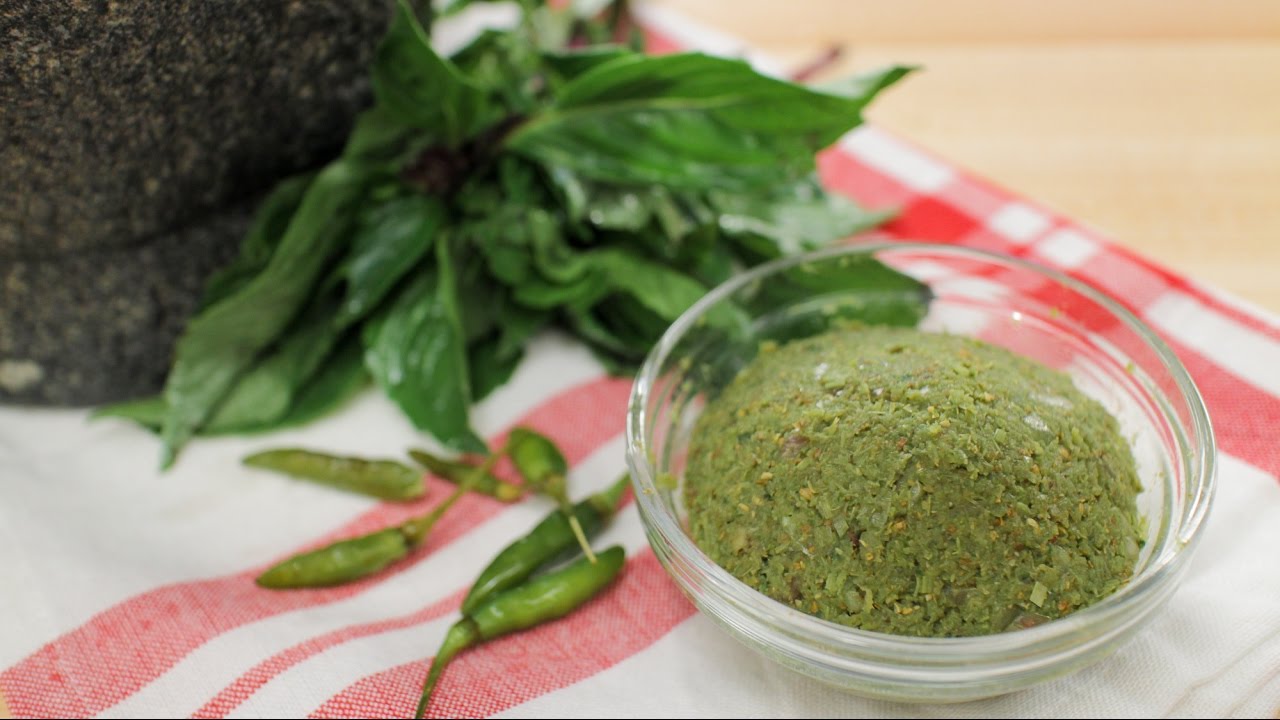
A rich, aromatic, and deeply flavorful Thai green curry paste recipe begins with fresh herbs, bold spices, and the right balance of heat, citrus, saltiness, and earthy depth. When we prepare green curry paste at home, we create a fresher, brighter, and more fragrant base than most store-bought versions. This paste becomes the foundation for classic Thai green curry, stir-fries, soups, marinades, noodle dishes, and coconut-based sauces.
The beauty of homemade Thai green curry paste is in its freshness. Green chilies bring heat and color, lemongrass adds citrusy brightness, galangal gives a sharp peppery note, kaffir lime zest offers intense fragrance, and shrimp paste delivers the savory depth that makes Thai curry taste complete. When blended or pounded together, these ingredients create a vibrant paste with layers of flavor.
This step-by-step Thai green curry paste guide shows how we prepare an authentic-style curry paste using simple methods and carefully balanced ingredients. Whether we use a mortar and pestle for traditional texture or a blender for speed, the result is a fragrant green paste that can transform everyday dishes into restaurant-quality Thai meals.
Ingredients You’ll Need for Thai Green Curry Paste
To make a bold and aromatic Thai green curry paste, we need fresh herbs, spicy chilies, citrus elements, aromatics, and savory seasonings. Each ingredient plays an important role in building the paste’s color, aroma, and flavor.
Fresh Green Chilies
Green chilies are the heart of this recipe. They give the paste its heat, color, and sharp fresh flavor. Thai green chilies are ideal because they are spicy and fragrant, but we can adjust the amount depending on our preferred heat level. For a milder paste, we remove some seeds or combine spicy chilies with mild green peppers.
Lemongrass
Lemongrass adds a bright, lemony aroma that is essential in Thai cooking. We use only the tender lower part of the stalk, finely sliced before blending or pounding. This helps the paste become smooth and prevents tough fibers from remaining in the final mixture.
Galangal
Galangal looks similar to ginger but has a sharper, more peppery, and slightly citrusy taste. It gives Thai green curry paste its authentic Southeast Asian character. Fresh galangal is best, but frozen galangal can also work well when fresh is unavailable.
Kaffir Lime Zest or Lime Zest
Kaffir lime zest gives the paste a powerful citrus fragrance. It is more floral and intense than regular lime zest. When kaffir lime is not available, regular lime zest can be used as a substitute, though the flavor will be slightly different.
Garlic and Shallots
Garlic and shallots provide sweetness, depth, and aroma. Shallots are milder and sweeter than onions, making them perfect for Thai curry paste. Together, they create a strong aromatic base that supports the herbs and spices.
Cilantro Roots or Stems
Cilantro root is traditionally used in Thai curry pastes because it has a deep, earthy flavor. If cilantro roots are not available, we use the lower stems. They still provide freshness and herbal complexity.
Thai Basil or Fresh Coriander Leaves
Fresh herbs help strengthen the green color of the paste. Thai basil adds a sweet anise-like note, while coriander leaves bring freshness. These ingredients are especially helpful when we want a bright green curry paste.
Cumin Seeds and Coriander Seeds
These dry spices add warmth, nuttiness, and depth. Toasting them before grinding releases their oils and makes the paste more aromatic. Ground spices can be used, but whole toasted spices give a better flavor.
White Pepper
White pepper gives a subtle heat and earthy sharpness. It blends well with the herbal ingredients without overpowering the paste.
Shrimp Paste
Shrimp paste adds salty, fermented depth. It gives the curry paste a stronger umami flavor and helps create the classic Thai curry taste. For a vegetarian version, we can replace it with miso paste or soy sauce, but traditional curry paste usually includes shrimp paste.
Salt
Salt helps break down the ingredients and balances the flavors. It also improves preservation when storing the paste.
Thai Green Curry Paste Ingredients List
- 10–15 fresh green Thai chilies, chopped
- 2 stalks lemongrass, tender lower part only, finely sliced
- 1 tablespoon fresh galangal, peeled and chopped
- 1 teaspoon kaffir lime zest or regular lime zest
- 4 garlic cloves, peeled
- 3 small shallots, chopped
- 2 cilantro roots or 2 tablespoons chopped cilantro stems
- 1 teaspoon coriander seeds
- ½ teaspoon cumin seeds
- ½ teaspoon white peppercorns or ground white pepper
- 1 teaspoon shrimp paste
- ½ teaspoon salt
- ¼ cup fresh coriander leaves or Thai basil leaves, optional for color
- 1–2 tablespoons water or neutral oil, only if blending
Step-by-Step Guide to Making Thai Green Curry Paste
Step 1: Prepare the Fresh Aromatics
We begin by washing and trimming all fresh ingredients. The lemongrass should be peeled until the softer inner layers are visible, then sliced very thinly. This step is important because thick lemongrass pieces can stay stringy in the paste.
Next, we peel and chop the galangal into small pieces. Galangal is firm, so cutting it finely helps it blend or pound more easily. We also chop the shallots, garlic, chilies, and cilantro roots or stems. Smaller pieces create a smoother paste and reduce the time needed for grinding.
Step 2: Toast the Dry Spices
Place the coriander seeds and cumin seeds in a dry pan over low heat. Toast them for about 1–2 minutes, shaking the pan gently until they smell warm and fragrant. We do not want to burn them because burnt spices can make the paste bitter.
Once toasted, allow the spices to cool slightly. Then grind them using a spice grinder, mortar and pestle, or the back of a spoon. Freshly toasted spices give the curry paste a deeper and more complex flavor than using untoasted ground spices.
Step 3: Pound or Blend the Hard Ingredients First
For the traditional method, we use a mortar and pestle. Start with the hardest ingredients: lemongrass, galangal, kaffir lime zest, salt, and cilantro roots. Pound them until they begin to break down into a rough paste. Salt helps create friction and draws moisture out of the ingredients.
If using a blender or food processor, add these ingredients first and pulse several times. Scrape down the sides as needed. A small blender works best because curry paste needs close contact with the blades.
Step 4: Add Garlic, Shallots, and Green Chilies
After the hard aromatics have softened, add the garlic, shallots, and chopped green chilies. Continue pounding or blending until the mixture becomes thicker and more uniform. The chilies will release moisture and help bring the paste together.
The color should begin turning bright green. If we want a more vibrant paste, we can add fresh coriander leaves or Thai basil leaves at this stage. These herbs improve color and add a fresh herbal note.
Step 5: Add Ground Spices and White Pepper
Now we add the toasted ground coriander, cumin, and white pepper. These spices should be mixed thoroughly into the paste. They add warmth and balance the sharpness of the chilies and citrus ingredients.
At this stage, the paste should smell spicy, citrusy, herbal, and slightly earthy. The texture may still be coarse if using a mortar and pestle, which is perfectly normal. Traditional Thai curry paste often has a slightly rustic texture.
Step 6: Mix in the Shrimp Paste
Add the shrimp paste last and pound or blend until fully combined. Shrimp paste is strong, so a little goes a long way. It gives the curry paste its savory base and helps the final curry taste rich and complete.
For a smoother blender version, add 1–2 tablespoons of water or neutral oil only if needed. Use as little liquid as possible because too much water can dilute the flavor and make the paste harder to fry properly later.
Step 7: Adjust the Taste and Texture
Taste a tiny amount of the paste carefully. It should be salty, spicy, aromatic, and intense. Curry paste is not meant to taste mild on its own because it will later be cooked with coconut milk, vegetables, meat, tofu, or broth.
If the paste tastes too sharp, add a little more shallot. If it needs more brightness, add a touch more lime zest. If it lacks depth, add a small amount of shrimp paste or salt. If it is too thick for blending, add a teaspoon of oil at a time.
Step 8: Store the Curry Paste Properly
Transfer the finished Thai green curry paste into a clean airtight jar. Smooth the top and cover it with a thin layer of oil to help preserve freshness. Store it in the refrigerator for up to one week.
For longer storage, freeze the paste in small portions. An ice cube tray works well because each cube can be used for one quick curry or sauce. Once frozen, transfer the cubes into a sealed freezer bag or container. Frozen curry paste can keep well for about two to three months.
How to Use Thai Green Curry Paste
The most popular way to use this paste is in Thai green curry with coconut milk. To make a quick curry, fry 2–3 tablespoons of paste in a little oil until fragrant. Add thick coconut milk and simmer until the oil begins to separate slightly. Then add chicken, beef, shrimp, tofu, or vegetables. Finish with fish sauce, palm sugar, Thai basil, and extra chilies if desired.
This paste can also be used as a marinade for grilled chicken, fish, shrimp, or tofu. Mix it with coconut milk, lime juice, and a little sugar for a flavorful marinade. It also works beautifully in fried rice, noodle soups, coconut sauces, and Thai-style stir-fries.
Tips for the Best Homemade Thai Green Curry Paste
Use fresh ingredients whenever possible. Fresh lemongrass, galangal, chilies, and lime zest create a much brighter paste than dried substitutes. Slice tough ingredients thinly before blending or pounding so the texture becomes smoother.
Toast the spices gently and avoid burning them. A short toast is enough to bring out their aroma. Balance the heat by adjusting the number of chilies. For a milder paste, remove some seeds or use larger mild green chilies along with Thai chilies.
Use shrimp paste carefully because it is salty and powerful. Start with one teaspoon, then adjust if needed. When making a vegetarian version, use miso paste, fermented soybean paste, or soy sauce for savory depth.
Common Mistakes to Avoid When Making Green Curry Paste
One common mistake is adding too much liquid while blending. Thai curry paste should be thick, concentrated, and easy to fry. Too much water weakens the flavor and changes the cooking process.
Another mistake is using old herbs or dried-out chilies. Since green curry paste depends heavily on freshness, weak ingredients produce a dull paste. We should also avoid skipping the lime zest because it gives the paste its signature fragrant lift.
Using ginger instead of galangal changes the flavor. Ginger is warmer and sweeter, while galangal is sharper and more traditional. If galangal is unavailable, ginger can be used in a small amount, but the final paste will not taste exactly the same.
Thai Green Curry Paste Recipe Variations
For a spicier green curry paste, increase the number of Thai green chilies and keep the seeds. For a milder curry paste, use fewer chilies and add mild green peppers for color.
For a vegan Thai green curry paste, replace shrimp paste with miso paste or fermented soybean paste. Add a small splash of soy sauce if more saltiness is needed.
For a brighter green paste, add Thai basil, coriander leaves, or a small handful of spinach. Spinach has a mild flavor and helps improve color without overpowering the paste.
For a richer curry paste, add a small piece of fresh turmeric or extra toasted coriander seeds. This gives the paste more warmth and depth, although it may slightly change the green color.
Best Dishes to Make with Thai Green Curry Paste
Homemade green curry paste can be used in many flavorful dishes. The classic choice is Thai green chicken curry, made with coconut milk, chicken, eggplant, bamboo shoots, Thai basil, and fish sauce. It also works well with prawns, beef, tofu, mushrooms, zucchini, green beans, and bell peppers.
We can stir a spoonful into coconut soup for instant flavor, mix it into fried rice, or add it to noodles with coconut cream and vegetables. It can also be rubbed over fish before baking or grilled with chicken skewers for a Thai-inspired meal.
FAQs about Thai Green Curry Paste Recipe
1. What is Thai green curry paste made of?
Thai green curry paste is usually made with green chilies, lemongrass, garlic, shallots, galangal, kaffir lime zest, coriander roots, cumin, peppercorns, and shrimp paste. These ingredients create its fresh, spicy, and aromatic flavor.
2. Can we make Thai green curry paste without shrimp paste?
Yes, we can make it without shrimp paste. For a vegetarian or vegan version, we can replace shrimp paste with miso paste, soy sauce, or a little salt to add depth and umami flavor.
3. How spicy is Thai green curry paste?
Thai green curry paste is usually medium to hot, depending on the type and amount of green chilies used. We can reduce the heat by using fewer chilies or removing the seeds before blending.
4. How long does homemade Thai green curry paste last?
Homemade Thai green curry paste can last for about 1 week in the refrigerator when stored in an airtight container. For longer storage, we can freeze it for up to 3 months.
5. Can Thai green curry paste be used for other dishes?
Yes, Thai green curry paste is very versatile. We can use it in curries, soups, stir-fries, marinades, fried rice, noodles, and vegetable dishes for a rich Thai-inspired flavor.
Final Thoughts
A homemade Thai green curry paste recipe gives us full control over freshness, spice level, aroma, and depth of flavor. With green chilies, lemongrass, galangal, kaffir lime zest, garlic, shallots, toasted spices, and shrimp paste, we create a powerful base for many Thai dishes.
Once prepared, this paste becomes one of the most useful ingredients in the kitchen. It stores well, freezes beautifully, and delivers bold Thai flavor whenever we need a quick curry, marinade, soup, or stir-fry. By following this step-by-step guide, we can make a fresh, fragrant, and deeply satisfying Thai green curry paste from scratch.