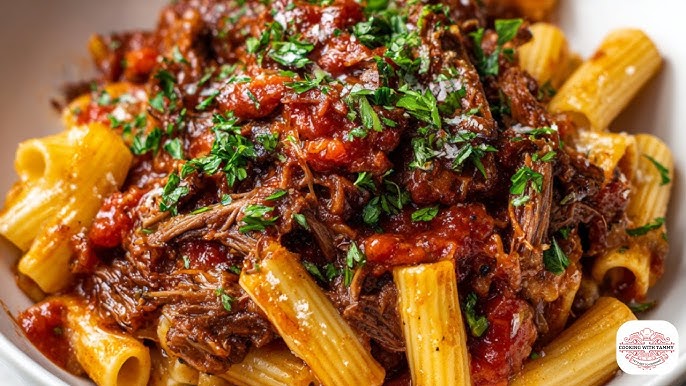
A rich Pork Ragù Recipe is one of the most satisfying slow-cooked dishes we can prepare when we want deep flavor, tender meat, and a hearty sauce that clings beautifully to pasta. This classic-style pork ragù combines slow-braised pork, aromatic vegetables, tomatoes, herbs, wine, and broth to create a comforting sauce with a luxurious texture. It is perfect for serving with pappardelle, tagliatelle, rigatoni, polenta, gnocchi, or crusty bread.
Unlike a quick meat sauce, pork ragù develops its flavor slowly. The pork becomes soft enough to shred, the sauce thickens naturally, and every ingredient blends into a bold, savory, and slightly sweet finish. With the right technique, we can make a restaurant-quality ragù at home using simple ingredients and a careful cooking process.
Ingredients You’ll Need for Pork Ragù
To prepare a flavorful homemade pork ragù, we need ingredients that build depth from the first step to the final simmer.
Main Ingredients
- 2 pounds pork shoulder or pork butt, trimmed and cut into large chunks
- 2 tablespoons olive oil
- 1 large onion, finely chopped
- 2 carrots, finely diced
- 2 celery stalks, finely diced
- 4 garlic cloves, minced
- 2 tablespoons tomato paste
- 1 cup dry red wine or dry white wine
- 1 can crushed tomatoes, about 28 ounces
- 1 cup chicken broth or beef broth
- 1 teaspoon dried oregano
- 1 teaspoon dried thyme
- 1 bay leaf
- ½ teaspoon crushed red pepper flakes, optional
- Salt, to taste
- Black pepper, to taste
- ½ cup whole milk or heavy cream, optional for richness
- Fresh basil or parsley, chopped for garnish
- Freshly grated Parmesan cheese, for serving
Best Pasta for Pork Ragù
Pork ragù works best with pasta shapes that can hold a thick, meaty sauce. We recommend:
- Pappardelle
- Tagliatelle
- Rigatoni
- Fettuccine
- Paccheri
- Gnocchi
Wide noodles are especially good because they carry the shredded pork and rich tomato sauce beautifully.
Choosing the Best Pork for Ragù
For the best pork ragù sauce, we should use a cut with enough fat and connective tissue to become tender during slow cooking. Pork shoulder is the best choice because it has excellent marbling and becomes soft, juicy, and easy to shred. Pork butt also works very well.
Lean pork cuts such as pork loin or tenderloin are not ideal for this recipe because they can dry out during long cooking. Ragù needs a cut that improves with time, and pork shoulder gives the sauce a deep, meaty flavor.
Before cooking, we cut the pork into large pieces instead of tiny cubes. Larger pieces brown better, stay juicy, and shred naturally after simmering.
Step-by-Step Guide to Make Pork Ragù
Step 1: Prepare the Pork
We begin by patting the pork dry with paper towels. This step helps the meat brown properly instead of steaming in the pot. After drying the pork, we season it generously with salt and black pepper on all sides.
Good seasoning at the beginning helps the pork develop flavor from the inside out. Since the pork will simmer for a long time, proper seasoning is important for a well-balanced final sauce.
Step 2: Brown the Pork for Deep Flavor
Heat olive oil in a large Dutch oven or heavy-bottomed pot over medium-high heat. Once the oil is hot, add the pork pieces in a single layer. We should avoid overcrowding the pot because too much meat at once will release moisture and prevent browning.
Brown the pork on all sides until it forms a deep golden crust. This usually takes about 3 to 4 minutes per side. The browned bits left at the bottom of the pot are very important because they create the base flavor for the ragù.
Once browned, remove the pork from the pot and set it aside on a plate.
Step 3: Cook the Aromatic Vegetables
In the same pot, reduce the heat to medium. Add the chopped onion, carrot, and celery. This combination is often called a soffritto and creates the foundation of the sauce.
Cook the vegetables for about 8 to 10 minutes, stirring often, until they soften and become lightly golden. The onion should turn translucent, and the carrot and celery should begin to melt into the oil.
Add the minced garlic and cook for about 30 seconds to 1 minute. Garlic burns quickly, so we only cook it until fragrant.
Step 4: Add Tomato Paste
Stir in the tomato paste and cook it for about 2 minutes. This step helps remove the raw taste of the tomato paste and gives the sauce a richer, deeper flavor.
As the tomato paste cooks, it may darken slightly and stick to the bottom of the pot. This is good because it adds another layer of savory flavor to the ragù.
Step 5: Deglaze with Wine
Pour in the dry red wine or dry white wine and scrape the bottom of the pot with a wooden spoon. This lifts all the browned bits from the bottom and blends them into the sauce.
Let the wine simmer for about 3 to 5 minutes so the alcohol cooks off and the flavor becomes concentrated. Red wine gives the ragù a deeper, bolder taste, while white wine creates a slightly lighter and brighter sauce.
Step 6: Add Tomatoes, Broth, and Herbs
Return the browned pork to the pot. Add the crushed tomatoes, broth, oregano, thyme, bay leaf, and crushed red pepper flakes if using. Stir everything together until the pork is mostly covered by the sauce.
Bring the mixture to a gentle simmer. Once it begins to bubble, reduce the heat to low. The sauce should cook slowly, not boil aggressively. A slow simmer gives the pork time to become tender while allowing the sauce to thicken naturally.
Step 7: Slow Cook the Pork Ragù
Cover the pot partially with a lid and let the ragù simmer for about 2½ to 3 hours. Stir occasionally to prevent sticking.
The pork is ready when it becomes very tender and pulls apart easily with a fork. If the sauce becomes too thick before the pork is tender, add a little more broth or water. If the sauce is too thin after the pork is tender, remove the lid and simmer for another 15 to 20 minutes until it reduces.
This slow cooking stage is where the ragù develops its signature richness. The pork releases flavor into the sauce, the tomatoes become sweeter, and the herbs blend into the background.
Step 8: Shred the Pork
Once the pork is tender, remove the pieces from the pot and place them on a cutting board or plate. Use two forks to shred the meat into bite-sized pieces.
Return the shredded pork to the sauce and stir well. At this point, the ragù should look thick, meaty, and glossy.
Remove the bay leaf before serving.
Step 9: Add Milk or Cream for a Softer Finish
For a smoother and richer pork ragù, stir in ½ cup whole milk or heavy cream during the final 10 minutes of cooking. This is optional, but it helps balance the acidity of the tomatoes and gives the sauce a softer, more luxurious texture.
If we prefer a more rustic tomato-forward ragù, we can skip this step.
Step 10: Cook the Pasta
Bring a large pot of salted water to a boil. Add the pasta and cook until al dente according to the package instructions.
Before draining, reserve about 1 cup of pasta water. This starchy water helps loosen the ragù and makes it cling better to the pasta.
Drain the pasta and add it directly to the pot of pork ragù. Toss gently over low heat, adding a splash of reserved pasta water as needed until the sauce coats the pasta beautifully.
How to Serve Pork Ragù
Serve the pork ragù hot with freshly grated Parmesan cheese, chopped basil or parsley, and a drizzle of olive oil if desired. For a full meal, pair it with garlic bread, roasted vegetables, or a crisp green salad.
This dish is especially delicious with pappardelle pasta because the wide ribbons hold the shredded pork and thick sauce perfectly. It also works well over creamy polenta for a comforting dinner.
Tips for the Best Pork Ragù Recipe
For the best result, we should take time to brown the pork properly. Browning creates the deep savory flavor that makes the sauce taste rich and complete.
We should also cook the vegetables slowly instead of rushing them. Soft, well-cooked aromatics help the sauce taste balanced and naturally sweet.
Another important tip is to simmer the sauce gently. A hard boil can make the pork tough, while a slow simmer keeps the meat tender and juicy.
Using good-quality tomatoes also makes a difference. Crushed tomatoes with a naturally sweet flavor will create a better sauce than watery or overly acidic tomatoes.
Finally, pork ragù tastes even better the next day. As it rests, the flavors continue to deepen, making leftovers especially delicious.
How to Store Pork Ragù
Allow the ragù to cool completely before storing. Place it in an airtight container and refrigerate for up to 4 days.
To reheat, warm it gently in a saucepan over medium-low heat. Add a splash of water, broth, or reserved pasta water if the sauce has thickened too much.
How to Freeze Pork Ragù
Pork ragù freezes very well. Store it in freezer-safe containers or bags for up to 3 months. For convenience, divide it into meal-sized portions before freezing.
To use, thaw overnight in the refrigerator, then reheat slowly on the stovetop. The texture remains rich, tender, and flavorful after freezing.
What to Serve with Pork Ragù
Pork ragù pairs well with simple sides that balance its richness. We can serve it with crusty bread, garlic bread, roasted broccoli, green salad, roasted asparagus, or creamy polenta.
For a more elegant meal, serve it with fresh pasta, Parmesan cheese, and a glass of dry red wine.
Common Mistakes to Avoid
One common mistake is using pork that is too lean. Lean pork does not produce the same tender texture or deep flavor as pork shoulder.
Another mistake is skipping the browning step. Without browning, the sauce can taste flat.
We should also avoid adding too much liquid at once. Ragù should be thick and hearty, not watery. It is better to add small amounts of broth only when needed.
Finally, we should not rush the cooking time. Pork ragù needs slow cooking to become tender and flavorful.
FAQs about Pork Ragù Recipe
1. What is Pork Ragù?
Pork ragù is a rich, slow-cooked Italian-style meat sauce made with pork, tomatoes, aromatics, herbs, and sometimes wine or broth. It is commonly served with pasta, polenta, gnocchi, or crusty bread. The sauce becomes flavorful as the pork cooks slowly until tender.
2. What cut of pork is best for Pork Ragù?
The best cuts for Pork Ragù are pork shoulder, pork butt, or pork loin with some fat. Pork shoulder is especially popular because it becomes soft and juicy after slow cooking. Lean cuts can work, but they may need extra liquid to prevent dryness.
3. How long should Pork Ragù cook?
Pork Ragù usually cooks for 2 to 4 hours on the stovetop or in the oven. The goal is to cook the pork until it becomes tender enough to shred easily. A slow cooker can also be used for about 6 to 8 hours on low.
4. What pasta goes best with Pork Ragù?
Wide pasta shapes such as pappardelle, tagliatelle, rigatoni, or fettuccine pair beautifully with Pork Ragù. These pasta types hold the thick sauce well and create a hearty, satisfying meal.
5. Can Pork Ragù be made ahead of time?
Yes, Pork Ragù is excellent for meal prep because the flavor improves as it rests. Store it in an airtight container in the refrigerator for up to 3 to 4 days or freeze it for up to 3 months. Reheat gently before serving.
Final Thoughts
This Pork Ragù Recipe is a hearty, slow-cooked dish that delivers rich flavor, tender shredded pork, and a thick sauce perfect for pasta or polenta. With simple ingredients and careful cooking, we can create a deeply satisfying meal that feels comforting, elegant, and full of homemade flavor.
The key is to use the right cut of pork, build flavor through browning, simmer the sauce slowly, and finish it with pasta that can hold the ragù properly. Whether served for a family dinner, a weekend meal, or a special gathering, pork ragù is a classic recipe worth making again and again.