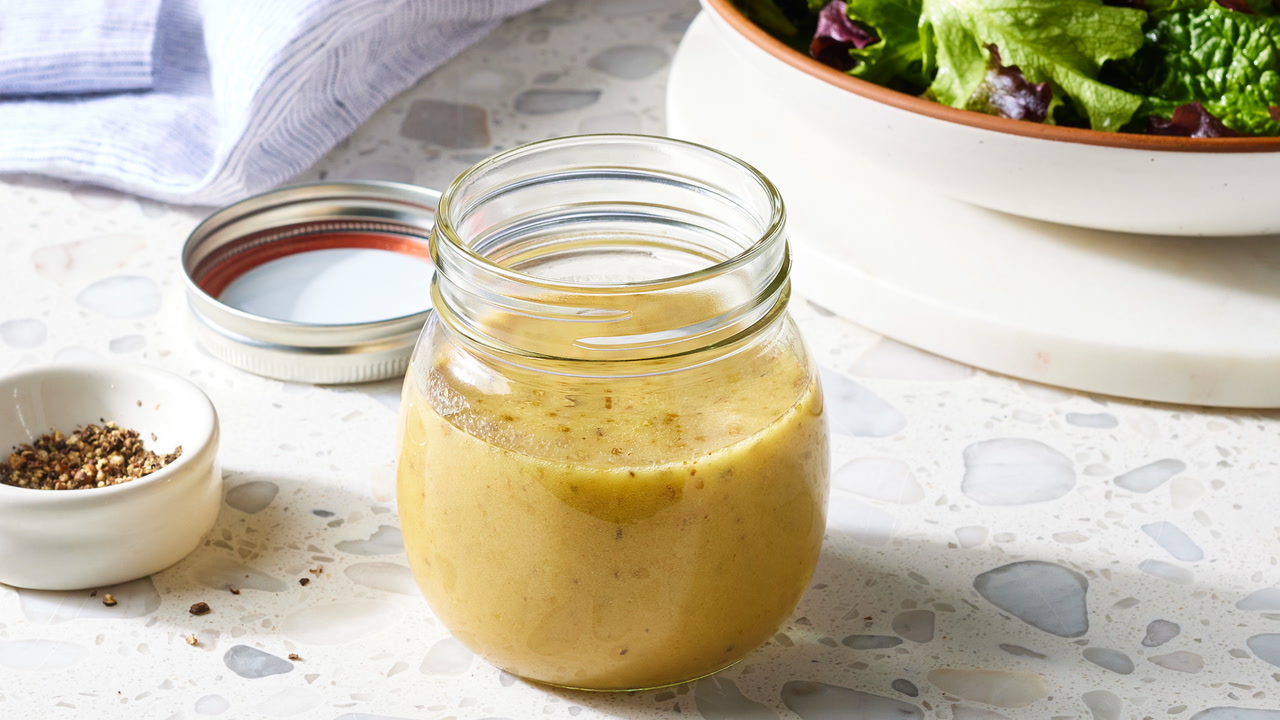
Lemon Salad Dressing Recipe: A fresh lemon salad dressing is one of the most useful recipes we can keep in our kitchen. It is light, bright, flavorful, and versatile enough to pair with leafy green salads, grain bowls, roasted vegetables, pasta salads, grilled chicken, seafood, and even sandwiches. When we make it from scratch, we control the flavor, texture, freshness, and balance. The result is a dressing that tastes cleaner, sharper, and more vibrant than most bottled options.
This lemon salad dressing recipe is simple, quick to prepare, and built on pantry staples. It delivers the perfect balance of citrus, olive oil, seasoning, and gentle tang, creating a silky dressing that enhances ingredients without overpowering them. Whether we want a classic vinaigrette or a more rounded dressing with mustard and honey, this recipe gives us a dependable base we can use again and again.
Ingredients You’ll Need
To make a classic lemon salad dressing, we need a few basic ingredients that work together to create a smooth and flavorful result.
Main Ingredients
- Fresh lemon juice – 3 tablespoons
- Extra virgin olive oil – 6 tablespoons
- Dijon mustard – 1 teaspoon
- Honey or maple syrup – 1 teaspoon
- Garlic – 1 small clove, finely minced or grated
- Salt – 1/2 teaspoon, or to taste
- Black pepper – 1/4 teaspoon
- Lemon zest – 1 teaspoon
These ingredients create a balanced dressing with brightness, richness, and depth. The lemon juice brings acidity, the olive oil adds body, Dijon mustard helps emulsify the mixture, and honey softens the sharpness of the citrus.
Optional Add-Ins for Extra Flavor
- Red pepper flakes for mild heat
- Dried oregano for a Mediterranean twist
- Fresh parsley for a fresh herb finish
- Parmesan cheese for a savory note
- Shallots instead of garlic for a milder bite
Why Fresh Lemon Makes This Dressing Better
Fresh lemon juice creates a dressing with a cleaner, more natural taste. Bottled lemon juice can work in a pinch, but it rarely delivers the same bright citrus flavor. Using fresh lemon also allows us to include a little zest, which adds fragrant oils and strengthens the lemon character without making the dressing too acidic.
A good lemon dressing for salad should taste lively and balanced. It should not be harsh, too oily, or too sweet. Fresh ingredients help us achieve that balance more easily.
How to Choose the Best Ingredients
The quality of a simple dressing depends on the quality of each ingredient. Since there are only a few elements in this recipe, each one matters.
Lemons
Choose lemons that feel slightly heavy for their size and have smooth, firm skin. These usually contain more juice. Bright yellow lemons with a fresh scent are best.
Olive Oil
Use a good-quality extra virgin olive oil with a smooth, pleasant taste. Since olive oil makes up most of the dressing, its flavor will stand out. A harsh or bitter oil can dominate the dressing.
Mustard
Dijon mustard is ideal because it adds a subtle sharpness while also helping the oil and lemon juice blend together into a smooth dressing.
Sweetener
A small amount of honey or maple syrup rounds out the acidity. It does not make the dressing sweet. Instead, it helps create a more balanced flavor.
Step-by-Step Guide for Lemon Salad Dressing
Step 1 – Juice and Zest the Lemon
Start by washing the lemon well. Zest it first, then cut it in half and squeeze out the juice. Remove any seeds. We need 3 tablespoons of fresh lemon juice and 1 teaspoon of zest.
Zesting first is easier and keeps the process neat. The zest gives the dressing a stronger citrus aroma and a fuller lemon flavor.
Step 2 – Prepare the Flavor Base
In a small bowl or jar, add the lemon juice, lemon zest, Dijon mustard, honey, and minced garlic. Stir or shake well until the ingredients are combined.
This base forms the flavor foundation of the dressing. Combining these ingredients before adding oil helps everything blend more evenly.
Step 3 – Add the Olive Oil Slowly
Pour in the olive oil gradually while whisking continuously. If using a jar, add the oil, close the lid tightly, and shake vigorously for 20 to 30 seconds.
This process helps emulsify the dressing. A properly emulsified lemon vinaigrette looks slightly creamy and stays blended longer instead of separating immediately.
Step 4 – Season the Dressing
Add the salt and black pepper, then taste. Adjust the seasoning if needed. If the dressing tastes too sharp, add a little more honey or olive oil. If it tastes too mild, add a small splash of lemon juice.
The goal is a dressing that tastes balanced and lively. It should be tangy but smooth, bold but not overwhelming.
Step 5 – Let the Dressing Rest
Allow the dressing to sit for about 5 to 10 minutes before serving. This gives the garlic, mustard, lemon, and oil time to settle into a more unified flavor.
Even a short resting time improves the final taste. The dressing becomes rounder and more cohesive.
Best Ways to Use Lemon Salad Dressing
This homemade lemon salad dressing works with far more than a basic green salad. Its fresh flavor makes it one of the most flexible dressings we can prepare.
Green Salads
Use it with romaine, arugula, spinach, mixed greens, butter lettuce, or kale. It is especially good on salads with cucumber, avocado, tomatoes, and red onion.
Grain Bowls
Drizzle it over quinoa, couscous, rice bowls, or farro salads. The acidity cuts through hearty grains and makes bowls taste fresher.
Roasted Vegetables
A spoonful of lemon dressing over roasted carrots, broccoli, cauliflower, or asparagus adds brightness and contrast.
Chicken and Seafood
This dressing pairs beautifully with grilled chicken, shrimp, salmon, or baked white fish. It also works as a light finishing sauce.
Pasta Salad
Toss it with cold pasta, herbs, olives, feta, and vegetables for a fresh pasta salad with clean, vibrant flavor.
Tips for the Best Lemon Salad Dressing Recipe
A few simple techniques can improve both flavor and texture.
Use Room Temperature Ingredients
Olive oil thickens when cold, which can make the dressing less smooth. Room temperature ingredients combine more easily.
Whisk or Shake Thoroughly
A quick stir is not enough. Whisking properly or shaking vigorously helps create a dressing with a smoother consistency.
Taste Before Serving
Salad ingredients vary. Some salads include salty cheese, sweet fruit, or peppery greens. Taste the dressing before serving and adjust it to fit the salad.
Do Not Overdo the Garlic
Garlic adds depth, but too much can overpower the lemon. One small clove is usually enough for a balanced dressing.
Easy Variations to Try
A classic lemon dressing recipe is useful on its own, but small changes can create different flavor profiles for different meals.
Creamy Lemon Salad Dressing
Add 2 tablespoons of Greek yogurt or 1 tablespoon of mayonnaise for a creamier texture. This works well for chopped salads and wraps.
Herb Lemon Dressing
Add chopped parsley, basil, dill, or mint for a fresh herb version that complements summer salads beautifully.
Mediterranean Lemon Dressing
Mix in oregano, a little crushed garlic, and a pinch of sumac for a deeper Mediterranean flavor.
Sweet Lemon Dressing
Increase the honey slightly for salads that include fruit such as strawberries, apples, or oranges.
Spicy Lemon Dressing
Add red pepper flakes or a small amount of chili oil to give the dressing gentle heat.
How to Store Lemon Salad Dressing
Store the dressing in a clean glass jar or airtight container in the refrigerator for up to 5 to 7 days. Shake or whisk before using, as natural separation is normal.
If the olive oil solidifies slightly in the refrigerator, let the dressing sit at room temperature for a few minutes, then shake again. It will return to a pourable consistency.
Fresh lemon dressing is best when used within a few days because the citrus flavor is strongest and brightest early on.
Common Mistakes to Avoid
A few small mistakes can affect the final result.
Using Too Much Lemon Juice
Too much acid can make the dressing harsh and overpowering. Stick to a balanced oil-to-acid ratio for the best taste.
Skipping the Mustard
Mustard adds more than flavor. It helps hold the dressing together and improves the texture.
Using Poor Quality Oil
Because olive oil is a major part of the recipe, its quality directly affects the flavor. A smooth oil creates a better dressing.
Not Seasoning Properly
Even a simple dressing needs salt and pepper. Without proper seasoning, the flavors can taste flat.
What to Serve with Lemon Salad Dressing
This dressing pairs well with many ingredients and meal styles. It is especially effective with:
- Mixed greens and avocado
- Cucumber and tomato salad
- Kale and chickpea salad
- Quinoa bowls with roasted vegetables
- Grilled chicken salad
- Shrimp and arugula salad
- Feta, olives, and red onion
- Roasted potato salad
- Cold pasta with herbs
Its clean, citrus-forward profile makes it ideal when we want a dressing that lifts a dish instead of covering it up.
FAQs about Lemon Salad Dressing Recipe
1. What is lemon salad dressing?
Lemon salad dressing is a light, tangy dressing made with fresh lemon juice, oil, and simple seasonings. It adds a bright and refreshing flavor to many salads.
2. What ingredients are used in a lemon salad dressing recipe?
A basic recipe usually includes lemon juice, olive oil, salt, and black pepper. Some versions also add garlic, Dijon mustard, honey, or dried herbs for more flavor.
3. Can I use bottled lemon juice?
Fresh lemon juice is best because it gives the dressing a cleaner, brighter taste. Bottled juice can be used, but the flavor may not be as fresh.
4. How do I keep lemon salad dressing from separating?
Whisk it well or shake it in a jar before serving. Adding mustard or a little honey can help the dressing stay blended longer.
5. What salads go well with lemon salad dressing?
It works well with green salads, Greek salad, spinach salad, grain bowls, and even pasta salads. It also pairs nicely with grilled vegetables.
6. Can I make lemon salad dressing ahead of time?
Yes, you can prepare it in advance and store it in the refrigerator. This makes it easy to use whenever needed.
7. How long does homemade lemon salad dressing last?
Homemade lemon salad dressing can usually last 5 to 7 days in an airtight container in the refrigerator. Shake or stir before using.
Final Thoughts
A reliable lemon salad dressing recipe deserves a permanent place in our kitchen because it is quick, fresh, and endlessly useful. With just a few ingredients, we can create a dressing that tastes vibrant, balanced, and far better than most store-bought alternatives. The combination of fresh lemon juice, olive oil, Dijon mustard, garlic, and seasoning produces a dressing that is simple enough for everyday meals and elegant enough for entertaining.
Once we make it a few times, adjusting it becomes easy. We can make it sharper, smoother, sweeter, creamier, or more herb-forward depending on the salad or meal. That flexibility is exactly what makes a homemade lemon vinaigrette dressing so valuable. It is not only a salad dressing. It is a fresh finishing touch that brings brightness and flavor to the entire plate.